
Elated to receive Dreich’s “Wee Book of Sonnets” that along with stunning company features sixteen of my insect sonnets. Thankyou, Jack.

Kalia, Madison https://thewombwellrainbow.com/2019/07/11/wombwell-rainbow-interviews-madison-kalia/
Kane, Gaynor https://thewombwellrainbow.com/2018/12/27/wombwell-rainbow-interviews-gaynor-kane/
Karasick, Adeena
https://thewombwellrainbow.com/2018/10/06/wombwell-rainbow-interviews-adeena-karasick/
Kay, Khristian E. https://thewombwellrainbow.com/2019/05/11/wombwell-rainbow-interviews-khristian-e-kay/
Kelly, Lisa https://thewombwellrainbow.com/2019/07/05/wombwell-rainbow-interviews-lisa-kelly/
Kent, Nigel https://thewombwellrainbow.com/2020/02/01/wombwell-rainbow-interviews-nigel-kent/
Kenyon, Isabelle https://thewombwellrainbow.com/2018/10/09/wombwell-rainbow-interviews-isabelle-Kenyon/
Khomutoff, Rus https://thewombwellrainbow.com/2019/06/25/wombwell-rainbow-interviews-rus-khomutoff/
Kiane, Miss https://thewombwellrainbow.com/2019/02/07/wombwell-rainbow-interviews-miss-kiane/
Kiew, Lisa https://thewombwellrainbow.com/2018/12/02/wombwell-rainbow-interviews-lisa-kiew/
Kim, Wansoo https://thewombwellrainbow.com/2019/01/31/wombwell-rainbow-interviews-wansoo-kim/
King, Peter J. https://thewombwellrainbow.com/2018/10/20/wombwell-rainbow-interviews-peter-j-king/
Kioroglou, Sofia https://thewombwellrainbow.com/2018/09/02/wombwell-rainbow-interviews-sofia-kioroglou/
Kirk, Brian https://thewombwellrainbow.com/2019/02/26/wombwell-rainbow-interviews-brian-kirk/
Klein, Wendy https://thewombwellrainbow.com/2019/05/04/wombwell-rainbow-interviews-wendy-klein/
Knight, James https://thewombwellrainbow.com/2019/01/06/wombwell-rainbow-interviews-james-knight/
Knight, Janet Dean https://thewombwellrainbow.com/2019/02/06/on-fiction-wombwell-interviews-janet-dean-knight/
Knight, Phil https://thewombwellrainbow.com/2018/10/14/wombwell-rainbow-interviews-phil-knight/
Knights, Karl https://thewombwellrainbow.com/2020/01/07/wombwell-rainbow-interviews-karl-knights/
Knoll, Tricia https://thewombwellrainbow.com/2018/10/12/wombwell-rainbow-interviews-tricia-knoll/
Krauss, Carol Parris https://thewombwellrainbow.com/2019/02/25/wombwell-rainbow-interviews-carol-parris-krauss/
Kreho, Dinko https://thewombwellrainbow.com/2019/02/23/wombwell-rainbow-interviews-dinko-kreho/
Kretschmar, Sven https://thewombwellrainbow.com/2019/04/05/wombwell-rainbow-interviews-sven-kretzschmar/
Kuberska, Alicja Maria https://thewombwellrainbow.com/2019/03/17/wombwell-rainbow-interviews-alicja-maria-kuberska/

-Liam Flanagan
48 years old living in Ireland. Degree in English and Philosophy. Teaching Diploma in IT. Ten years experience working in the IT industry. Likes Sport, Music, Film and Politics. Over thirty poems published on various sites over the last two years.
The Interview
1. When and why did you start writing poetry?
I have always had an interest in writing. I have
a degree in English and Philosophy so I did a lot
of writing during my three year Arts degree. The
poetry started much more recently. I was attending
a creative writing class and just starting writing
poetry and enjoying it. I stopped writing for a while
and then when the pandemic hit I started writing
again and have been writing proficiently since.
2. Who introduced you to poetry?
Here in Ireland, English
is a subject you study from an early age. Before you leave
secondary school you are exposed to many poets such as
Shakespeare, Wordsworth, Yeats and Keats.
3. How aware are and were you of the dominating presence of older poets traditional and contemporary?
Ireland is steeped in poetic history. Contemporary poets such as Seamus Heaney
is well known as would traditional poets such as Patrick Kavanagh and Oscar Wilde.
Social media has become the medium through which I engage with most poets
and poetry now.
4. What is your daily writing routine?
I don’t really have a routine. I am a member of a
poetry group online and every Monday there is
a one word prompt to base a poem on. Sometimes
an idea comes to me straight away and other times
it could be a couple of days before I come up
with an idea for a poem. Once I do, quite often I
will write the poem in one day and then submit it
for publication.
5. What subjects motivate you to write?
A number of subjects inspire me to write.
I write about mental health for two reasons.
One is I have experience in dealing with mental
Health issues and the other is I find it beneficial
to write about how I am feeling on any particular
day. I also write about other issues such as politics
and climate change. Sometimes my poetry can
be quite humorous which gives me a lot of pleasure
if I can brighten up somebody else’s day.
6. What is your work ethic?
My work ethic is strong. I worked in the IT
industry for ten years and had to work
very hard to get to the level I reached
before retiring. I apply this work this ethic to
my writing by spending time working on a poem
and not putting it forward for publication
until I am completely happy with the poem.
7. How do the writers you read when you were young influence your work today?
They don’t really. I wouldn’t describe my writing as being of any particular genre
and the style of writing is not taken from or based on any other
writers work.
8. Whom of today’s writers do you admire the most and why?
I have to hold my hands up here and admit I am not the most
avid reader of books. I used to read a lot of books but now I just
read the newspaper every day and also other poets works
online.
9. Why do you write, as opposed to doing anything else?
I write because I enjoy it and I find it a means of expressing
myself. There is a lot of satisfaction derived from completing
a piece of work you are proud of and knowing the reader has
enjoyed it too.
10. What would you say to someone who asked you “How do you become a writer?”
Im not sure someone can ‘become’ a writer. I think some people can write
and others can’t. Sure, you can do a class or a course but if writing does not
come naturally to you I would say it is a difficult skill to learn.
11. Tell me about the writing projects you have on at the moment.
I have applied for a government grant which will enable me to
write an a full-time basis. I should find out about that in August
so we will see what happens then. I have also recently submitted
twenty five poems to a publisher here in Ireland with a view of
getting a debut book published.
12. What is it about poetry rather than prose that appeals to you?
I think with poetry you can be quite specific about what you are writing about. I see the challenge of getting to the essence of the subject in a clear and insightful way using as little words as possible to get to the heart of the matter.
13. In your education which poets that you were introduced to attracted you most, and why?
William Butler Yeats was probably the poet I most admired. He wrote extensively on Irish myth and culture in his early works and then moved to writing about spiritualism and social issues. The versatility in his writing is what attracted me to him most.
14. How important is form in your poetry writing?
Form is important to me. A lot of my poems are only around twenty lines long. I try to keep things as concise as possible. I often use rhyme to connect one line to another or to change the pace of the poem.
15. What role does nature play in your writing?
Nature doesn’t play a huge role in my poetry. I know other poets use it as a source of inspiration and are very adept at using all the aspects of nature in a metaphorical way.
I do the same sometimes but do not use it to the same extent as others do.
16. How do you know when a poem you are writing is finished?
I know when a poem is finished when I am happy with it. Some poems come easily to me, others require research and much more work.
17. What influence does your urban environment have on your writing?
My urban environment does have an influence on my writing. Often, I find myself writing about daily life and the grind so many have to go through just to get through the day.
18. After reading your poetry what do you hope the reader will leave with?
It depends on the poem. If it is philosophical or political, I hope the reader would be stimulated to think about the subject matter. If it is humorous in nature then I would like to think the poem would leave the reader with a smile on their face.
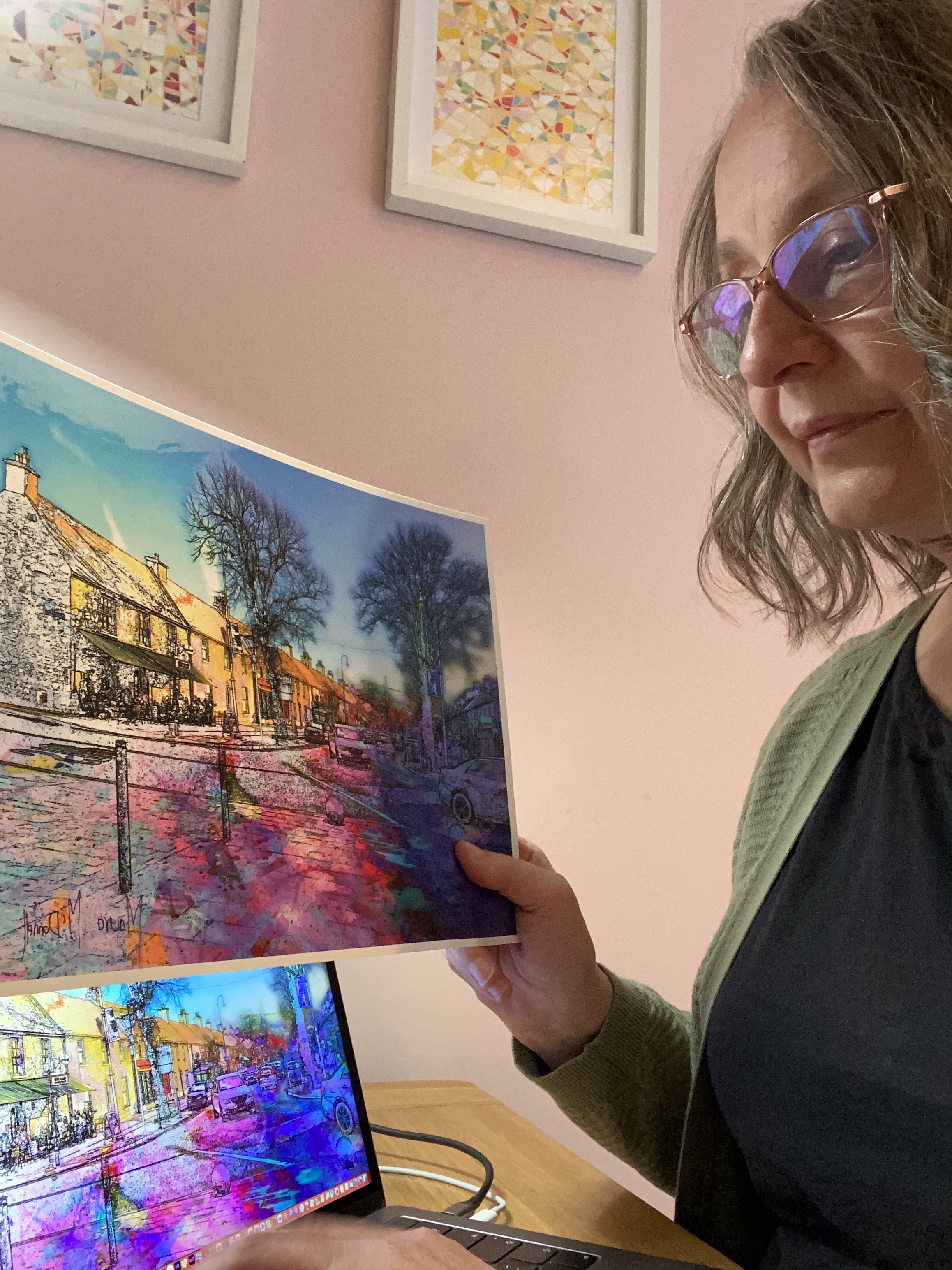
-Maura McDonnell
is an artist that explores multiple mediums and artforms. Most of the time, she is tinkering away with these art forms, filling up notebooks, art pads and computers with her efforts. Drawing and painting was what she did first, moving onto music after she started to learn the tin whistle at school, progressing to studying music, piano, education, music & media technology at college and at various times in her life. She started writing in her teens, privately and found she really loved to shape words and create something complete from her experiences. From this tinkering, she has been drawn to make artworks more consciously in the mediums of digital film, visual art and writing. She creates what she calls visual music artworks which are in effect, abstract films with abstract music. She started to write poetry, two years ago at the beginning of the pandemic lockdown by responding to a prompt by the then Poet in Residence for Poetry Ireland, Catherine Ann Cullen and has not looked back. There are many themes emerging in her writing of which she would like to now develop into artworks, be it visual music or poetry or both or maybe something else?
The Interview:
If you relish words – their sounds and subtleties of meaning – then this is the book for you. I say ‘relish’ deliberately because Gerald Killingworth’s masterly skill turns words into something one can almost taste and savour for a long time afterwards.
‘Water Words’ illustrates this perfectly. Syllables become ‘fragments of ocean’ and their length corresponds to the different sounds and sizes of liquid. The monosyllables ‘drip’ and ‘splash’ represent the moment of the ocean’s birth but soon both syllables and water grow into ‘puddle’ and ‘rivulet’, then into ‘cataracts’ and finally, with a thrashing surge, into the magnificent, four syllabled ‘inundations.’
‘Tongues’is another example of the pleasure that words bring, the joy to be found in the ‘arcane quaintness’ of ‘ariff’, ‘crizzle’, ‘fizgigging’, ‘slaughter’ and ‘budge’. But this poem is about more than the fun of playing with parts of speech. It’s about erosion, loss and the…
View original post 529 more words
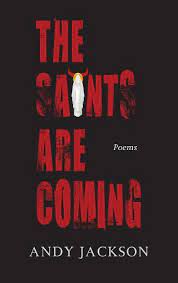
Jackson, Andy https://thewombwellrainbow.com/2018/12/15/wombwell-rainbow-interviews-andy-jackson/
Jacob, Sheila https://thewombwellrainbow.com/2018/11/12/wombwell-rainbow-interviews-sheila-jacob/
James, Mike https://thewombwellrainbow.com/2019/02/05/wombwell-rainbow-interviews-mike-james/
James/Leavesley, Sarah https://thewombwellrainbow.com/2018/10/17/window-rainbow-interviews-sarah-james-leavesley/
Jenkins, Mike https://thewombwellrainbow.com/2018/10/07/wombwell-rainbow-interviews-mike-jenkins/
Jenkinson, Mick https://thewombwellrainbow.com/2018/09/03/wombwell-rainbow-interviews-mick-jenkinson/
Johnson, Michael Lee https://thewombwellrainbow.com/2018/10/25/wombwell-rainbow-interviews-michael-lee-Johnson/
Johnston, L. Austen https://thewombwellrainbow.com/2019/09/04/wombwell-rainbow-interviews-l-austen-johnston/
Jonathan, Ted https://thewombwellrainbow.com/2019/08/21/wombwell-rainbow-interviews-ted-jonathan/
Jones, Chris https://thewombwellrainbow.com/2018/10/09/wombwell-rainbow-interviews-chris-jones/
Jones, Vivien https://thewombwellrainbow.com/2018/10/27/wombwell-rainbow-interviews-vivien-jones/
Joseph, Shane https://thewombwellrainbow.com/2019/02/21/on-fiction-wombwell-rainbow-interviews-shane-joseph/

Ikins, Rachael https://thewombwellrainbow.com/2019/07/17/wombwell-rainbow-interviews-rachael-ikins/
Imbler, Linder https://thewombwellrainbow.com/2018/09/20/wombwell-rainbow-interviews-linda-imbler/
Ingham, Joanna https://thewombwellrainbow.com/2019/09/11/wombwell-rainbow-interviews-joanna-ingham/
Irigaray, Julie https://thewombwellrainbow.com/2018/11/28/wombwell-rainbow-interviews-julie-irigaray/
Irving, Kirsten https://thewombwellrainbow.com/2019/06/02/wombwell-rainbow-interviews-kirsten-irving/
Ivory, Helen https://thewombwellrainbow.com/2018/09/10/wombwell-rainbow-interviews-helen-ivory/
Iwanyckyj, Paul https://thewombwellrainbow.com/2018/09/28/wombwell-rainbow-interviews-paul-iwanyckyj/
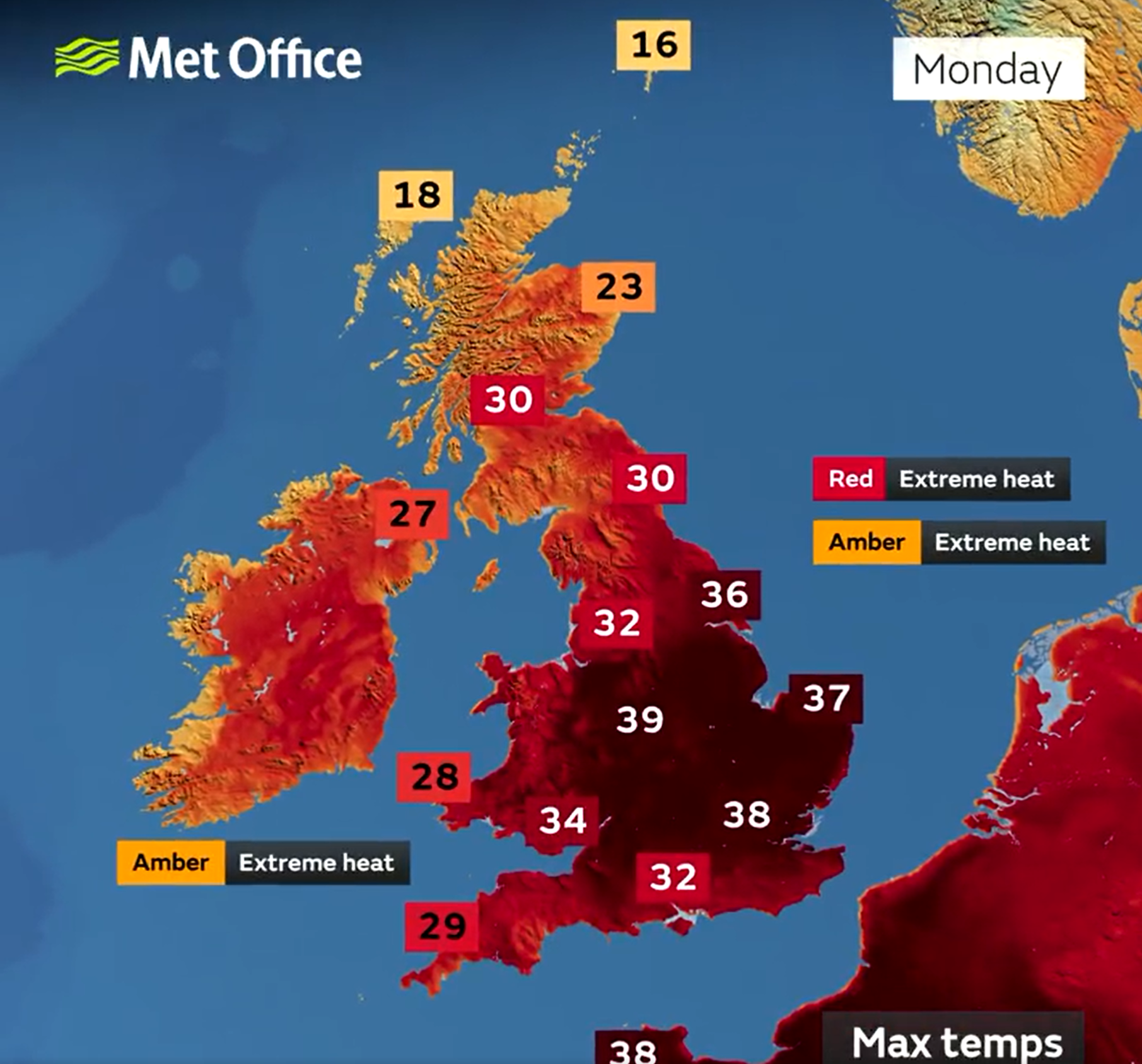
A poem for Paul Brookes heatwave inspired collection. Send them in!
The yellow stuff in the photo isn’t wheat, it’s what the long grass behind the house has become. The wilted sapling is a poplar.

Sunrise
Early morning.
Cool beneath the shade trees,
and the birds still sing.
A squirrel leaps from branch to branch,
tree to tree.
But the sun has risen in fury,
burning orb,
eating the blue, spitting out flames.
No thunderbolts fall
among the limp oak leaves
only the shrivelling eye of the sun.
Soon there will be silence
except for the hiss and patter of sprinklers,
sucking the life of the stream, the river.
He will be dead soon,
the old man who robs the tree roots,
his tomatoes, leeks, his sheep eaten.
And the oaks bow, shrink,
their dry leaves whispering,
we too will follow. Soon.
Pregnant summer 1976
hardly enough to settle drifting dust
the pretence of rain
was more a washing of the air
summer animals moved slow
through waves of wild grass
breathing unaccustomed moisture
deep into dry lungs – as eager for any drop
as a drowning man for breath
but it hardly reached the soil –
this swift precipitation
the day lay unbaptised
as we watched from windows
estivating, nest-bound
more in hope than expectation
of wet relief, barely conceivable in winter –
the crackle and buzz of static
made the earth charged and dangerous
a pale mist – almost steam
lay sweet and pungent with roses
deep woods seemed to throb
as if they had a heartbeat
ending in little sighs, no energy for rustling
something was coming
For Amy, born 1976
-Valerie Bence (published in Falling in love with a dead man, Cinnamon Press 2019)
JULY 17, 2014
HOT!
It was burning
Baking
Tan-creating
Beaming
Gleaming
Steaming
Vanilla ice-creaming
It was hot, hot, HOT!
Sweaty
Sweltering
Bubbling
Blistering
Flaming
Roasting
Raging
Toasting
So hot, hot, HOT!
Like a jungle
Like an inferno
Like a barbecue
Like a volcano
Like a desert
Like a fire
Like a recently fused electric wire
Extremely hot, hot, HOT!
Boiling
Blazing
Sun-drenching
Sunbathing
Dehydrating
Forest-torching
Red, yellow, orange
Scorching
Definitely hot, hot, HOT!
Skin-drying
Ground-crusting
Pan-frying
Thermometer-busting
Forty-degreesing
Cream-applying
Hayfever-sneezing
No cloud in the sky
Incredibly hot, hot, HOT!
A fizzling
Sizzling
Searing
Oven of a day
That even melted the last word of this poem away
It was hot, hot…
-Neal Zetter
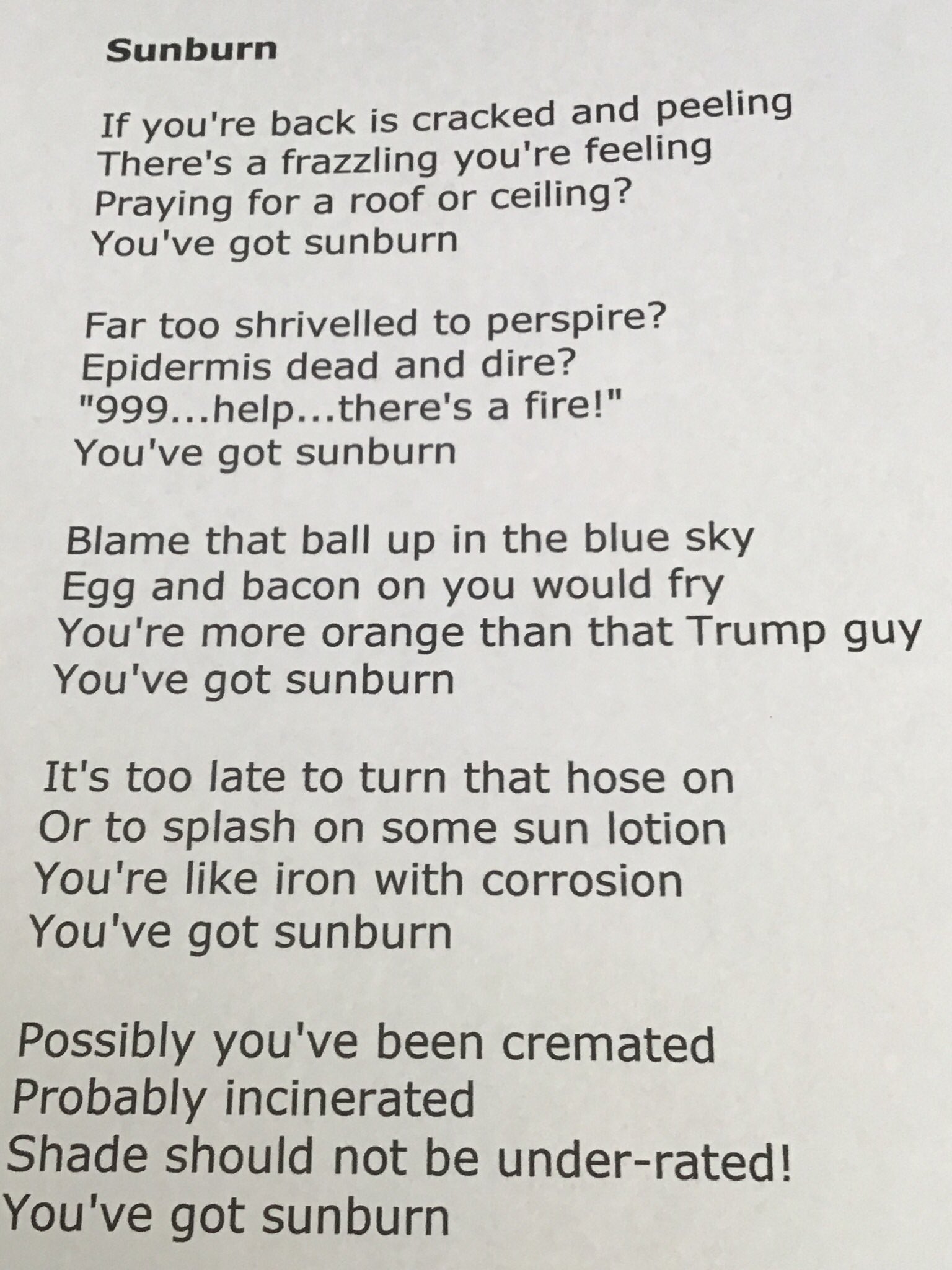
-Neal Zetter
Furnace Factory
The sun’s benevolent grace
Has signalled its withdrawal
Hijacked and appropriated
To expose its hard-raw potential
A surly, sultry sarcasm
A flame-grill attitude
Blow-torch heel of Satan
Drawing breath from furnace winds
Wildfire carbon scorch overwhelms
Catalyses an open crematorium
An ashen memorial
To a trashed inheritance
-Glenn Barker
-Stepping On Snails-
Dead snail bones sun bleached in
clump cluster congregations of
ten thousands times ten thousands
on dried stalks of reed weeds
prickle perched as bulbous growths
on branches spread like bronchioles
in the field around the ancient ruins
of Salamis in the summer slowness
and scattered scores on the dirt below
a civilization crunching
collapsed under my feet.
January rains had soaked the soil
and spring rays warmed the mud
that spat out splay sprig plant specimens
and hatched the slimy May society
that began their climb to the ends
of the sprawling spontaneous weeds
until the gradual change of seasons
septembered them unawares
emptying ambiguous ambition
into unpurposed pillars supporting
the memory of a city once alive.
-Ryan Keating (Ryan says:
This poem was originally published in Macrina Magazine. It is the first of these three. https://macrinamagazine.com/general-submissions/guest/2022/07/09/three-poems-3
The poem tells the story of a city of snails drying up during a heatwave among the ruins of ancient Salamis.)
In elegant green
After a whole day in the woods, we are already immortal.
John Muir
Here, beneath trees that split
Magnificently from toe to tip,
I slip from dream to real and back
In elegant green, my eyes lidded glass
And fingers weave, enlace, out-cast
To hold the woods in tight embrace
Enshrouded in a shimmering haze.
This fierce heat, this summer’s face
That turns to burn shoot-ends and tastes
Of simmered edges, in a fizzing spate
Of honeybee and cricket-wing,
This place vibrates.
Yet the dry earth cracks beneath my feet
As rain retreats, rolls west from east
And long-wrought patterns twist, then cease.
With sinking heart, this wood may slip
From real
To dream
To mythic beast.
-© Larissa Reid, 2020 (She says: This poem was shortlisted for the Janet Coats Memorial Prize 2020.)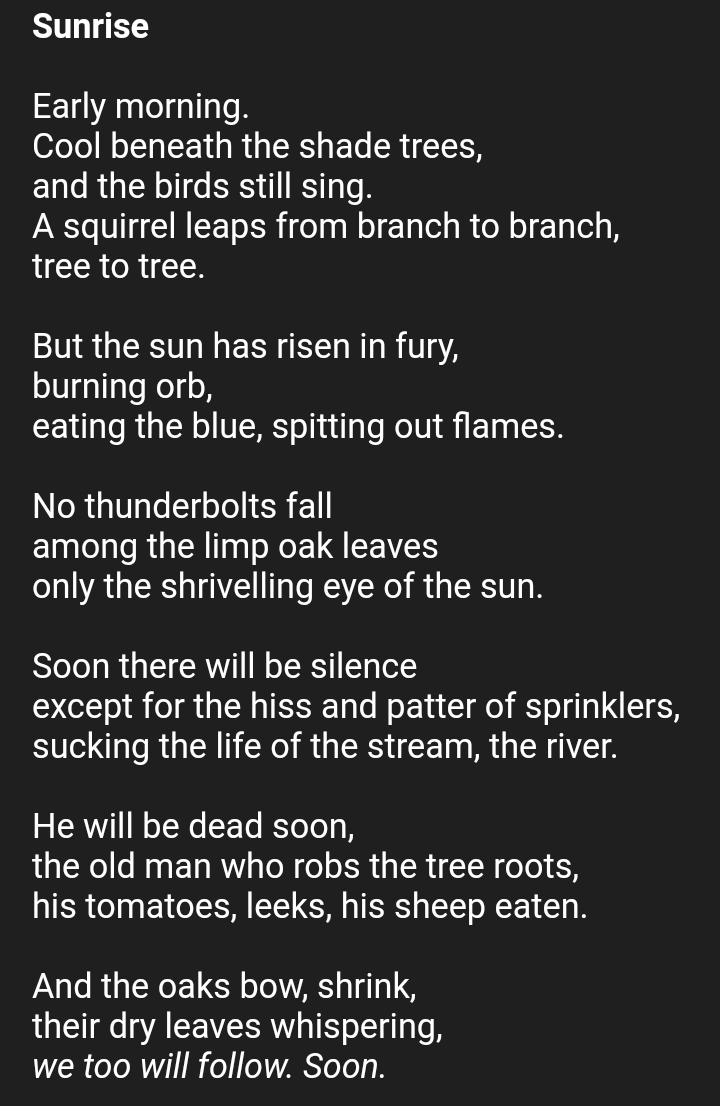
Bios And Links
-Ryan Keating
is a writer, pastor, and winemaker on the Mediterranean island of Cyprus. His work can be found or is forthcoming in publications such as Saint Katherine Review, Ekstasis Magazine, Amethyst Review, Fare Forward, Macrina Magazine, Fathom, Dreich, and Miras Dergi, where he is a regular contributor in English and Turkish
–Larissa Reid
A freelance science writer by trade, Larissa has written poetry and prose regularly since 2016. Notable publications include Northwords Now, Black Bough Poetry Anthologies, and the Beyond the Swelkie Anthology. Based on Scotland’s east coast, she balances her writing life with bringing up her daughters.
Twitter: @Ammonites_Stars
Instagram: ammonitesandstars

Hadley-Pryce, Kerry https://thewombwellrainbow.com/2019/01/15/on-fiction-wombwell-rainbow-interviews-kerry-hadley-pryce/
Haigh, Matthew https://thewombwellrainbow.com/2018/12/15/wombwell-rainbow-interviews-matthew-haigh/
Hale, Jamie https://thewombwellrainbow.com/2019/09/18/wombwell-rainbow-interviews-jamie-hale/
Hansen, Tianna G https://thewombwellrainbow.com/2019/07/30/wombwell-rainbow-interviews-tianna-g-Hansen/
Hardwick, Oz https://thewombwellrainbow.com/2019/02/01/wombwell-rainbow-interviews-oz-hardwick/
Hardy, Chris https://thewombwellrainbow.com/2018/11/21/wombwell-rainbow-interviews-chris-hardy/
Hardy-Dawson, Sue https://thewombwellrainbow.com/2019/11/01/wombwell-rainbow-interviews-sue-hardy-dawson/
Hartenbach, Mark https://thewombwellrainbow.com/2018/09/10/wombwell-rainbow-interviews-mark-hartenbach/
Harvey, Deborah https://thewombwellrainbow.com/2019/11/05/wombwell-rainbow-interviews-deborah-Harvey/
Haydon, Ceinwen E Cariad https://thewombwellrainbow.com/2018/10/28/wombwell-rainbow-interviews-ceinwen-e-cariad-haydon/
Hayes, Martin https://thewombwellrainbow.com/2018/09/16/wombwell-rainbow-interviews-debra-sasak-ross
Hershman, Tania https://thewombwellrainbow.com/2018/10/06/wombwell-rainbow-interviews-tania-hershman/
Hickson, Barbara https://thewombwellrainbow.com/2019/11/25/wombwell-rainbow-interviews-barbara-Hickson/
Hindle, Rob
https://thewombwellrainbow.com/2018/09/12/wombwell-rainbow-interviews-rob-hindle/
Hofmann, Ava https://thewombwellrainbow.com/2019/07/22/wombwell-rainbow-interviews-ava-hofmann/
Holborow, Natalie https://thewombwellrainbow.com/2019/05/23/wombwell-rainbow-interviews-natalie-holborow/
Holian, Danielle https://thewombwellrainbow.com/2019/01/31/wombwell-rainbow-interviews-danielle-holian/
Homan, John https://thewombwellrainbow.com/2019/01/22/wombwell-rainbow-interviews-john-homan/
Horan, Elisabeth https://thewombwellrainbow.com/2019/06/12/wombwell-rainbow-interviews-elisabeth-horan/
Horton, Maya https://thewombwellrainbow.com/2019/05/05/wombwell-rainbow-interviews-maya-horton/
Hubbard, Sue https://thewombwellrainbow.com/2018/10/31/wombwell-rainbow-interviews-sue-hubbard/
Huey, John https://thewombwellrainbow.com/2019/02/18/wombwell-rainbow-interviews-john-huey/
Hummel. Kathryn https://thewombwellrainbow.com/2019/03/25/wombwell-rainbow-interviews-kathryn-hummel/
Humphreys-Jones, Tim https://thewombwellrainbow.com/2018/10/11/wombwell-rainbow-interviews-tim-humphreys-jones/


 The Wombwell Rainbow