In Response to Mr Paul Brookes Challenge~ John Berger’s Ways of Seeing’ Day 2: Women in Time and Changing Environments,Work is Similar~

anjum wasim dar's avatarPOETIC OCEANS

The Milkmaid

The Milkmaid (Dutch: De Melkmeid or Het Melkmeisje), sometimes called The Kitchen Maid, is an oil-on-canvas painting of a “milkmaid”, in fact, a domestic kitchen maid, by the Dutch artist Johannes Vermeer. It is now in the Rijksmuseum in Amsterdam, the Netherlands, which regards it as “unquestionably one of the museum’s finest attractions”. According to the Metropolitan Museum of Art in New York City, it was painted in about 1657 or 1658. Jan Vermeer; October 1632 – December 1675) was a Dutch Baroque Period[3] painter who specialized in domestic interior scenes of middle-class life. During his lifetime, he was a moderately successful provincial genre painter, recognized in Delft and The Hague. Nonetheless, he produced relatively few paintings and evidently was not wealthy, leaving his wife and children in debt at his death.Vermeer worked slowly and with great care…

View original post 104 more words

Wombwell Rainbow Catch Up with Kerry Darbishire

-Kerry Darbishire

lives in Cumbria where most of her poetry is rooted. Her two poetry collections are with Indigo Dreams Publishing. Her biography Kay’s Ark published by Handstand Press. Her poems have appeared widely in magazines and anthologies and have won or been short listed in several competitions. Kerry’s third collection (joint winner of the Full Fat Collection, Hedgehog Press) will be published in 2022.

Here is the original 2019 interview

https://wordpress.com/post/thewombwellrainbow.com/11335

Update for Paul Brookes at Wombwell from Kerry Darbishire

Since our conversation in 2019 I’ve been busier than ever. Possibly to do with the Pandemic which could have put a halt to creativity but then I thought, sink or swim and consequently adapted by enrolling on workshops, keeping up with my local poetry groups: Dove Cottage Poets, Write on the Farm, and the Kendal Brewery Poets for workshopping poems. Deadlines are a good thing for me, something to aim for. Also buying and reading many different styles of poetry, joining zoom readings, and open mics has been a huge inspiration.  And through zooms etc., and one of the best things, is meeting poets from all over the world. I’ve had acceptances in anthologies and placements in several competitions. I jointly won the Hedgehog Press collection competition this year with my new and third collection Jardinière, which I’m very excited about. I’m also currently working on three pamphlets.

#WaysofSeeing50 #JohnBerger. Day Two: Women And Art Photo Essay. (Parental Advisory: Only to be viewed by persons over 18 years of age) In celebration of fifty years since John Berger’s “Ways Of Seeing” was broadcast in January 1972, I welcome writers and artworkers to join and contribute with Sarah Crowson, Cy Forrest, Yvonne Marjot, Anjum Wasim Dar and me in a week long look at what he had to say, and how we might ekphrastically comment on the artworks he looked at, particularly painting and photography. It would be ideal if you could read the book beforehand, but not necessary. The challenge will run from January 9th-15th, and use the artworks he used as a prompt for each day.

Due to copyright concerns I cannot reproduce exact copies of the photo essays in John Berger’s book of the TV series. Hopefully what follows is in the spirit of those essays.
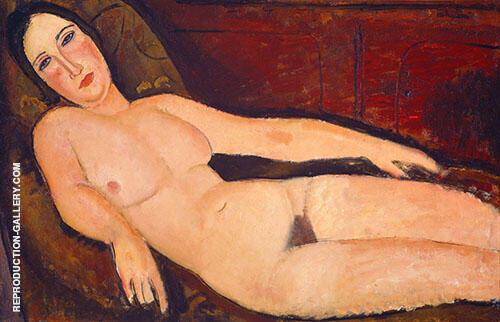
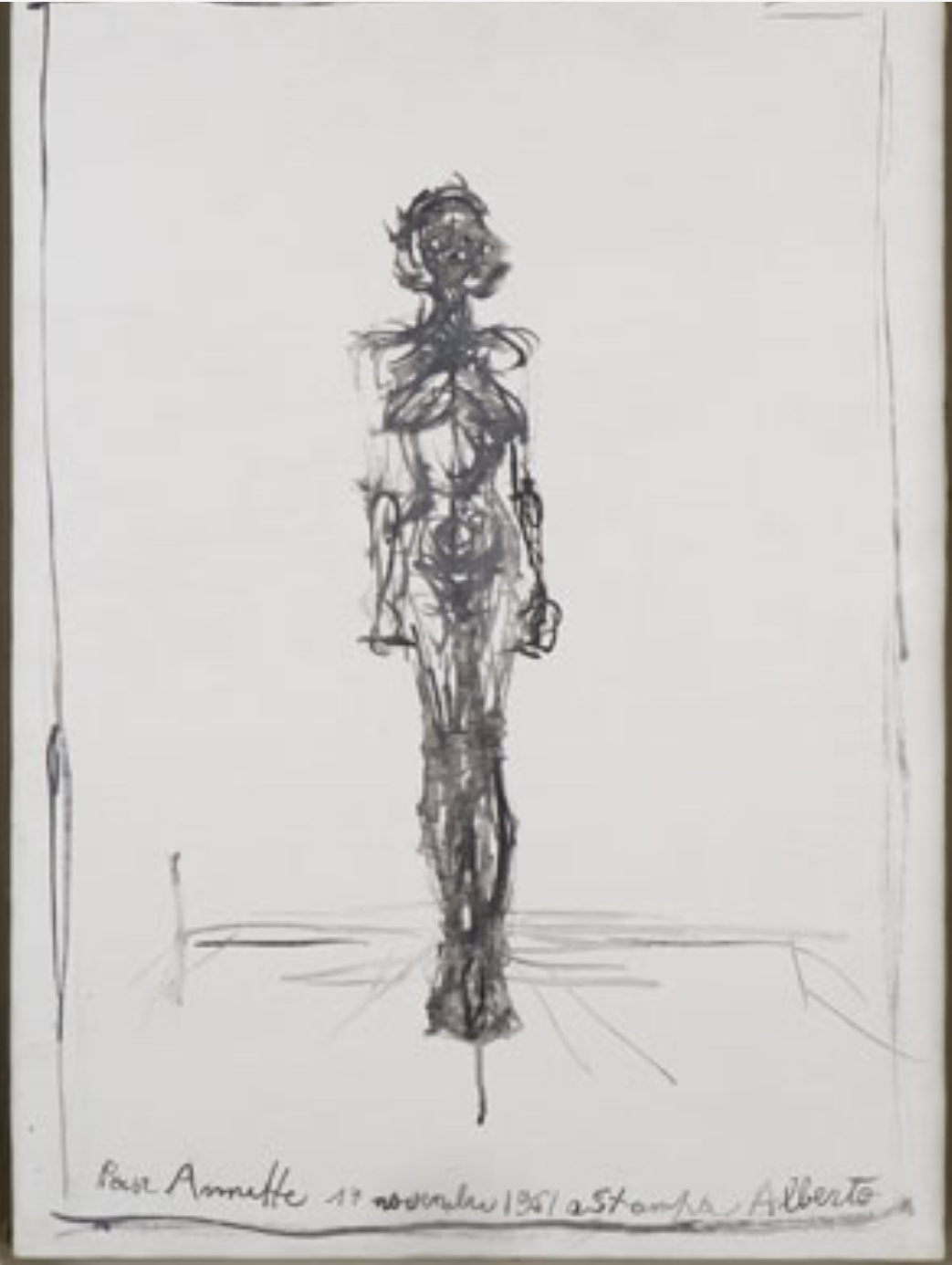
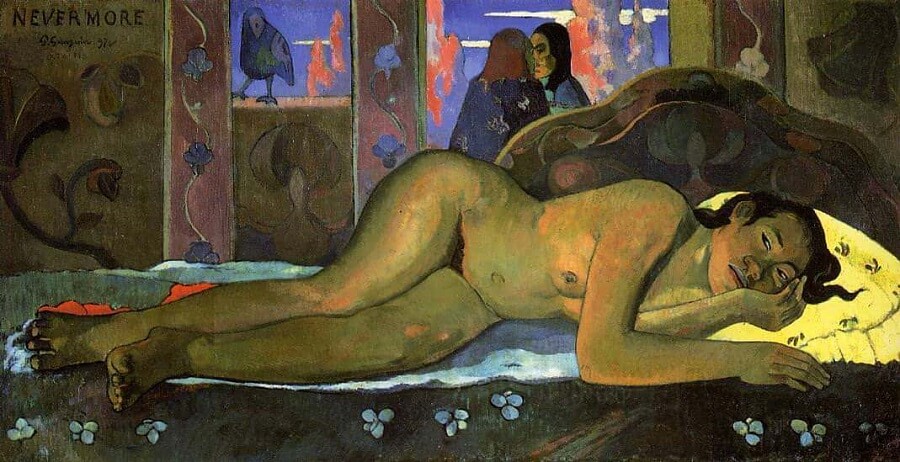
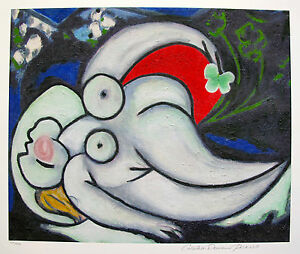
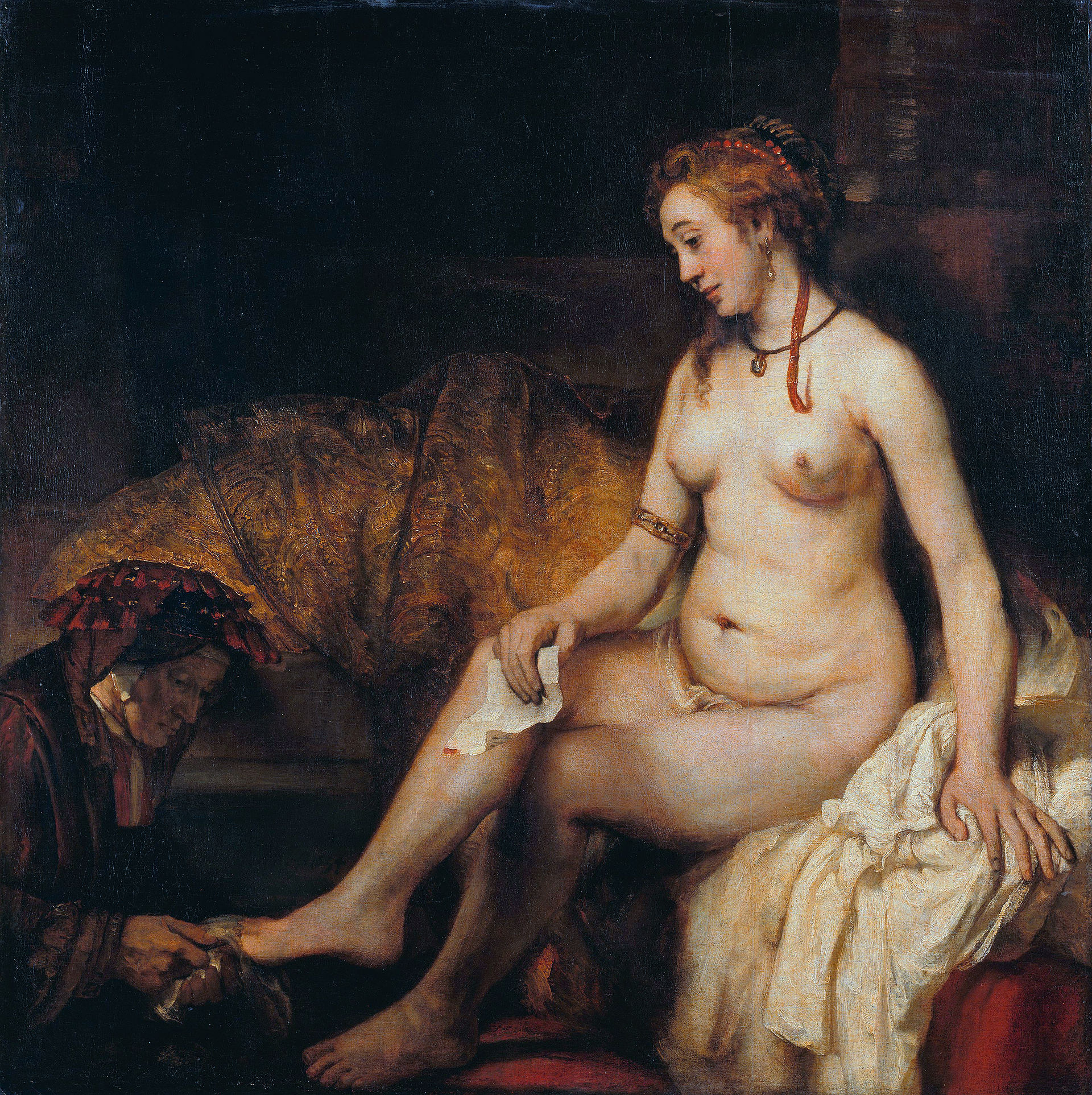
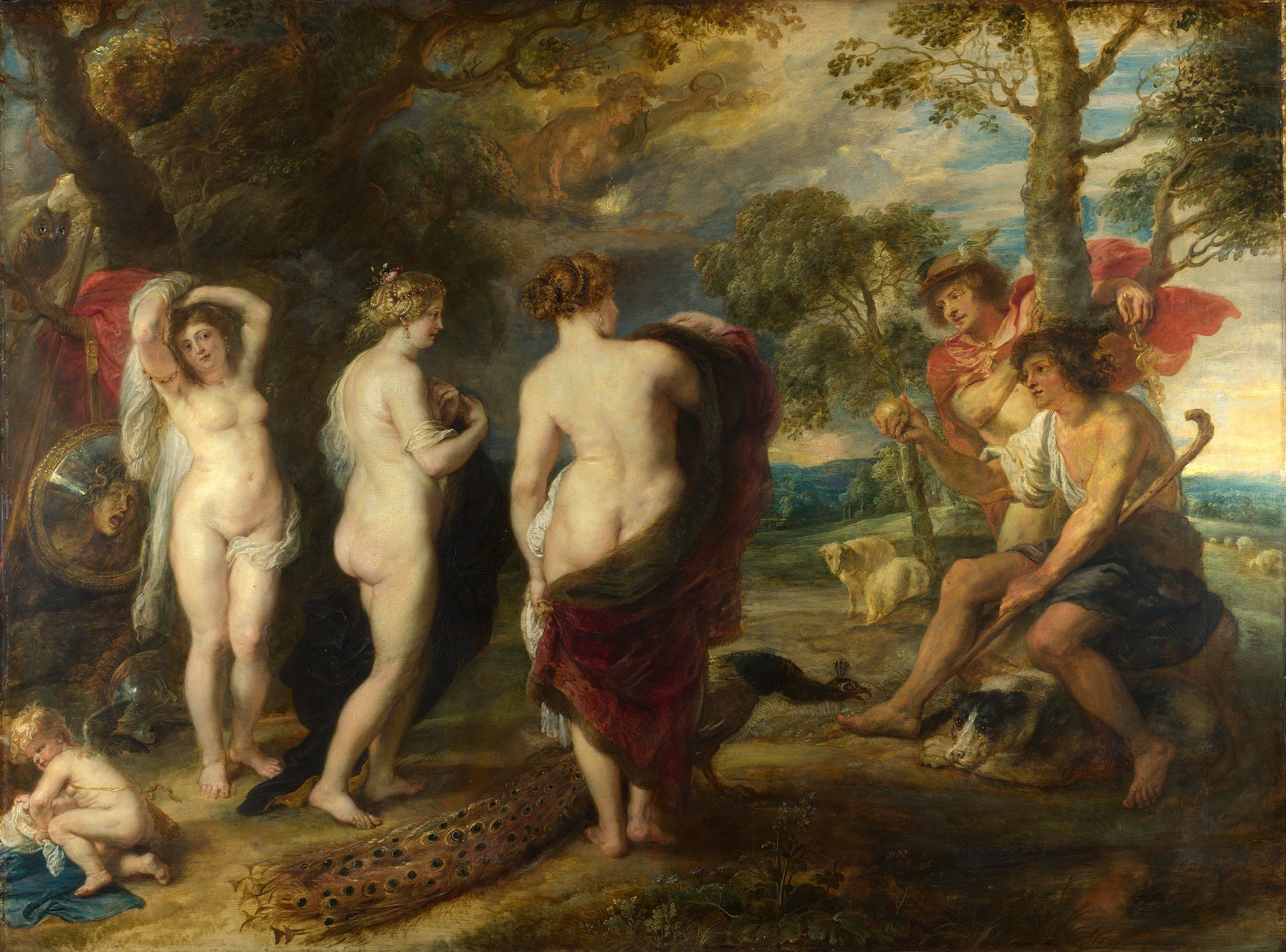
1341474857_large-image_amedeo-modigliani-nude-on-a-divan-1918-lggiacometti standing nudenevermores-l300wos 2 Bathsheba at her bath Rembrandt_Harmensz._van_Rijn_016wos 2 Rubens Judgement of Paris (3)

Here is a link to a Google search for images of women as portrayed in 1972 advertising: https://www.google.com/search?q=1972+images+of+women+portrayed+in+advertising&sxsrf=AOaemvJzgDDc5bJJHbfy94cMNXNKRhOY6Q:1641052576342&source=lnms&tbm=isch&sa=X&ved=2ahUKEwj23_qe9ZD1AhWMM-wKHZJhAwsQ_AUoAXoECAEQAw&biw=1367&bih=809&dpr=2

How does it differ from today’s advertising?

https://www.adcouncil.org/all-articles/10-historic-ads-that-moved-culture-forward-for-women

Chapter Two and Three, Women and Art

What It Feels Like To Be Human

A Golden Shovel

We set sail with Columbus in La Niña in 1492. In 1992, Sylvia
Wynter decides to work on a new interpretation of 1492. Wynter
says Columbus went ‘beyond the orthodox geography of the time’. She says
social status, desire for wealth, lust for gold makes him deconstruct
beauty and valour in Botticelli’s Venus and Mars, isolating the
girl so she’s central to a portrait and not part of the allegorical mechanisms
Botticelli intended. She’s beauty, he’s valour, surviving storms by
praying and sending a letter to Ferdinand saying belief saves him, which
keeps his rich patron happy, or he’s just lucky, we
will never know. In Ways of Seeing, John Berger shows that to continue
to isolate the girl so the bigger picture is lost, is to
believe Mandeville’s 1357 Book of Marvels and Travels, to make
a mountain of unmet urges, to kiss dragons, to make opaque
our desire to conquer damsels with too much treasure to
leave lying around in vaults in castles, to have it for ourselves
and to be lord of her and those islands we know as the
Caribbean. Mandeville doesn’t meet Hippocrates’ daughter. The reality
is there’s no Sir John Mandeville, that a travel book of
desires is constructed out of fantasies our
minds continue to trick ourselves into believing. On its own,
Berger’s gap between words and seeing reveals human agency,
self-delusion buried deeply along with
any sense of what it feels like to be human. We respect
Columbus for his valour, for his success in charting the way, to
draw a map of what it is to be Western, but his programming
ensures he doesn’t know what human is, and
being set adrift in oceans beyond ‘humanity’ ensures his reprogramming
never happens. He sails into oblivion with no sense of
how he cheats himself, blinded by potential riches our
Western world still thrives on, not facing up to his own
declining ecology, not curbing his own desires
for excess, not realising how his behaviours
are the problem, but succeeding in putting into the minds
of others how they should be transformed when we ourselves
need to be agents of change the
planet needs. So, I
set sail on this adventurous project and
wonder how to celebrate John Berger’s fifty years—the
word that comes to mind first and last is We.


Cy says:  “A golden shovel that uses Sylvia Wynter’s call for ‘deconstruction of the mechanisms by which we continue to make opaque to ourselves the reality of our own agency with respect to programming and reprogramming of our own desires, behaviours, minds, ourselves, the I and the We’.”

I lifted it from p192 David Scott‘s The Re-Enchantment of Humanism: An Interview with Sylvia Wynter:

https://serendipstudio.org/oneworld/system/files/WynterInterview.pdf

-Cy Forrest

https://poeticoceans.wordpress.com/2022/01/10/in-response-to-mr-paul-brookes-challenge-john-bergers-ways-of-seeing-day-2-women-in-time-and-changing-environmentswork-is-similar/

-Anjum Wasim Dar


The Ghul

I am called an attractive woman.
The male gaze stalks me.

Men say they need me.
They can’t do without me.

Tell me I give meaning to their lives.
I politely refuse, but they push.

Until they tell me I become monster,
When I say “No.” They tell me I snap their bones,

braise their sinew and muscle over fire,
Sup their blood. When I say “No” they say

I gouge out their heart and chew it raw
In front of their faces. When I say “No“,

they say I lick their bones dry, break them
To suck out their marrow.

They say I have goat horns above my gorgeous face,
a shaggy haired body and bandy bairns legs.

They can’t accept my refusal.

-Paul Brookes

Bios and Links

-Cy Forrest

is from Manchester but now living in Wiltshire. Poems in the Honest Ulsterman, IceFloe Press and The Wombwell Rainbow. Poems due to appear in Stand in 2022.

Acknowledgements

Nude by Picasso,

Nude by Modigliani, 1884- 1920 , Courtauld Institute Galleries, London38

Nevermore by Gauguin Courtauld Institute Gall eries, London 1848- 1903 ,

Nude Standing Figure by Giacometti , Tate Gallery, London

Bathsheba by Rembrandt van Ryn , 1606- 69 , Louvre , Paris

Judgement of Paris by Peter Paul Rubens , 1577- 1640,

National Gallery, London

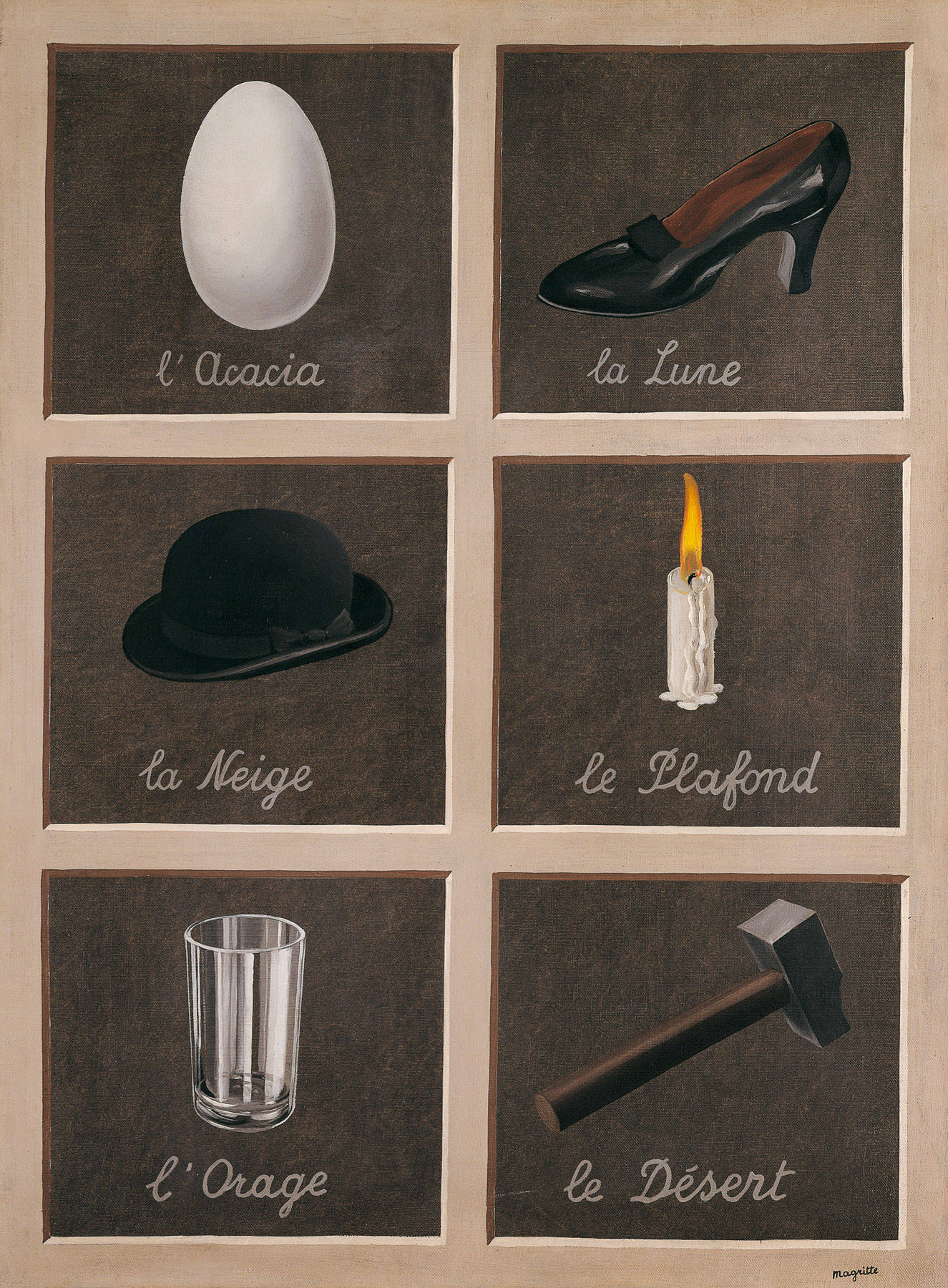
Responding to a Challenge by Mr Paul Brookes ~Wombwell Rainbows UK. In celebration of fifty years since John Berger’s “Ways Of Seeing” was broadcast in January 1972, how we might ekphrastically comment on the artworks he looked at, particularly painting and photography. The challenge January 9th-15th, The first day features Magritte’s “The Key to Dreams”.

anjum wasim dar's avatarPOETIC OCEANS

The Key to Dreamsby Rene Magritte was painted in 1930, and this picture made a huge step towards this French artist becoming a leading member of theSurrealistmovement.
Surrealism defies logic. Dreams and the workings of the subconscious mind inspire surrealistic art (French for “super-realism”) filled with strange images and bizarre juxtapositions.
Features of Surrealistic Art
Dream-like scenes and symbolic images
Unexpected, illogical juxtapositions
Bizarre assemblages of ordinary objects
Automatism and a spirit of spontaneity
Games and techniques to create random effects
Personal iconography
Visual puns
Distorted figures and biomorphic shapes
Uninhibited sexuality and taboo subjects
Primitive or child-like designs.

In response to the first prompt I have chosen the following photographs from my own work by the modern camera. As John Berger says that the invention of the camera changed the “way” we look at various objects and life around us.The world appears different and gives new…

View original post 221 more words

#WaysofSeeing50 #JohnBerger. Day One: Painting And Camera. In celebration of fifty years since John Berger’s “Ways Of Seeing” was broadcast in January 1972, I welcome writers and artworkers to join and contribute with Sarah Crowson, Cy Forrest, Yvonne Marjot, Anjum Wasim Dar and me in a week long look at what he had to say, and how we might ekphrastically comment on the artworks he looked at, particularly painting and photography. It would be ideal if you could read the book beforehand, but not necessary. The challenge will run from January 9th-15th, and use the artworks he used as a prompt for each day. The first day features Magritte’s “The Key of Dreams” “La Clef Des Songes” 1935 version. See below.

WOS front cover

The first episode of the television series expanded on ideas from Walter Benjamin‘s 1935 essay “The Work of Art in the Age of Mechanical Reproduction“, arguing that through reproduction an Old Master‘s painting’s modern context is severed from that which existed at the time of its making. Here is YouTube link: https://youtu.be/0pDE4VX_9Kk

Sarah Crowson first response to ways of seeing

-Sarah Crowson 

Sleep and Dream Again

I am The Key Of Dreams by Magritte.
I surveil my audience via facial
recognition and eye tracking, and
I see desire for completeness:
a bird is not a bird until it flies,
a door is not a door until it opens,
a horse is not a horse until
it rides into the sunset,
a clock is not a clock until
it counts down time,
my audience only exists if I can see it,
my poem only exists if the Poetry
Book Society recommends it,
history only exists if there’s a
concluding episode tomorrow,
and John Berger shows time not unfolding on the
horizon where it’s still 1492, and Christopher Columbus
believes his eyes and thinks he’s arrived in India
when actually it’s the Caribbean –
This miscalculation, these miles of
ocean, this way of seeing, this gulf of
unobtainable desires is right in front of
me now – and thousands of native nations still
tell Columbus the name for plants means
‘those who takes care of us’ –
Now, go to sleep and dream again.

-Cy Forrest

Perception

I am looking out of my kitchen window, neck craned slightly to gaze upwards at the pines overtopping the house on the hill. Their tops are swaying, caught in a wind I cannot feel from my sheltered spot. I watch their movement, understated at this distance, until a black speck or two rises from the branches: ravens, tossed in the wind which must be stronger than it seems.

I imagine myself in the raven’s eye, high above the canopy, looking out over the cliff edge to the sea, to the far shore, to the distant mountains, the tallest of them crowned with fresh snow. I feel how very tiny I am.

From the cupboard I pull out the birdseed bucket and fill a jam jar. I open the back door and step into the garden. The frost is hard on the grass, and a small flock of chaffinches whizzes up from under my feet and scrambles away into the hedge. A blackbird shouts in panic, warning everything in earshot that a stranger is come.

But the robin freezes on the fence-post, one black eye fixed unerringly on me, watching to see what I will do. And all of a sudden I feel huge, monstrous, out of all proportion. A giant intruder in the small, intimate world of the garden.

Who am I? The clumsy invader of songbird space? The mote in the raven’s eye? How is it that birds can transgress the boundaries of perception, where we earthbound wonderers get stuck in our ruts, forget to see ourselves in any other way than the way we have been imagining since the last time we looked in the mirror?

The bird’s eye is a perception filter. And I am only the image of its fear.


-©YMarjot2022

https://poeticoceans.wordpress.com/2022/01/08/in-celebration-of-fifty-years-since-john-bergers-ways-of-seeing-was-broadcast-in-january-1972-how-we-might-ekphrastically-comment-on-the-artworks-he-looked-at-particularl/

-Anjum Wasim Dar (Link to a combination of images and words)


That Horse Is (a response to Magritte’s “The Key of Dreams” “La Clef Des Songes” 1935 version)

the door, sometimes left ajar,
sometimes shuts out the gust.
has a lock you must find
the correct key to open.

That clock is

the wind. A wound up gust
whose hands move
at different speeds, mark
duration by their flow.

That jug is

the bird that all pass by.
If it contained milk they might
pour out a mouthful or two
before it flew away.

That suitcase is

the valise. It may be packed,
ready for the wind to be right,
for opening and riding away on the door,
emptying the bird to fly like a jug.

-Paul Brookes

Bios And Links:

-Cy Forrest

is from Manchester but now living in Wiltshire. Poems in the Honest Ulsterman, IceFloe Press and The Wombwell Rainbow. Poems due to appear in Stand in 2022.

-Yvonne Marjot

is a lost kiwi living on the Isle of Mull. Poet, author, librarian and escaped botanist: her poems are intimate and personal, and often link the natural world with mythological themes. She is especially fond of selkies.

 Her first collection, The Knitted Curiosity Cabinet, won the Britwriters Prize for Poetry in 2012. She is fascinated by the interface between human mind and the physical world, and her poems often have a scientific or mythological theme.

Path Through Wood by Sam Buchan-Watts (Prototype)

tearsinthefence's avatarTears in the Fence

In the opening poem of Sam Buchan-Watts’ debut collection, ‘Lines following’, we accompany the narrator into a wood where:

The way into the woods is in a way

to go around the woods: the woods are always in the way

if you’re in them (if they’re woods).

The poem recreates the experience of a place rich in memories but which also eludes us, a space we feel we ‘never really entered’. ‘Lines following’ could be a metaphor for the volume as a whole, individual pieces managing ingeniously to ‘go around’ their subject even as we are ‘in’ them.

The second and third poems in the book stay with the image of woods, ‘ballad’ evoking childhood memories, and ‘The Days Go Just Like That’ (the title in quotation marks) recalling adolescence.Later in the collection there is another poem entitled ’The Days Go Just Like That’ (this time without quotation marks) which…

View original post 596 more words

L’Italie London by Ariadne Radi Cor (Knives Forks Spoons Press)

tearsinthefence's avatarTears in the Fence

Controlled nostalgia suffuses the fourteen poems of Ariadne Radi Cor’s new collection. She moved from Trento in northern Italy to London in 2009 to pursue her new job’s projects. In this journey towards a new life in a big city, the author expresses the disquieting sensations of the duality of language, landscape and weather in the interweaving of past memories and present reality. The two worlds are in conversation but never merge completely, leaving the self in an uncertain suspended dimension. The book is bilingual; not only are the poems translated into English by the author with the help of translators, but also the blurb, the foreword and the afterword are presented with an English counterpart.

The future is a faraway entity that is unknowable and unpredictable. Therefore, the focus of the poems is on the present in relation to the past which is unforgettable and is surrounded by an…

View original post 536 more words

Desire Paths by Andrew Martin (Shoals of Starlings Press)

tearsinthefence's avatarTears in the Fence

Andrew Martin’s new collection is from the pen of a modern lyricist who tips his cap to John Clare and Edward Thomas while having a thoroughly contemporary take on things. While ostensibly about the natural world his work is imbued with deep feeling and a sensitivity which verges on the vulnerable.His use of imagery has a minimalist precision and combines an aesthetic beauty with an approach to the world which contrasts the internal with the external in a manner that is fresh and approachable. The reader is constantly surprised and challenged into seeing the world anew and perhaps into rethinking preconceived positions. Martin also designed the cover art and book layout and he has a real flair for typography.

walking the worn edge

I’ve unseen things

you believed in

doves on fire

wings shredding

in the belly of Betelgeuse

I’ve heard waves

shadow-shimmer in daylight

far from the desire paths

View original post 468 more words

In Her Terms by Toti O’Brien (Cholla Needles)

tearsinthefence's avatarTears in the Fence

To experience Toti O’Brien’sIn Her Termsis to enter into the physical and mental space of someone else’s reality, to feel what it is to be that person, the good and the bad. This collection is about many things, but much of it comes down to what it means to be a human being today. Much of that is made explicit by the way she relates to the physical world within her body. We are allowed to see both the pleasures and pains of staying alive. Equally, she invites us into the vastness of her intellectual and emotional world as she discusses what it means to be a multilingual artist.In Her Termsis an inside, often gritty, often exuberant look at what it means to live the life that she has lived.

     Part of what drew me into her collection is the way that O’Brien allows me to…

View original post 369 more words

We Celebrate: Haibun

merrildsmith's avatarYesterday and today: Merril's historical musings

Foggy New Year

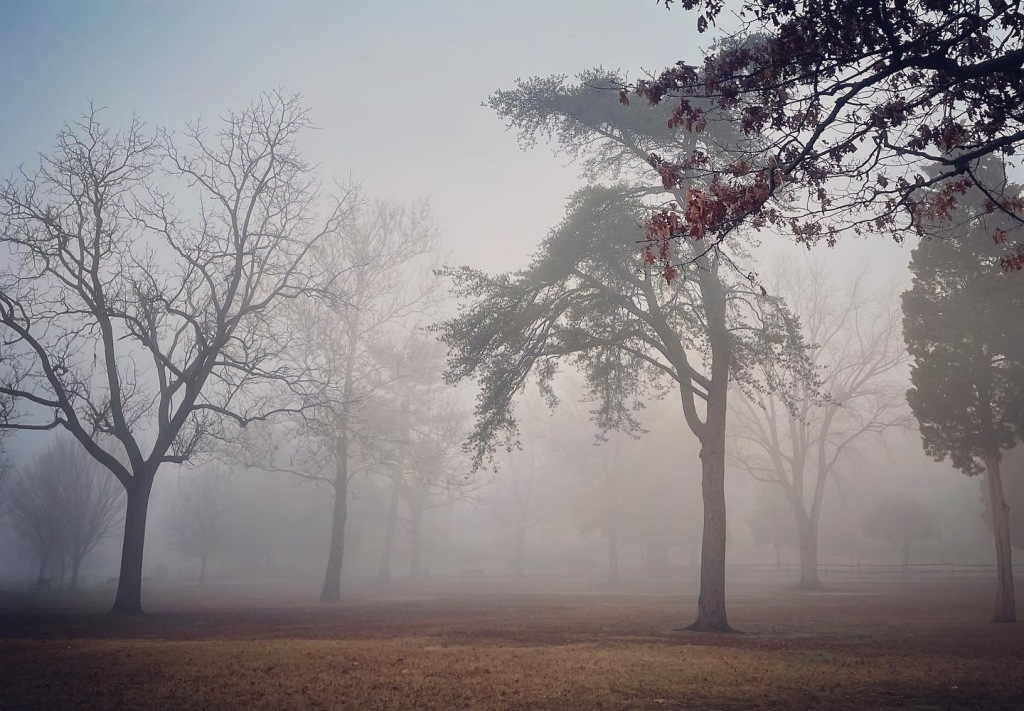
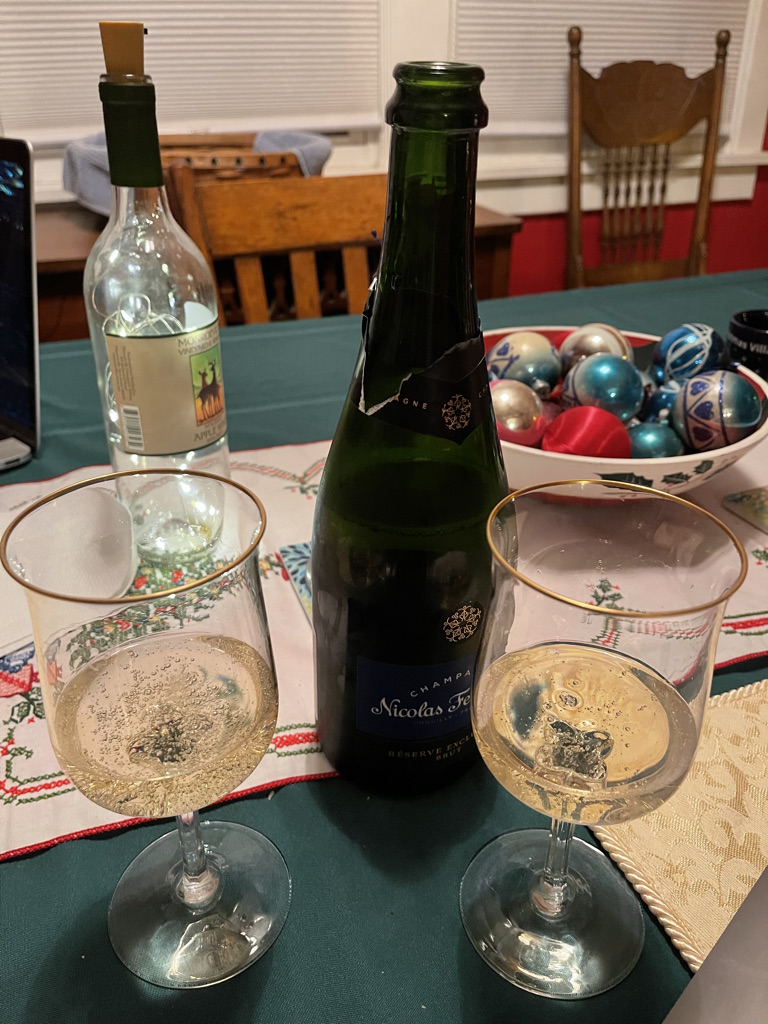
New Year’s Eve Day is foggy and warm. My husband and I eat Chinese food for dinner, our decades-old tradition. We drink champagne while we talk to our children and their spouses on Zoom. Our son-in-law’s parents join us, and it’s good to see them, too, after so long. We light the Shabbos candles and speak of what we’re grateful for—that we’re together, healthy, and that our pets are with us, too. This is what we celebrate—life going on, light in the darkness. Later, we say goodbye to 2021. Though 2022 seems scarcely better, who know what the future brings? The sun and moon still rise and set.
And there is champagne.

fog-obscured
river a mystery—
beckoning

For dVerse. Earlier today, I couldn’t get WP to work, and now there’s no problem. Oh, there are definitely WP gremlins!

View original post