Four Poems by Pamílèrín Jacob

robertfredekenter's avatarIceFloe Press

Disillusionment Sutra


The smallest unit of hope
is fantasy—

I am wishing again for peace
though the razor, some minutes
ago, was pulled out of my right thigh,
stained. I

want to believe
loneliness, gutted, will reveal
the primacy of devotion, that
the body, in the absence of hands
holds itself. But look,

all this red, I am cordial with
disillusionment. Sometimes, all

a metaphor does is sharpen grief
or give it a new name. The truth is

all my life, even as I hewed
my childhood out of its innocence

I was a captive of tenderness
but mistook its shimmering
for the backside of an elegy.

The Sutra on Paternal Yearning


Always, I try to touch my father
but it is his religion I grasp, the insides
of his psalms, & benedictions.

My wet, tired, arms. It is their duty
to translate thunderous amens to warmth,

to echolocate his…

View original post 335 more words

..day 110..

Sonja Benskin Mesher's avatarsonja benskin mesher

110..

yes. when i go visit, go further i shall stop counting

in wales it is hoped that this may be so
that we may visit one other household
be part of that .even stay over

the day is yet to arrive

i enjoyed my garbage run james
we call it recycling and very well
organised

another trip out that left me buzzing

things can change
and if they do

the counting stops then

the laptop is in disarray
so I tap here neatly by phone

it feels neat and particular
With little noises to accompany
james

and more help with the spelling

it gives me capitals so I change them quickly 

I wonder if I will visit tregaron this fall
go to lampeter to see if the walnut tree
has anything for me

betwixt the mobile and laptop
things come awry and we leave it so

the random nature…

View original post 4 more words

Wombwell Rainbow Interviews: Caleb Parkin

Wombwell Rainbow Interviews

I am honoured and privileged that the following writers local, national and international have agreed to be interviewed by me. I gave the writers three options: an emailed list of questions or a more fluid interview via messenger, or an interview about their latest book, or a combination of these.

The usual ground is covered about motivation, daily routines and work ethic, but some surprises too. Some of these poets you may know, others may be new to you. I hope you enjoy the experience as much as I do.

Caleb Parkin picture

Caleb Parkin

is a day-glo queero techno eco poet & facilitator, based in Bristol. He won second prize in the National Poetry Competition 2016, first in the Winchester Poetry Prize 2017, and various other competition shortlists. He has poems published in The Rialto, Poetry Review, Under the Radar, Butcher’s Dog, Coast to Coast to Coast, Strix, Magma, Envoi, Lighthouse, Finished Creatures, Tentacular and Molly Bloom. He tutors for Poetry Society, Poetry School and First Story. In 2019, he completed an MSc in Creative Writing for Therapeutic Purposes through Metanoia Institute and was awarded Arts Council DYCP funding to explore queer ecopoetry in his first collection. From October 2020, he’ll be the third Bristol City Poet.

The Interview

1. What inspired you to write poetry?

I really started to get into poetry as a teen (as lots of poets do, I suspect). At the time, your GCSE English Language could be a longer-form piece of work which, for me, was a folder full of poems. I found it not long ago, with various early experiments with poetry! That definitely set something in motion for me, for which I’m really grateful. My family are really wordy, though I’m the only big ‘w’ Writer – we’re playful about language and absurd humour, all of which finds its way into my writing.

2. Who introduced you to poetry?

My earliest memory of poetry is likely my elder sisters reading me silly poems and stories – one I especially remember about a duck, where she’d replace a lot of the nouns with things like ‘pots and pans’ to make it really surreal. Which I loved, and still do.

At secondary school, it was my English teacher, Mr Charleston (see above re the GCSE task). Actually, I re-met him in the last couple of years when performing at Poetry in Aldeburgh (I’m from the Essex-Suffolk border). It was delightful to reconnect in the context of being an adult, practising poet – a path he was very instrumental in setting me on. He’s running a bookshop now, of course.

3. How aware were you of the dominating presence of older poets?

If you mean, by the ‘canon’ – then I guess the curriculum is set up to really push those now, to its detriment. It wasn’t quite as such growing up – but being state schooled during the Section 28 era (which was only repealed in 2003, to many people’s surprise) there was a total lack of queer poets or very little queer culture on my horizon growing up. Some of the work I do now with school sessions is certainly about redressing this balance, offering students a wider range of queer and intersectional poetry voices.

Thankfully, I did have other experiences and exposure to poets and poetry, including a reading I remember at Colchester Sixth Form College with John Cooper Clarke and Martin Newell, supported by the now very well-known Luke Wright – who was in the year above me at College! (He got straight on with the poetry, whereas I meandered off before coming back to it…)

4. What is your daily writing routine?

Oh gosh, I don’t have one! It varies hugely for me. I go through cycles of being more generative, then periods of time where I’m focused on editing – which I view very much as part of the writing process. I like Don Paterson’s idea of the ‘wild red eye’ of writing and ‘cool blue eye’ of editing – often too much focus is placed on the former. That inspirational phase of writing is important, but there’s a whole load of other ways to be nourishing your writing skills and ‘craft’. So whether I’m writing, reading poems or criticism, critiquing other poets’ work, researching a course I’m hosting…Is see it all as part of being a poet.

5. What motivates you to write?

For me, poetry is a way through the world. In my own practice, it’s helped me to process experiences by containing them and extending a hand to others through that poem. So there’s a wellbeing aspect, for sure (I graduated with an MSc in Creative Writing for Therapeutic Purposes in 2019). Sometimes when I haven’t been writing much, Poetry feels like it’s following me around, tapping me on the shoulder. And then I have to pay attention to it.

When I do sit down to write, it’s usually great fun – I love the surprises that crop up when you write, the way the thinking and mechanical action of pen on paper, flow together. By practising this regularly, there are those moments where something pops out and you feel like you downloaded it from a spaceship. Something numinous, but which also has the beginnings – with crafting, editing – of articulating exactly what you wanted.

6. What is your work ethic?

I view writing and tutoring/facilitating/education as two wings on a bird/plane. When I’m researching a course, I’m still involved in poetry and ‘being a poet’. There’s this idea of a ‘network of enterprises’ – or a portfolio, most people call it – and I like having lots of things on the go (up to a point). Working full-time in one place never suited me, so I’m delighted to largely structure my own time and order my work in a way which feels sustainable and enjoyable. Most days, the joy of this carries me through and I get a lot done!

I also view myself as part of an ecology, so really like making time to join people up, spot ways that people might collaborate, generate my own collaborations, and so on – in order to be a part of that ecology. This is also part of the work of being a poet, I think, and what makes it such a lovely world to be in. It’s not a ‘zero sum game’! There’s not a finite amount of poetry or creativity or joy – they’re endless, and we should work to share them, celebrate each other and create opportunities.

7. How do the writers you read when you were young influence you today?

Growing up, I read widely and particularly enjoyed those infused with sci-fi, fantasy and the surreal. These included Kurt Vonnegut, H G Wells, H P Lovecraft; I love Margaret Atwood as a writer who spans amazing fiction and poetry – and still enjoy her work now.

As a teenager, I read ‘Beloved’ by Toni Morrison as my A-Level personal study and remember reading it in bed and weeping, especially some of the chapters where Morrison experiments with voice and form so effectively and affectingly.

Poetry-wise, I liked (and still like) contemporary stuff which plays with form, language and experiments with what a poem can be. Moments of E E Cummings appearing on the curriculum were those where I really perked up and often I’m looking to make free with language like that, while still reaching a reader – which Cummings’ work does so well.

8. Who of today’s writers do you admire the most and why?

I do think we’re in a lineage and various traditions, blends of tradition, and that includes of queer poets – so I wish I’d been more aware of those who came before me, but am catching up now. The contemporary queer poetry scene is incredibly rich and writers like Ocean Vuong, Danez Smith, John McCullough and more particularly inspire me to push what I do with my own practice further, to write better and take more risks. From a ‘leisure reading’ perspective, I adore David Sedaris for his ability to balance wicked, incisive humour, with poignancy and bathos – the way he can turn in a moment. Sometimes I’m looking for that in my poems too.

9. Why do you write?

I think I’ve mentioned this above, but a big factor is enjoyment, play and experimentation. Not knowing where an idea will take you is so invigorating – and then when that’s really developed and gets shared and someone gets it, or really doesn’t! Those are really exciting moments in human connection, including where it connects with something in someone that isn’t easy, or might be a point for discussion. (I’ll always say that in workshops when we read a poem: do you like it? Do you really dislike it? Both are useful.) Poetry opens out questions and I’m hoping to do that with my work – especially in my new role as Bristol City Poet – while also, yes, making people laugh and introducing them to new, peculiar ideas.

10. What would you say to someone who asked you “How do you become a writer?”

Eek! There’s so much to this. It depends on what you want to write and why, of course.

If you’re in poetry, then you’ve got to know that it’s the thing you’re here to do and that you’ll do it anyway, even if poetry ‘success’ never arrives. But if you are committed to it and keep learning, growing, practising, then as I said above, I think, hope, there’s plenty for everyone.

As a poet friend of mine said, “There are contexts in which it’s much easier to be excellent”.
There are lots of structural reasons why some poets find it harder to get on than others (race, class, gender, geography, dis/ability, sexuality, and so on) – so I don’t want to seem glib about this. These factors can make it even harder to access opportunities; there are subtleties to all of these facets of identity; and intersectional identities (ie which span more than one of these tags) exist and need to be heard!

As such, I’d say to find your network and support, find those who are prepared to offer their experience and knowledge, establish that community – this will definitely bolster your confidence, resilience and potential. Groups like Malika’s Poetry Kitchen have been powerful in raising up voices that the wider poetry scene has missed out on before. It’s not just as simple as keeping at it – but building your networks will help you to do so.

From my perspective, being part of a critiquing group and tutoring/facilitating have been crucial in developing my work and making it sustainable. Making a living through poetry can be hard, so having the ability to host groups is important – and again, there are structural factors which prevent some poets becoming teachers.

I’m just in the process of setting up a couple of lots of free mentoring, for those who can’t access training or mentoring, to support specific skills in submitting work and facilitating groups – so I hope that this does a tiny bit to address this. I’ve benefitted from mentoring and training a great deal, so this is an effort to pass that on. I’ll post this up on my Twitter once this is good to go!

11. Tell me about the writing projects you have on at the moment.

The big news is that I’ve just been appointed Bristol City Poet for 2020 – 22! I’m really looking forward to writing poems for the city which reflect on, celebrate and challenge what’s happening in the city I’ve made my home.

My pamphlet is in process and should be out with tall-lighthouse press, in the first quarter of 2021 – more on that as it emerges.

For the last year or so, I’ve had some Arts Council England Developing Your Creative Practice (DYCP) funding to write and edit a collection of poems around queer ecopoetry. This has been such a gift and the work has really progressed – I’m excited to see it evolve into a full-length publication. It feels like something really distinctive and unique is emerging.

I’m also involved in various poetry education projects, including the Beyond Words programme with Cheltenham Festivals, tutoring for Poetry School, a ‘Queering the Museum’ commission with Royal Albert Memorial Museum (RAMM) Exeter – and investigating setting up an online Writers in Museums Network. I’ve probably forgotten something, but that’ll do for now.

More about my network of enterprises at: www.couldbethemoon.co.uk

Or find me on Twitter @CalebParkin or Insta @Couldbethemoon

..day 109..

Sonja Benskin Mesher's avatarsonja benskin mesher

..day 109..

i have counted & now
the counting stops soon

as

all is changing

i cleaned the kitchen yesterday
thoroughly
while outside it rain
quite thoroughly

i find that soon i may visit my
family, not be solitary

that i may travel further
that i must still be very
careful

so i cleaned the kitchen
thoroughly
and wondered about it all

i had got used to it james
quite used to it even
enjoyed it

therefore
i shall also make changes
now the kitchen is tidy

one +

shot_1352188558571

View original post

Nine Poems by Rose Knapp with an art work by Robert Frede Kenter

robertfredekenter's avatarIceFloe Press

Metamodernist Gnostic Vsrses


Asymmetrical asylum schizophrenic
Atomic Thomistic Information Age

Afghani racing thoughts racist subliminal

Demiurge dissociative apocryphal
Song of Songs cantos Acanonical

Magik magus’ halving Hellenic stalves
Hallucinatory hallowed Valentinus

Gnostial Gospels
Adonai Adorno Ad

Vermillion verses Heraclitian Augustinian automatist

Naga Narcissi Nagasaki
Surrealities Plurabelladonna

Nightshade Nero auto da Faye Augmentation

Heresies of Inverses historiographic

Poetically crystalline pristine prismatic pyramidal Pythia

Maniacal Czech cackling Affectivity Avignon absolutions absolutist

Absinthe verities Venus’ datura Datasethian Vicar Vis a viit idian

verisimilitude Assuming neon
neoplasticism

Neo-Plurabell platonic Forms
Neologisic neoplasmatic

Pegasus prismatic Prague
Prayerful contemplating

Voodoun Jamaican Jamesian Eschaton
Eschatological imperial imperativity

Via Nova Gnosis


Catatonic Cathay Cathar
Cis cityscape citadel
Vivarium vita nova gnosis

Schizoaffective


Maniacal cacophonous cackling cabalistic
Schizoaffective hallucinatory
Gravitational swirling sharp shadow DÆmons

Eckhartesque


Splitting delirious selves
Segment segregationist

Serpentine kerosene ketamine
Electronic electric Eckhartesque elves

Agnostic Singularities 


Agnostic Agni assonance
Distortion rings Dadaist acid

Asymmetrical pyramidal Pythia

View original post 173 more words

New #Arachnids Are Not Insects Day poetry challenge featuring Z D Dicks, Rachael Ikins, Anjum Wasir Dar, Ankh Spice, Carrie Etter, Debbie Strange, Neal Zetter, Lisa Johnston, Amy Evans Bauer, Lucy Whitehead, Colin Bancroft, Ankh Spice, Jim Start and myself. This is a totally separate opportunity from the insect challenge. No insects are here, except as prey. Submit your Spider poems here.

Monday: Spiders

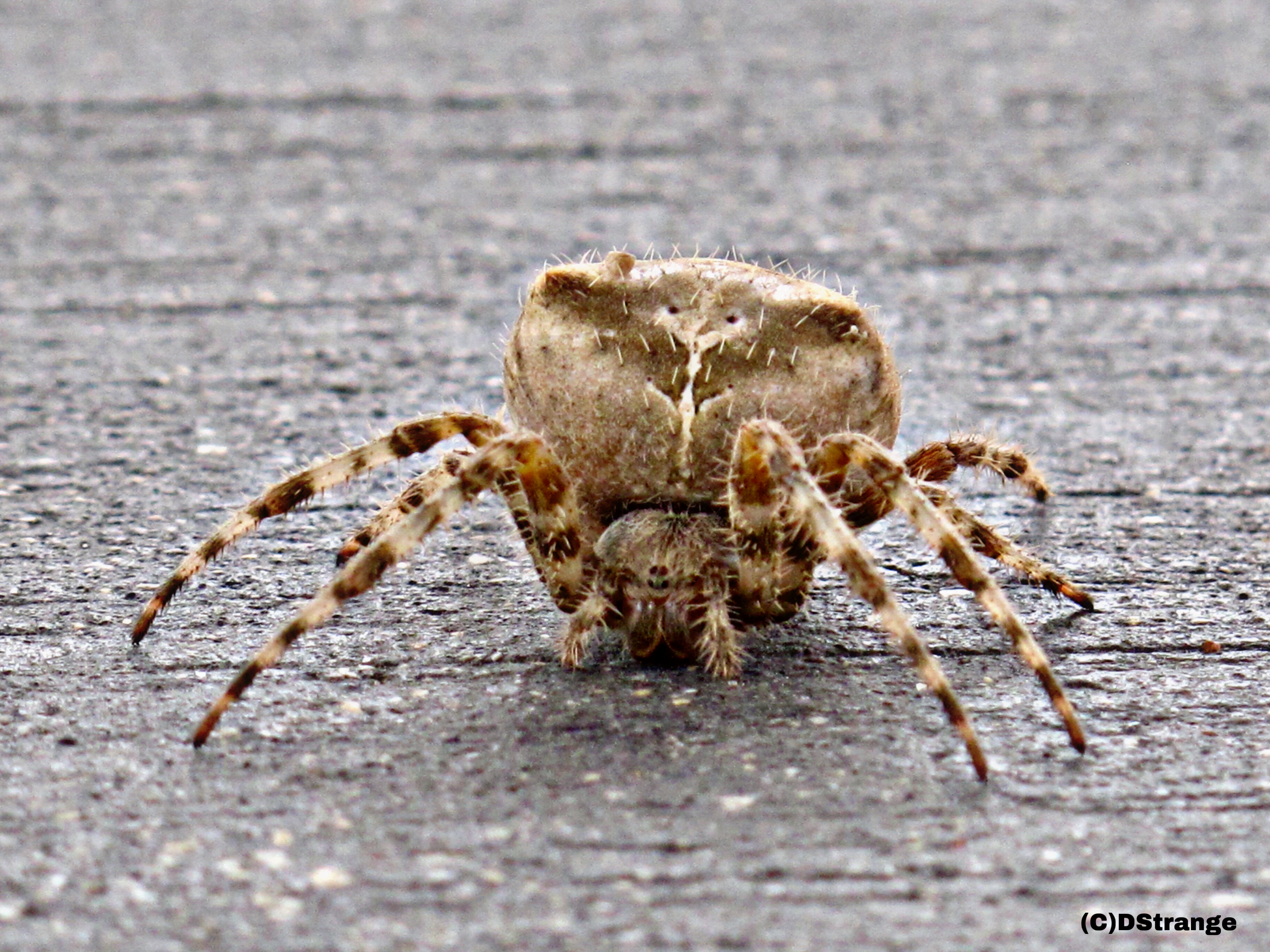
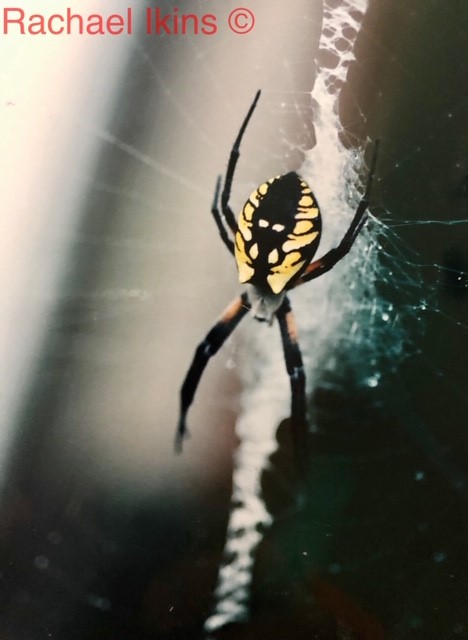
Rachael Ikins orb weaver

Orb Weaver by Rachael Ikins

image0

Spider by Debbie Strange

a spider web

strummed by soft breezes . . .

we can

almost hear the song

of morning dew

Ephemerae 1C, Nov/18

-Debbie Strange
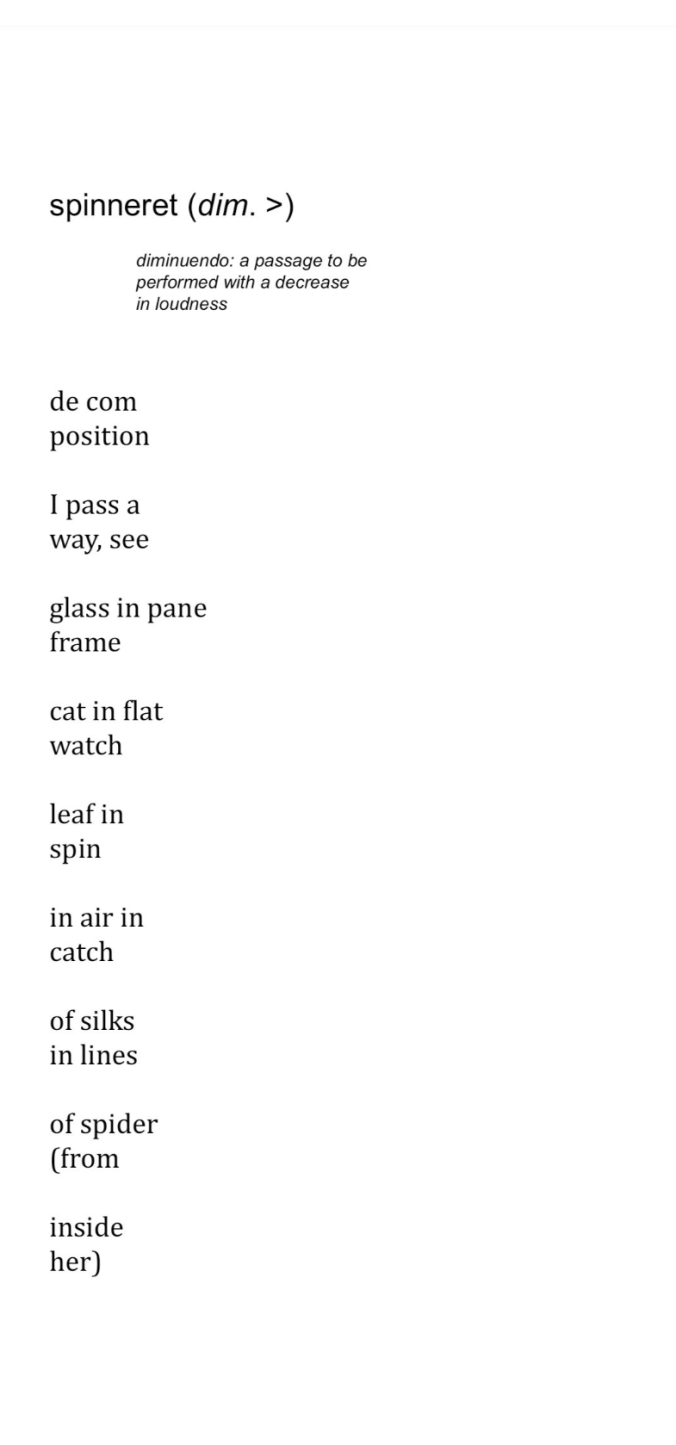
Amy Evans Spinnaret

-Dr. Amy Evans Bauer

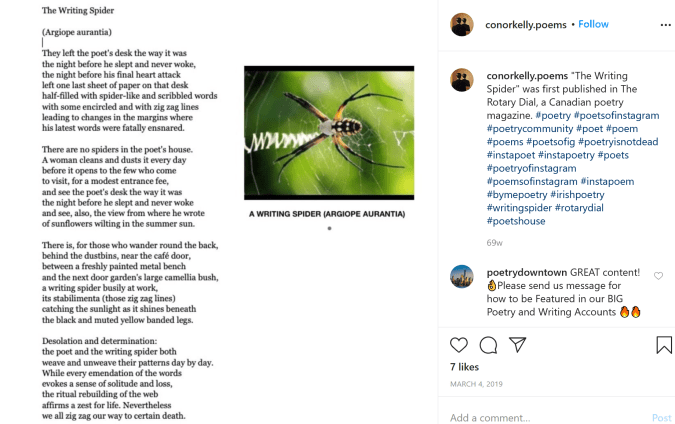
Conor Kelly The Writing Spider

-Conor Kelly

Karner Blue

‘…a place called Karner, where in some pine barrens, on lupines, a little blue butterfly I have described and named ought to be out.’

Vladimir Nabokov

Because it used to be more populous in Illinois.

Because its wingspan is an inch.

Because it requires blue lupine.

Because to become blue, it has to ingest the leaves of a blue plant.

Because its scientific name, Lycaeides melissa samuelis, is mellifluous.

Because the female is not only blue but blue and orange and silver and black.

Because its beauty galvanizes collectors.

Because Nabokov named it.

Because its collection is criminal.

Because it lives in black oak savannahs and pine barrens.

Because it once produced landlocked seas.

Because it has declined ninety per cent in fifteen years.

Because it is.

– Carrie Etter

Early morning sailing

This ship of bones slips its moorings,

unslept, mapping wet

green currents

from porch to fence. In the east wind

of a new day all at sea, an orb-weaver

has draped her gifts; kind spokes

for my navigating. A dewed abacus, hawsers

struck with light – this vessel will hold

for one more day.

So if I ever tell you

‘I am tired of spiders’

their shimmerstring snares set

to catch the earth’s exhales, as morning

kicks open every sense

with the stupid magic of sailing bodies,

if I ever tell you this, know

there is a poet’s husk to plant –

stake out his ribs

for the finest webs.

-Ankh Spice

Tarantula Down Your Toilet

I’m the tarantula down your toilet

Your prowler in the pan

I want to bite and frighten you

Whatever way I can

I’ll nibble on your bottom

I’ll stalk you on the seat

‘Cause yes you’ve guessed

That human flesh

Is what I love to eat.

I’m the tarantula down your toilet

I’ve chosen here as home

Don’t linger on the loo too long

While playing with your phone

For when I’m feeling hungry

My fangs will make their mark

You’d better switch the light on

If you enter after dark.

I’m the tarantula down your toilet

You’ll hear me splash about

Prod me, poke me, push me

But I’m never moving out

I could live in your cupboard

Your kitchen, loft or shed

Yet in this bowl is where I roll

And where I’ve made my bed.

I’m the tarantula down your toilet

Who’s causing you dismay

Don’t get ideas to calm your fears

By flushing me away

My kingdom is your bathroom

Where I can wander free

So pick a new location

When you have the need to pee

-Neal Zetter

Arachne

Weave words into each web

Those that ask forgiveness for mortal misgivings

Lintel scaffold with hanging thread

A grim reminder of shame and pride

Athena’s touch brought life

But what life is this trapped in tragic tangles

Where snagged raindrops mimic tears

Their wet globes a shining taunt to eight dry eyes

Feel vibrations shimmer silken lines

Heavy with cocooned memories

Mummified bundles of what came before

And will now never return

Tapestries woven on two legs

Whilst fast fingers wound warp weights

Sunlight spun into yarn as it warmed skin

Wisps of cloud layered in to lighten fabric

With colours added from rainbow wild flower palette

Its joyous creation celebrated with birdsong

As nature marvelled at how such beauty could appear from human hands

And what beauty it was, enough to turn a gods head

That too much was said from those ungrateful lips

Challenge came and judgment passed

Loom lost to goddess’ fury

So now all that’s left

Is that daily task of radial construction

Abdomen’s endless thread guided by leg

to form hypnotic spiral

Hung out as a handkerchief

A catch all for housemaids curses

-Lisa Johnston

Spider

I am watching a spider crawl

in circles, anticlockwise,

toward the centre of its web,

meting out its sticky silk,

deft legs weaving the thread,

pulling the weft taut, letting it go,

while wind buffets the doily

of elastic lace,

an almost invisible spiral

against the grey-bright clouds

woven so tightly it could trap

the tiniest wings.

Two centimetres from the centre

the spider stops and leaves a gap,

weaves itself a little seat,

a transparent lily pad. I wonder

if it grew tired, on the hottest

day of the year, or decided

to weave some emptiness

into its web

to let the breeze

blow through.

(A version of this poem was originally published in Amethyst Review, Ed. Dr Sarah Law, 19 December 2019)

-Lucy Whitehead

Spider in the Bath

We have all known the context of its struggle;

Up through the tunnelling darkness

Towards the smallest mote of light.

How long it climbs

It cannot say, nor know anything of destination,

But it is compelled to move upwards to brightness.

And when it stands in the abyssal white plain

And sees nothing but the curvature of space and time,

The dumb blankness of the world it has inherited,

That it has earned from its journey through blackness,

What can it do but wait, stupefied by the truth

Of an existence that tilts on the presence

Of a fate that comes to scoop

It up and drop it out of the window, back to a world

Coloured with distractions, wrapped in the shawls

Of infinity.

-Colin Bancroft

-ZZZHuntsman Spider poem by Z D Dicks
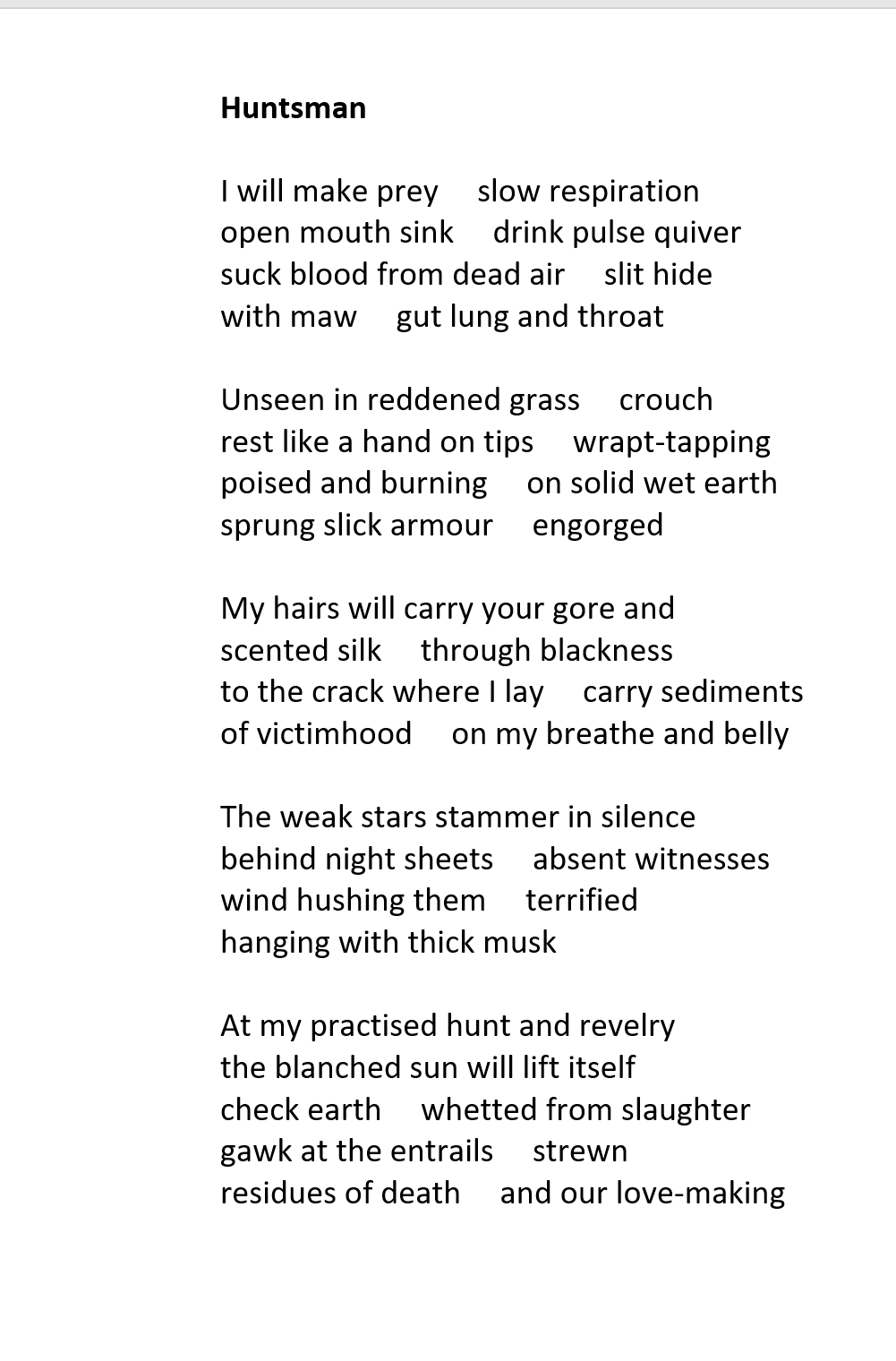
-Z D Dicks

Brotherhood of All Colors

With the advantage of two, antennae less,

With a desire for a journey to Antarctica

I, Loureedia Phoenixi just arrived from Iran

named after the famous actor villain ‘Joker’

For the Lord made me in the same image

with the red and white face, but black legs

I am not a racist spider, never would be, I

love all company, except ‘black widow’ and

‘Brown recluse’ both harm humans, both

live in the states, a family of Anthropods

‘hearing by the hair’ we velvet spiders are

charming and rare, collectively caring and

Community builders, striking a brotherhood

all colors, white black red white and brown.

Tiny but powerful, amazing in design and so

unique in action for three weeks on ground

You can see the movie Joker, but to see me

you will need a powerful magnifier machine

A spider with a strong velvet dress, a job to

contain the insects from devastating harvests

Discovering Loureedia spiders is challenging

for most of the year we rest in subterranean nests.

Anjum Wasim Dar

Copyright CER 2020

Eight Long Legs Adorned with Hairs

In corners of rooms and hidden under stairs
Under your bed , inside your shoe !!
Hairy ? , scary ? Monster ?
No it’s not true !
See me as your friend, a quiet housemate .
Won’t see me in the daytime , only when it’s late

=Jim Start

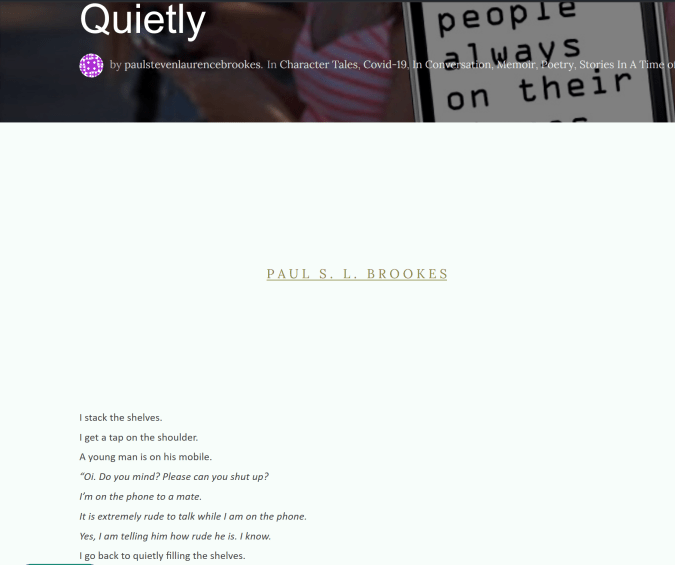
Pale Skin Over Bone

No muscle.

His arms a blackbirds legs.

With each visit his skull

more defined in hollows.

He says I have spiders

in my eyes even when I wear glasses

He asks for his specs cleaner.

and the blue plastic bowl

that blows.

-Paul Brookes
Camera360_2015_6_2_083945

Bios And Links

-Lisa Johnston

is based in the West Midlands and started writing poetry two years ago. She enjoys taking part in local Spoken Word events and recently appeared at PoArtry for Wolverhampton Literary Festival 2020, There is No Planet B, World Poetry Day, Positive Poetry, MHAW and World Oceans Day. Her work has been included in anthologies and most recently as part of the Haiflu project, a national project recording poetic responses to lockdown. She currently works to promote arts and culture in her local area through community projects.

-Carrie Etter

has published four collections of poetry, most recently The Weather in Normal (UK: Seren; US: Station Hill, 2018), a Poetry Book Society Recommendation. Her poems have appeared in Boston Review, The New Republic, The New Statesman, The Penguin Book of the Prose Poem, Poetry Review, TLS, and many other journals and anthologies internationally. Her next publication is a pamphlet, The Shooting Gallery (Verve, October 2020), of two series of prose poems exploring the conjunction of youth and violence.

=Jim Start

is 39 from Cornwall. He is a lorry driver who writes poetry and is also working on an adult book about child abuse and a children’s book

-Amy Evans Bauer’s

recent and umbels (Jonathan Williams prize, Shirt Pocket, 2020) follows PASS PORT (Shearsman, 2018) as part of her at-sea SOUND((ING))S. Her poetry includes Stalking Gerard Manley Hopkins (Woodland Pattern, 2016), and features in Poetics for the More than Human World (2020), Chicago Review, Molly Bloom and elsewhere. https://goldsmiths.academia.edu/AmyEvansBauer

Bitter Grass by Gëzim Hajdari Translated by Ian Seed (Shearsman Books)

tearsinthefence's avatarTears in the Fence

When in 1970 Isaiah Berlin delivered his Romanes Lecture on the subject of the Russian novelist Ivan Turgenev he emphasised the writer’s refusal to be drawn into the world of politics:

‘Nature, personal relationships, quality of feeling – these are what he understood best, these, and their expression in art…The conscious use of art for ends extraneous to itself, ideological, didactic, or utilitarian, and especially as a deliberate weapon in the class war, as demanded by the radicals of the sixties, was detestable to him.’

Six years after Berlin had delivered his talk the young Albanian poet Gëzim Hajdari was in his last year at high school and completing his volume of poems Bitter Grass. It was not permitted to be published by the government publication house in Tirana on account of it being a text that failed to deal with the theme of the socialist village and the…

View original post 574 more words

..day 108..

Sonja Benskin Mesher's avatarsonja benskin mesher

.day 108.

our thinking changes over time
doesn’t it?

these quiet times of isolation have
affected some
and they become startled at what is
still going on outside

with words and maybe misunderstanding

if there is a question
we  can research it to allow things to grow

they certainly will this weather
so much rain that i remain inside
this morning

no early walk have been soaked twice
recently
right through

hence comes the changes

i photograph at the window
yet you cannot feel the wet
from the image
nor feel the wind
for wind there is this time

perhaps the poet had done his job
for you james
and set you on your path?

you can think of him on your bicycle
his words & patterns
the flow of ideas
& this will remain forever with you

things stay here and sadly it all reappeared
while walking like a…

View original post 47 more words