Autumn Poetry 2022

NEW FEATURE: SYNERGY: CALLING ALL WRITERS WHO ARE PHOTOGRAPHERS I will feature your work photos and writing individually on the Wombwell Rainbow. A special feature for you alone. Please DM/message me if you’re interested. Photo essays are great, poems should accompany one of your images that inspired them. Poems within the photos are also great, such a haiku, and so forth. Any theme you choose, at the moment. May get more specific as time goes by. Experimental work most welcome. Our second Synergy is from Lennart Lundh.

A Postcard from Where I Live NowA Postcard from Where I Live Now

A Postcard from Where I Live Now

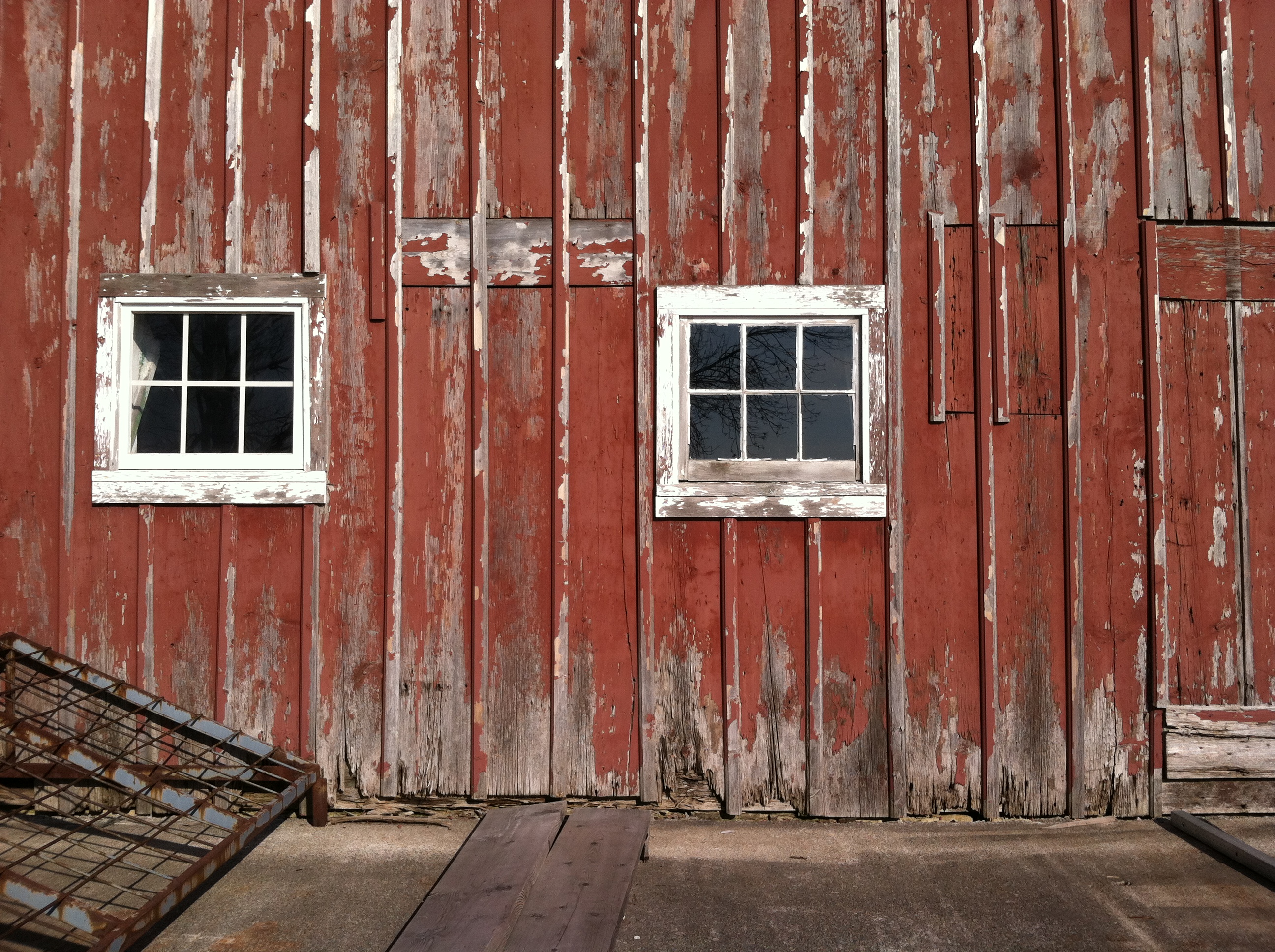
There’s a barn here where all the words live, and we make stories of them for people.

“Mister,” the letter said to me, “my husband’s always loved words. Age is taking him, and he can’t tell the stories that he hears inside. Is there a tale I can give to thank him for all the places his words have taken me?”

I sat on the floor of the barn. Instead of calling the words, I read them the letter. They heard me out, and I listened to them rustle-shuffle as they will when they see the path. When all was quiet again, I took the ones who’d volunteered and put them in a box, last at the bottom and first at the top, to be unfolded as a gift to a man loved by a woman.

Aluminum OvercastAluminum OvercastAluminum Overcast

To understand the title,
do the math in your mind’s eye.
One silver fuselage. Two wings.
Four engines, ten men.
Twelve guns and sixteen bombs.
Multiply by ten.
Again, then again.
You’ve reached a thousand folded
into tight formation: The Big Birds.

Is it any wonder the air shakes
the roots of trees before the
blast of bombs gives voice?
It is any wonder the sun is obscured
before the pillars of fire give birth
to climbing pillars of smoke?
If there is any wonder,
it is that walls still stand
and men still walk among them.

Chicago; Rainy NightChicago; Rainy Night

Chicago; Rainy Night

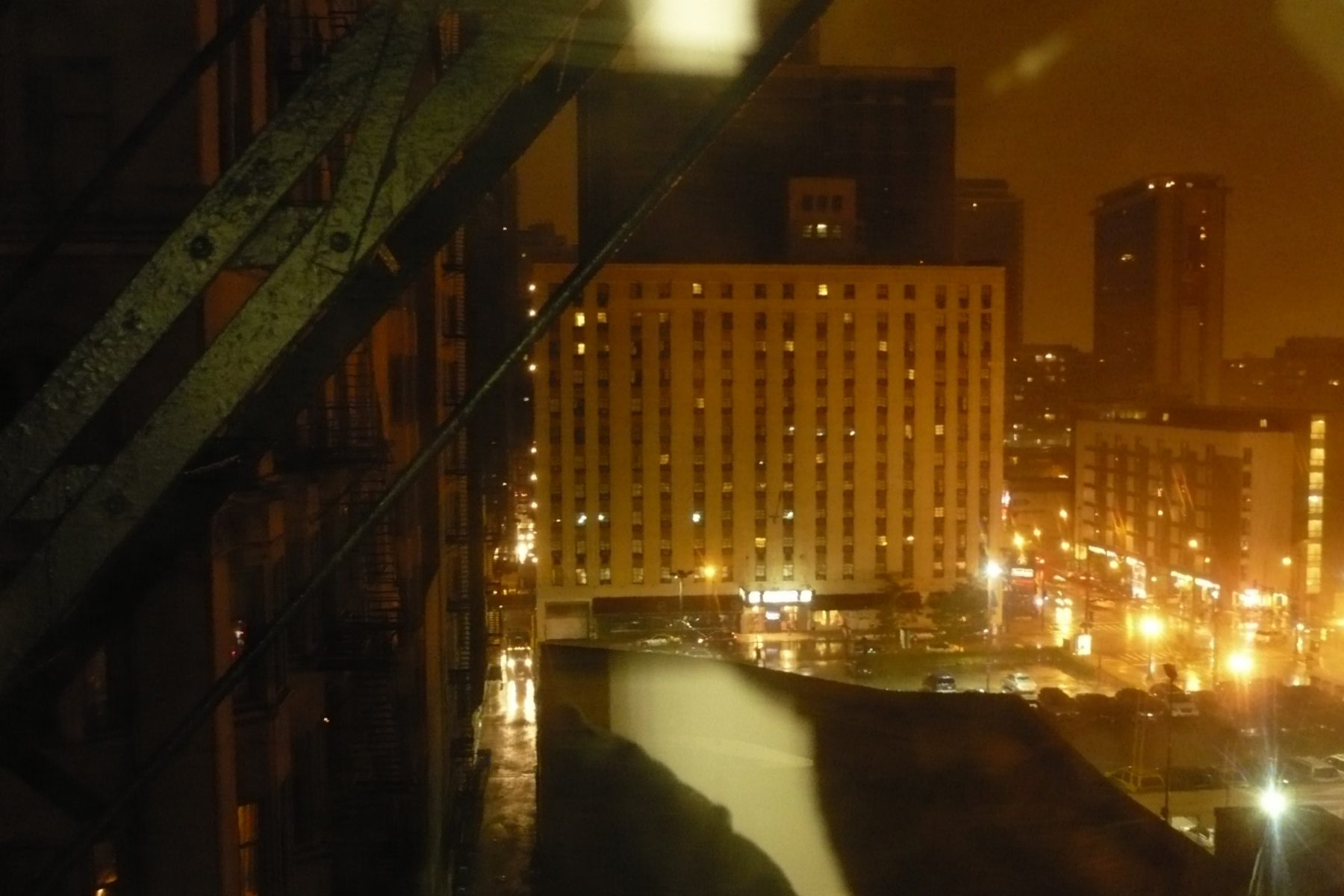
I came to town a
one-bag stranger you
held a picture of,
the plane and I in time.

And now
I’m looking at this city
from your window,
trying not to think of
what’s to come.

Jazz MeJazz Me

Jazz Me  

start me deep with jungle rhythms add sugar cane and soils containing languages we’ll learn to soon discard give me baptism by fires in the darkest of the night and then escape with me while our others wallow while our others follow missionary tracts and black motes noted on white sheets we will fix on fusion we will find the star stuff in each free improvisation I will riff your body with my fingers bring forth emanations with my lips while you pluck counter notes and melodies to see us off this stage beyond percussive endings deep in god

RipplesRipples

Ripples

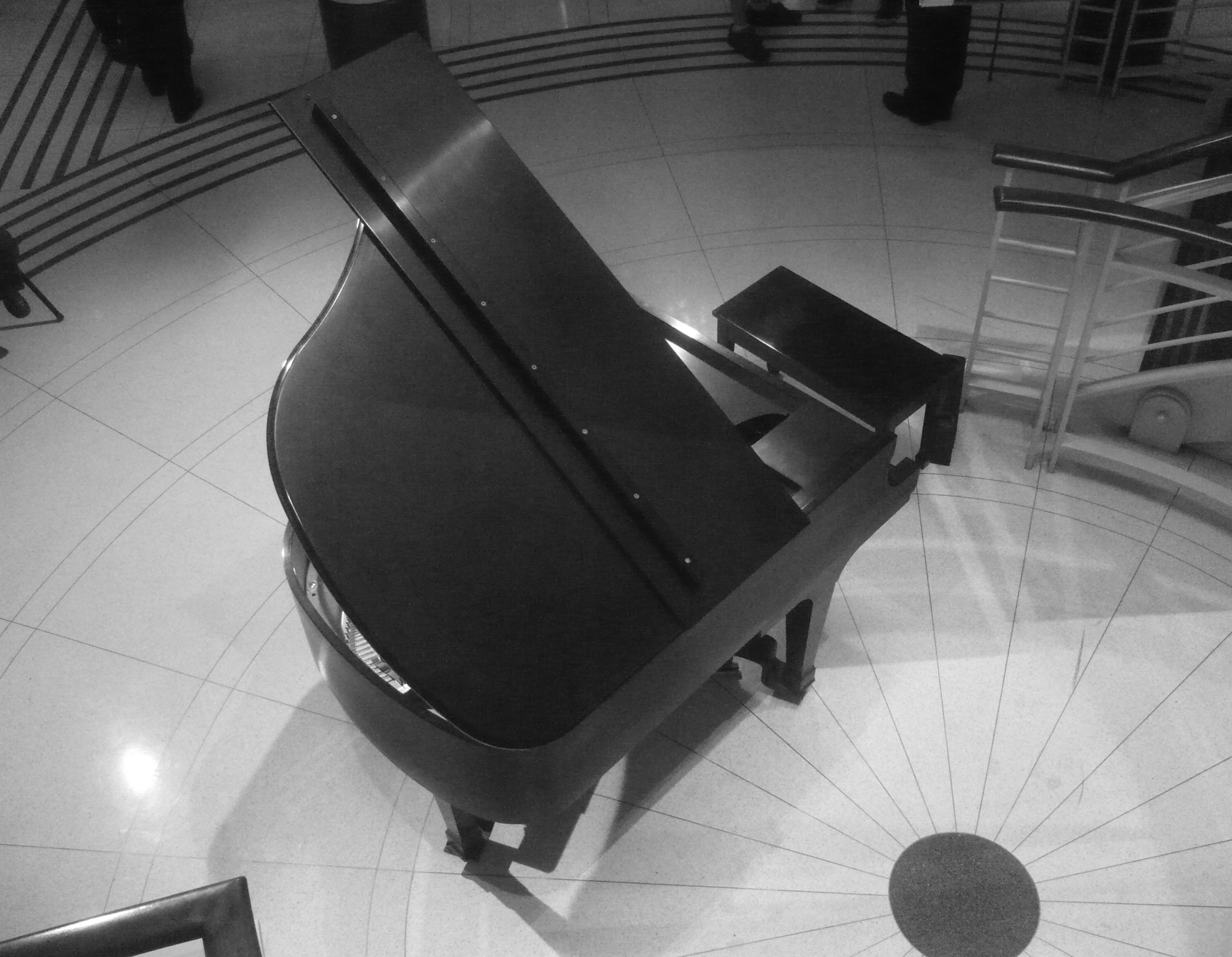
In a crowded Sunday afternoon rotunda,
fingers ripple across keys
and the stream pauses, breathes deep,
moves off changed, change-filled.

Pen and paper meet, declaring your objection,
and the unmet friend of a friend,
tracing the whorls your hand describes,
refuses his recall to battle.

Set your hands in forms of water
(glassy pasture pond, sun-washed snow,
steam rising sibilant from city sidewalk grates)
and see the impact of your movement spread.

Urban IvyUrban Ivy

Urban Ivy

gray pipes climb
to enter brick wall
urban ivy clings tight


What is it about a houseWhat is it about a house

What is it about a house

standing empty in its overgrowth, windows boarded or stoned while the front door’s welcome is kicked in by untended roots and branches, that sharpens our senses, raises those small hairs the barber missed, and leaves us edgy for hours? The animal brain keeps whispering what if what if what if about rats snakes and spiders rotten floorboards tetanus nails black mold ceilings a dead body or worse an axe killer in need of one to leave behind for the next explorer. Breathe. Center. If it would shush a moment, we could hear the heart reminding us the time for this place has come and gone, explaining nothing remains, good nor evil, not even the memories of those who left this shell behind.

-Lennart Lundh

is a poet, photographer, historian, and short-fictionist. His work has appeared internationally since 1965. He can be found on Facebook as Lennart Lundh, and on Twitter as @lenlundh. Len’s books are available at Etsy.com/shop/VisionsWords and through numerous physical and online retailers. Recordings of his poetry are at https://www.youtube.com/channel/UCVop7qstg59vLG3VaAQWW_g. The Web site for his photography is lennart-lundh.pixels.com.

Drop in by Stewart Carswell

Nigel Kent's avatarNigel Kent - Poet and Reviewer

Today it’s my privilege to welcome rising star, Stewart Carswell, to drop in to reflect upon his collection, Earthworks (Indigo Dreams, 2021).

Earthworks / Offa’s Dyke was first published in Under the Radar.

Throughout the book there are a number of poems that all share the Earthworks title, each one exploring a different historical earthwork in England. This poem was the first of those to be written.

I like exploring wild landscapes, and entering a new place will often kick-start a poem. In early 2019 I visited Offa’s Dyke in Gloucestershire and a few months later I was at Welshbury hill fort, exploring a similar set of ideas about ramparts, woodland, boundaries, and defences. I compressed my pages of notes about those two places into this one poem. The rest of those Earthworks poems came together pretty quickly later that summer, helped in part by walking the Great Stones Way…

View original post 702 more words

NEW FEATURE: SYNERGY: CALLING ALL WRITERS WHO ARE PHOTOGRAPHERS I will feature your work photos and writing individually on the Wombwell Rainbow. A special feature for you alone. Please DM/message me if you’re interested. Photo essays are great, poems should accompany one of your images that inspired them. Poems within the photos are also great, such a haiku, and so forth. Any theme you choose, at the moment. May get more specific as time goes by. Experimental work most welcome. Our first synergy is from Suhas Bondre.

Suhas Bondre Photo Mumbai

2019 Mumbai city, Maharashtra State, India

A Caged Bird?

In a modern town, inside an old house,
an old, old lady used to stay.
On her porch, a cage was hanged,
for a bird who sings every day.

Both were there for each other,
in Winter, Summer, and Rain.
Both are there for each other,
in moments of pleasure & pain.

But deep inside, that bird was envious
of Sparrow, Swallows, Crows, and Crane.
The view from up there must be beautiful.
That suspense makes the bird insane.

Bird got jealous of the bright, bold colors,
when a Bluebird arrived near the cage.
“I am blessed by the sky”, the Bluebird said,
and turn the sadness into a rage.

The bird stopped singing for the old lady,
yet she fed the bird, as she was kind.
Bewitched by the sky, hankering for the view,
in the temptation to fly and find.

Bird realized that the door was left unlocked.
The lady must have forgotten, he thought.
So, the bird kicked the door open,
took flight, and now unable to be caught.

The bird flapped his wings, in no time,
he kissed the heavenly sky.
Now, it was time to gaze down at the view.
He was nervous but he try.

He gazed at the town with eyes wide open.
It was midnight but the town wasn’t asleep.
He saw lonely men and women standing
at their balconies, ready to weep.

The streets were noisy and people were lonely
inside those crowded bars,
Everyone was in rush, no one has the time,
to stop and look up at the stars.

People were carrying their heavy hearts,
but resisted speaking out.
Few were heartbroken, few were heartless.
Seeking a listener so they can shout.

All had this sense of incompleteness,
busy chasing something or someone.
No one reads a poem, no one tells a story,
no inner peace, just materialistic fun.

Some were coming back from their work,
others were busy doing overtime.
Sleepless bedrooms and faces without smiles,
a town where the feeling of contentment is a crime.

The bird roamed above the town,
for the whole night.
The bird went back to his cage,
with the first Sunlight.

With a song, he wakes her up,
the sweetest melody she ever heard.
She ran towards the porch,
and smiled but did not utter a single word.

A deep grin on her winsome wrinkled face
was the most beautiful view he has ever gazed.
“Last night you forgot to lock,” he told her,
“You never noticed, I never locked it.”, she said.

-Suhas Bondre

-Suhas Bondre

is a journalist, a documentary photographer, an academic, & most importantly a nobody. He is a wannabe Novelist & a cool vigilante (just like Batman). By the way, he is also an occasional poet & an excellent cook. Cooking was his first love & he loves her to this date but nowadays he also started a secret affair with cycling. He is interested in people, their lifestyle & culture. He is interested in Philosophy to know how mad this world can be, he is interested in Sociology to know how mad this world is, and interested in Literature so he can get away from that madness.

Suhas’s photography work was published & exhibited both in national and international media like Mumbai Mirror, BBC News, Nat Geo Traveller India, Boston Education Week, Chiizdotcom, Inspiro India Magazine, etc.

Suhas’s passion for photojournalism and his love of literature are the only two reasons
for all his suffering. He is constantly hanging between the facts and the fiction. Trying to figure
out which one is less scary?
And so,

He is in the ocean of curiosity,
he is a product of poetry & philosophy.
His tale is tangled by tempting socio-economic theories.
No end to his quest, just questions & queries

NEW FEATURE: Responses to my “This Day” posts and other images I have posted. Thankyou to Sunil Sharma. I look forward to featuring your responses too.

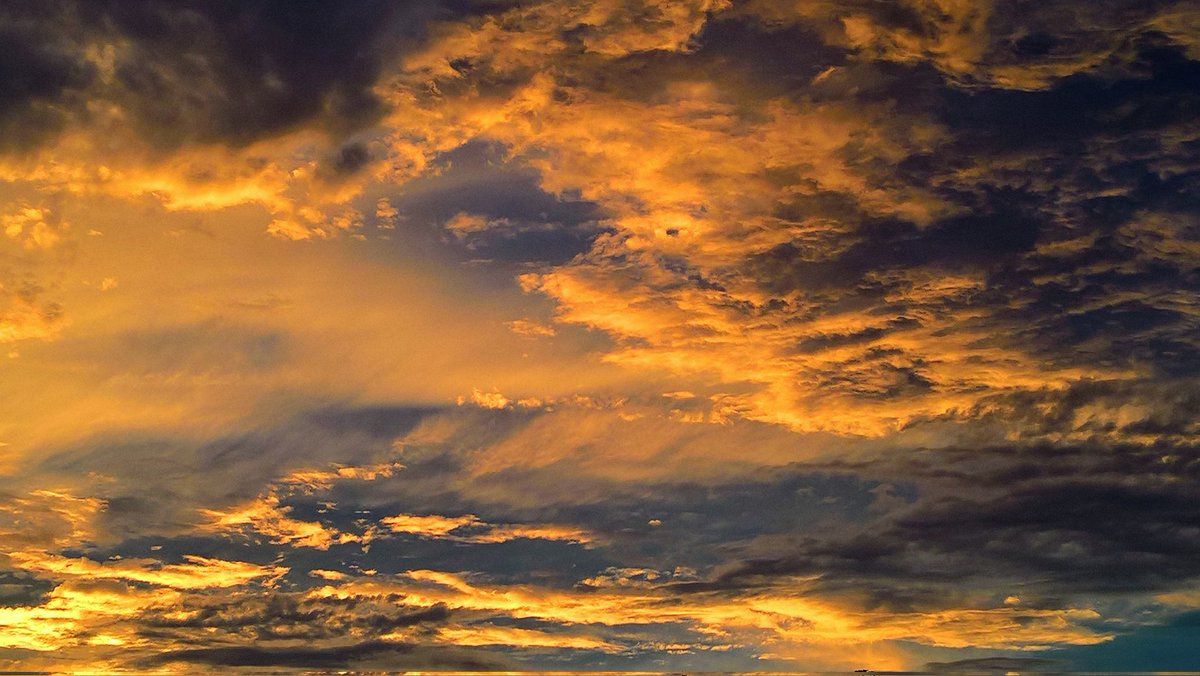
blazing sky
sky
sea
—a Goya canvas?

-Sunil Sharma

Autumn Fallstripped with limbs bare
muted-dark colours
—autumn produces noir

-Sunil Sharma

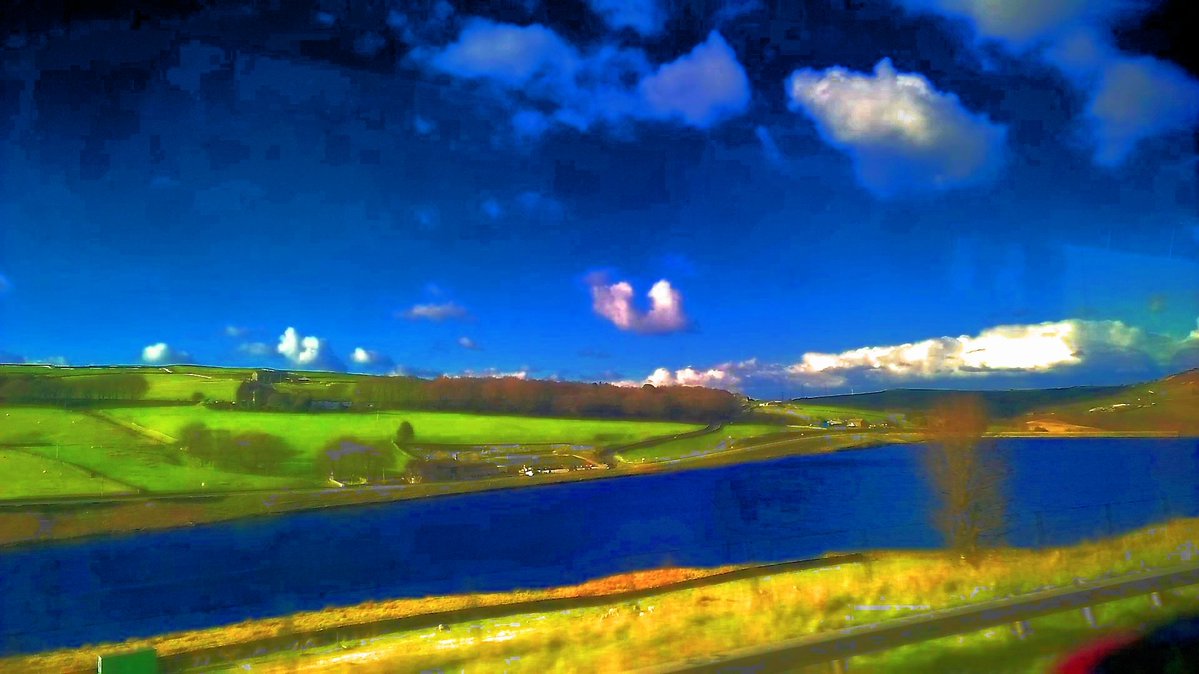
blue and whiteColours, somber,
white patches
optics of relief;
timelines collide
—echoes of the Blue Period?

-Sunil Sharma

canalin the heart of the
concrete,
a river reflecting
sky’s majesty
watched by the
trees, mesmerised!

-Sunil Sharma

Bio And Links

-Sunil Sharma

Toronto-based author-academic-editor, Sunil Sharma has published 23 creative and critical books— joint and solo. He edits the Setu journal: https://www.setumag.com/p/setu-home.html

For details, please visit the website: https://sunil-sharma.com

#autumnfall Please join Chris Husband, Ronnie Goodyear and myself in marking autumn with your own work. I will feature your published/unpublished poetry/short prose/artworks about autumn/fall. Please include a short third person bio.

Autumn Fall

November 9th 2016
(after the announcement of the US election results)

Marking the fields, a broken ribcage of stone
hefts under a thin white fleece. Potholes
along the track are traps of milky slip covers.

I walk along the crisp white lane, wishing
to emboss my prints on unblemished snow.
Before long, I pass an avenue of trees div

iding two fields. I hear a chittering, whisperings,
a susurration from the beech trees who never
shed their brittle leaves even in the slight hand of breeze.

Dripping snowmelt flows through the branches
in conversation about the news they do not understand
– their knowledge limited to this field, on this

piece of earth, under this sky. To my measuring eye,
of height and girth, they have been here a hundred years
or more, shedding their seeds, bearing their snow-loads,

stretching up and out, broadcasting
their one view to an unknown world. I listen to them
telling of time and place and moment

-Ali Lock

On the Subject of Building Walls
(for Julie)

It’s not the kind of wall to stop you or your kin
from crossing to the other side.
It is the kind of wall that will halt you in your
tracks, because of the art of diplomacy.

Take a pair of woman’s hands: fine, long-fingered,
bones brittle but supple in deftness and kindness.
See how she takes the spade, digs the trench,
cuts through the soil to lay foundations.

How she lingers over every stone, its shape,
whether scarred, or scabbed with lichen crusts.
How she imagines each unique rock
expelled from the unstilled bedrock, understanding

the years of their standing in the weathering
ways of sun and storm and dreich, or laden,
rain-heavy, at the bottom of the garden where
the couch grass snakes its wiry roots.

She will separate each rock, large to one side,
small to the other, take a chisel and a hammer
to splice, to cut those tiny odd-shaped pieces
– they will do for the infill. Every stone,

its patina mottled or smooth, will have a place
in this woman’s wall, as will every easy-to-nest rock.
A wall is built one stone by one stone,
fitting in with the neighbours on all sides

-Ali Lock

Watching the Flames at the Village Bonfire

At the waxing of the Hunter’s Moon we are firefly
dancing until brazed. We will retreat,
faint shadows rejoicing in the final cry.

At the passing of months, our souls to fortify,
we light the pyre of memories bittersweet;
at the waxing of the Hunter’s Moon we are firefly.

At our backs the chill of the hoar frost is close by,
ready to strike the land in a flash, a beat,
faint shadows rejoicing in the final cry.

The cinders are stars, constellations drift by
the peel of the moon, a crescent of sleet;
at the waxing of the Hunter’s Moon we are firefly.

A silver birch bears witness under a leafless sky,
emboldened before the flaming fleet,
faint shadows rejoicing in the final cry.

As we carry the light into the new day,
the winter’s curse we will unseat.
At the waxing of the Hunter’s Moon we are firefly,
faint shadows rejoicing in the final cry.

-Ali Lock

In the Dying Light


The finger ends of each day are stretching under the blankets of leaves releasing the scents of the woodland floor; autumnal. The horse chestnut opens its spiky, green buds, splitting apart but firmly clasped until the point of perfect ripeness – and I am there, again – with my three small boys collecting conkers, filling our pockets, using our jumpers for baskets. The older one tests for solidity, biting for hardness, seeking a champion; the middle one looks for the shiniest, the golden jewel; while the younger one kicks up the earth, lifts bundles of leaves into the air, scattering, yelling with delight. Then the young ones chase after their brother, both wanting the very one he has just pocketed. There’s a scuffle, a scrabble, a rolling around, a fight. Hey, look at what I’ve found! I say. Distracted from the battle, they run over to me. I show them the perfect case, newly split, the birth of a marbled pair – twin conkers.
A pinwheel spinning I dance I sing I glow ecstasy of light

Huddersfield Narrow Canal: Lock 26


Slippery, mud-puddled,
we walk along the stone edge of the cut, one foot at a time.
I clasp my sons’ hands,
one in front, one behind. We cross over by the bridge
to the lock, stand at the edge watching
the sturdy shutters strain and leak.
Dark mossy walls. The scent of green.

West Nab


Along the girth of West Nab,
on a stretchmark of road,
by the home of the rocking stones, there’s a silhouette of a roost
against a limpid sky. Spots of lichen
bloom on stone walls, the border
-lands where the wild winds
have broken the green-stick backs of the trees.
Ruffled by each passing motor, by the roll
of a wheel, the wing of a grouse
is stitched to the tarmac on a weft of
bronze plumage – a wreath to one slain on the camber.

-Ali Lock (All poems from her Revealing the Odour of Earth (2017), Calder Valley Poetry.

available here: https://caldervalleypoetry.com/revealing-the-odour-of-earth-alison-lock/


Creeping Season 

Slowly, quietly the days creep forward
The nights darken with ever faster depth
What were skies of varying shades
Suddenly deepest navy or ink black
That nothing can penetrate.
The chill in the air passing through sunshine
As everyone remarks on Autumn’s arrival
Pulling a coat about them for warmth
The fire set to warm their bones
As they wonder if it’s too soon, just yet.
Walking they see the leaves a justification
As greens have scattered to jewels
Rubies among the rubbish the child kicks
Playing in a park where everything crackles
And the only thing growing are toadstools.
The luscious promises that autumn gives
A whisper of leaves on breezes
The words called down since forever
Saying that everything will begin again
If we but only wait patiently.

-©AilsaCawleyPoetry2022
(Written for @Paul Brookes Autumn poetry challenge)

In Autumn

Folded boats of pink almond leaf
float down pavements in the wind.

Bright coins jink and shuffle
in the pockets of the beech,

The horse chestnut frees
a last enormous leaf

which settles on the ground,
an upturned hand

open to anything.

-Gill McEvoy

Season’s Janitor

Autumn, you are the last staging post on the journey from
light to dark,
warm to cool
The janitor clearing up after the Summer party
wrapping the trees with your golden protection,
acclimatising for the oncoming frost and
chasing life into hibernation
occasionally affording glimpses of what was
and what is yet to come.
Our unsung hero living between the leviathans of Summer and Winter,
the saviour of Nature’s faculties which Spring will resurrect.
Autumn, you have a vital task to perform,
and you do it with alacrity

-Chris Husband 2022 (From his self-published collection “Chips for Tea and other 10 minute Tweets” )
Renaissance and truth by Ronnie Goodyear

-Ronnie Goodyear

Bios And Links

-Alison Lock

writes poetry, short fiction, and creative non-fiction. Her work has been published in many literary magazines, and broadcast on BBC Radio 3. Her latest poetry collection is Unfurling (2022) Palewell Press. Her work focuses on the relationship of humans and the environment, connecting an inner world with a love of nature through poetry and prose. 

-Chris Husband

is a (nearly!) sixty-year-old poet. Author of the poetry collection “Chips for Tea and other 10-minute Tweets” published on Amazon.

He lives and works in East Lancashire and is married with children and grand-children to use as inspiration.

-Ronnie Goodyear

Ronnie, with partner Dawn, runs Indigo Dreams Publishing and together they won The Ted Slade Award for Services to Poetry. 

He was on the BBC Judging Panel for their Off By Heart poetry competition (BBC2). He has six published collections and his joint collection with Dawn, ‘Forest moor or less’, won the Best Collaborative Work Award in 2021.

Ronnie is also poet-in- residence for charity League Against Cruel Sports.

We Build A City by Kinga Toth translated by Sven Engleke & Kinga Toth (Knives Forks Spoons Press)

tearsinthefence's avatarTears in the Fence

InWe Build A Citythe Hungarian poet Kinga Toth reassembles, almost as an architect /builder, both language and genre: she is a ‘(sound) poet illustrator, translator, frontwoman, performer, songwriter’ who writes in Hungarian, German and English,living now between Hungary and Germany. Her work has won several important prizes. This book was originally published in Germany in 2019 and has been co-translated by the poet herself into English: the edition is sleek and elegant with a grey industrial landscape as its cover, however the dominant image, a rounded breast-shaped silo, hints at the deep gender concerns raised within.

Originally a philologist, her work signals a deep fascination with languageper se,

and she is not afraid to mould and transform it , experimentally stress its materials to breaking-point in order to createnew structures. This is an ambitious collection: the poems and graphics are collective in their range, remind us…

View original post 322 more words

Wombwell Rainbow Interviews: Glenn A. Barker

Glenn Barker Reading

-Glenn A. Barker

a late developer in the treading and threading of formal and free verse, delves into the dislocated and saturated human dynamics of the way we live now, the age of anxiety. He also writes abstract expressionist wordscapes, rowdy cousin of the imagist style, and lighter sketches of contemporary life. He is yet to understand the world he writes about.

The Interview

  1. When and why did you start writing poetry?

I first started writing at the beginning of 2021, in the grip of another pandemic lockdown. The relentlessness of it all on our inner and outer lives tipped me into writing what I was thinking and feeling. Mental health is a fine balance; mine was a lingering low mood from household isolation. I felt that writing it down, whatever it was, would help me to get it out of my head.

2. Who introduced you to poetry?

My wife’s brother-in-law has been writing poetry for decades, and I had started to type up his fragmented work into something more presentable. However, it was Ian McMillan who really got me started, through a Twitter Lockdown Sonnet series. At the end of the video he said, “Have a go at your own sonnet”. So I did, and started writing lockdown sonnets.

3. How aware are you and were you of the dominating presence of older poets traditional and contemporary?

I think that for many people outside the poetry community, traditional poetry and the older poets remains the cornerstone of what a poem should sound like, and the themes it should encompass. I think I felt that too, until I started reading them and found nothing to draw me in. It was itself a wasteland; all far to erudite for me to feel any emotional connection with it. Finding the poetry of Simon Armitage was the breath of fresh air I needed to know that it didn’t have to rhyme, and I didn’t need a degree in Greats to understand it (or write it).

4. What is your daily writing routine?

I have no daily routine as such;. I keep a notebook to hand, but the scribbling is erratic. The more I look for something to say, the more it illudes me, so I wait for the muse to strike a feeling in me. The blank page is my enemy.

5. What subjects motivate you to write?

More than anything, I’m drawn to matters and mysteries of the psyche, the dynamics of human relationships and the state of our mental jigsaw in this age of anxiety. However, I can’t write like this all the time. I have a side line in impressionist wordscapes and abstract impressionist poetry. I also cover less weighty, more flippant subjects.

6. What is your work ethic?

I am retired; I have the luxury of being able to write any time the mood calls. My work ethic is flaky and has no pattern. It seems to work well that way. More than anything, I worry that I will run out of anything to say. The abyss follows me every time I finish a poem. Is it like that for everyone?

7. How do the writers you read when you were young influence your work today?

I didn’t read much at all when young, and it is only in the last thirty or so years that I have caught up with classic childrens novels, the 19th Century novel, and the works of Jane Austen. I still lean towards non-fiction.  Catching up on fiction has been a challenge. However, there are two teenage formative texts that are an underlying foundation in my wordsmithing: the fact-fiction of Carlos Castaneda and the lyrics of Yes. I am a child of the Prog Rock wordscape generation.

7.1 What was it in Yes’s lyrics and Simon Armitage’s poetry that appealed to you?

Regarding the lyrics of Yes, there is a transcendent quality (a wisdom of the ancients perhaps) combined with a complex imagery, of storytelling in metaphor. The lyrics go far beyond the ordinary way of telling, inhabiting a language and landscape that uses a complex fusion of phrases and meaning that are difficult to explain, but paradoxically build into a picture, and impressionism, that seems to feel right. Just don’t ask me to explain; it seems more like a case of inner knowing. The following verse from Close to the Edge is typical of the Yes lyrical architecture:


“My eyes convinced, eclipsed with the younger moon attained with love
It changed as almost strained amidst clear manna from above
I crucified my hate and held the word within my hand
There’s you, the time, the logic, or the reasons we don’t understand”


The poetry of Simon Armitage appeals in that he manages to escape the confines of the ‘older poet tradition’, from the influence of his birthplace, childhood, backyard moorscape and contemporary approach to verse. ‘Magnetic Fields: The Marsden Poems’ is the volume that enabled me to make some kind of connection with him regarding a sense of place and time. The collection is shot through with childhood and place, like this verse from Privet:


“Because I’d done wrong I was sent to hell,
down black steps to the airless tombs
of mothballed contraptions and broken tools.
Piled on a shelf every daffodil bulb
was an animal skull or shrunken head,
every drawer a seed-tray of mildew and rust.
In its alcove shrine a bottle of meths
stood corked and purple like a pickled saint.
I inched ahead, pushed the door of the furthest crypt
where starlight broke in through shuttered vents
and there were the shears, balanced on two nails,
hanging cruciform on the white-washed wall.”


His poetry is rooted in the landscape and the natural, but is also infused with a modern, somewhat dry, humour and the occasional expletive that makes his work all the more approachable. Maybe there’s also the hint of the wistful, a nostalgic muck and brass view of life in and around the moors.

8. Whom of today’s writers do you admire the most and why?

I am not drawn to any particular contemporary writer or genre, preferring to take what the wind blows to wards me and piques my interest.

9. Why do you write, as opposed to doing anything else?

Sixty-plus years of life’s experiences have given me much to draw on. However, I am not a natural writer. Words are more a foe than a friend, so it has been a challenging journey and remains so; the words rarely flow as I would like them to. I think I have something to say and I think I have a voice that is me, and that probably keeps me going more than anything else, though I am not convinced yet.

10. What would you say to someone who asked you “How do you become a writer?”

This feels almost impossible to answer; like asking what musical instrument I should play. It must come from you, and if you want to say anything, go ahead, write it down. But you do it because you want to and you feel that you need to. You do it for yourself first, and if anyone else likes it, that’s a bonus. Remembering that Van Gogh did sell paintings in his lifetime, though not many, he also traded them. In the same way, how you become a writer also invites you to trade, or share, what you have to say, become part of community, develop your craft and perhaps in time become a ‘published’ writer.

11. Tell me about the writing projects you have on at the moment.

I have a reasonable body of work, good bad and indifferent. I keep everything I have written, so one task is to review poetry for publication and ‘improve’ it. I am revisiting the sonnets I wrote during my run-in with cancer. I am also testing the publication waters and getting used to more rejections than acceptances. Above all I am still looking for someone to read my work.

Miles Ahead

Brian Lewis's avatarLongbarrow Press

Seventeen years ago, slogging cross-country to Hythe, trouble with the MOD, the camps and ranges, then overnight on the coast, it was still winter, rain, wind and a black bin liner, more trouble in Lydd, and the last 10 miles with a split boot. That’s another story, an old story.

I still had the map that I used then, OS Landranger 189, reprinted with minor changes 2004. I took it out of the rucksack, it was the map of today’s walk, Ashford to Fairfield, a walk I had not taken before. It was not the journey of Wealden. It was a journey towards WealdenAn 85-tweet thread that unravelled on Twitter earlier this year, drafted en route to a performance of Wealden by Nancy Gaffield and The Drift in southern Kent, is now regathered (and lightly revised) as a post for the Longbarrow Blog (with accompanying photographs of…

View original post 501 more words