Day 2. My annual National Poetry Month 2021 ekphrastic challenge is a collaboration between artists John Law, Kerfe Roig, Jane Cornwell, and writers Ankh Spice, Jane Dougherty, Redcat, Jayaprakash Satyamurthy, Anne Arbuthnot, Simon Salento, Tim Fellows, Anjum Wasim Dar, Tony Walker, and myself. April 2nd.

Day Two

JL2 Boats

-John Law

KR2_alterations_wombwell

“Apparitions”

-Kerfe Roig

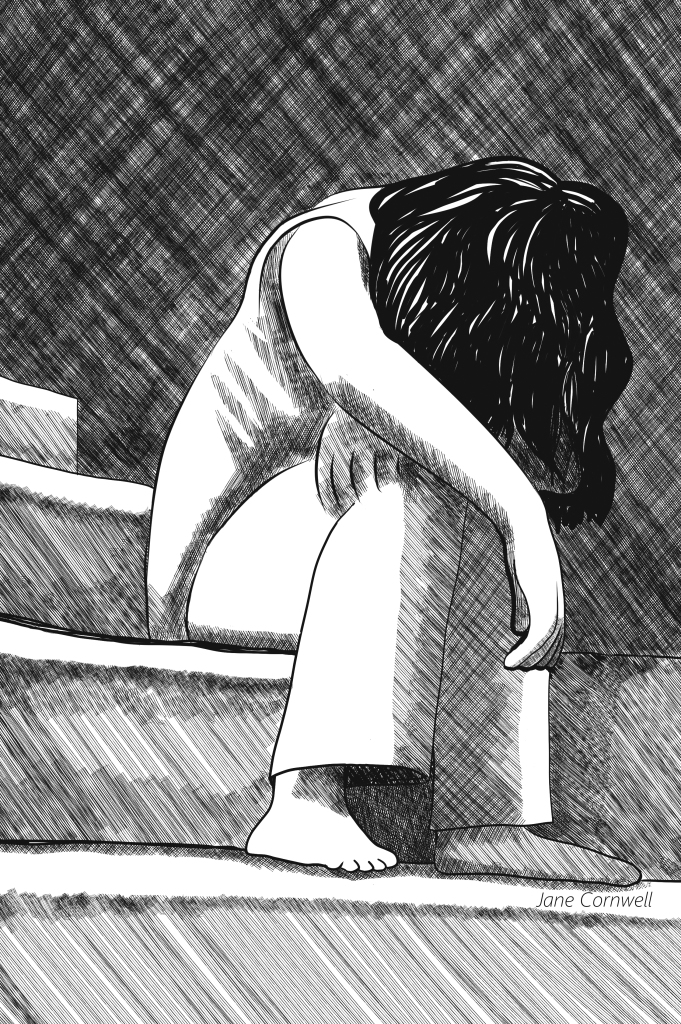
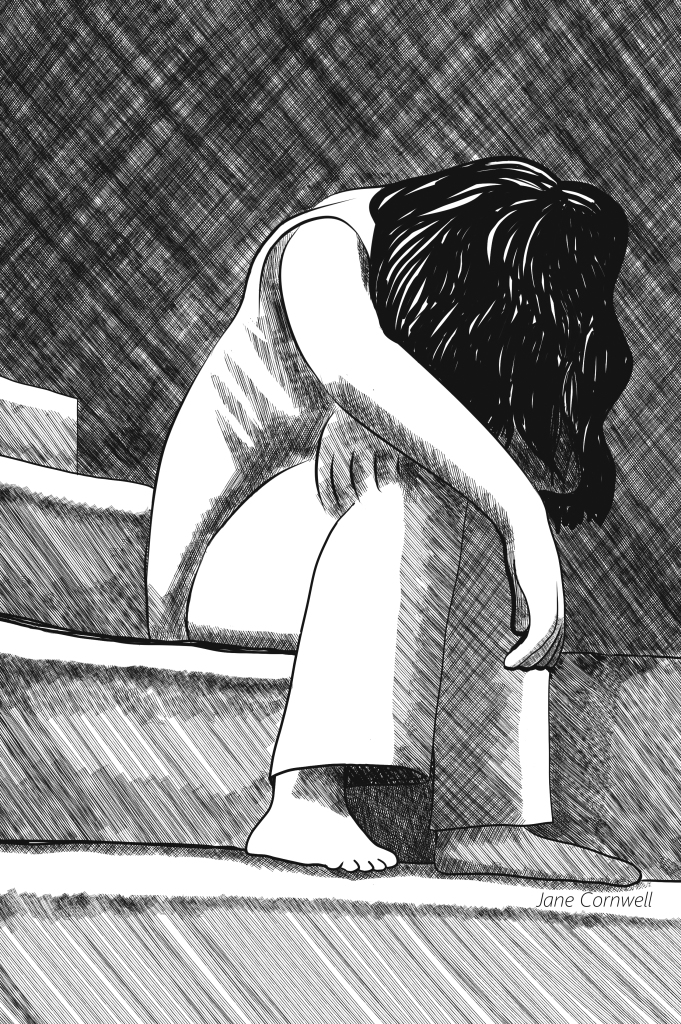
JC2

-Jane Cornwell

KR2

I mean how do we balance at all
At centre you carry the weight / I don’t mean
a heart but yes chambers liquid
with iron / I don’t mean blood I mean
restless and betrayed only by being
magnetic / your core invisible
to something on the surface
otherwise / I mean a heart is a constant kind
of collision / I mean momentum
dizzies us / sure as a slow leak
in the moon. I mean we tide.
I mean our being off-
balance has flow-
on effects. I don’t mean
to be dense / I mean if your heart
was different this whole life thing
would collapse. I mean fragile.
I mean, it is.

-Ankh Spice

A Dirge For The Drowned

(JC2 and Boats, JL2)

In the gray dawn light
A floating sound
Coming from the fishermen’s bight
A dirge for the drowned

A floating sound
Washing over the seashore
A dirge for the drowned
For love lost forevermore

Washing over the seashore
Like swashes of tears
For love lost forevermore
Grief echoing over the pier

Like swashes of tears
Coming from the fishermen’s bight
Grief echoing over the pier
In the gray dawn light

-©RedCat

In response to JC2,
JL2 Boats, KR2_alterations

Standing in the the morning light
She plays soulful notes
The gulls cry
Each playing their part

A creation cycle of call and response
Brings into being an amorphous mass
Changing shapes and identities
Until the right one comes along

And just fits

The music continues
Boats rock gently in the swell
Adding base notes and counterpoint harmonies
Firming intention and desires

Until they just fit

-Anne Arbuthnot
2/4/2021

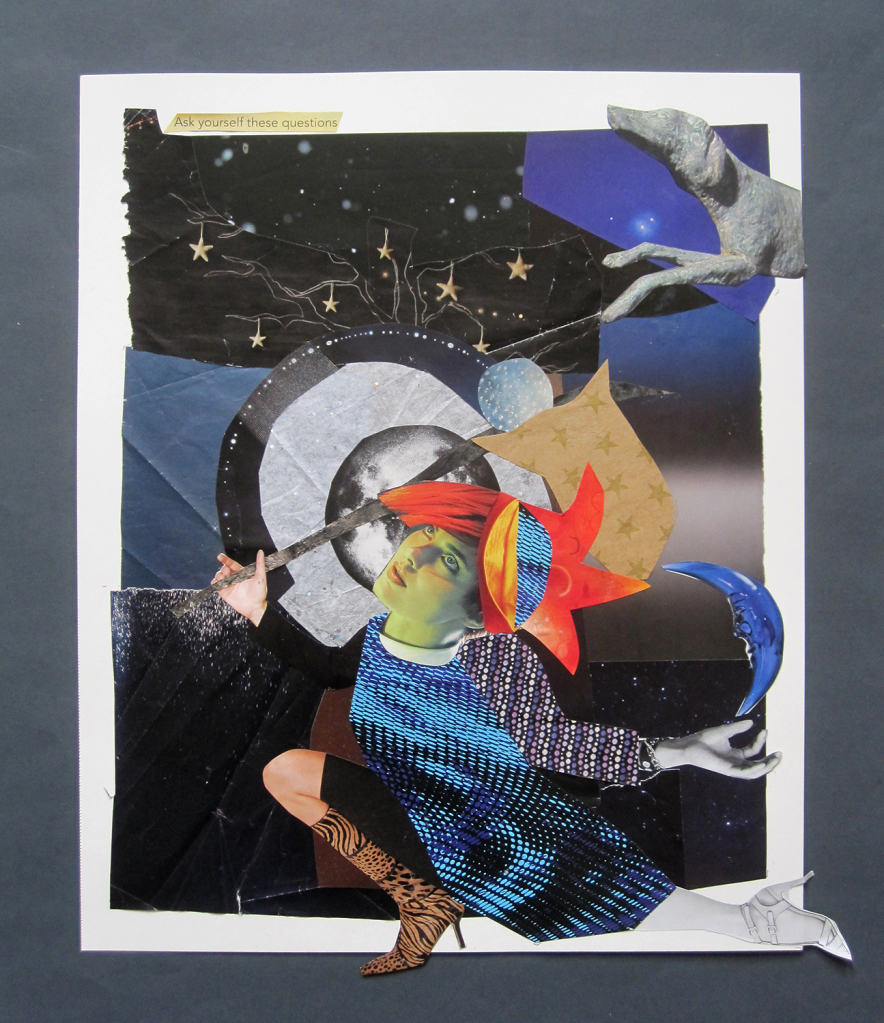
I dreamt there was a moon

Such a moon as this
a desert of red-gold sand
diamond-pointed

how the light
like water leaking from lunar holes

and then the earth
our tender blue
that fills fuller of creeping blackness
with each sun.

Moon reflects light not rottenness
corruption at the flawed heart
or diseased skin

cloaks us in borrowed heroism
as we wade through choking seas
reaching for the stars.

-Jane Dougherty

La Luna

The moon is melting, slowly losing layers
of ancient skin, that peel and drip away.
The moon is boiling where dark forces flay
it’s surface, set the satellite ablaze.

The moon is burning, smoke plumes into space –
Now blood is oozing from its screaming eyes,
its dark side now exposed, an end of days
and there’s no mirage of a human face.

They say the moon is made of solid rock
that cannot burn; not able to weep blood
or cry, or vanish, turn the world to black.
And people all around me pay no heed,

it’s me they seem to fear, their faces turn –
am I the only one who sees it burn?

-Tim Fellows

Shelley Addicts’ Summer Seamanship

(Inspired by John Law’s 2nd Painting – Boats)

I murmur to my consort,
Shelley watches our sailboat;
I’ve been plagued by him – drowned and afloat
near our summer seamanship,
and by silence of insects of the anchorage.

Sundown issues its peace troop
in the pasty firmament.
My wife rocks the boat. From the gunwale
Shelley’s Collected Works slips into nothing.
Nothing is permanent.

I lose the stirring silhouette
of this rented boat to the darkness,
a Glencairn filled with Redbreast
to the thirst.

I lie supine beside my wife.
Insects flare fake SOS all around us –
Help! Those two are sinking,
choking inside someone else’s lives!

-Kushal Poddar

The song of the strings

(JC2 and JL2)

the song of the strings brought me to this sticking point
where neither fore nor back is plausible
I sailed I reeled I keeled on the rocky shore
my eyes charmed fast shut
my mind blinded to the future

and still the song continued
as the sun spun round and rose and fell
at the end of the day or perhaps at the onset
I lay exhausted, spent
the song of the strings became me

-Simon Williams

Responding to JL2 Boats

The Boat

Tourists gone, summer a lingering whisper
a gilded shimmer, gold on blue.

Now the geese fly south
through feathery clouds, dark shapes on the water,
like dreams, they vanish

in the morning breeze, colder than it was yesterday.
I’ll take the boat out today. There will be rainbows in the spindrift,
and laughter in the gulls’ cries,

and I’ll laugh, too, remembering,
the sunglow on your hair, the warmth in your kisses.

-Merril D Smith

Our Specularities Continue reading

Dark Orchid

RedCat's avatarThe world according to RedCat

Fool’s Lune – Kerfe Roig


As a child she wandered the wilderness
Finding no gentleness
Only sticks of insult and stones of abuse
An unwilling jester without any use

Her heart grew cold and petrified
Her cheeks ashen by all the tears she cried
Her eyes saw no love or wonder
Her soul torn asunder

She thought herself an utter fool
So strange others found leave to be cruel
She thought she was born all wrong
Destined to never belong

Then one day she helped an old crone
Who seemed to know her, head to feet and skin to bone
– Girl you need to find your lune
Need to listen to your soul-hearts tune

From that day her life took a turn
In the coven she was never spurned
They taught her all they knew
Until she free and fearless grew

They showed her what it meant to be…

View original post 142 more words

The bittern calls

Jane Dougherty's avatarJane Dougherty Writes

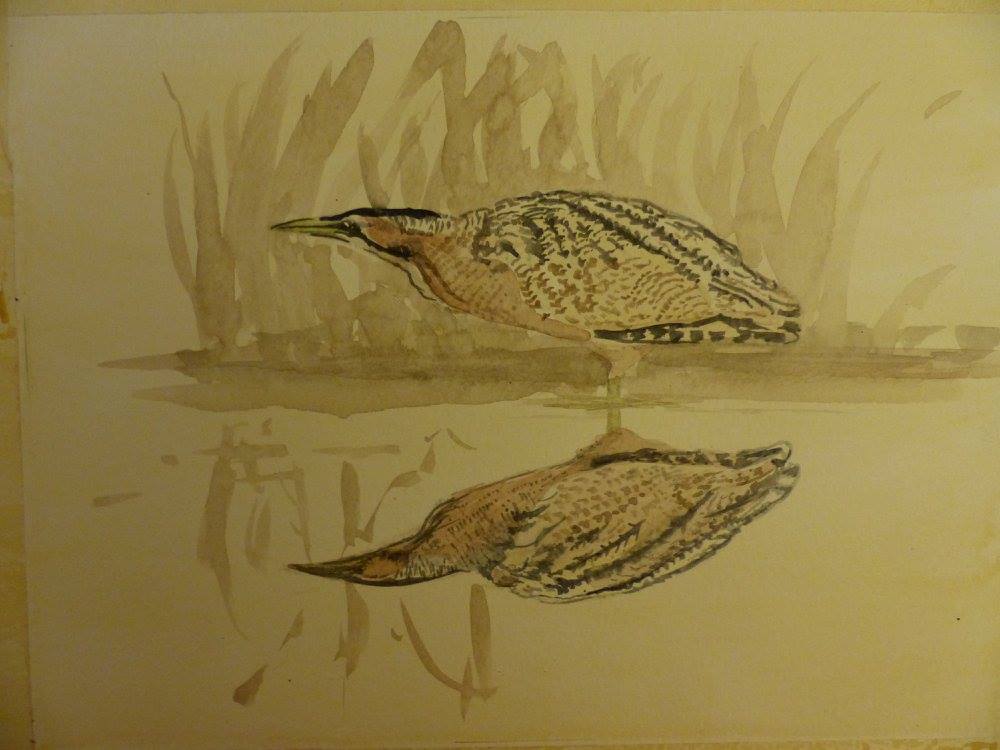
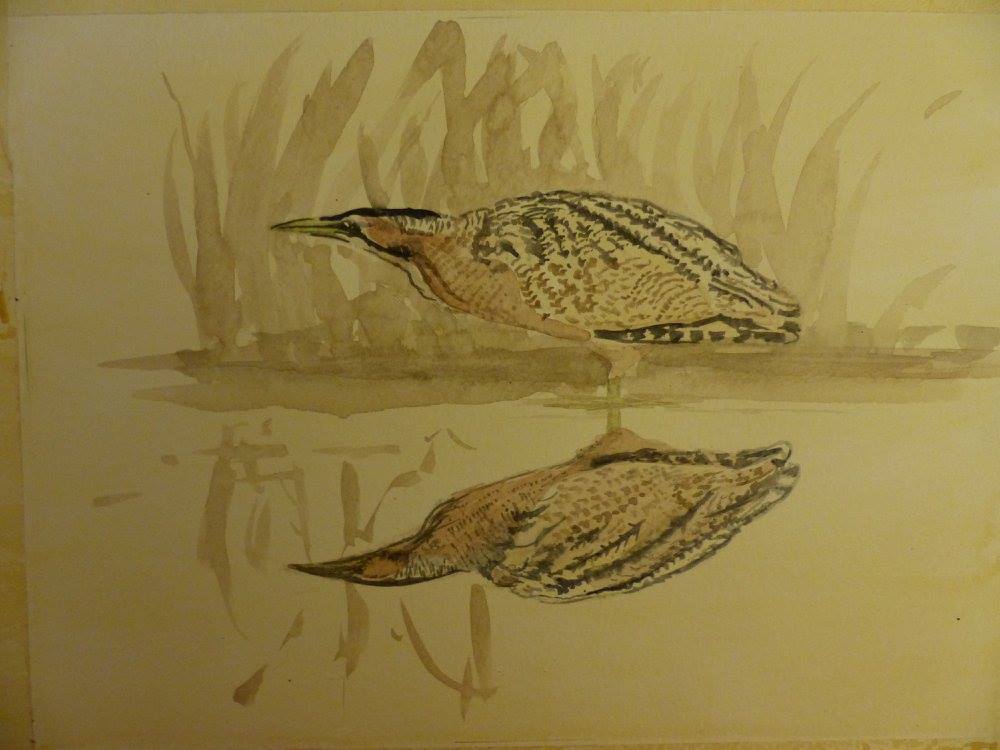
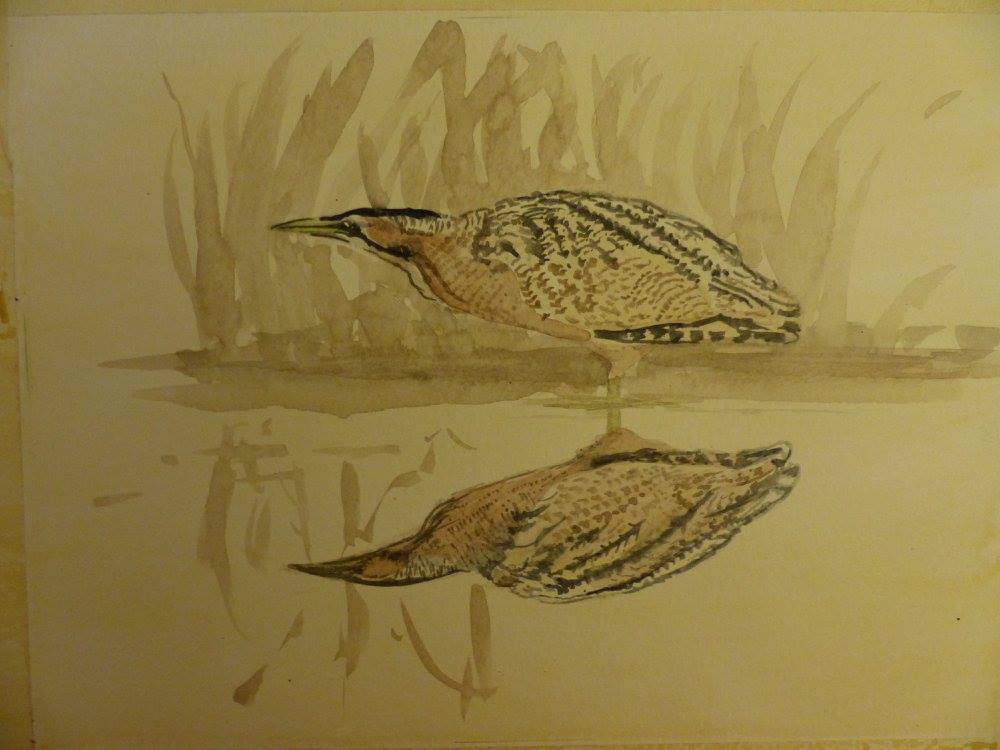
This is my poem for the first day of Paul Brookes’ April poetry challenge. The painting is ‘Bittern’ by John Law. You can read all the contributions here. Many thanks to Paul for organising this challenge!

JL1 Bittern


The bittern calls

The bittern calls in the sedge by the lake,
the still grey water mirror of sky,
the bittern booms in the voice of the wind
in the crags and the swell in the caves of the sea.

To hear that deep and lonely call,
in a lonely place, where a lonely sky
throws back the lightweight feathered things
of hawk and hen and swallow flight,
is to touch the chords of the world outside,
the wild and harsh world, raw and brief,
of wind-ruffled fur, a nest full of eggs,
of winters too long and summers too brief,

and you go back to the inside that now feels…

View original post 11 more words

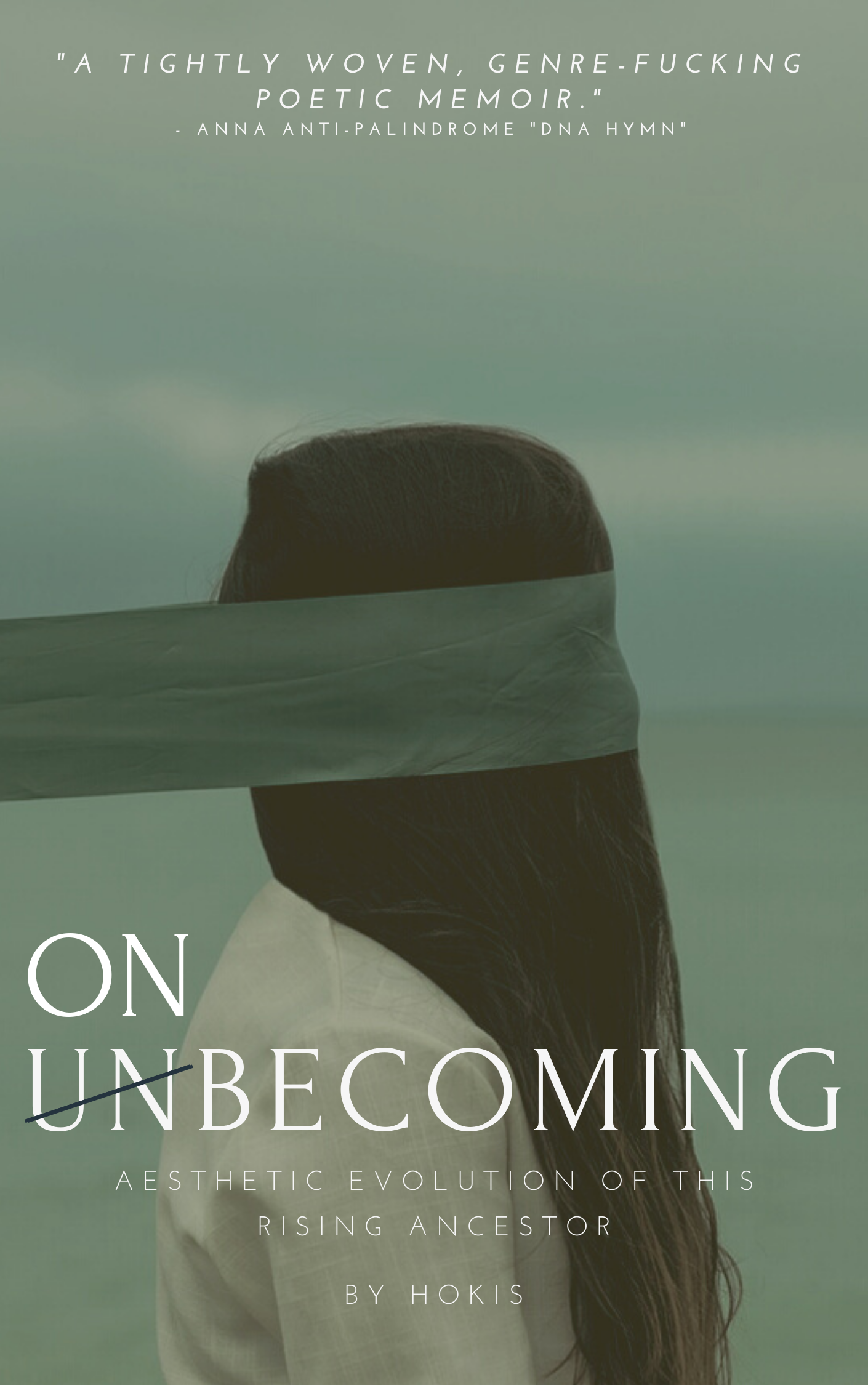
Wombwell Rainbow Book Interviews: On un becoming by Hokis

F WORD WARNING

on unbecoming new caver

-Hokis

is an American Poet of Armenian descent. She is senior editor of Headline Poetry & Press and a regular contributor to Reclamation Magazine. Her work is found digitally and in numerous print anthologies, including SMITTEN (Indie Blu(e), Oct 2019), Pandemic Poetry Anthology (Gloucester Poetry Festival, Oct. 2020), and Heron Clan VII (Heron Clain). You can her digital work and information on her debut collection, UnBecoming, at hokis.blog

The Interview

1. When and why did you start writing poetry?  

I wrote poetry in my early teenage years, more puzzles really. I can remember sharing some with my dad at the dining table one afternoon. He was a college professor, so used to being the advisor. I can remember him asking me questions about what I meant by certain things so he could understand the poem. Looking back it was pretty wonderful for him to take an interest, but I felt (can still feel as I write this) a bit in my stomach. Like he was asking me to reveal some secret that I wasn’t sure I even wanted to know just yet. 

Fast forward about 45 years (2017), and my father passes away. We were very close as I grew up, and even moreso his last few years of life. I walked him right up to the veil, went numb for a year, and then fell a part. 

Right after he died, I had a series of dreams. I would wake up panicked he wasn’t dead and we had some poor souls ashes or dream he was ten feet tall and standing next to my bed. These sorts of ridicioulsness. 

Just after the first anniversary of his death I had a dream where I was chasing time through the coridores and stairwells of a building that melded architectural designs of a university and a hospital. I was rushing, to save my dad from something – an experiment, maybe? It is unclear to me now. When I arrived, he was laying on a white sheeted bed with his eyes closed. I touched his hand and noticed a bruise near the knuckle on his index finger, where his pencil would rest. The second that bruise raised my curiosity he shot up and forced these words out, “You must write!” He laid back down and I woke up in a cold sweat.

I went for my morning dog walk – the standard two hours get lost in the woods grief walk. I came home and wrote my first poem. Those first 10-12 months were intense – I excavated that secret that my teenage self wasn’t sure I was ready for, and then some. These are the poems in On\Un\Becoming. 

2. Who introduced you to poetry?

I am confident I learned poetry in school, but do not remember any of it. I also was obsessed with the sister of poetry, song lyrics – often writing them over and over again in a notebook. This is especially true of Peter Gabriel’s genesis and Bob Dylan. In terms of being introduced to poetry, though, I would say I have only two memories – both before the age of ten. My parents had many books in the house. I would often sit on the gold shag carpet behind the Lazy Boy and pull books off the walnut shelving my dad built. There was a shelf of poetry books, but I only remember one: e.e. cummings. I remember being fascinated by his unapologetic approach to breaking a primary rule of writing – not capitalizing anything. Something about that set me free. I am laughing now as my second example also exposes the rebel in me. We had a poetry book called “Beastly Boys and Ghastly Girls” in the night reading pile. I have no memory of who read it to me, but someone did. “Nothing to do, nothing to do / put some mustard in your shoe……put some jelly on the latch / now go upstairs and take a nap.” I cannot recall all of that poem, but it always made me happy. The romance of poetry was never a part of my evolution with the genre. I preferred puzzle-like song lyrics and rule-breaking, satirical poetry. Although my birth mother was a poet, I am sure that these aspects of my nurture fed any poet blood that flows in my veins. 

3. How did you decide on the order of the poems in On Becoming? 

Oh, how I appreciate this question. I feel the tedious task of ordering was as potent of an experience as writing any of the pieces in the collection.  The easy answer is, the order is I as I wrote them (aka experienced life in a way that led to their existence). When I decided to create a collection, I wanted it to read like a story rather than a collection of poetry. It has a start and end, a middle. A rising action, climax, and resolution. Characters, plots, and subplots. As I curated and curated …. and curated … I pulled pieces that felt repetitive and added pieces that better fleshed out a character. It may seem that I do this because I know how to create a story. I do not believe this is true. It is more accurate to say that I am insecure if my reality is accurate, that my lived experience makes sense, so I attended to the order and content of this debut collection to cover all bases. The tenacity, borderline obsessiveness, in explaining one’s story is a classic symptom of complex trauma. I want to pause here and say thank you to the pre-publication readers were saints guiding me through my mind maze, to a place of wholeness. The coming together of Me, and the ordering of the pieces, feels like one and the same. 

4. How aware are and were you of the dominating presence of older poets traditional and contemporary? 

As I was writing OnBecoming I was completely unaware of any poet. I was not trying to be, or not be, anyone in particular. One reader offered me feedback with a stanza in “Drips of Dew,” saying that I might want to rethink it because it may be an exact line in a poem of (I don’t even remember who). About eight months into writing poetry, I decided to start listening to interviews with poets and read contemporary poets whose aesthetic I was drawn to. I began to understand that my mind has thought like a poet for as long as I can remember, but I had no colleagues, cohorts, or curriculum to align with. It wasn’t the style of this poet or that poet that stood out, at least at first. It was the soulmind of The Poet. The best example is an interview I heard with Jericho Brown on OnBeing. Please realize that I had no idea who Jericho Brown was when I listened to this. The leader of the writing group at the local public library sent me an email, “Jericho Brown is on OnBeing today. You might want to know who this is.” What Jericho said that struck me was:

“It’s a very dangerous place to be. It’s the reason why, if I’m on an airplane and somebody asks me what I do for a living, I very quickly tell them I’m a poet. Then I don’t have to worry about them talking to me anymore. [laughter]  Do you know what I’m saying? Because people intuitively or instinctively, people know, “Oh, you’re dangerous. You’re hugely problematic. You’re asking yourself questions that I’ve been avoiding my whole life, and you think that’s a good time.” Do you understand what I’m saying?”

I related to this. In this way, the presence of poets, from whatever time, were all a dominating presence because I was one of them. I found a like mindedness that was as much a part of the journey as the writing itself. I am not this annoyingly complex thinker. Well, okay, maybe I am…but I am annoying to “who” exactly. I am not annoying, people find me annoying. There is a big difference in this. 

I actually listened to that podcast while working as a shelver at the local library. I chose to tidy up the poetry section on this particular day, and found Amanda Lovelace and Annah Antipalindrome. Both female contemporary poets with aligning stories whose direct wording and wide spaces left for visceral interpretation made equal sense to me. 

So, to answer your question. I am not very aware of direct lines of influence that poets have had on me, but I am viscerally aware that there is a collective consciousness among poets in which I am a part of. I prefer this ignorance.

5. what is your daily writing routine?

I don’t know. How’s that? 

{laughing} 

I tend to find inspiration in podcasts and nonfiction books. There are hints of NPR’s RadioLab throughout ON(UN)BECOMING as well as books like Cosmos (Druyan), Gaslighter (Sarkis), Laws of Human Nature (Green).  I am always scribbling in the margins with questions, circling words that catch me, bringing in shimmers from the podcast, writing lines of poetry that may or may not end up in the same piece in the future. These scribbles are my centerpiece. It seems that my brain takes a snapshot of these pages, tucks them away, and then I live my life. As I go to the grocery store, talk with a friend, watch the news, tend to my animals, or ______, I add polaroids to these brain pictures. The writing that comes from this isn’t a daily habit; it is more of a sense that a collage is ready to become words on the page. 

5.1. Why are the images of the phase of the moon important in your book?

There are many reasons, and I am not sure. (I am hoping that statement makes at least one writer smirk and nod.) It was a Tuesday about 4:30 pm when the book was complete and ready to push “publish paperback” on Amazon’s self-publishing site. I paused. I thought, “it isn’t done.” I decided to go drive around and listen to other voices – specifically, Radio Lab (NPR Podcast). The episode was about falling, falling in love, the feeling of falling in a dream, why time slows when you actually fall, even what would happen to your body if you fell into a black hole. The rising and falling in that episode struck me. The motion of it. The impact on reality and the body. The power of gravity has on our body when entering into a dark hole. It was like I was listening to the intent of my book in a different form. I kept seeing That Universal Moon mentioned throughout OnBecoming, seeing the phases rise and fall. I said to myself, out loud, this has to go into the book. So there they sit, the moon phases aligning with the “becoming” within the story. The infinity symbol under chapter headings. The astral infinity starburst at the end. I like to think the universe is yet another character in the memoir.

6. How important is nature in your poetry?

Any answer I come to seems simplistic. Essential like water to a fish. So easy to forget the necessity when you’re in it, but when another is studying the fish it is so obvious everything. 

6.1. Why is it “like water to a fish”?

Nature is the air we breathe, the sunlight that stimulates vitamins and hormones, the water we drink. We depend in it and yet we do not need to take time to notice this for us to function, so we forget about it. About it’s essentialness. Without noticing the water, we have no sense of reality – are we in a fishbowl or the Atlantic Ocean? To stay grounded in nature, to intwine nature into my poems, is necessary for me. It reminds me of the reality of my placement in the world. I am small, and large. 

I have only just now realized that I have always been way more interested in nature than people. Learning to navigate humans, and coexisting with other humans, was a natural survival strategy rather than a preference. There is something about the puzzle of nature and the puzzle of poetry that aligns with me. Not puzzling, like humans, but puzzles. There is a certain way everything fits together – and while different things fit differently – deserts and rainforests are different puzzles, for example – there is a universal method to putting together a puzzle. Finding the bits with the edges, pulling pieces together by color or pattern, seeking that oddly shaped beg for that aligned round hole. I could sit all day and ponder a leaf, all the way down to the circulating chloroplasts singing with sunlight, just as I could sit all day and map out a poem. It feels much the same to me. It is rare that a poem of mine is void of any natural science terminology; desserts, lumens, pistols and stamens, mountains, birds, dermis and meat, stalagmites, base pairs, cells, roots … it would be fun to go look now – huh, I wonder if there is a poem without a hint of the natural word in it. I will get back to you.


7. How do the writers you read when you were young influence your work today?

The strongest memory of reading was the encyclopedia, Scientific American, or National Geographic magazines. I am aware that I read Tolkein as a school aged child, but I was not a child or young person with my nose in a book. I’m not sure why this is. I needed glasses? I wasn’t provided choice on books to read? I was too anxious to sit and follow a story?  

I believe my lack of reading impacted my spelling, which is seen in my poetry. I will often use homonym for a word…figuring that out when someone edits and I realize the wrong word is the perfect word. An example is this stanza from “Southern Crows”:

“Here in the aboretum where I walk my dogs

gravity pulls at the souls of my feet

each thump of my boot leaves the imprint of my elders-

land and life forms who instructed my childself

to listen to the lack of noise created by the darkest crow.”

Southern Crow is found in “Pandemic Poetry 2020,” (Ziggy Dicks, editor)

and

“As the World Burns,” (Indie Blue, 2020)

8. Who of today’s writers do you admire the most and why?

I have the hardest time remembering who I am reading. Who I have read. Who is a modern writer. Who has been long past, passed. Right now, I am reading an elder – Donald Hall. I only know he is an elder because the cover of his small collection of essays is a very clear close-up of his face – scraggly beard and wild eyebrows. The book is “Essays After Eighty,” and I think I admire it because it is about something. It is not about thoughts about something, it is filled with stories that happened told by the man who lived them and who is still able to share them as if he is not sure what they are about. That, perhaps, none of us know what any story is about – but this does not mean they did not happen. I guess I find comfort in this. That the world is full of stories, but perhaps not answers. Perhaps I can stop looking for answers, then. 

9. What would you say to someone who asked you “How do you become a writer?”

Believe you are, and act as if. If that feels too easy then I recommended reading emails you have sent to friends – the authentic self ones – and piece them together in one long word document. Start to organize them, cut and paste, play with your deepest meanings. Notice that you knew exactly what to say, you just didn’t call yourself a writer at the time. You called yourself a friend. (Secret: It is the exact same thing, and everyone can use a friend)

10. How important are white space, brackets and repeated phrases in your poetry?

Each of these are subtext cues, nonword expressions of physiological responses to emotions. White spaces might communicate my breathing rate. Brackets could tell you the thought is deep inside, like a whisper. Repeated phrases might be indicated my blood is boiling, heart racing. While I am writing, their placement is completely unintentional – one might say like the involuntary muscle of your gut keeps you alive by moving the food and chyme through. 

11. Having read the book what do you hope the readers will leave with?

I would hope that readers leave in awe of the complexity of being human and how in continually choosing awe we can take ourselves to places of beauty – even if through a dark cavern first. I remain uncertain as to what love is, but I am nearly certain that the humility it takes to be in awe is not far off. My hope is readers will consider my attempt to communicate the complexity of these ideas worthy of their time.

The Bittern: Ekphrastic Poetry Challenge, Day 1

merrildsmith's avatarYesterday and today: Merril's historical musings

She used to play with friends,
wander with giggle-shouts through houses and yards,
shared classroom papers, projects, and lunches
together they were

no longer. Her small body—
so heart-heavy, slumped. She had loved her grandmother.

Now, she watched as from marsh to garden, a bittern flew.
stared at her with Grandmom’s eyes, and straight-beaked
pointed. Here is the path—she seemed to say–
remember me, remember this.

Alone once more, the girl stood, a tiny bit lighter.

I am participating in an ekphrastic poetry challenge this month hosted by Paul Brookes of Wombwell Rainbow. There are three artists and several poets. For each day we can choose to respond to one, two, or all three of the works. On Paul’s page you can see all of the artwork, and all of the poetry for that day. My thanks to Paul for the challenge, and to all…

View original post 14 more words

In Collaboration with Mr Paul Brookes Wombwell Rainbows ~ NAPOWRIMO ~2021

anjum wasim dar's avatarPOETIC OCEANS

Jane Cornwell 1

virtuous spirit
immortal, body be raped
moral decadence

JL 1Bittern

Me in a small pool
which is the right way to fly?
or be glad to swim

K R 1 Fool’s Lune

Fool’s play is wisdom
from the moon to the star world
wonder in humor

View original post

Day 1. My annual National Poetry Month 2021 ekphrastic challenge is a collaboration between artists John Law, Kerfe Roig, Jane Cornwell, and writers David Hay, Ankh Spice, Jane Dougherty, Redcat, Jayaprakash Satyamurthy, A L E K , Su Zi, Anne Arbuthnot, Simon Salento, Elizabeth Moura, Tim Fellows, Anjum Wasim Dar, Tony Walker, Merril D Smith,Fernando Huerto, and myself. April 1st.

Day One

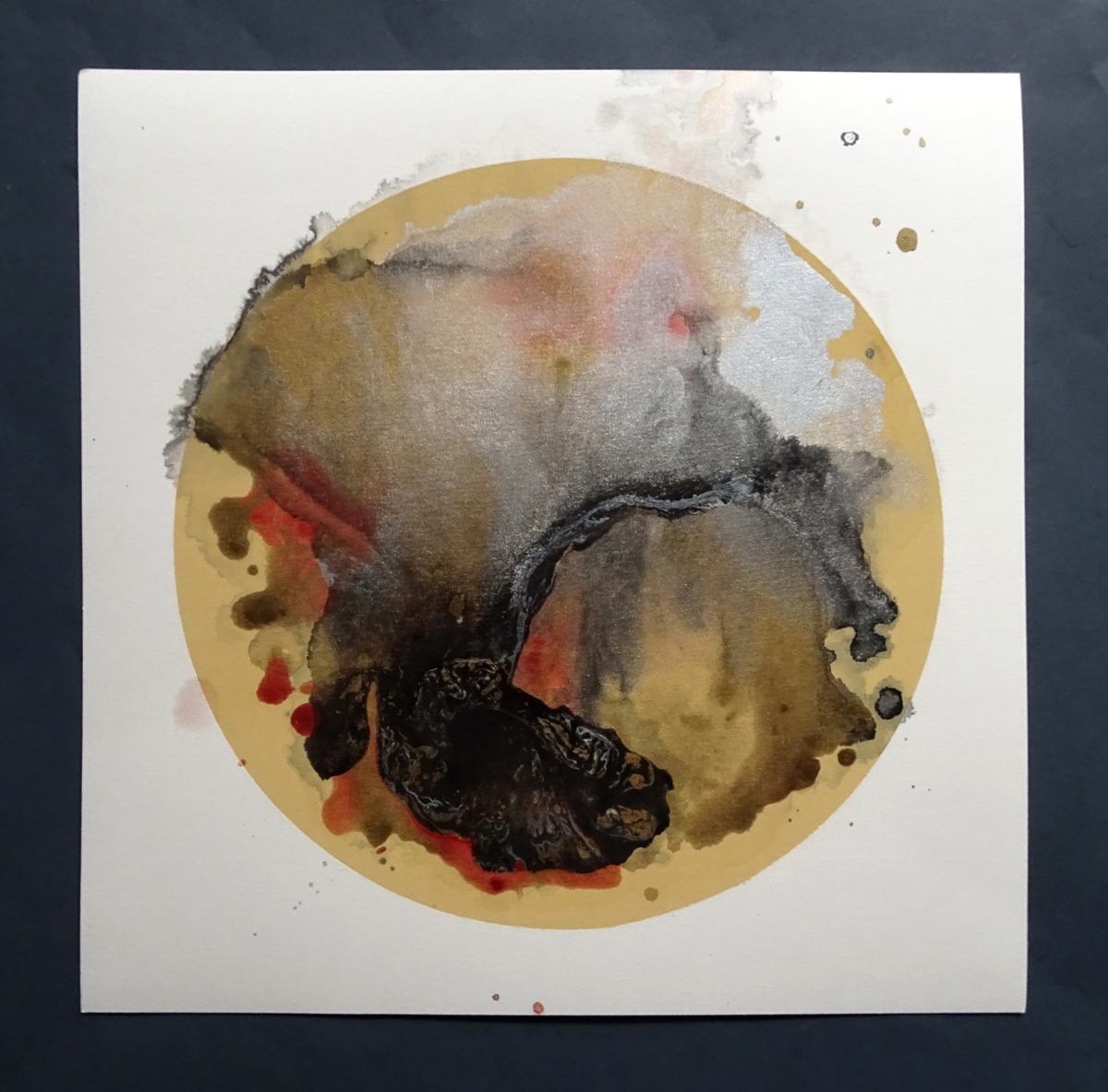
JC1

-Jane Cornwell

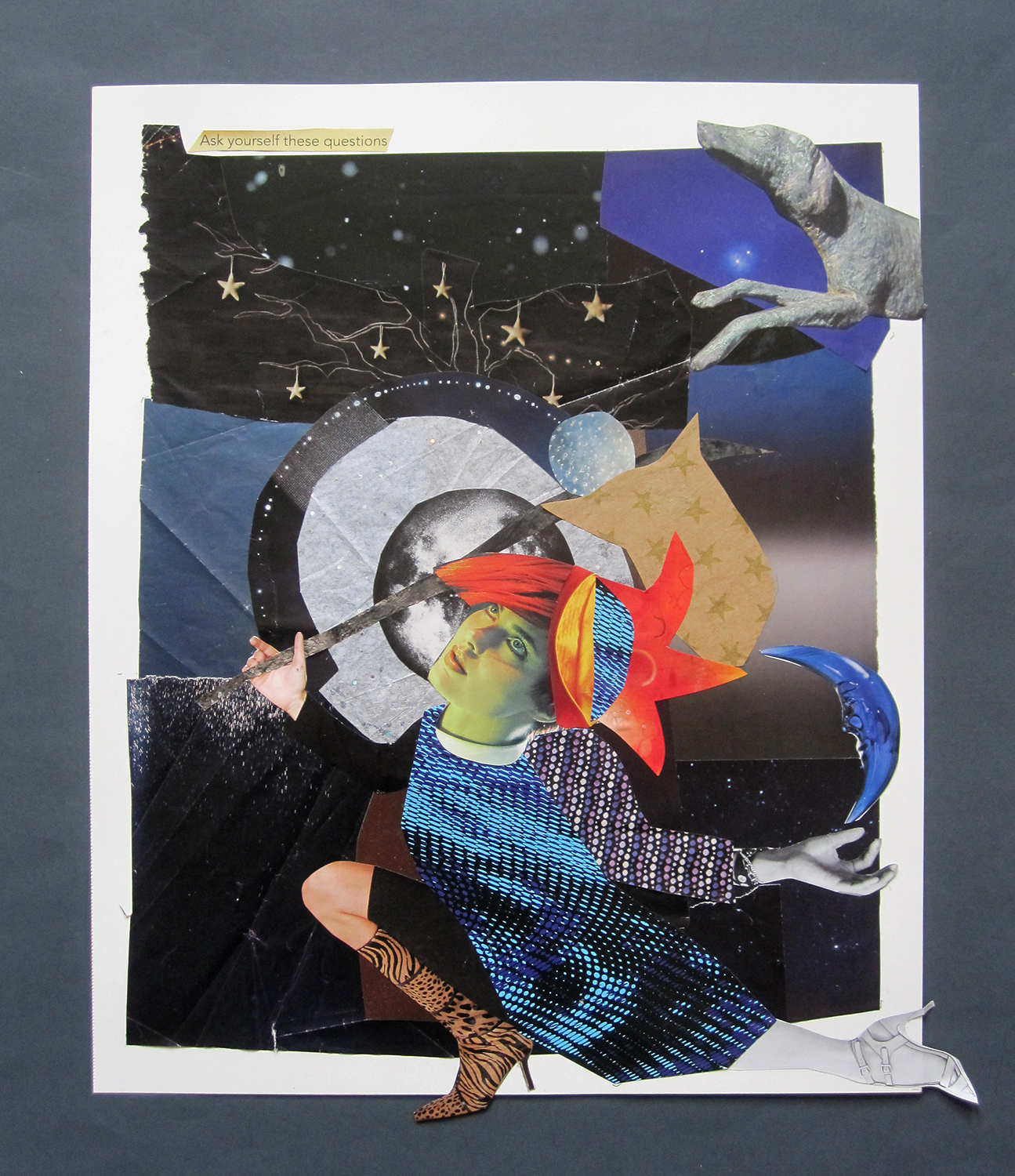
KR1_fool's lune

Fool’s Lune

-Kerfe Roig

JL1 Bittern

Bittern

-John Law

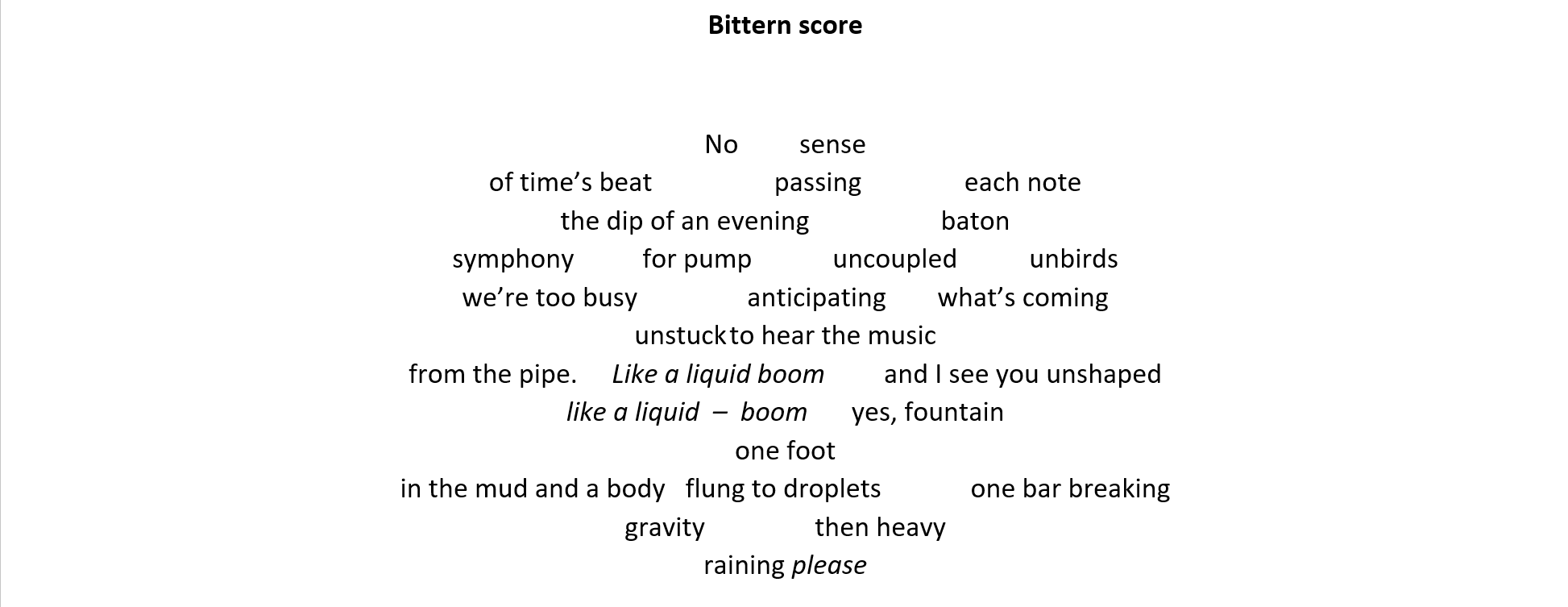
Bittern score by Ankh Spice

-Ankh Spice

mummy’s gone

mummy’s gone was all he said
he was holding me so tight
i couldn’t breathe
i wriggled and he let me go
we haven’t had any tea
it’s getting dark now
the house is cold
the stair is cold
i always sit here when i’m sad
or i have to think about things

he’s crying in his room now
daddy never cries

-Tim Fellows

Dark Orchid

As a child she wandered the wilderness
Finding no gentleness
Only sticks of insult and stones of abuse
An unwilling jester without any use

Her heart grew cold and petrified
Her cheeks ashen by all the tears she cried
Her eyes saw no love or wonder
Her soul torn asunder

She thought herself an utter fool
So strange others found leave to be cruel
She thought she was born all wrong
Destined to never belong

Then one day she helped an old crone
Who seemed to know her, head to feet and skin to bone
– Girl you need to find your lune
Need to listen to your soul-hearts tune

From that day her life took a turn
In the coven she was never spurned
They taught her all they knew
Until she free and fearless grew

They showed her what it meant to be loved and cherished
They cared for her until she flourished
They knew how to heal the wounds abuse inflicts
Until she rose from the hell fire like a newborn Phoenix

She who had know ostracization firsthand
Became abandoned and abused souls firebrand
When the coven saw how she shielded and healed the wounded
The witches named her Dark Orchid

-©RedCat

Responding to JC1 and JL1 for April 1, 2021

The Bittern

She used to play with friends,
wander with giggle-shouts through houses and yards,
shared classroom papers, projects, and lunches
together they were

no longer. Her small body—
so heart-heavy, slumped. She had loved her grandmother.

Now, she watched as from marsh to garden, a bittern flew.
stared at her with Grandmom’s eyes, and straight-beaked
pointed. Here is the path—she seemed to say–
remember me, remember this.

Alone once more, the girl stood, a tiny bit lighter.

-Merril D Smith

Foolsong is always a litany of questions:
           Why do the stars quiver on their threads?
           Why does the moon shiver in its orbit?
           Why does the earth collapse into space?
If that is the moon, there in the sky
Then what is this in my hand?

Fool sings songs full of questions in
Fool’s piebald garments, fool sings
Songs full of keys, runs fingers through
Fool’s elf locks

Always, pup follows
Holding answers to other questions:
        How we are anchored to our feet
        How we see clearly in day or in night
        How we sense friend or foe
        How we show our teeth as a courtesy

With pup at heel and moon in hand
Fool cannot fall too far
Or land too hard.

– Jayaprakash Satyamurthy

In response to JC1

Words tell the story
“She had an altercation with a man in the car park”

Other words hurry to fill the gaps
Offerings to appease our disquiet, horror, hopelessness

Not again, still

Cascading images flow
Memories of raised fists,
Sharp voices cutting invisibly
Bloody ragged wounds gaping

Not again, still

A moment on the stairs,
Head bowed, breathing slowly,
Before rising, wondering no more

Not again, still.

-Anne Arbuthnot
1/4/2021

Solipsistic Steps (KR1)
Charcoal grey
Pitch black
The umbra
Life’s weighty darkness
Of lonely realisation
Arrests my ascent
Sombre
Stalling
Struggling
With realisation
Dawning
It’s all
Only
Me

-Tony Walker

The bittern calls

The bittern calls in the sedge by the lake,
the still grey water mirror of sky,
the bittern booms in the voice of the wind
in the crags and the swell in the caves of the sea.

To hear that deep and lonely call,
in a lonely place, where a lonely sky
throws back the lightweight feathered things
of hawk and hen and swallow flight,
is to touch the chords of the world outside,
the wild and harsh world, raw and brief,
of wind-ruffled fur, a nest full of eggs,
of winters too long and summers too brief,

and you go back to the inside that now feels cold,
with the wind in your head, heart full of regrets.

-Jane Dougherty

Wildflowing

(Inspired by John Law’s 1st Painting – Bittern)

The tête-à-tête during Lord’s hunting trip
covers the local gossip,
but we talk bantam, and
the words whispered into existence die
whenever the ghillie spots
the flightline, and our guns thunder.

With the sleight of some cloudy hands
evening congeals
into dark blood, and if a gale’s coming,
we ignore those hints.
Ghllie, cannot you see that bittern,
shadowy in the water as if
its flesh has returned
to the peaceful nothing
even before we aim at it?
Cannot you? Does this make the game-bird a spirit,
and us the haunted
hunting in the sacred marshland
to awaken some greater rage?

Let’s return. Says Lord.
Can we? Is every act so easy? Our footsteps,
the odor of gunpowder, butts of cigarettes
all reeling back to this birth, then nothing,
then birth, more births, until
we stand naked, cavemen, afraid at the stirring water,
praying before the unknown, killing to survive?

-Kushal Poddar

Bittern (JL1)

A Mired-romble, Bog-bull. Thunder-Pumper,
rises out of this marsh desolation, lifts
quiet wings as I fumble camera,
zoom into your disappearance gifts.

Then we wait for your next quick appearance,
or bombleth in the myre, bull boom, wind throb.
cavity of waiting a resonance,
hold head in hands, for this flash bird to rob

us again a snap its magnificence.
Professionals clamp long lenses birdhide
inside sills , note points of your emergence,
draw lines of your flight, seemingly slow glide

into camouflage, as if reeds are clouds.
You a rare moon lifts this long day from shrouds.

-Paul Brookes

Bios and Links

-John Law

“Am 68. Live in Mexborough. Retired teacher. Artist; musician; poet. Recently included in ‘Viral Verses’ poetry volume. Married. 2 kids; 3 grandkids.”

-Jane Cornwell

likes drawing and painting children, animals, landscapes and food. She specialises in watercolour, mixed media, coloured pencil, lino cut and print, textile design. Jane can help you out with adobe indesign for your layout needs, photoshop and adobe illustrator. She graduated with a ba(hons) design from Glasgow School of art, age 20.

She has exhibited with the rsw at the national gallery of scotland, SSA, Knock Castle Gallery, Glasgow Group, Paisley Art Institute, MacMillan Exhibition at Bonhams, Edinburgh, The House For An Art Lover, Pittenweem Arts Festival, Compass Gallery, The Revive Show, East Linton Art Exhibition and Strathkelvin Annual Art Exhibition.

Her website is: https://www.janecornwell.co.uk/

-Kerfe Roig

A resident of New York City, Kerfe Roig enjoys transforming words and images into something new.  Her poetry and art have been featured online by Right Hand Pointing, Silver Birch Press, Yellow Chair Review, The song is…, Pure Haiku, Visual Verse, The Light Ekphrastic, Scribe Base, The Zen Space, and The Wild Word, and published in Ella@100, Incandescent Mind, Pea River Journal, Fiction International: Fool, Noctua Review, The Raw Art Review, and several Nature Inspired anthologies. Follow her explorations on her blogs, https://methodtwomadness.wordpress.com/  (which she does with her friend Nina), and https://kblog.blog/, and see more of her work on her website http://kerferoig.com/

-Tim Fellows

 is a poet and writer from Chesterfield whose poetry is heavily influenced by his background in the Derbyshire coalfields – family, mining, politics, and that mix of industry and countryside that so many mining areas had. People can email me at timothyjfellows@gmail.com for a copy of the pamphlet or visit http://timfellows13.blogspot.com for recent poems

-Jayaprakash Satyamurthy

is a writer based in Bangalore, India. His books include the novella Strength Of Water (2019) and the poetry collection Broken Cup (2020). He used to write horror, but now it’s anyone’s guess. 

-Anjum Wasim Dar

Born in Srinagar (Indian Occupied )Kashmir,Migrant Pakistani.Educated at St Anne’s Presentation Convent Rawalpindi. MA in English MA in History ( Ancient Indo-Pak Elective) CPE Cert.of Proficiency in English Cambridge UK. -Dip.TEFL AIOU Open Uni. Islamabad Pakistan.Writing poems articles and stories since 1980.Published Poet.Awarded Poet of Merit Bronze Medal 2000 USA .Worked as Creative Writer Teacher Trainer. Educational Consultant by Profession.Published http://Poet.Author of 3 Adventure Novels (Series) 7 Times Winner NANOWRIMO 2011- 2019.

-Jane Dougherty

writes novels, short stories and lots of poems. Among her publications is her first chapbook of poetry, thicker than water. She is also a regular contributor to Visual Verse and the Ekphrastic Review. You can find her on twitter @MJDougherty33 and on her blog https://janedougherty.wordpress.com/

-Redcat

RedCat’s love for music and dance sings clearly in The Poet’s Symphony (Raw Earth Ink, 2020). Passion for rhythms and rhymes, syllabic feets and metres. All born out of childhood and adolescence spent reading, singing, dancing and acting.

Her writing spans love, life, mythology, environment, depression and surviving trauma.

Originally from the deep woods, this fiery redhead now makes home in Stockholm, Sweden, where you might normally run into her dancing the night away in one of the city’s techno clubs.

Read more at redcat.wordpress.com

-Kushal Poddar

An author and a father, Kushal Poddar, edited a magazine – ‘Words Surfacing’, authored seven volumes including ‘The Circus Came To My Island’, ‘A Place For Your Ghost Animals’, ‘Eternity Restoration Project- Selected and New Poems’ and ‘Herding My Thoughts To The Slaughterhouse-A Prequel’. His works have been translated in ten languages. Forthcoming book is Postmarked ‘Quarantine’ (IceFloe Press, Canada)

Find and follow him at amazon.com/author/kushalpoddar_thepoet

Author Facebook- https://www.facebook.com/KushalTheWriter/

-Merril D Smith

is a historian and poet. She lives in southern New Jersey, where she is inspired by her walks along the Delaware River. She’s the author of several books on history, gender, and sexuality. Her poetry has been published in journals and anthologies, including Black Bough Poetry, Nightingale and Sparrow, Anti-Heroin Chic, and Fevers of the Mind.

-Tony Walker

By day Tony climbs the greasy pole of clinical hierarchy. Not yet at the top but high enough to feel the pole sway and have his grip challenged by the envious wind of achievement. Looking down on the pates and gazes of his own history, at times he feels dizzy with lonely pride. By night he takes solace, swapping scalpel for scripts and begins his training and climbing again, in the creative world of writing. His writing is an attempt to unify the twenty-four hours. @surgicalscribe seeks to connect the clinical and creative arts of surgery, science and writing. Hoping to do for medicine and surgery through creative writing what Prof Cox has done for physics with television.

So, he practices his art.

-A L E K

-Simon Williams

lives and works in Edinburgh, where running clears his head and creates space for ideas. He publishes short stories and poems on www.simonsalento.com

-Anne Arbuthnot

Biography

  • Poet, Writer, Author, Small Press Publisher/Editor, Mentor/Tutor/Coach
    • Living a rural life, inspired and surrounded by nature, pondering and writing about life’s many puzzles and complexities, a gentle activist.
  • 2008 – current Mansfield A&P Show poetry judge
  • 2010 Hay Festival Most Beautiful Tweet shortlist
  • 2018 Mansfield Haiku on the Footpath competition winner
  • 2020 Mansfield Bushy Tales Poetry Award winner “Musing in the time of Covid”
  • 2020 Mansfield Bushy Tales Chapbook contributor

Links

  • Twitter @gentleanne

-Paul Brookes

Paul is a shop assistant, who lives in a cat house full of teddy bears. His first play was performed at The Gulbenkian Theatre, Hull.  His chapbooks include The Fabulous Invention Of Barnsley, (Dearne Community Arts, 1993). The Headpoke and Firewedding (Alien Buddha Press, 2017), A World Where and She Needs That Edge (Nixes Mate Press, 2017, 2018) The Spermbot Blues (OpPRESS, 2017), Port Of Souls (Alien Buddha Press, 2018), Please Take Change (Cyberwit.net, 2018), Stubborn Sod, with Marcel Herms  (artist) (Alien Buddha Press, 2019), As Folk Over Yonder ( Afterworld Books, 2019). Forthcoming Khoshhali with Hiva Moazed (artist), Our Ghost’s Holiday (Final book of threesome “A Pagan’s Year”) . He is a contributing writer of Literati Magazine and Editor of Wombwell Rainbow Interviews. Had work broadcast on BBC Radio 3 The Verb and videos of his Self Isolation sonnet sequence featured by Barnsley Museums and Hear My Voice Barnsley. He also does photography commissions and his family history articles have appeared in The Liverpool Family History magazine.

Twitter: @PaulDragonwolf1

WordPress: https://thewombwellrainbow.com/

Facebook: https://m.facebook.com/PaulBrookesWriter/

YouTube: https://www.youtube.com/channel/UCR67uSk0MjdHHoB_LUPFbpw