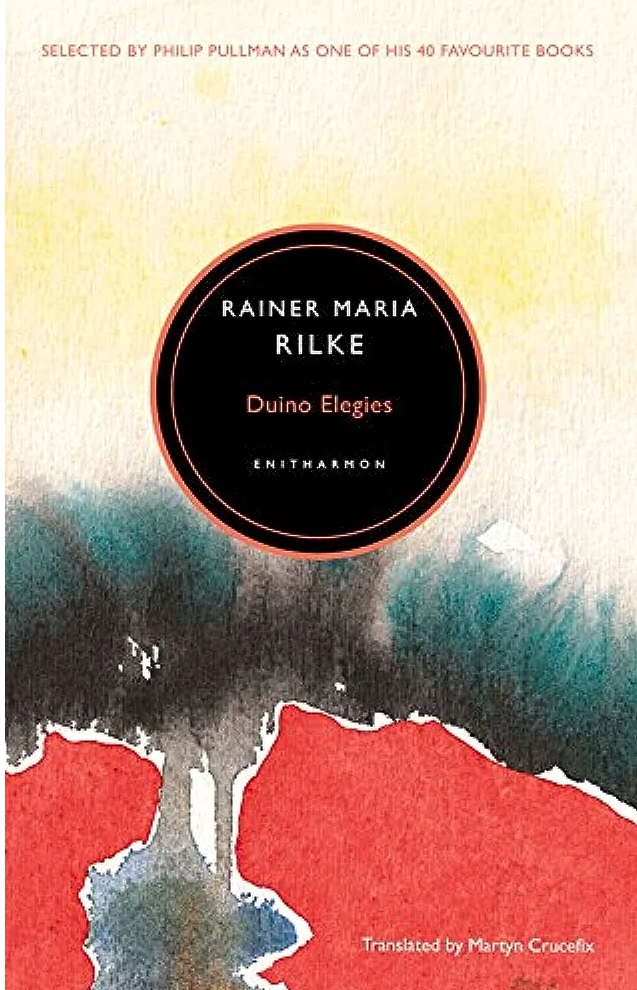
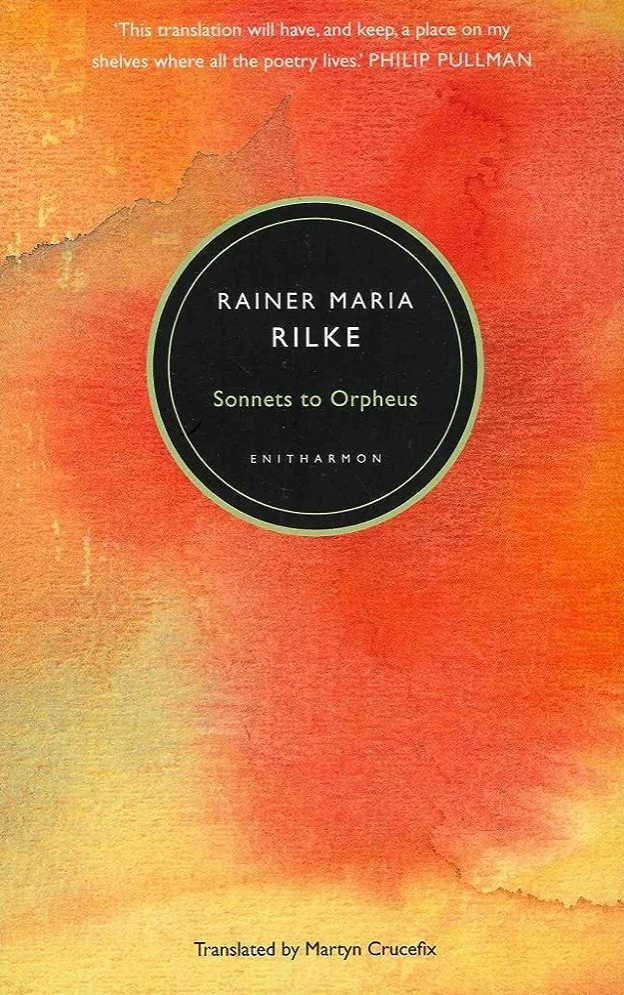
#SonnetsToOrpheus100. To mark the centenary of the publication of Rainier Maria Rilke’s “Sonnets To Orpheus” in October 1923 who would like to join me in 31 writing challenges for October based on Martyn Crucefix’s English translations of Rainier Maria Rilke’s “Duino Elegies” and his “Sonnets To Orpheus”? 1. Write a modern elegy inspired by Rilke’s “Duino Elegies,” reflecting on the fleeting nature of human existence. 2. Imagine yourself as one of the angels mentioned in the “Duino Elegies.” What would you say to a human to offer them solace or guidance? 3. Explore the theme of love and its transformative power in the context of Rilke’s “Sonnets to Orpheus.” Write a sonnet about a love that transcends death. 4. Create a poem that captures the dichotomy between beauty and suffering, as seen in Rilke’s works. 5. Write a letter to Orpheus, responding to Rilke’s perspective on the mythical character’s journey to the underworld. 6. Reflect on the concept of “openness” in Rilke’s poetry. How can one become more open to the world and experiences? Write an essay or personal reflection. 7. Explore the symbolism of the rose in Rilke’s “Sonnets to Orpheus.” What does it represent, and how can it be interpreted in a modern context? 8. Write a dialogue between Rilke and another poet or artist, discussing their creative processes and inspirations. 9. In “Duino Elegies,” Rilke contemplates the relationship between humans and nature. Write a poem that echoes his thoughts on this connection. 10. Create a short story that reimagines the story of Eurydice from “Sonnets to Orpheus” with a contemporary twist. 11. Explore the concept of transcendence and spiritual awakening in Rilke’s works. How can one achieve a sense of spiritual growth and enlightenment today? 12. Write a series of haikus inspired by Rilke’s poetic style, focusing on themes of solitude, introspection, and nature. 13. Imagine you are a translator tasked with translating one of Rilke’s poems into a different language. Describe the challenges and nuances of this process. 14. Write a character study based on the figures in Rilke’s poetry, such as angels, lovers, or mythical beings. 15. Consider Rilke’s exploration of time and mortality. Write a reflective piece on how individuals can find meaning in the face of their own mortality. 16. Explore the role of music and sound in Rilke’s poetry. Write a poem inspired by the idea of the “inner music” he mentions. 17. Write a letter from Orpheus to Rilke, discussing their shared experiences as artists and the challenges of seeking beauty and truth through their work. 18. Reflect on the idea of the “infinite” in Rilke’s poetry. How can one embrace the infinite within the confines of daily life? 19. Write a poem inspired by Rilke’s use of vivid, sensory imagery, evoking the beauty of the natural world. 20. Create a short story that explores the tension between the human desire for connection and the fear of vulnerability, as seen in Rilke’s writings. 21. Write a poem in the style of a “Sonnets to Orpheus” that celebrates the creative process and the power of artistic expression. 22. Reflect on Rilke’s concept of “transformation” in his poetry. How can personal transformation be a source of growth and healing? 23. Write a dialogue between Rilke and a contemporary philosopher, discussing existential themes and the human condition. 24. Explore the idea of language and its limitations in conveying deep emotions and experiences, as Rilke does in his poetry. 25. Write a poem that captures the essence of Rilke’s “Duino Elegies” in a condensed form, expressing the longing for transcendence. 26. Create a visual art piece inspired by Rilke’s poetry, interpreting his words and themes through imagery. 27. Reflect on Rilke’s exploration of solitude and introspection. How can moments of solitude be transformative in today’s fast-paced world? 28. Write a short play or dialogue between two characters who discuss the themes of love and beauty as explored by Rilke. 29. Imagine you are a traveler visiting the landscapes described in Rilke’s poetry. Write a travel journal reflecting on your experiences and emotions. 30. Explore the concept of the poet as a “seer” in Rilke’s works. How can poetry serve as a lens to perceive the world in a different light? 31. Imagine you are Rilke himself and write a poem inspired by his own introspective journey. Martyn Crucefix has given me his personal permission to use his translations.

#TheSealeyChallenge. Day Thirty. “The Bird Room” by Dawn Gorman.Tender meditations on the relationship between father and daughter. Dawn sees through her late father’s binoculars. Heart tugging poetry. Highly recommended. A fuller review will appear in The Broken Spine.

The Bird Room https://amzn.eu/d/0GwrC0P
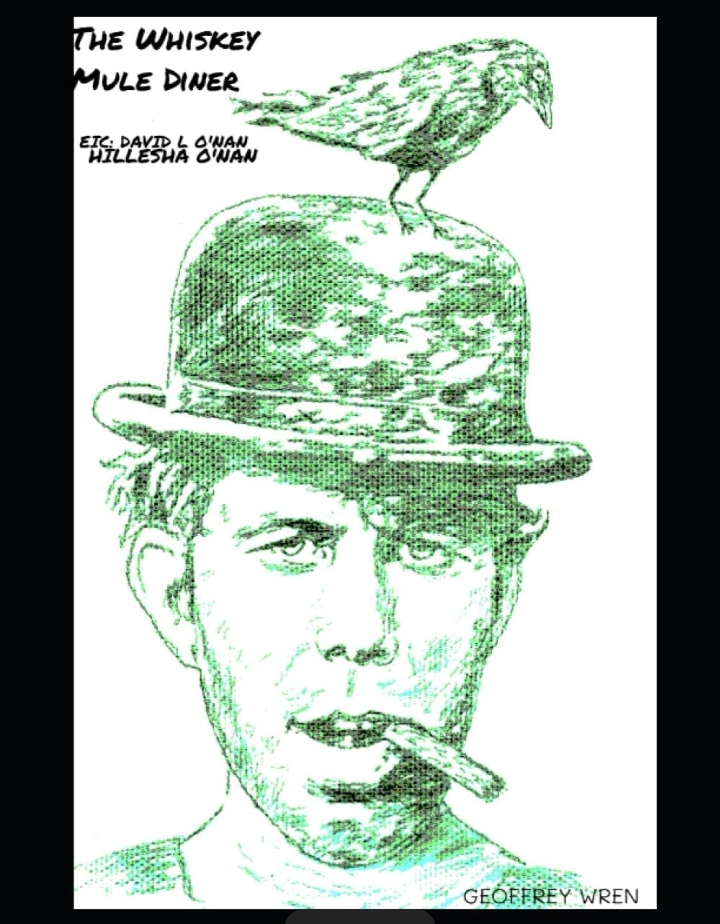
#TheSealeyChallenge. Day Twenty-nine. “The Whiskey Mule Diner” edited by David L O’Nan. Absorbing anthology of works inspired by the music and lyrics of Tom Waits. Highly recommended. A fuller review will appear in The Broken Spine.

The Whiskey Mule Diner Anthology: Inspired by Tom Waits https://amzn.eu/d/8nIGslc

#TheSealeyChallenge. Day Twenty-eight. “A Census of Preconceptions ” by Oz Hardwick.Once described as a writer of “neo-surreal prose poetry”, Oz takes us into the wonder filled world of ordinary worlds of blended genres full of humanity. Highly recommended. A fuller review will appear in The Broken Spine.

A Census of Preconceptions https://amzn.eu/d/6qBTJyZ
Thankyou, David L O’ Nan for this “A Feature Poetry Showcase from Paul Brookes” that highlights my poetic journey so far, including my first published poem in 1987, and a recently composed seven sonnet monologue called “A Brandished Knife”. Love a woman to record this monologue, as it is written with a woman’s voice in mind.

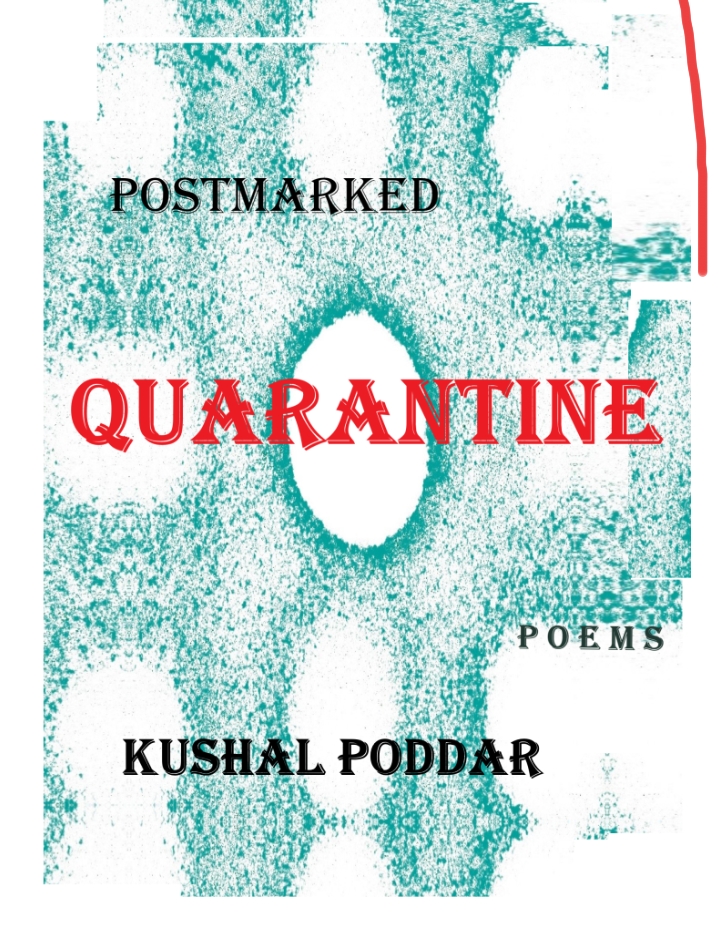
#TheSealeyChallenge. Day Twenty-seven. “Postmarked Quarantine ” by Kushal Poddar.Reading the pandemic backwards, Kushar surreally explores a day by day account of how the pandemic progressed. Its seeming unreality, the way time became a fog for some. .Highly recommended. A fuller review will appear in The Broken Spine.

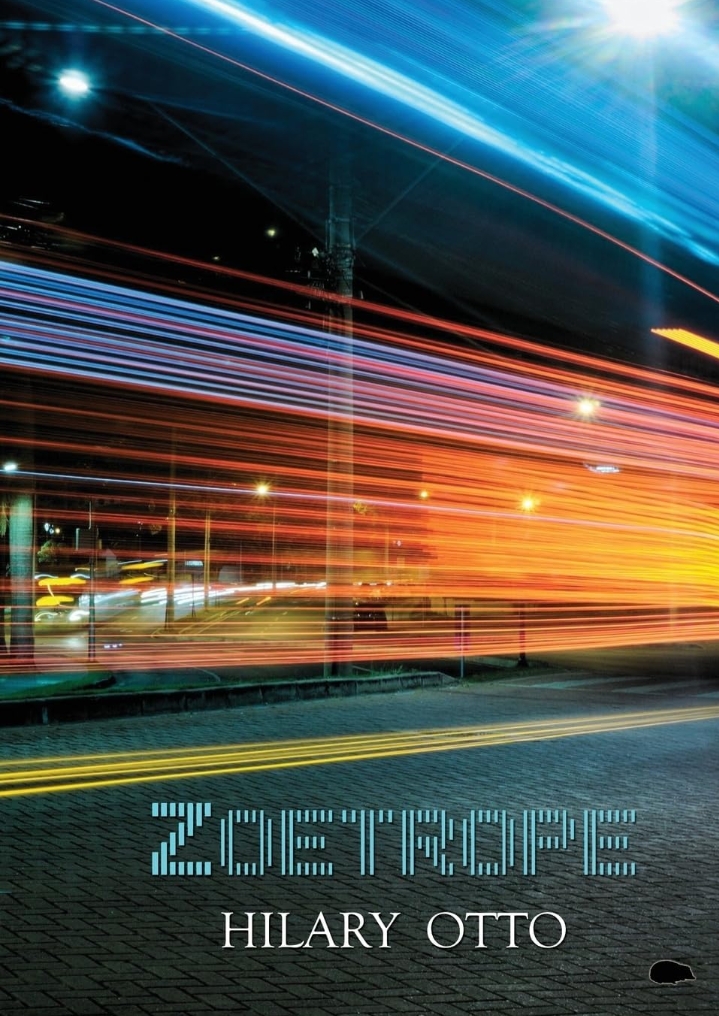
#TheSealeyChallenge. Day Twenty-six. “Zoetrope ” by Hilary Otto. Unexpected turns of phrase. Hilary’s poetry never ceases to surprise. Repays endless rereading.Highly recommended. A fuller review will appear in The Broken Spine.

Zoetrope https://amzn.eu/d/9r4qGZ9

“Created Responses To This Day” Karen Pierce Gonzalez responds to one of my This Day images. I would love to feature your responses too.

Hanging Droplet by Paul Brookes

 It is a drop


spilling over

what this pond can hold -


its mouth

still open

for more

Karen Pierce Gonzalez

#TheSealeyChallenge. Day Twenty-five. “The Telling ” by Julia Webb. Every poem holds that visceral otherness, amongst the relatable. Reader becomes totally absorbed in the intensely personal language world of each poem.Highly recommended. A fuller review will appear in The Broken Spine.

The Telling https://amzn.eu/d/gkBGa3m

#TheSealeyChallenge. Day Twenty-four. “Transition Thunderstorms ” by Beth Bonness. Stunning poetry that encapsulates and describes inside the mind of a stroke victim. Highly recommended. A fuller review will appear in The Broken Spine.

Transition Thunderstorms https://amzn.eu/d/70Z2xHH