lives in the Tidewater region of Virginia. Her work is distinctly Southern, with a strong sense of time and place. This high school English teacher is a watcher, and is not afraid to tackle current issues and concerns.
I look to form choice last in almost all of my work. This is something I am working on, because the visual appearance of a poem is a reader magnet. I finish my poems, and then began to move, shorten, lengthen, and modify. I am not analytical, so the format poems such as the sonnet or ghazal, make my head pound a bit. I did include a haibun in Just a Spit down the Road.
Photo by Paul Brookes
Photo by Paul Brookes
Trigger WarningPEOPLE OF A SENSITIVE NATURE ARE ADVISED THAT THE FOLLOWING EXTRACTS EXPLORE FAMILY DYSFUNCTION AND ABUSE ISSUESZero Gravity
Gayle J. Greenlea
Excerpt for 14 November, 2021
<chapter> Twocontinued
“Funny you should mention pervs,” Hilary said. That’s just what I want to talk to you about.”
Veronica looked nervously down the hall. “O-kaaay”, she said. But we have to make this quick. If Eva catches you again, she’ll throw us both out.”
Eva owned the brothel and was not keen about Hilary using the girls as informants for her investigative reporting. “Time talking is time you could be on your back,” she repeatedly admonished the girls when they congregated in one of the extra bedrooms between johns to gossip and do each other’s nails. Last time Hilary was at the brothel, the high-strung owner had chased her down the stairs waving a marble rolling pin which she kept, not for baking, but for discouraging unruly customers.
“No worries. This won’t take long. Word on the street is there’s a predator harassing working girls. Have you had any clients recently who were violent or had odd predilections? I mean beyond the usual for this place. Anyone who’s hurt the girls?
Veronica tried to wrap her leopard spots around her body in unconscious camouflage. A shadow of fear sharpened her gaze. “I can’t talk to you about that. Eva says it’s bad for business.” She hesitated, as if she wanted to say more, but pressed her lips tight.
-Gayle J. Greelea
YOU’RE THE DEAD TO ME
Second week – Growing – Day Seven
Dead leaf says to earth
You get used to the warm shine.
Hold out for the gust
-Paul Brookes
Bios And Links
-Gayle J. Greenlea
is an American-Australian poet and counselor for survivors of sexual and gender-related violence. Her poem, Wonderland”, received the Australian Poetry Prod Award in 2011. She shortlisted and longlisted for the Fish Poetry Prize in 2013, and debuted her first novel, Zero Gravity, at the KGB Literary Bar in Manhattan in 2016. Her work has been published in St. Julian Press, Rebelle Society, A Time to Speak, Headline Poetry and Press, The Wombwell Rainbow, Fevers of the Mind, Kalonopia and The Australian Health Review.
Photo by Paul Brookes
Photo by Paul Brookes
Trigger WarningPEOPLE OF A SENSITIVE NATURE ARE ADVISED THAT THE FOLLOWING EXTRACTS EXPLORE FAMILY DYSFUNCTION AND ABUSE ISSUESZero Gravity
Gayle J. Greenlea
Excerpt for 13 November, 2021
<chapter> Twocontinued
“An hour should do,” Hilary winked at the woman, and shoved a credit card across the desk.
The woman tapped a bell and a young woman in leopard-print lingerie appeared, fake fur cuffs around her wrists. “This is Veronica,” the receptionist said. She’ll take you up to Penelope. I suppose you know the drill. Shower first.”
Hilary obediently followed Veronica up a winding staircase carpeted in red. Mirrors flashed rainbow light from the chandeliers. When they got to the second floor, Hilary pulled Veronica aside. The two women knew each other from a story Hilary had written for the Herald: “Intimate Portraits of Working Girls”. Protected by anonymity, the women interviewed had revealed vivid details of working life on the streets, in massage parlours and in licensed brothels.Veronica had since provided Hilary with helpful leads on other stories about bikey gangs, drugs and street crime. Working girls were always alert to what was going on in the city. “Veronica”, Hilary said, “I need to ask you something. But first, tell me how you are.”
“Oh, you know, same-old-same-old. The men get older and the women get younger. I’ve gone through jars and jars of anti-wrinkle cream. Gets harder every day to stay on this side of 25. And the pervs want teenagers.” Veronica rolled her eyes.
-Gayle J. Greenlea
YOU’RE THE DEAD TO ME
Second week – Growing – Day Six
Earth says to dead leaf.
You’ll move into heat and light.
It’s comfy darkness.
-Paul Brookes
Bios And Links
-Gayle J. Greenlea
is an American-Australian poet and counselor for survivors of sexual and gender-related violence. Her poem, Wonderland”, received the Australian Poetry Prod Award in 2011. She shortlisted and longlisted for the Fish Poetry Prize in 2013, and debuted her first novel, Zero Gravity, at the KGB Literary Bar in Manhattan in 2016. Her work has been published in St. Julian Press, Rebelle Society, A Time to Speak, Headline Poetry and Press, The Wombwell Rainbow, Fevers of the Mind, Kalonopia and The Australian Health Review.
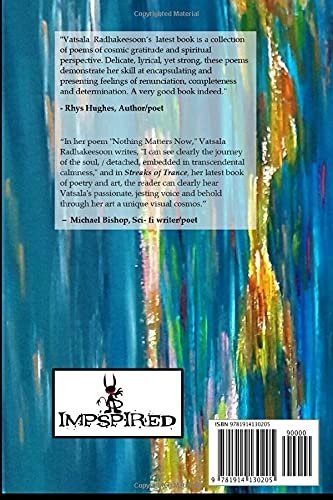
In this unique collection of poetry, including Haiku as well as an eclectic art collection, Radhakeesoon certainly succeeds to put the reader in a welcome poetic and artistic literary trance, whilst never allowing us to look away, even just for a brief moment. We are invited to immerse ourselves in each aspect of this diverse gem of creativity, as we flow with the author in a river of poetry, as well as willingly journey through a gallery of original, timely and revelatory artworks, which somehow fits in with the overall and encompassing essence of this hybrid tour de force.
In the first part of three in this collection; ‘Flow, flow the Words’, Radhakeesoon leaves no stone unturned…
has been writing stories, poems and verses since she was a child. It’s not always what is considered poetry by some, as she isn’t a lover of sweet, schmaltzy rhymes! She is currently writing her first novel. A psychological thriller with a paranormal element, and she hopes to bring out a poetry collection one day! She lives on the Isle of Skye. While some of her poetry is written from personal experience, others are written from her slightly dark and twisted imagination.
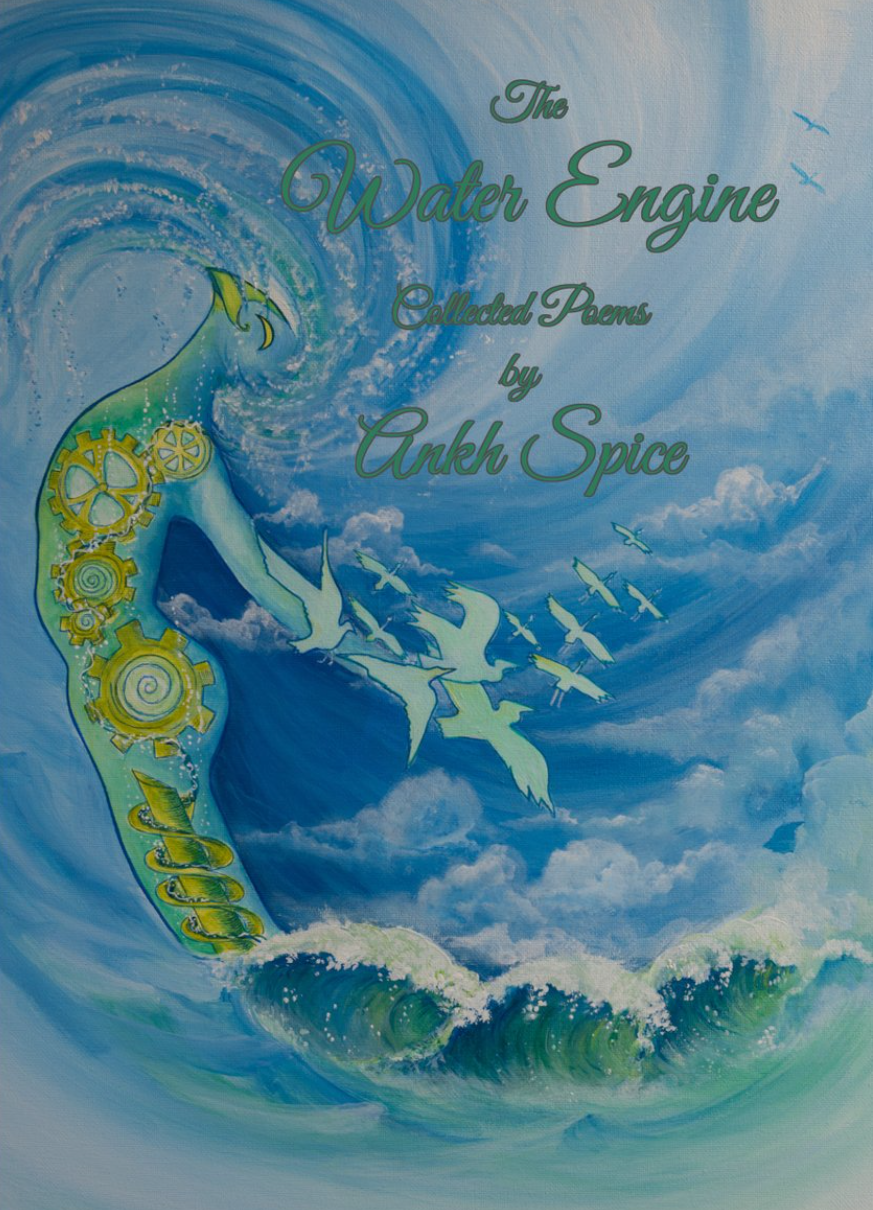
I suspect people who know my work might expect the answer to be ‘it isn’t’, because I’m a free-verse kind of spirit who rarely writes to strict form. (One notable exception would be haiku/senryu – writing these is a sort of meditative distillation for me and often a seed/focus for other flow-from-image work, or like catching a passing moment/thought in a butterfly net exactly the right size).)
I greatly admire poets who do write in strict forms, but my brain tends to gravitate to open-ended space rather than absolute rules, unless they’re extremely condensed. What that doesn’t mean is that form isn’t important to my work in the broader sense of its elements. I absolutely do use line length, shape, space (including surrounding space), internal rhyme, cribbed rules of metre in ways that don’t adhere to prescribed patterns, but are crucial to the feeling-translation that I want to hand to a reader, so are very consciously crafted. Probably the elements I apply most deliberately are enjambments and rhythm, they’re enormously important to me – the former so often allows a ‘twist’ of multiple meaning to creep in in the space between breaths, and the second
makes a poem lodge in the body, the breath, the heartbeat, not just stay in the eye. In The Water Engine there are quite a few poems that have been editedto differ from their original publication, and most of those edits were a refining of the translation for one of those elements. I also love the idea that you get to do that in a book – to hand people a map that has a very slightly different name for a place they thought they knew on it.
A shorter way to answer this might be that I think some poets gravitate to making the journey of writing a poem by following internal GPS directions, and some navigate by a general sense of the compass, knowing they need to pass the lone fairy-tree or the rocks shaped like a dog’s head. Both types of poet are ultimately using east/west/north/south, but for me the landmarks are more the big pins than the ABC. Either way, it’s a trip.
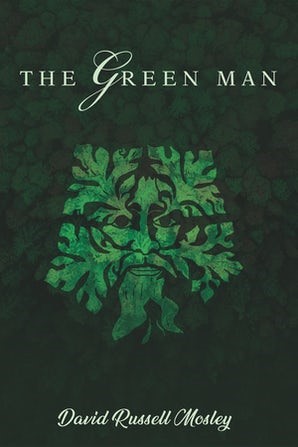
is a poet and theologian living in Washington state. When he’s not teaching or writing, David enjoys getting lost in the woods, drinking a nice scotch, and smoking a pipe. His debut book of poetry, The Green Man, is out now with Resource Publications.
Q.1. How did you decide on the order of the poems in your book?
I knew early on that I wanted to organize my poems around the 4 seasons. But even there, I had to think about what season I wanted to start with, which would control which one I ended with. So, I decided to start with Autumn so I could end in Summer. From there, I added the other three sections, Creation, Fall, and Saints and Other Songs of the Church. I also knew I wanted to end with a poem I thought would tie up the whole collection, which is why the final poem is “The Holy Grail.”
lives in the Tidewater region of Virginia. Her work is distinctly Southern, with a strong sense of time and place. This high school English teacher is a watcher, and is not afraid to tackle current issues and concerns.
Q.1.: How did you decide on the order of the poems in the book?
The first poem is the title poem. I wanted to begin with a young girl questioning herself and the South she lives in, and wanted to express her desire to see beyond where she was, even though the places beyond her home were not perfect. After picking that poem, I then printed all the other poems and began to play the emotion shuffle game. I wanted to deliver the poems by order of emotion and not have too many of the same emotional tugs in a row.
Q:1. How did you decide on the order of the artworks in the book?
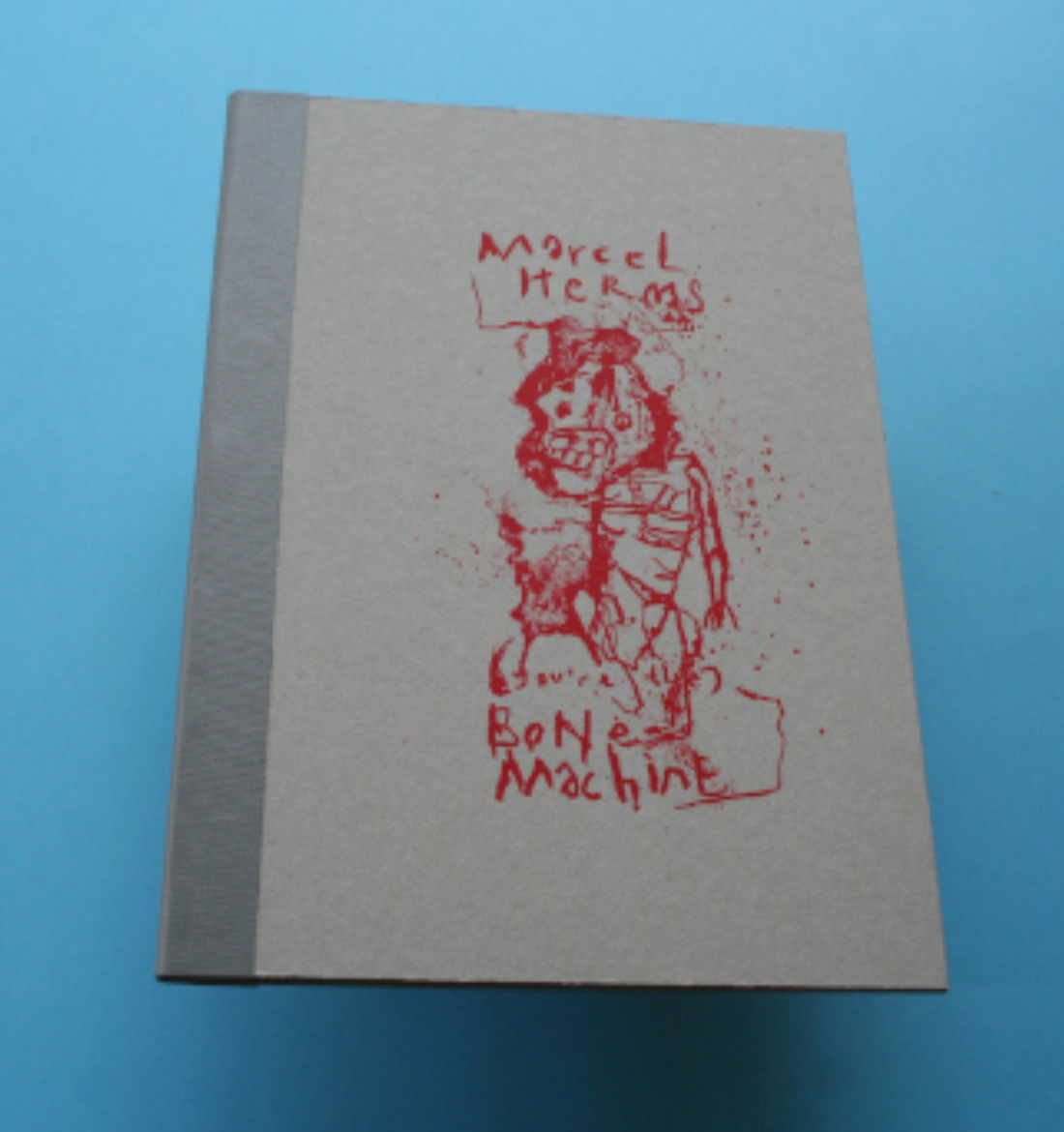
The whole book is actually a result of unconscious decisions. I printed drawings on pages from an anatomy book. That is why every copy is different. I didn’t know in advance what the result would be and that made it exciting for me. I allowed the coincidence. Also regarding the order of images. I haven’t thought about that. The book was, as it were, “created” during the making.
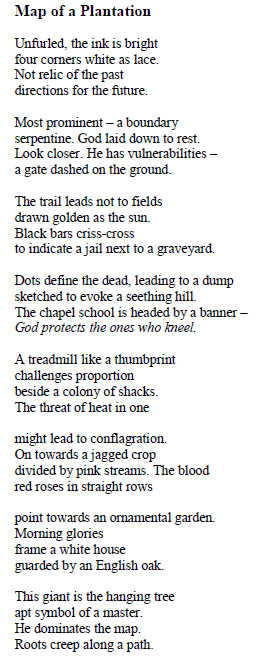
Today we have a real treat: a drop in by talented, prize-winning poet, Jenny Mitchell to reflect on a poem from her amazing Map of a Plantation(Indigo Dreams Publishing, 2021).
It won’t be easy for me to write about Map of a Plantation, the title poem of my second collection, mainly because I don’t know where it came from or why I decided to write it. I think that happens with lots of poems – they simply appear unbidden and, apart from a few tweaks, seem to write themselves.
I can say that the poem Map of a Plantation and the collection come out of my many years of research into British transatlantic enslavement. The research not only changed my outlook on this country’s history, but increased my confidence and led me on a path back to poetry, a form I really thought I had abandoned forever.
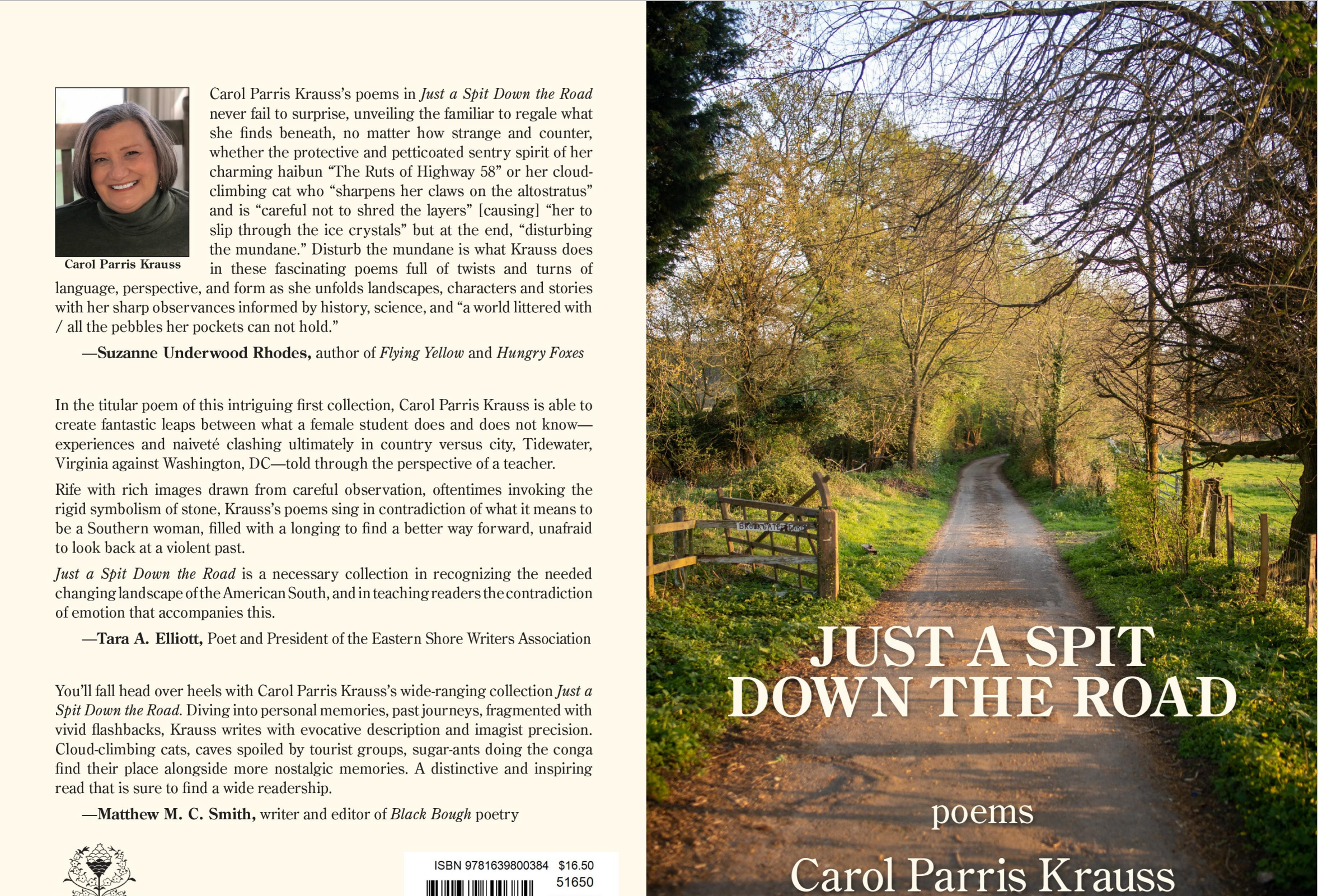
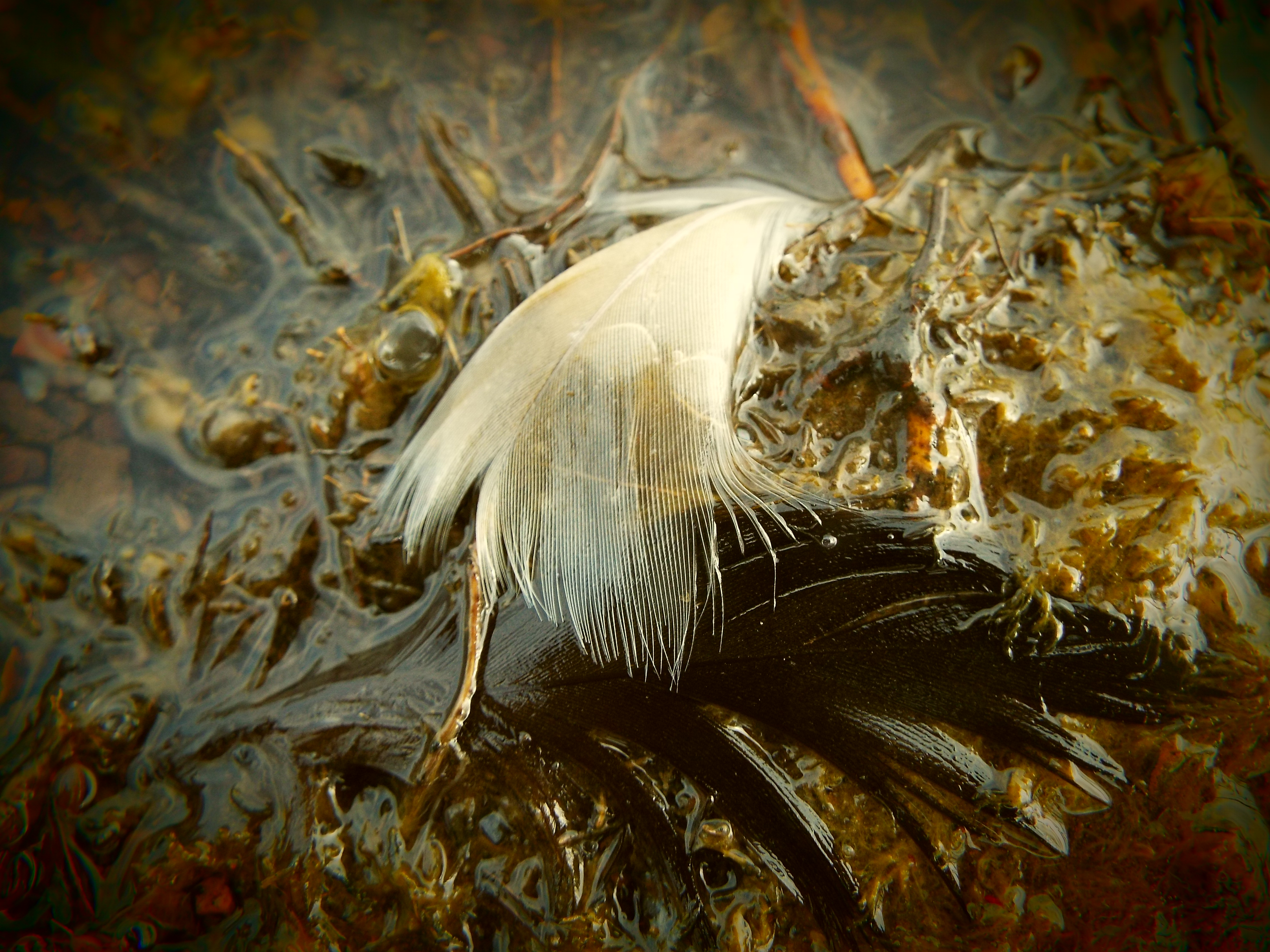 Photo by Paul Brookes
Trigger Warning
PEOPLE OF A SENSITIVE NATURE ARE ADVISED THAT THE FOLLOWING EXTRACTS EXPLORE FAMILY DYSFUNCTION AND ABUSE ISSUES
Zero Gravity
Gayle J. Greenlea
Excerpt for 14 November, 2021
<chapter> Two continued
“Funny you should mention pervs,” Hilary said. That’s just what I want to talk to you about.”
Veronica looked nervously down the hall. “O-kaaay”, she said. But we have to make this quick. If Eva catches you again, she’ll throw us both out.”
Eva owned the brothel and was not keen about Hilary using the girls as informants for her investigative reporting. “Time talking is time you could be on your back,” she repeatedly admonished the girls when they congregated in one of the extra bedrooms between johns to gossip and do each other’s nails. Last time Hilary was at the brothel, the high-strung owner had chased her down the stairs waving a marble rolling pin which she kept, not for baking, but for discouraging unruly customers.
“No worries. This won’t take long. Word on the street is there’s a predator harassing working girls. Have you had any clients recently who were violent or had odd predilections? I mean beyond the usual for this place. Anyone who’s hurt the girls?
Veronica tried to wrap her leopard spots around her body in unconscious camouflage. A shadow of fear sharpened her gaze. “I can’t talk to you about that. Eva says it’s bad for business.” She hesitated, as if she wanted to say more, but pressed her lips tight.
-Gayle J. Greelea
YOU’RE THE DEAD TO ME
Second week – Growing – Day Seven
Dead leaf says to earth
You get used to the warm shine.
Hold out for the gust
-Paul Brookes
Bios And Links
-Gayle J. Greenlea
is an American-Australian poet and counselor for survivors of sexual and gender-related violence. Her poem, Wonderland”, received the Australian Poetry Prod Award in 2011. She shortlisted and longlisted for the Fish Poetry Prize in 2013, and debuted her first novel, Zero Gravity, at the KGB Literary Bar in Manhattan in 2016. Her work has been published in St. Julian Press, Rebelle Society, A Time to Speak, Headline Poetry and Press, The Wombwell Rainbow, Fevers of the Mind, Kalonopia and The Australian Health Review.
Photo by Paul Brookes
Trigger Warning
PEOPLE OF A SENSITIVE NATURE ARE ADVISED THAT THE FOLLOWING EXTRACTS EXPLORE FAMILY DYSFUNCTION AND ABUSE ISSUES
Zero Gravity
Gayle J. Greenlea
Excerpt for 14 November, 2021
<chapter> Two continued
“Funny you should mention pervs,” Hilary said. That’s just what I want to talk to you about.”
Veronica looked nervously down the hall. “O-kaaay”, she said. But we have to make this quick. If Eva catches you again, she’ll throw us both out.”
Eva owned the brothel and was not keen about Hilary using the girls as informants for her investigative reporting. “Time talking is time you could be on your back,” she repeatedly admonished the girls when they congregated in one of the extra bedrooms between johns to gossip and do each other’s nails. Last time Hilary was at the brothel, the high-strung owner had chased her down the stairs waving a marble rolling pin which she kept, not for baking, but for discouraging unruly customers.
“No worries. This won’t take long. Word on the street is there’s a predator harassing working girls. Have you had any clients recently who were violent or had odd predilections? I mean beyond the usual for this place. Anyone who’s hurt the girls?
Veronica tried to wrap her leopard spots around her body in unconscious camouflage. A shadow of fear sharpened her gaze. “I can’t talk to you about that. Eva says it’s bad for business.” She hesitated, as if she wanted to say more, but pressed her lips tight.
-Gayle J. Greelea
YOU’RE THE DEAD TO ME
Second week – Growing – Day Seven
Dead leaf says to earth
You get used to the warm shine.
Hold out for the gust
-Paul Brookes
Bios And Links
-Gayle J. Greenlea
is an American-Australian poet and counselor for survivors of sexual and gender-related violence. Her poem, Wonderland”, received the Australian Poetry Prod Award in 2011. She shortlisted and longlisted for the Fish Poetry Prize in 2013, and debuted her first novel, Zero Gravity, at the KGB Literary Bar in Manhattan in 2016. Her work has been published in St. Julian Press, Rebelle Society, A Time to Speak, Headline Poetry and Press, The Wombwell Rainbow, Fevers of the Mind, Kalonopia and The Australian Health Review.




 The Wombwell Rainbow