Samuel Tongue’s The Nakedness of the Fathers dexterously surveys the monster of capitalism via jaywalks, googleearth the ‘contagiousness’ of treadmills, sanitiser-slick supermarkets and the charade of prosperity. This is a landscape poetry ready and able to utilise the personal as a site of resistance, where father’s cry for ‘a mother in the dark’ and the world exists precariously, ‘a flux of ever-living fire.’ Linguistically rich and yet, where need be, capable of serrated directness, Tongue skilfully drifts through a network of forms. Impressively dialogic, at its heart, The Nakedness of the Fathers is a conversation made with others, from Derrida to Sontag. Crucially, Tongue is able to metabolise the complexities of violence whilst letting language have its say…
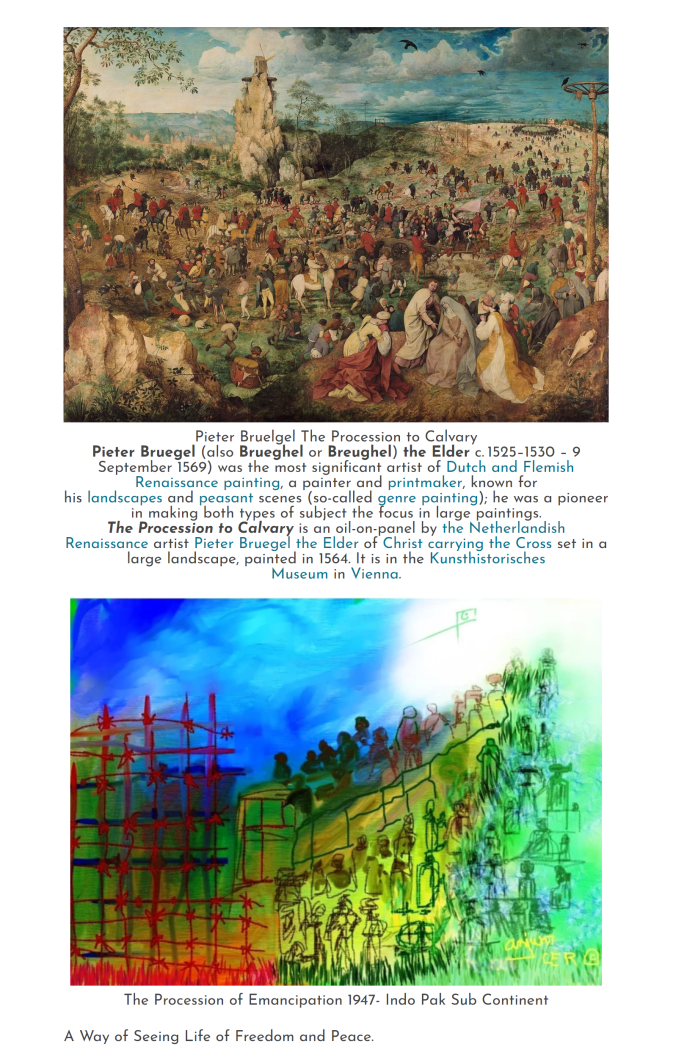
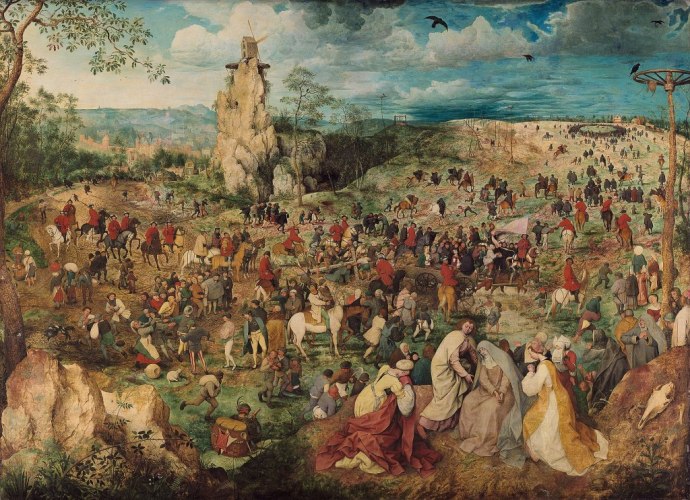
Note: “The Procession to Calvary” was looked at by Berger in the First programme. Anjum is commenting on this in reference to chapter four’s photo essay.”
Who Owns the World?
A Golden Shovel
It’s 1519, and Magellan sets out to create a maritime trade route in
advance of the expansion of completeness and the 2014
test flight of Virgin Galactica. No one named Claudia
is involved in Magellan’s exploration, but Claudia Rankine
in her 2014 book, Citizen, An American Lyric, writes
a piece that Afua Hirsch quotes in her book Brit(ish), the
one called Race, Identity and Belonging, where Afua’s world
is redrawn when she discovers her Dutch sixth great-grandfather is
a slave trader in the Castle of Elmina and all that’s wrong
with Welzing owning her sixth great-grandmother, a slave. You
feel a sense the past is in present tense and you can’t
ignore it. John Berger in Ways of Seeing shows how Holbein put
desire for tactile possessions central to The Ambassadors, 1533, the
one where two proud men stand rigidly gazing out past
the artist, the audience, and the world onto new worlds. Behind
them, navigational instruments chart Magellan’s voyage you
feel you crowd-funded. They own the world, but I feel it’s
another way round—their world owns the viewer. Holbein turned
paint into exquisite illusions of real objects and materials your
hands will never touch. His oil paint depicts flesh
that’s real, pale and desirable, putting into
the mind of the viewer the idea that the painting is its
own Holy sponsor, its own Holy coloniser, and you will never own
it even though it hangs in the National Gallery above a cupboard.
-Cy Forrest
Bios And Links
-Cy Forrest
is from Manchester but now living in Wiltshire. Poems in The Honest Ulsterman, IceFloe Press and The Wombwell Rainbow. Poems due to appear in Stand in 2022.
Paintings Referenced in chapter four of the book of the TV series.
The Venus of Urbino by Titian, 1487 / 90- 1 576 , Uffizi , Florence
Olympia by Edouard Manet, 1832- 83, Louvre, Paris
Virgin Enthroned by Cimabue , Louvre, Paris, c.1240- 1302?
Virgin, Child and Four Angels by Piero della Francesca, 1410 / 20- 92, Williamston, Clark Art Institu te
Madonna and Child by Fra Filippo Lippi, 1457/ 8- 1504
The Rest on the Flight into Egypt by Gerard David, d.1523, National Gallery of Art Washington, Mellon Collection
The Sistine Madonna by Raphael, 1 483- 1520, Uffizi, Florence
Virgin and Child by Murillo, 1617- 82, Pitti Palace, Florence
The Pretty Baa Lambs by Ford Madox Brown , 1821- 93, Birmingham City Museum
Death of St Francis y Giotto, 1266 /7- 1337, Sta Croce, Florence
detail of Triumph of by Pieter Brueghel , 1525 / 30- 69, Kunsthistorisches Museum, Vienna
Guillotined by Theodore Gericault, 1791 – 1824, National Museum, Stockholm
Three Ages of Woman by Hans Baldung Grien, 1483- 1545, Prado, Madrid
Dead Toreador by Edouard Manet,
Still Life by Pierre Chardin, 1699 – 1779 , National Gallery , London
Still Life by Francisco Goya, 1746 – 1828 , Louvre, Paris
Still Life by Jean Baptiste Oudry, 1686- 1755 , Wallace Collection, London
Still Life by Jan Fyt, Wallace Collection, London
Daphnis and Chloe by Bianchi Ferrari, Wallace Collection , London
Venus and Mars by Piero di Cosi mo, 1462- 1521 , Gemaldegalerie, Berlin – Dahlen
Pan by Luca Signore
My first blog of 2022 and I’ve already broken my promise to blog every week. Oh well. Such is life.
The first two weeks of 2022 have been spent getting into a routine, finding a way to work and work. ie finding a way to do all the money paying stuff that pays my mortgage and bills and find time to write which does not pay my mortgage and bills, but is essential to me calling myself a writer, and has the potential to help pay my mortgage and bills later down the line. Growing a career as a creative writer is very much about offsetting time, working out what is worth and not worth doing. I am behind with answering emails (apologies if you’re waiting to hear from me, it’ll be this week) I’m behind with promotion stuff, and planning stuff and…
I apologise for my insensitivity in dealings with potential contributors. I meant to give them a voice and leave all the choice of what work they wished to present to them. My messages got garbled, leaving them feeling unsafe and uncomfortable so that they withdrew their work and all other associations with me. I intended exactly the opposite. For this place to be safe and comfortable, and unthreatening. I am so sorry this has happened. I need this to be a safe place.
-Darryl Lovie
-Val Bowen
Bios And Links
Amazon Author Page
This is a very vital work for a variety of reasons. Prose and poetry are juxtaposed and interrelated as Jeremy Hooker acknowledges he has occasionally undertaken since hisWelsh Journal(2001) and it is very revelatory in that regard. The prose records four visits to hospital Hooker, nearing 80, experienced having been affected by a serious kidney condition, and by the end we find he is not yet receiving but anticipating dialysis. The play of the book is between hospital diaries and poems Hooker wrote during the same passage of time, and it is fascinating to note the mutual influences, one upon or against the other.
There is a long opening stretch of prose, about 30 pages, which can acculturate the reader to Hooker’s style and voice. Here one very pertinent assertion is made early on where our author cites Barry Lopez saying that ‘All great art tends to draw…
Here is the Youtube link: This is age appropriate:
Tintoretto: Susannah and the Elders
‘She is not naked as she is. She is naked as the spectator sees her.’
Enter; Shame
Shoshana means lily. My white toes glimmer through cool water. I shed my sweaty wifely garb and slide right in, safe in my garden pool from lustful eyes that seem to say, ‘you owe me’. Until the sheltering leaves above me part and reveal – two old and uninvited faces . . . I could have died! Thank God dear Daniel saw them, and reported.
-Sarah Watkinson
The Nude in Art, or Berger’s Women
I stand in front of the mirror with my clothes off. Don’t worry; there won’t be a description. I am trying to see where I fit in the parade of women I have been watching on the screen.
The narrator says that women are obsessed with their own appearance.
The camera plays slowly over a naked woman, curled around herself, shown tastefully at a distance, while the nature of woman as an object is explained. She looks vulnerable. I wonder if she chose the pose. I wonder if she was cold.
The narrator says that classical art showed women with mirrors as a representation of vanity.
Although as every painter knows, painting mirrors is a painterly trick, as if the painter has not chosen to include the mirror to show off what he can do (they are almost always he).
The narrator shows the film to some women.
He asks their opinions. He is charming, and only leads them a little. He does not, however, tell us their names, or who they are, or how he knows them.
I will tell you.
Anya was his wife. Before she was his wife she was a Russian émigré who had lived in Vienna, was Sigmund Freud’s neighbour, worked for the UN and spoke six languages. After she was his wife, she still could.
Eva came to London as a child refugee in the War, endured exile and fear, wrote experimental and feminist fiction about ‘Patriarchal Attitudes’ and showed not a trace of irony.
Jane was a Cambridge graduate, Socialist, writer about women, publisher, scholar, activist. Polite contributor to the debate.
Barbara, artist, communist, founder member of the Communist Party Artists’ Group, Seventy-six at time of filming, Reasonable. Controlled, Was that a flicker of frustration?
Carola was an artist. No picture is available. No sample of her art. No record of her ideas. Nothing but a young head, dark, bent, low-voiced, apologetic, speaking seldom and quietly overlooked.
Somebody decided to list their names in the credits.
Otherwise you and I would never know who they were. When you watch the film online the replay skips the credits and goes straight to the next film. I am trying not to find this ironic.
We set sail with Columbus in La Niña in 1492. In 1992, Sylvia Wynter decides to work on a new interpretation of 1492. Wynter says Columbus went ‘beyond the orthodox geography of the time’. She says social status, desire for wealth, lust for gold makes him deconstruct beauty and valour in Botticelli’s Venus and Mars, isolating the girl so she’s central to a portrait and not part of the allegorical mechanisms Botticelli intended. She’s beauty, he’s valour, surviving storms by praying and sending a letter to Ferdinand saying belief saves him, which keeps his rich patron happy, or he’s just lucky, we will never know. In Ways of Seeing, John Berger shows that to continue to isolate the girl so the bigger picture is lost, is to believe Mandeville’s 1357 Book of Marvels and Travels, to make a mountain of unmet urges, to kiss dragons, to make opaque our desire to conquer damsels with too much treasure to leave lying around in vaults in castles, to have it for ourselves and to be lord of her and those islands we know as the Caribbean. Mandeville doesn’t meet Hippocrates’ daughter. The reality is there’s no Sir John Mandeville, that a travel book of desires is constructed out of fantasies our minds continue to trick ourselves into believing. On its own, Berger’s gap between words and seeing reveals human agency, self-delusion buried deeply along with any sense of what it feels like to be human. We respect Columbus for his valour, for his success in charting the way, to draw a map of what it is to be Western, but his programming ensures he doesn’t know what human is, and being set adrift in oceans beyond ‘humanity’ ensures his reprogramming never happens. He sails into oblivion with no sense of how he cheats himself, blinded by potential riches our Western world still thrives on, not facing up to his own declining ecology, not curbing his own desires for excess, not realising how his behaviours are the problem, but succeeding in putting into the minds of others how they should be transformed when we ourselves need to be agents of change the planet needs. So, I set sail on this adventurous project and wonder how to celebrate John Berger’s fifty years—the word that comes to mind first and last is We.
-Cy Forrest
Cy says: “A golden shovel that uses Sylvia Wynter’s call for ‘deconstruction of the mechanisms by which we continue to make opaque to ourselves the reality of our own agency with respect to programming and reprogramming of our own desires, behaviours, minds, ourselves, the I and the We’.”
I lifted it from p192 David Scott‘s The Re-Enchantment of Humanism: An Interview with Sylvia Wynter:
is a lost kiwi living on the Isle of Mull. Poet, author, librarian and escaped botanist: her poems are intimate and personal, and often link the natural world with mythological themes. She is especially fond of selkies.
Her first collection, The Knitted Curiosity Cabinet, won the Britwriters Prize for Poetry in 2012. She is fascinated by the interface between human mind and the physical world, and her poems often have a scientific or mythological theme.
-Cy Forrest
is from Manchester but now living in Wiltshire. Poems in the Honest Ulsterman, IceFloe Press and The Wombwell Rainbow. Poems due to appear in Stand in 2022.
-Sarah Watkinson
is an Irish citizen, mycologist, and painter’s daughter. She lives in Oxfordshire, and has published two poetry books: Dung Beetles Navigate by Starlight, Cinnamon Press prizewinner 2017, and Photovoltaic, out this year from Graft Poetry.
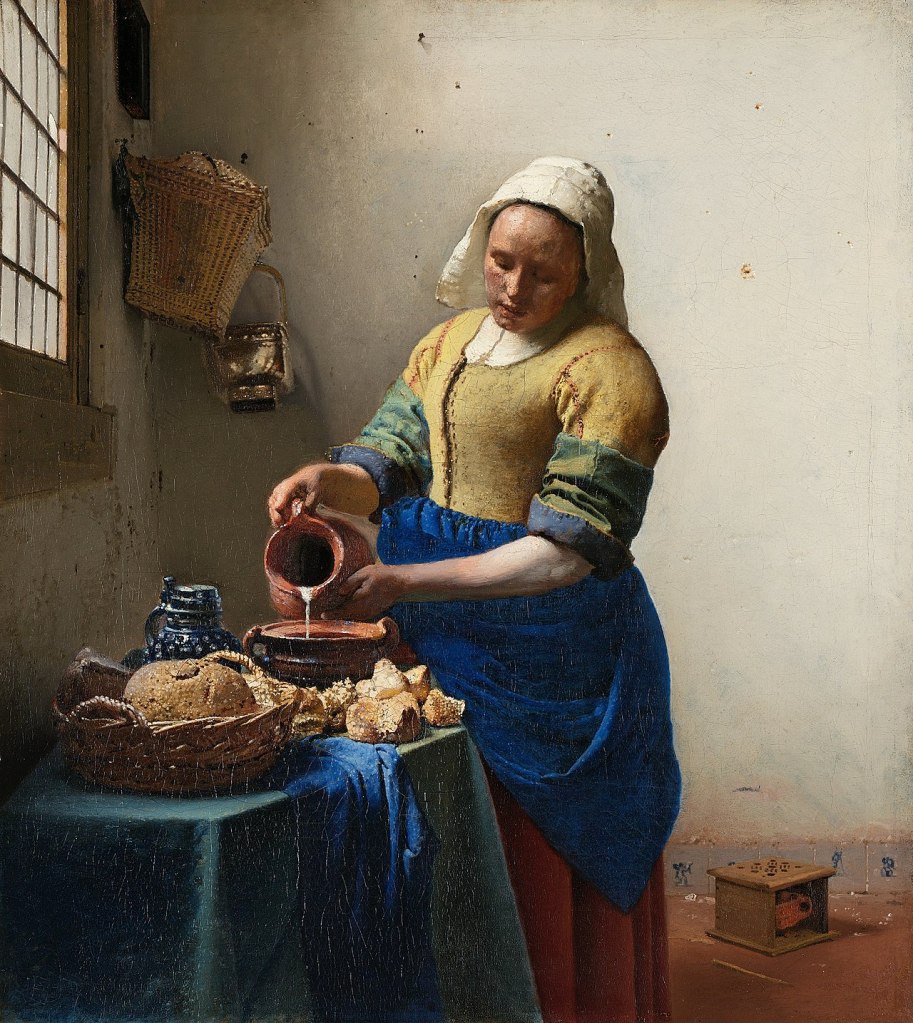
The Milkmaid (Dutch: De Melkmeid or Het Melkmeisje), sometimes called The Kitchen Maid, is an oil-on-canvas painting of a “milkmaid”, in fact, a domestic kitchen maid, by the Dutch artist Johannes Vermeer. It is now in the Rijksmuseum in Amsterdam, the Netherlands, which regards it as “unquestionably one of the museum’s finest attractions”. According to the Metropolitan Museum of Art in New York City, it was painted in about 1657 or 1658. Jan Vermeer; October 1632 – December 1675) was a Dutch Baroque Period[3]painter who specialized in domestic interior scenes of middle-class life. During his lifetime, he was a moderately successful provincial genre painter, recognized in Delft and The Hague. Nonetheless, he produced relatively few paintings and evidently was not wealthy, leaving his wife and children in debt at his death.Vermeer worked slowly and with great care…
lives in Cumbria where most of her poetry is rooted. Her two poetry collections are with Indigo Dreams Publishing. Her biography Kay’s Ark published by Handstand Press. Her poems have appeared widely in magazines and anthologies and have won or been short listed in several competitions. Kerry’s third collection (joint winner of the Full Fat Collection, Hedgehog Press) will be published in 2022.
Update for Paul Brookes at Wombwell from Kerry Darbishire
Since our conversation in 2019 I’ve been busier than ever. Possibly to do with the Pandemic which could have put a halt to creativity but then I thought, sink or swim and consequently adapted by enrolling on workshops, keeping up with my local poetry groups: Dove Cottage Poets, Write on the Farm, and the Kendal Brewery Poets for workshopping poems. Deadlines are a good thing for me, something to aim for. Also buying and reading many different styles of poetry, joining zoom readings, and open mics has been a huge inspiration. And through zooms etc., and one of the best things, is meeting poets from all over the world. I’ve had acceptances in anthologies and placements in several competitions. I jointly won the Hedgehog Press collection competition this year with my new and third collection Jardinière, which I’m very excited about. I’m also currently working on three pamphlets.
Due to copyright concerns I cannot reproduce exact copies of the photo essays in John Berger’s book of the TV series. Hopefully what follows is in the spirit of those essays.
We set sail with Columbus in La Niña in 1492. In 1992, Sylvia Wynter decides to work on a new interpretation of 1492. Wynter says Columbus went ‘beyond the orthodox geography of the time’. She says social status, desire for wealth, lust for gold makes him deconstruct beauty and valour in Botticelli’s Venus and Mars, isolating the girl so she’s central to a portrait and not part of the allegorical mechanisms Botticelli intended. She’s beauty, he’s valour, surviving storms by praying and sending a letter to Ferdinand saying belief saves him, which keeps his rich patron happy, or he’s just lucky, we will never know. In Ways of Seeing, John Berger shows that to continue to isolate the girl so the bigger picture is lost, is to believe Mandeville’s 1357 Book of Marvels and Travels, to make a mountain of unmet urges, to kiss dragons, to make opaque our desire to conquer damsels with too much treasure to leave lying around in vaults in castles, to have it for ourselves and to be lord of her and those islands we know as the Caribbean. Mandeville doesn’t meet Hippocrates’ daughter. The reality is there’s no Sir John Mandeville, that a travel book of desires is constructed out of fantasies our minds continue to trick ourselves into believing. On its own, Berger’s gap between words and seeing reveals human agency, self-delusion buried deeply along with any sense of what it feels like to be human. We respect Columbus for his valour, for his success in charting the way, to draw a map of what it is to be Western, but his programming ensures he doesn’t know what human is, and being set adrift in oceans beyond ‘humanity’ ensures his reprogramming never happens. He sails into oblivion with no sense of how he cheats himself, blinded by potential riches our Western world still thrives on, not facing up to his own declining ecology, not curbing his own desires for excess, not realising how his behaviours are the problem, but succeeding in putting into the minds of others how they should be transformed when we ourselves need to be agents of change the planet needs. So, I set sail on this adventurous project and wonder how to celebrate John Berger’s fifty years—the word that comes to mind first and last is We.
Cy says: “A golden shovel that uses Sylvia Wynter’s call for ‘deconstruction of the mechanisms by which we continue to make opaque to ourselves the reality of our own agency with respect to programming and reprogramming of our own desires, behaviours, minds, ourselves, the I and the We’.”
I lifted it from p192 David Scott‘s The Re-Enchantment of Humanism: An Interview with Sylvia Wynter:
I am called an attractive woman. The male gaze stalks me.
Men say they need me. They can’t do without me.
Tell me I give meaning to their lives. I politely refuse, but they push.
Until they tell me I become monster, When I say “No.” They tell me I snap their bones,
braise their sinew and muscle over fire, Sup their blood. When I say “No” they say
I gouge out their heart and chew it raw In front of their faces. When I say “No“,
they say I lick their bones dry, break them To suck out their marrow.
They say I have goat horns above my gorgeous face, a shaggy haired body and bandy bairns legs.
They can’t accept my refusal.
-Paul Brookes
Bios and Links
-Cy Forrest
is from Manchester but now living in Wiltshire. Poems in the Honest Ulsterman, IceFloe Press and The Wombwell Rainbow. Poems due to appear in Stand in 2022.
Acknowledgements
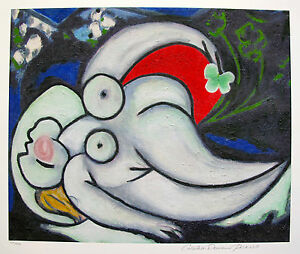
Nude by Picasso,
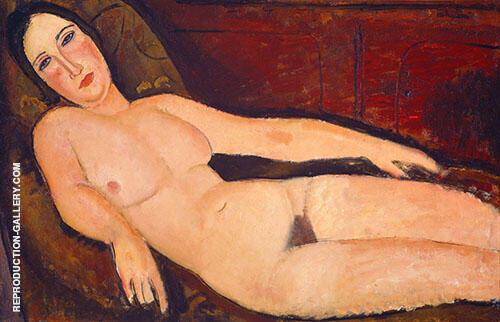
Nude by Modigliani, 1884- 1920 , Courtauld Institute Galleries, London38
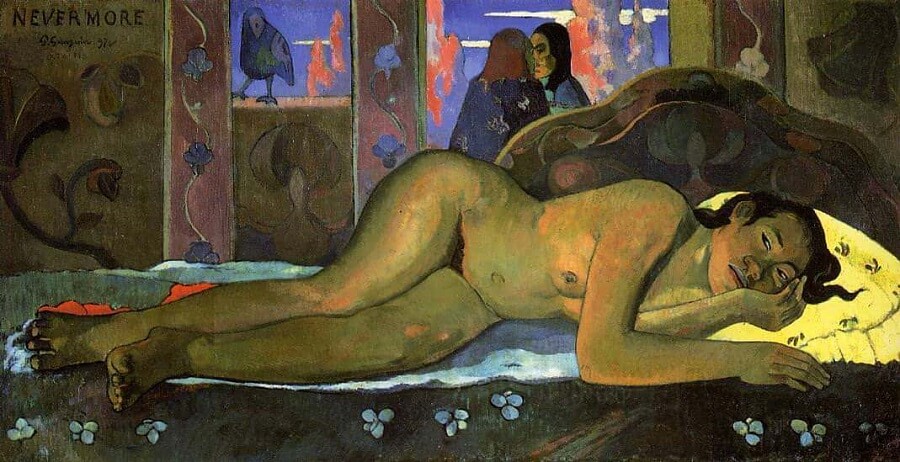
Nevermore by Gauguin Courtauld Institute Gall eries, London 1848- 1903 ,
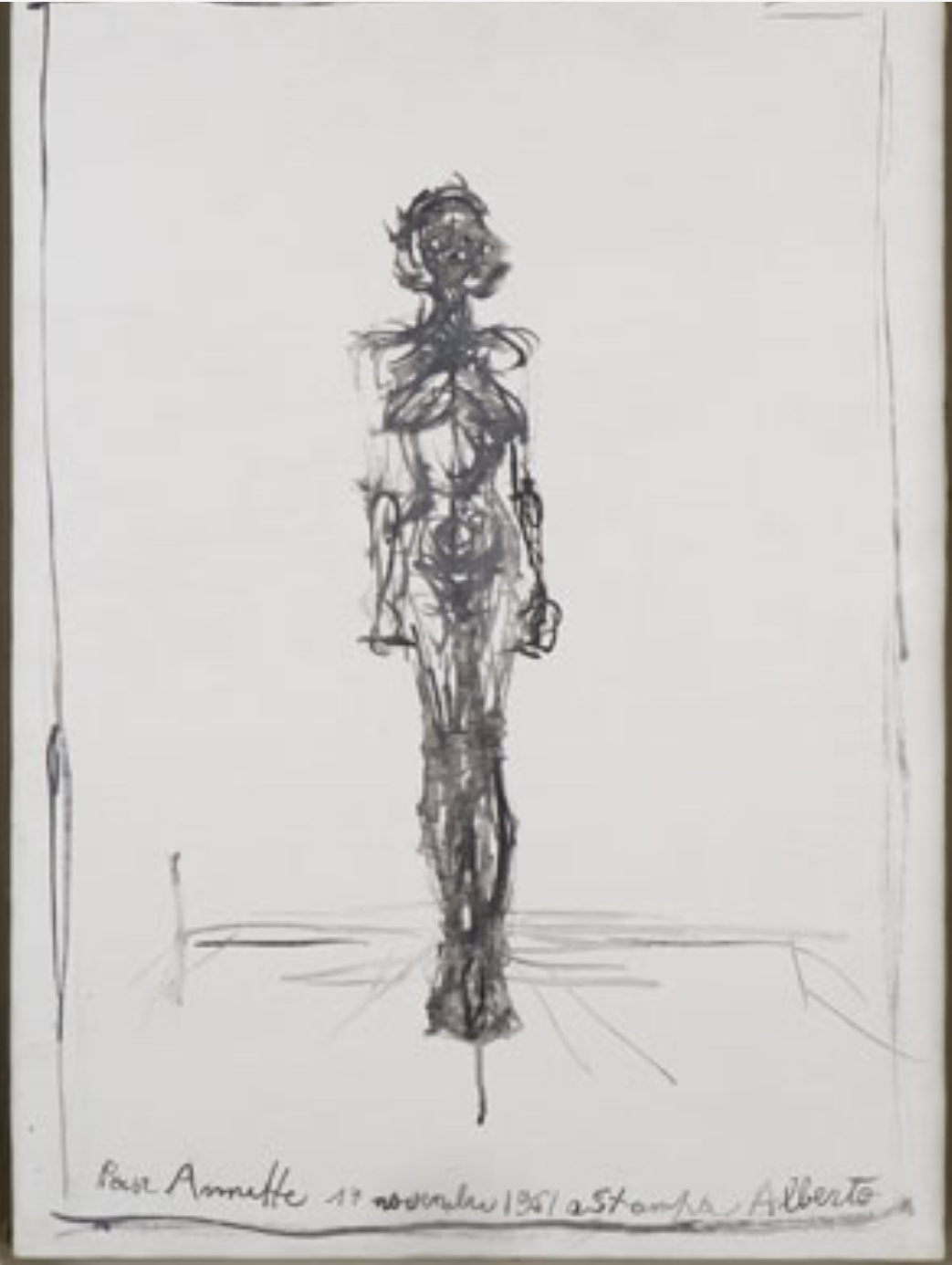
Nude Standing Figure by Giacometti , Tate Gallery, London
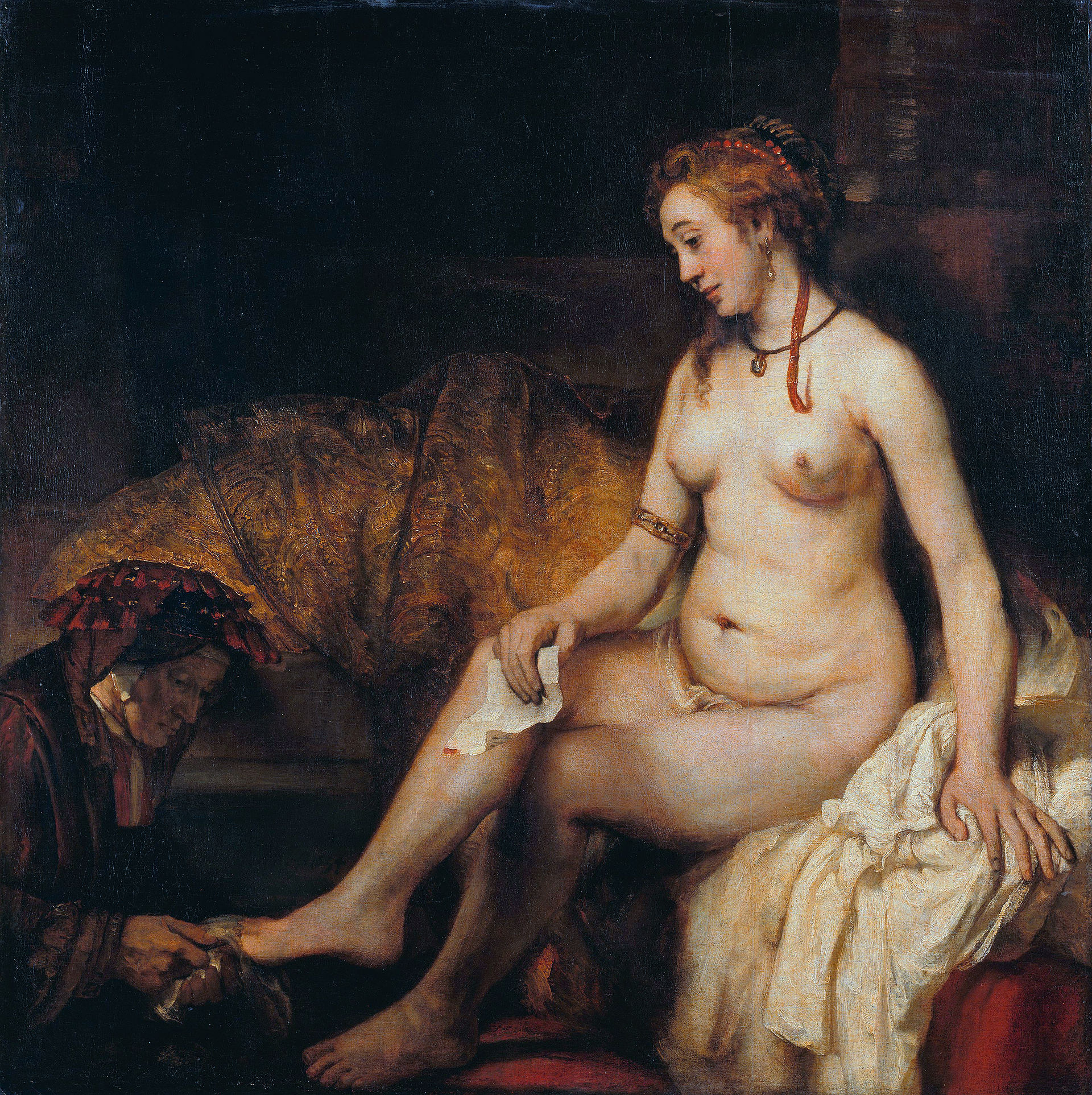
Bathsheba by Rembrandt van Ryn , 1606- 69 , Louvre , Paris
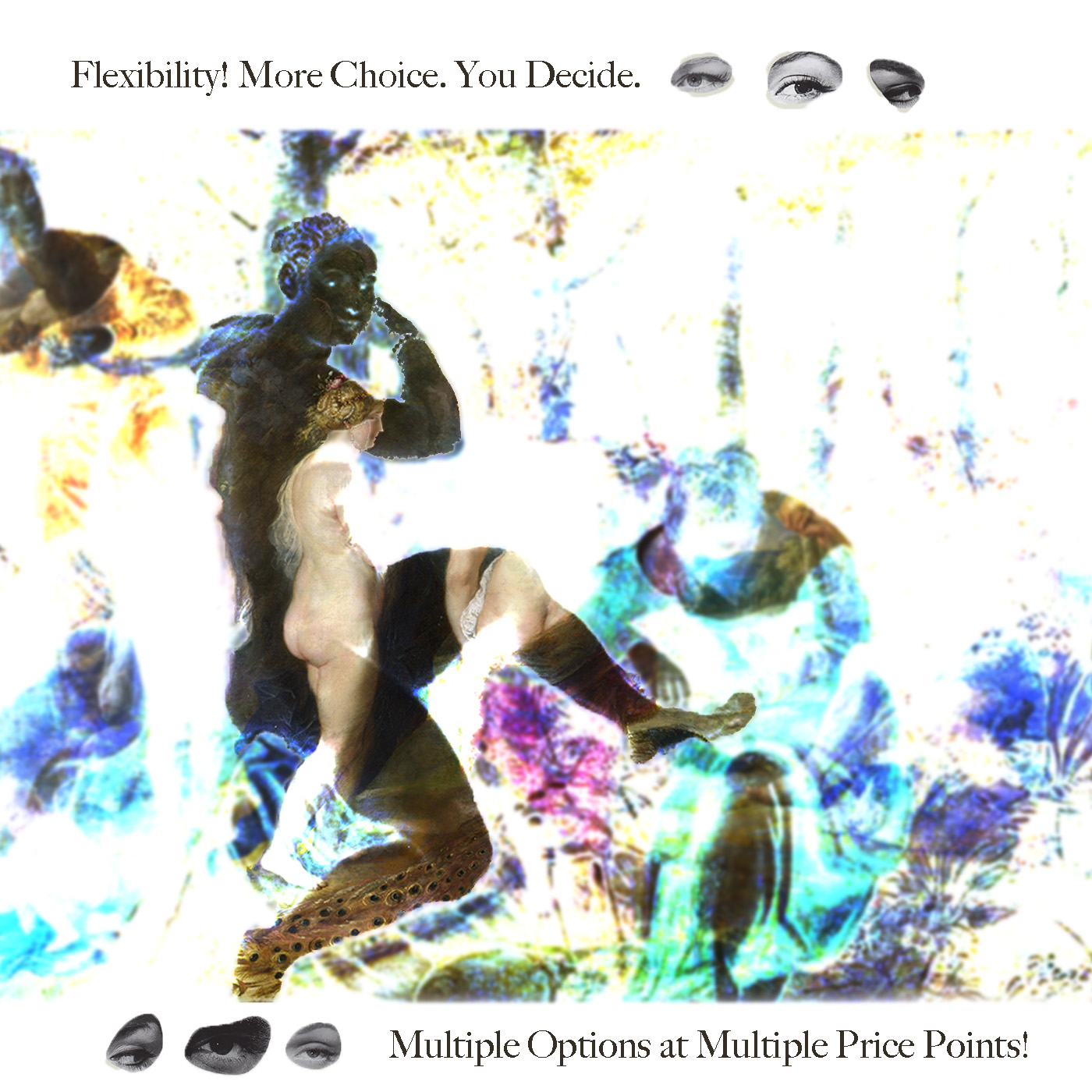
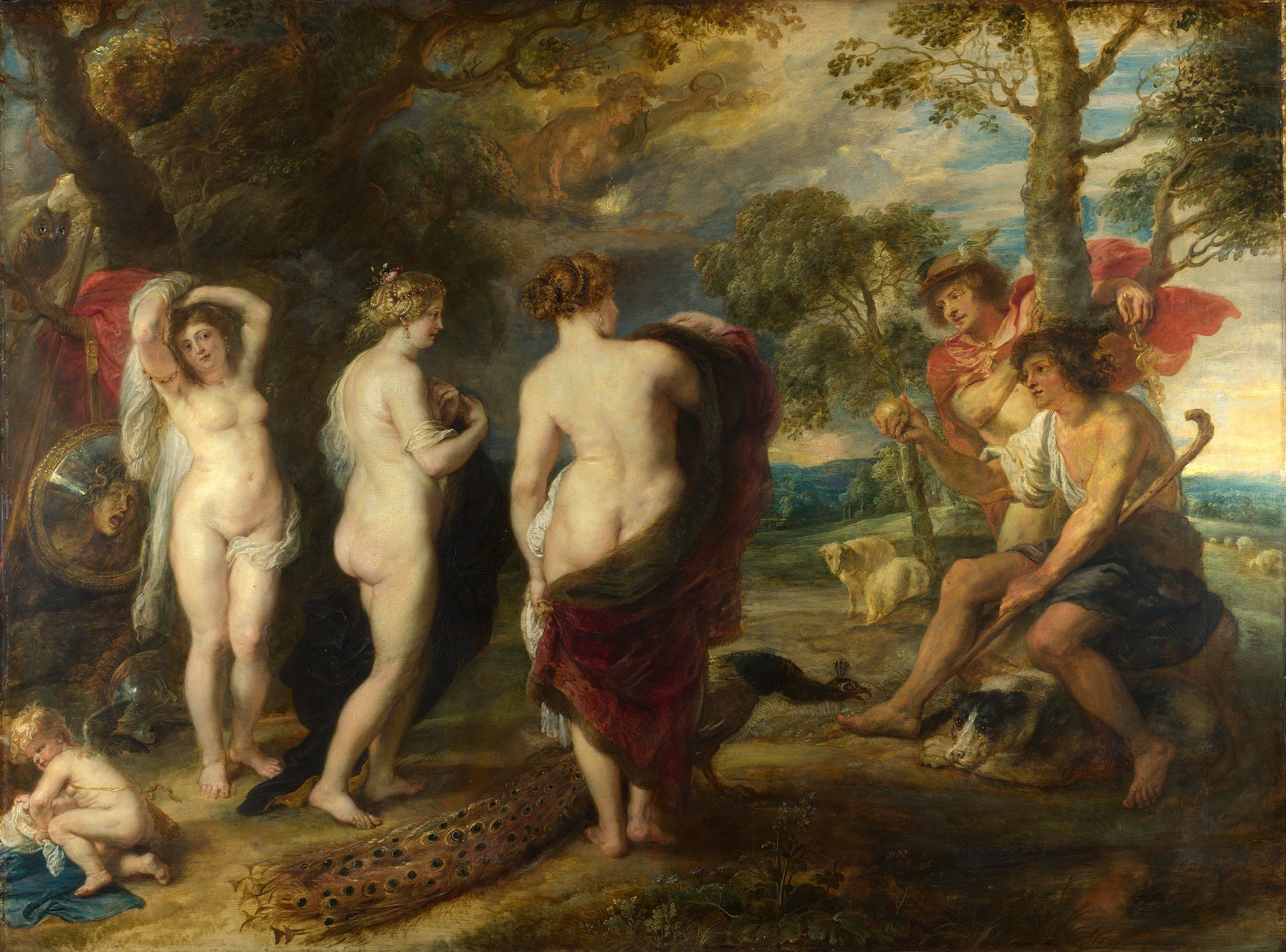
Judgement of Paris by Peter Paul Rubens , 1577- 1640,





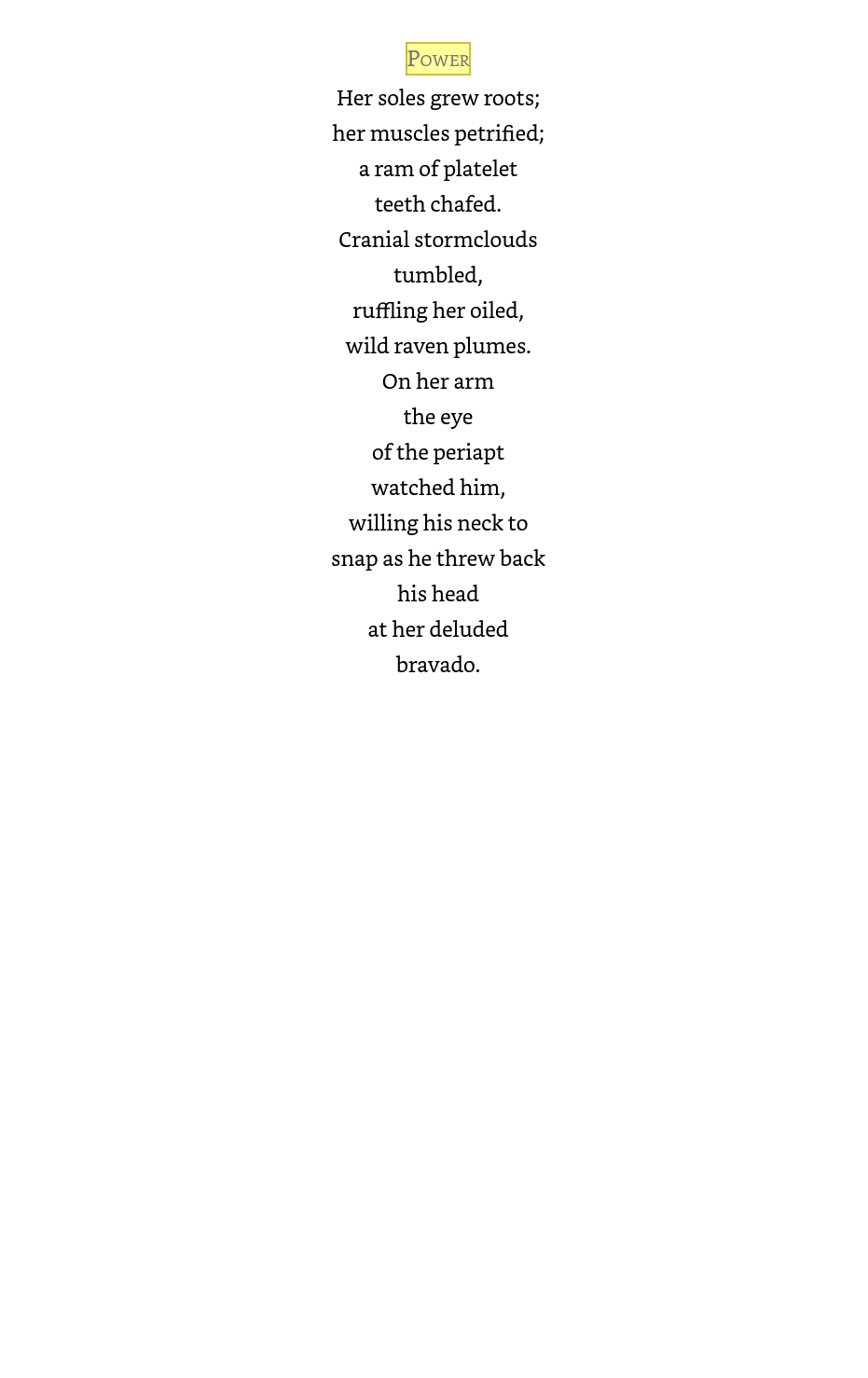

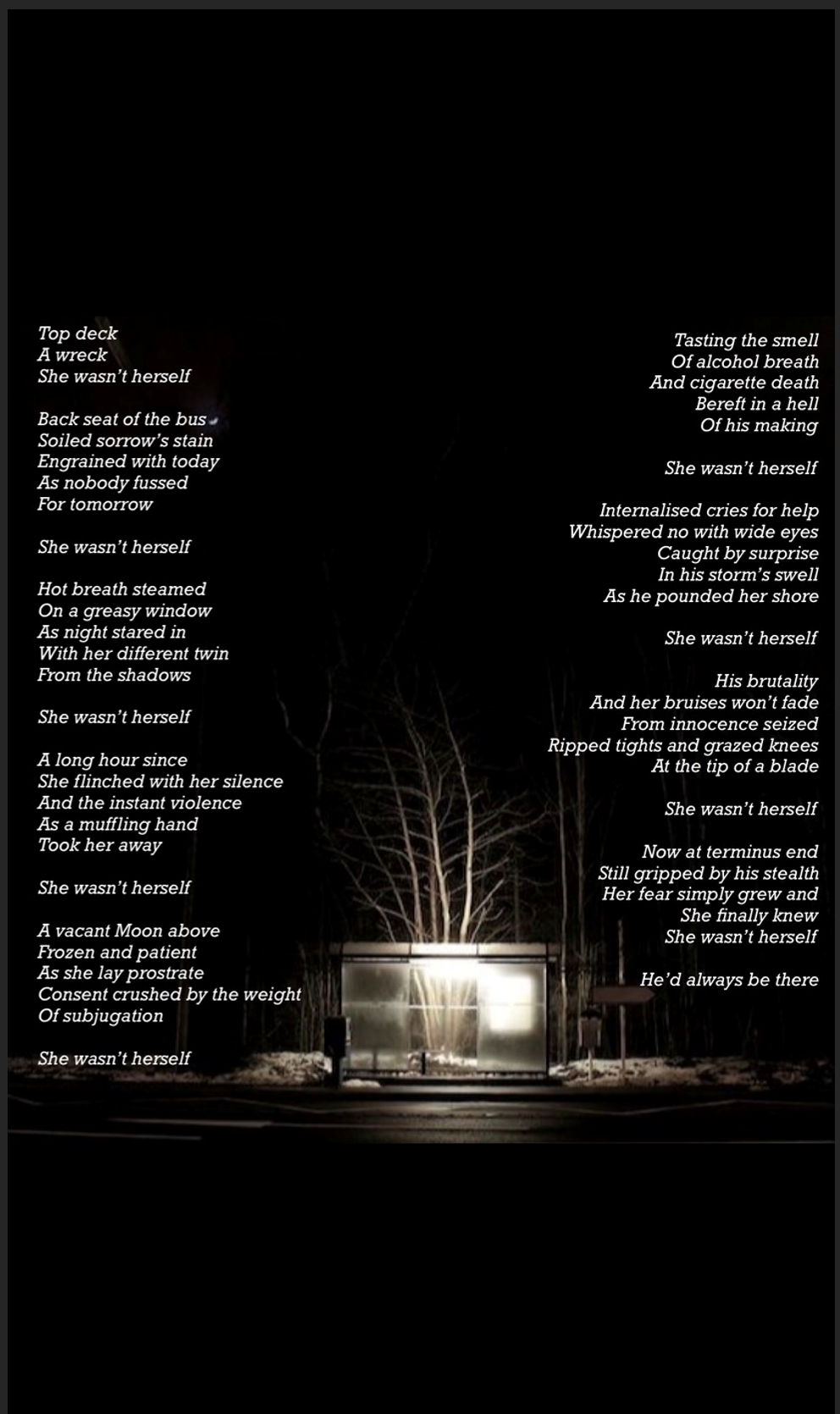 -Darryl Lovie
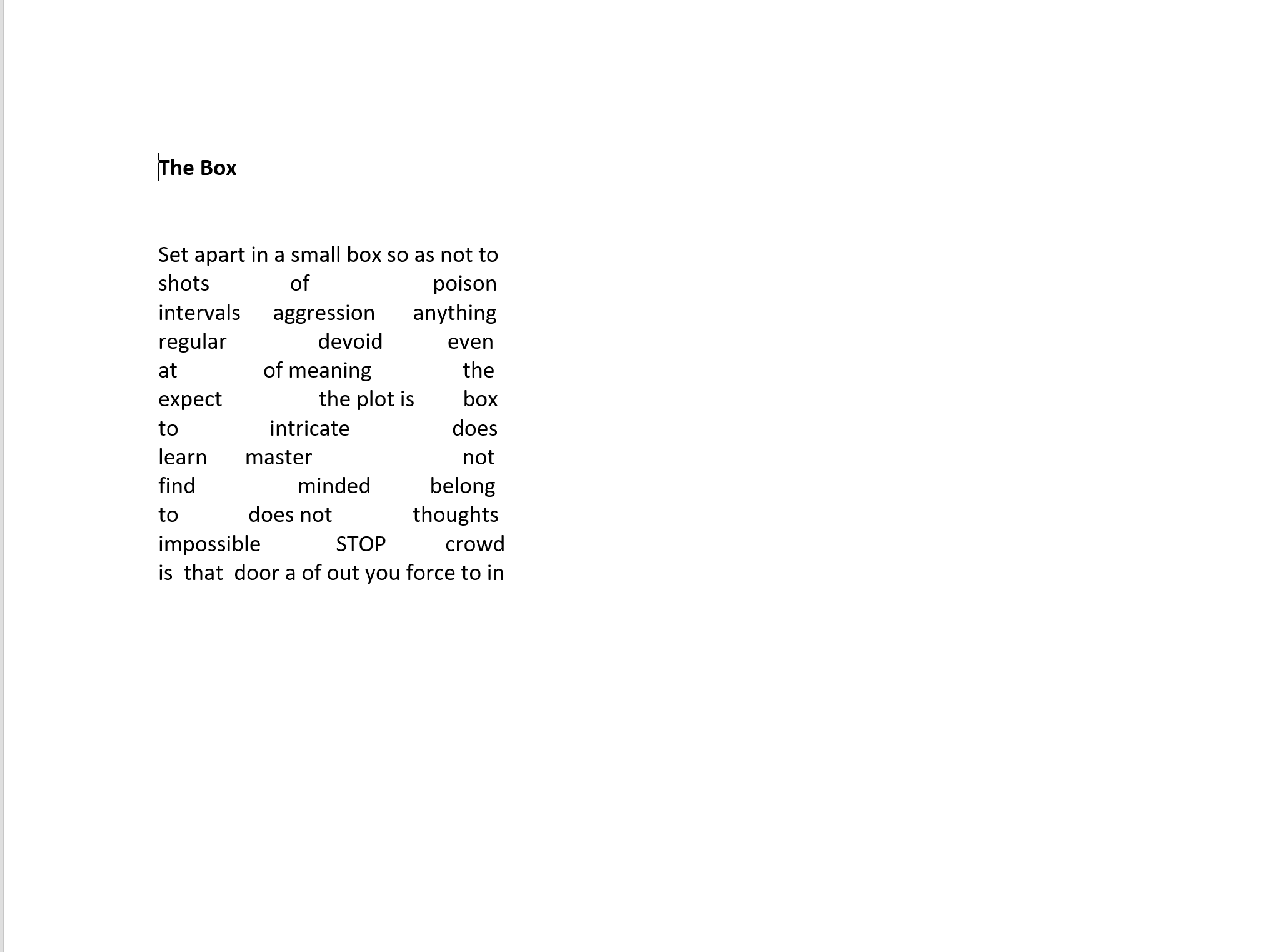 -Val Bowen
Bios And Links
-Val Bowen
Bios And Links
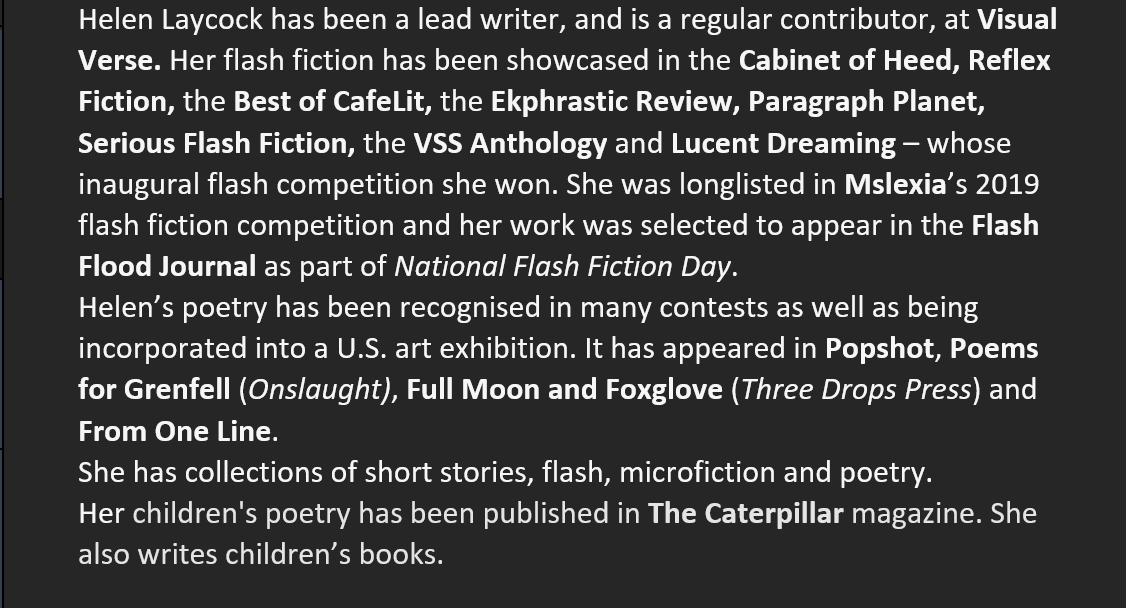 Amazon Author Page


 The Wombwell Rainbow