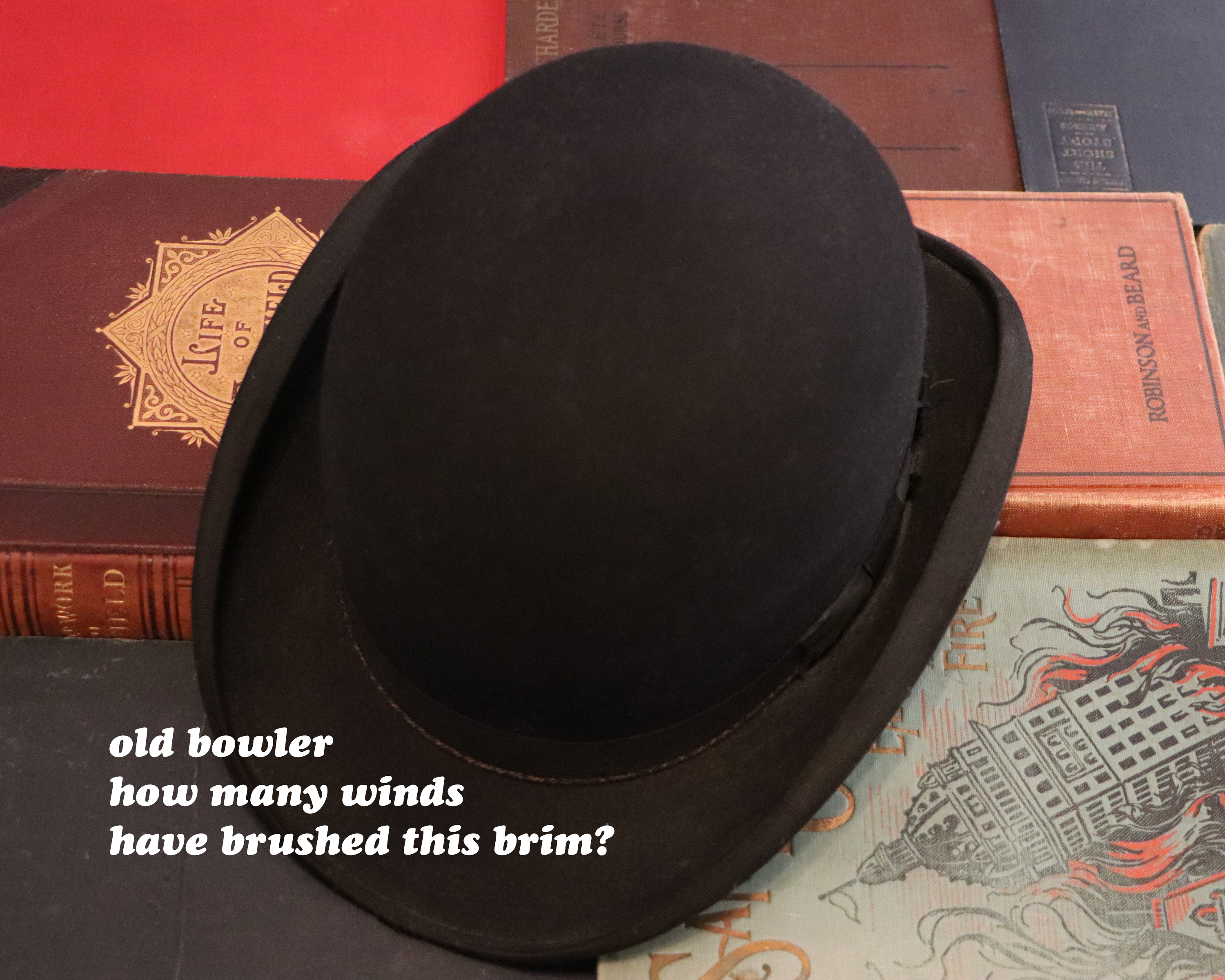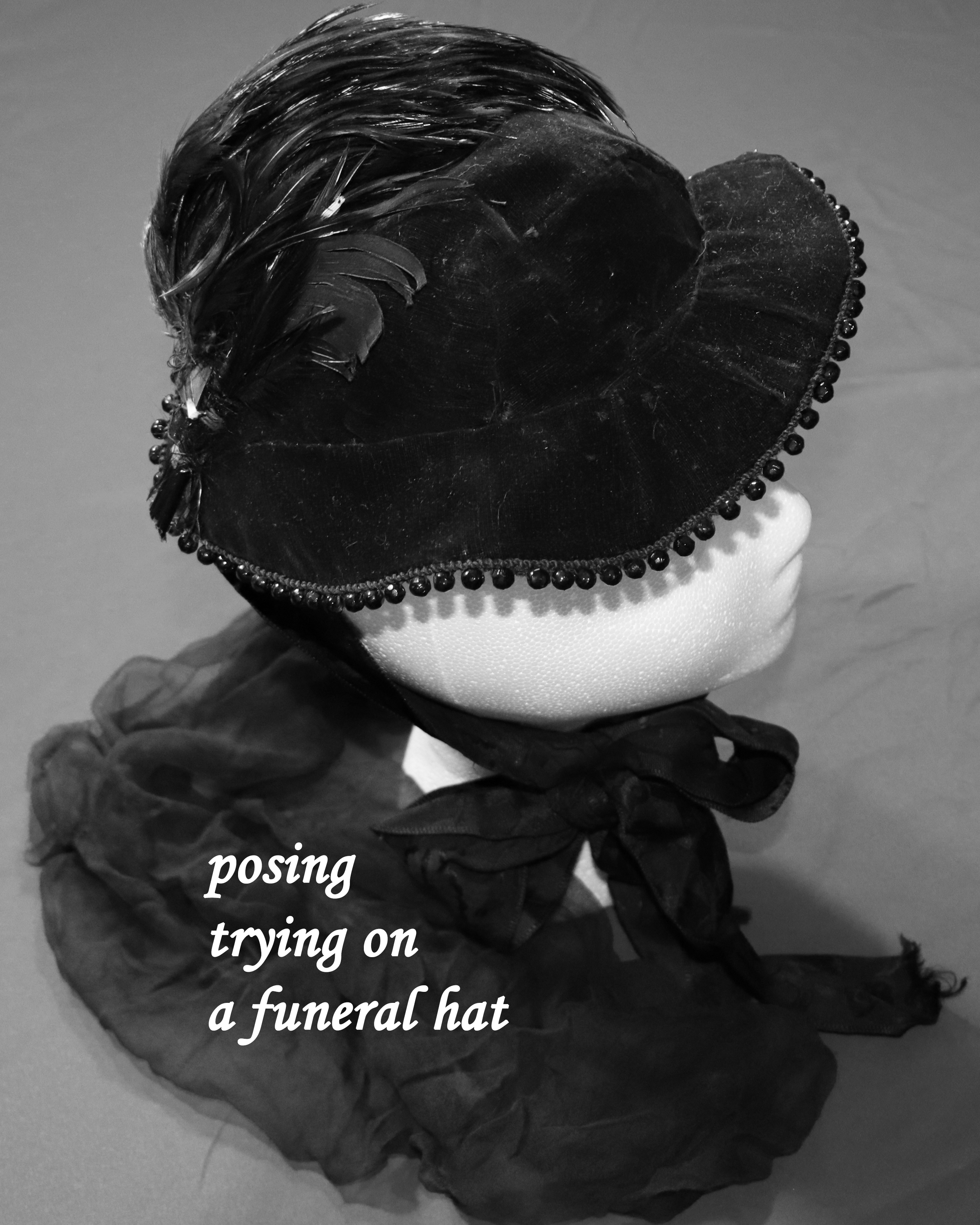
Today is #NationalHatDay . Please join John Hawkhead and I in celebrating hats. I will feature your published/unpublished poetry/short prose/artworks about about/featuring hats. A photo would be good too. Please include a short third person bio

shadowland breeze
grandpa tips his cap
to the magpie

ink drawing and poem by John Hawkhead

1st Place, 2016 Mandy’s Pages Annual Tanka Contest

By Debbie Strange

Kimberly Kuchar


Bios and Links

Kimberly Kuchar

is addicted to writing short-form poetry. Her work has appeared in multiple journals, including Wales Haiku Journal, Scarlet Dragonfly Journal, Cold Moon Journal, Suspect Device, and horror senryu journal. She lives near Austin, Texas, with her husband, son, and pet cockatiel.

John Hawkhead

is a writer and illustrator whose short-form poetry has been published all over the world and has won many competitions. His book of haiku and senryu ‘Small Shadows’ is available directly from him or Alba Publishing

Debbie Strange (Canada)i

is a chronically ill short-form poet and artist whose creative passions connect her more closely to the world, to others, and to herself. Thousands of her poems and artworks have been published worldwide. Please visit Debbie’s archive at https://debbiemstrange.blogspot.com/ and follow her on Twitter @Debbie_Strange.

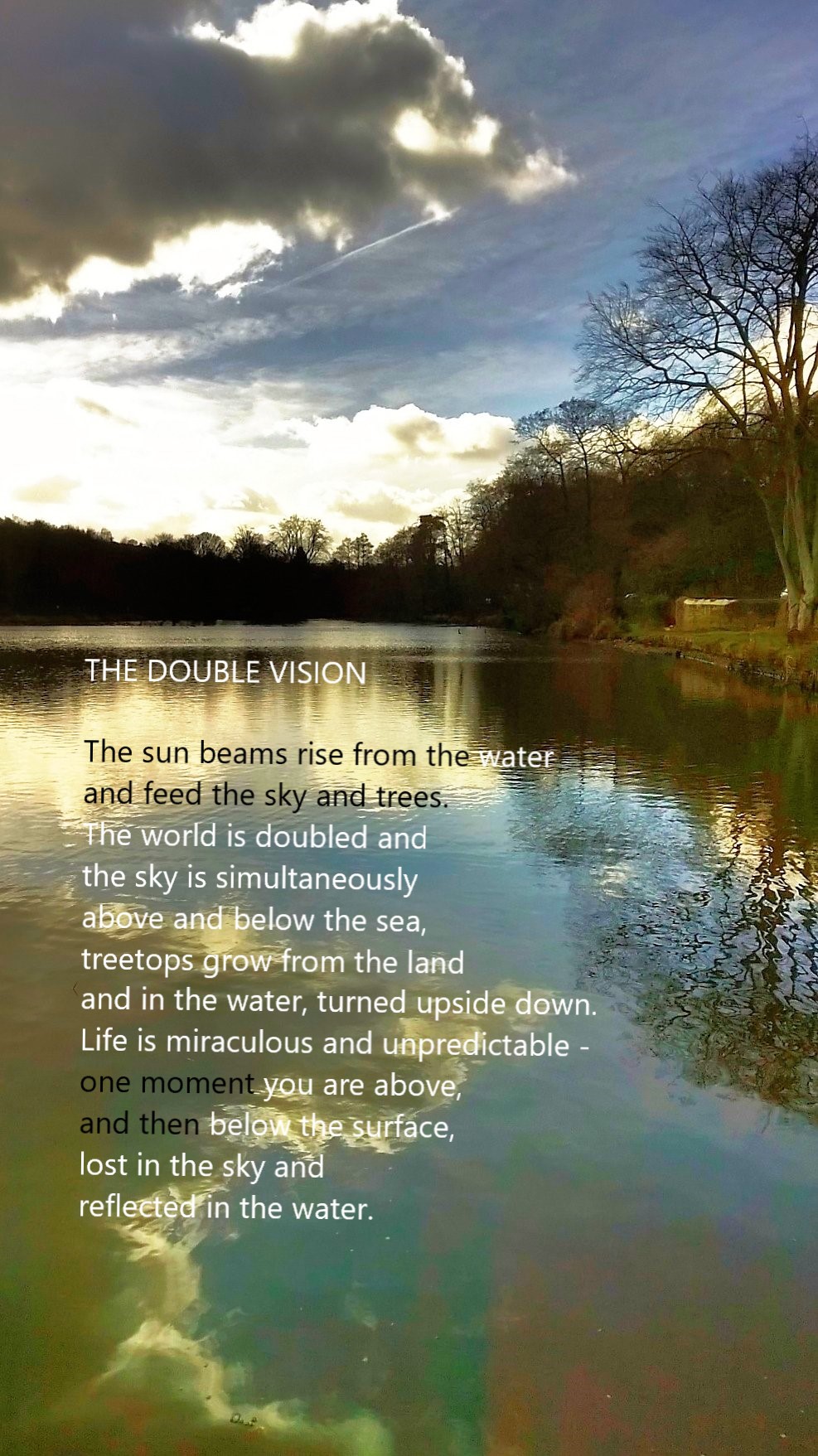
“Created Responses To This Day” Petar Penda responds to Day 189 of my This Day images. I would love to feature your responses too.

Bio

Petar Penda

is a professor of English and American literature (University of Banja Luka, Bosnia and Herzegovina), literary critic, and translator. His translations have been published in renowned journals in the USA and the UK. His poetry and flash fiction have been published in “Fevers of the Mind”, “Lothlorien Poetry Journal”, “A Thin Slice of Anxiety”, “Trouvaille Review”, ” Amphora”, and other journals.

“Created Responses To This Day” Peter Penda responds to Day 189 of my This Day images. I would love to feature your responses too.

Bio

Petar Penda is a professor of English and American literature (University of Banja Luka, Bosnia and Herzegovina), literary critic, and translator. His translations have been published in renowned journals in the USA and the UK. His poetry and flash fiction have been published in “Fevers of the Mind”, “Lothlorien Poetry Journal”, “A Thin Slice of Anxiety”, “Trouvaille Review”, ” Amphora”, and other journals.

Featured Poet on Honesty Poetry

merrildsmith's avatarYesterday and today: Merril's historical musings

I am honored and very pleased to have two poems featured on Samantha Terrell’s Honesty Poetry Site. Samantha has invented a contrapuntal poetry form called trinitas. She has published two of my poems written in this format, and written in response to her call. The theme was “unity.” I find the form challenging, but also fun to write. Thank you very much, Samantha! You can read the poems here.

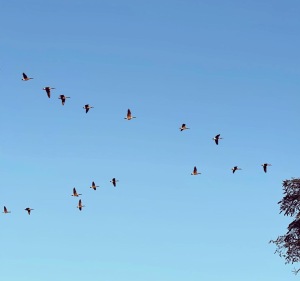
Geese

View original post

Darkness Between Stars by John F. Deane & James Harpur (The Irish Pages Press)

tearsinthefence's avatarTears in the Fence

The authors’ own Introduction to this beautifully produced hardback book notes that Deane and Harpur

have known each other for many years and shared readings,
discussions and introduced each other’s work, finding friendship
and mutual encouragement in discovering that [they] were both
fascinated not only by the life of poetry but also by the divine,
the sacred, ‘God’.

It is this fascination, and the writing out of it, which underpins this ‘joint selection’ of poems: although there are poems about a wide range of subjects, they are, the authors suggest, ‘poems in search of God’, poems which ‘bear witness to […] probings into the ineffable’.

This raises two issues. Firstly, I hoped for more of a poetic conversation, and not a selection of poems by each author, the one followed by the other; perhaps even new work, produced in collaboration or as a direct response to the other’s work. Secondly…

View original post 873 more words

A Census of Preconceptions by Oz Hardwick (Survision Books)

tearsinthefence's avatarTears in the Fence

Oz Hardwick prose poems are short moments captured from what the author, in ‘Out of Town’, says is ‘Beyond the range of church bells’, where ‘time follows its own instincts’. These gently surreal poems slur time, jump time, and revel in experiential time, where action ceases or slows, allowing the poet time to breathe, take note, follow trains and trails of thought and share them with his readers.

In ‘The Coming of the Comet’, for instance, the original observation of the comet’s trails as ‘fragmented nursery rhymes’ (sky writing) allows the author to imagine reaching up to touch them, although he fears getting his fingers burnt, metaphorically and literally. Then the text undertakes a sideways move towards the ducks who have already flown away from the winter, which allows a digression about other creatures, before the poem swerves into myth and nursery rhymes, with a dying dragon returning us to…

View original post 443 more words

#TheWombwellRainbow #PoeticFormsChallenge. It is weekly. Seventeen form a #RINNARD. I will post the challenge to create a first draft of a poetic form by the following late Sunday. Please email your first draft to me, including an updated short, third person bio and a short prose piece about the challenges you faced and how you overcame them. Except when I’m working at the supermarket I am always ready to help those that get stuck. I will blog my progress throughout the week. Hopefully it may help the stumped. Also below please find links to helpful websites.

The rinnard or roinnard is an Irish poetic form.

It has the following guidelines:

An example first:


Quatrain (or four-line) poem (or stanzas).

Six-syllable lines.

Two-syllable rhymes at the end of each line.

Rhyme scheme for each quatrain: abcb.

The “a” and “c” words consonate with the “b” words

Usually an alcill rhyme between lines three and four.

Note on aicill rhyme:

An aicill rhyme in this poem means that the final syllable of line three rhymes somewhere in line four (usually the middle).

Helpful Links

https://www.writersdigest.com/write-better-poetry/rinnard-poetic-forms


Katauta

Jane Dougherty's avatarJane Dougherty Writes

This was Paul Brookes’ chosen form for last week. I’m not a big fan of haiku or Japanese poetry in general. The katauta is a half a poem, addressed by one half of a couple to the other. I’ve chosen to write both halves, two katauta making a sedoka, a poem that look at the same subject from a different angle, which I find more satisfying that the one side of the story.

Unwelcome

You look unhappy
I smile try to take your hand
you flinch in irritation.

Sorrow my burden
a bird’s broken wing—no smile
will mend the bone make it fly.

Selective vision

Window full of sun
the rose garden of my dreams
birdsong welcoming me home.

You smell the roses
hear only the birds’ sweet songs
not the drip of the roof leaks.

Shallow

What use dead gardens
full of snow where nothing grows
and spring so…

View original post 15 more words

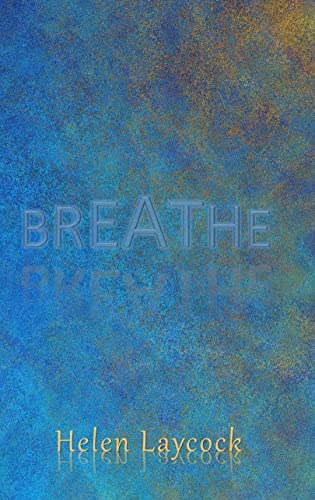
Review of Helen Laycock’s Poetry Book “Breathe” by Spriha Kant

The sagacious poetess “Helen Laycock” needs no introduction. She has shown varied phizzogs in her writings, all influential to make the readers submerge deeply in them.

In this book, the poetess has filled her certain set of poetries in a cell, and each cell is followed by a quote.

The poetess in this book has expressed different feelings and has stated different circumstances through nature using personifications, metaphors, and similes.

It is always said, “Beauty lies in the eyes of the beholder.” Some poetries describing beauties of others unfurl the magnificent beauty lying in the eyes of the poetess, showing a few glimpses seen by the beautiful eyes of this poetess from one of the poetries “Dragonfly” below:

“you share
your iridescence
when you alight
on the fence,
flashing bright
your oiled magic”

“wings silver-strutted veils”

The poetess has created some poetries as frames, each inserting a picture of death, some pictures are of tragic death that can strike the hearts of sensible readers to bloody tears, one such tragic death can be seen in her poetry “Wisdom,” in one of the frames, the death in the picture is a ravenous vampire standing on the threshold, this picturization is in her poetry “Wolf.”
Quoting below a few stanzas from the poetry “Wisdom”:
“Once white under
a bright moon,
ghost of dusk,
the love-faced barn owl,
will soon be a husk,
its flight forever silent,
its round light shuttered,
strewn.

You fired, you goon.”

The poetess is the light in the darkness in some of her poems. This can be cited from the following stanza from her poetry “Virus” in which she acted as a pearl diver by taking out positive aspects from all the negativities of the world:

“Two still worlds
hugging quiet
as nature unfurls
on the peopleless stage.
Softly, it heals,
waiting for the creep
of gentle feet
and the whisper
of heartfelt promises
now we understand.”

Apart from acting as a pearl diver, she has also acted as a live painter by painting beautiful poetries based on her keen observations. Showing below one of the live paintings “Pinked” drawn by the poetess:

“In the shimmer of sunset on rippling lakes
a flamboyance of flamingos
are blushing lilies.”

The poetess in some of her poetries has also worked as a boatwoman by propelling personifications in her rivery-poetries. The words of the poetess Gabriela Marie Milton “A banquet of candles floods the streets” from her poetry “Professions” in her book “Woman: Splendor and Sorrow: Love Poems and Poetic Prose” fits to be used as a metaphor for the beauty of these rivery poetries.

Quoting below a few stanzas from a few rivery poetries:

“The light begins to slumber,
and the rosy windows kindle,
and the water strokes the barge
with soothing calm.”

“Gulping its way down the valley
of her slanted palm,
a tawny brush sweeps and drags,
sags between finger and thumb,
for inspection and settlement.”

“Little glinting messengers,
marooned”

“Wind breathes fragile waves
into saffron dunes”

However, the poetess has also swelled a few rivery poetries with pride by hoisting the flag of the glorious victory. This swelling is influential to motivate the readers to remain optimistic proving that the poetess is a light in the darkness. Showing the swelling in the following stanza from the poetry “Focus”:

“Grey armour succumbs,
curls into a shot pellet,
rolls into the treasure trove”

The poetess has also worked as an intimacy director in her poetries “Tomorrow’s Bonfire” and “Moon Eyes.”
The poetry “Tomorrow’s Bonfire” shows physical intimacy. Her direction to her words is influential enough to make the readers visualize as if they are watching an erotic movie, showing the teaser of this erotic movie below:

“She bends her neck and gazes through the dark.
Her curling tongue begins its careful sweep,
maps contours, sampling the bond.
The slippery mass, inert, lies in a pool,
as limp as his discarded sodden shirt.”
The poetry “Moon Eyes” depicts emotional intimacy, quoting the following words glittering with emotional intimacy:

“we were together,
faces lit,
little moons
in our eyes
like lucky pennies
glowing
in the darkness”

The poetess has also worked as a tailor by beautifully sewing the metaphors and similes in her poetries like a sequin on a cloth. Showing a few sequins below:

“blanch wintry night”

“diluted sun”

“frail as moon-thrown lemon-barley light”

“as chrome
breaks a hole
in the chalky sky,
they are lit
like tinder.”

“fleeting furrows
falling like chiffon festoons”

“Bats
wrap up in overlapped, buttonless macs,
peering over their collars like spies.
Some are the discarded gloves of thieves,
balled-up leather in untidy pairs.
They drape: grey, collapsed umbrellas
broken by the windy commute
and flung onto pegs.”

The poetess, on the one hand, has urged her readers to embrace the beauty of nature and interact with nature in a few poetries and has also paid tribute to nature in her poetry “Earth Mother” while on the other hand has shown nature’s inhospitable attitude in the poetry “Pines” which is commendable.

This is a mesmerizing book for those wise poetic souls who are nature lovers and have beautiful hearts with a good sensibility as well as sensitivity.

Bios (Helen Laycock and Spriha Kant):

Helen Laycock

Poetess and storyteller, Helen Laycock’s writing encompasses poetry, microfiction, flash fiction, short stories, plays, and children’s novels.
Former recipient of the David St. John Thomas Award, and nominee for the Dai Fry Award, Helen Laycock has been a competition judge and a lead writer at Visual Verse. Her poetry has been incorporated into a U.S. art exhibition and her collection Frame was featured as Book of the Month by the East Ridge Review in 2022.

Most recent publications are in Sun-Tipped Pillars of Our Heart and Afterfeather, both published by Black Bough.

Her poetry appears online and in numerous writing magazines and anthologies such as Popshot, The Caterpillar, Writing Magazine, Poems for Grenfell (Onslaught), Full Moon and Foxglove (Three Drops Press), Silver Lining (Baer Books Press) and From One Line (Kobayaashi Studios).

Imminent publications are The Storms Journal, Issue Two and Hidden in Childhood (Literary Revelations).

Current poetry collections available are Frame, Breathe and 13 (poems written in just thirteen words); she is also in the process of compiling several more themed collections.

Many of her poems can be purchased as postcards at Pillar Box Poetry.
Her website Conjuring Marble into Cloud showcases some of her work.

Laycock’s flash fiction has featured in several editions of The Best of CafeLit. Pieces also appear in the Cabinet of Heed, Reflex Fiction, The Beach Hut, the Ekphrastic Review, Serious Flash Fiction, Paragraph Planet, An Earthless Melting Pot (Quinn) and Lucent Dreaming – whose inaugural flash competition she won. She was longlisted in Mslexia’s 2019 flash fiction competition and her work has several times appeared in the Flash Flood as part of National Flash Fiction Day.

She is currently compiling a second volume of microfiction, Ink Spills, to complement Wind Blown, a collection which came about because of the Twitter #vss365 challenge.

She has also written several short story collections as a result of competition success.
These fall distinctly into one or other of the categories, Dark or Light…

Dark:
The Darkening
Minor Discord
Peace and Disquiet

Light:
Wingin’ It… Tall Tales of (Fully-Grown) Fairies with Issues
Confessions
Light Bites

More of her short stories and flash can be found at her website Fiction in a Flash

Formerly a teacher and a writer of educational text, Helen’s children’s fiction is suitable for readers of 8+ The stories are mainly mysteries, but a bit of humour has crept in, too, with a new book about to make an appearance shortly.
You can find out more on her children’s website.

You can follow Helen at Facebook or
at Twitter

All her books are available on Amazon.

Spriha Kant

Spriha Kant is a poetess and a book reviewer.

Spriha’s poetry “The Seashell” was published online at Imaginary Land Stories.

The poetries of Spriha have been published in four anthologies, including, “Sing, Do The Birds of Spring”, “A Whisper Of Your Love”, “Hard Rain Poetry: Forever Dylan”, and “Bare Bones Writing Issue 1: Fevers of the mind”.

Spriha has done five book reviews, including, “The Keeper of Aeons” by Matthew MC Smith, “Nature Speaks of Love and Sorrow” by Jeff Flesch, “Washed Away: A Collection of Fragments” by Shiksha Dheda, “Spaces” by Clive Gresswell, and “Silence From the Shadows” by Stuart Matthews.

Spriha has collaborated on the poetry “The Doorsteps Series” with David L O’ Nan.

Spriha has been a part of the events celebrating the launches of the books “Nature Speaks of Love and Sorrow” by Jeff Flesch and “As FolkTaleTeller.”

Spriha has been featured in interviews, including, “Quick-9 Interview” on feversofthemind.com and “#BrokenAsides with Spriha Kant” on thebrokenspine.co.uk.

Spriha has been featured in “Creative Achievements in 2022” on thewombwellrainbow.com.

The links to the features of Spriha Kant are:

https://feversofthemind.com/2022/09/13/a-fevers-of-the-mind-quick-9-interview-with-poetess-spriha-kant/

https://thebrokenspine.co.uk/2022/12/07/brokenasides-with-spriha-kant/

#CelebrateYourCreativeAchievementsOf2022 Calling all poets/short prose writers/artworkers between 26-31st December I want to celebrate your creativity over the last year. Please email me a list, plus bio, links and so on. Soon as possible. Today we celebrate the achievements in 2022 of Spriha Kant

#TheWombwellRainbow #Poeticformschallenge last week was #Katauta . Enjoy examples by Robert Frede Kenter, Tim Fellows and Jane Dougherty and read how they felt when writing one.

.

Fish

Plunge into cold sea.
A soul is cleansed. Will silver
darting fish flee or stay?

Cantona

When sardines aren’t thrown
into the sea do seagulls
follow you or become lost?

Desert

White elephants stand
in the desert. Watch the past
fade. Will the blood ever dry?

Rocks

If I fall and crash
onto these salty sharp rocks
will you finally move on?

How  Did It Go?

I managed a few variants, only one of which properly meets the Katuata brief in terms of being an unanswered vague love poem

Tim Fellows

Unwelcome

You look unhappy
I smile try to take your hand
you flinch in irritation.

Sorrow my burden
a bird’s broken wing—no smile
will mend the bone make it fly.

Selective vision

Window full of sun
the rose garden of my dreams
birdsong welcoming me home.

You smell the roses
hear only the birds’ sweet songs
not the drip of the roof leaks.

Shallow

What use dead gardens
full of snow where nothing grows
and spring so distant?

Winter garden sleeps
I watch the birds feed bringing
spring in their shining wing-dance.

How did it go?

I’m not a big fan of haiku or Japanese poetry in general. The katauta is a half poem, addressed by one half of a couple to the other. I’ve chosen to write both halves, two katauta making a sedoka, a poem that looks at the same subject from a different angle, which I find more satisfying than the one side of the story.

Jane Dougherty

Four Katauta

1.
Laneway

Scattered broken pearls
Whose neck did your string adorn
Thunder and lightning all night

2.
Autumn

You curl on the bed
Why do yellow and red leaves
Spin with the course of the river

3.
Brooklyn

When fingers trace your arms ask
If blossoms in trees
Are brighter still than moonlight

4.
Travel

Rural highways hail
The months we spent together
Dangerous roads which way now

How Did It Go?

It is interesting to me that this form, Katauta, perhaps the earliest of Japanese poetic forms, is specifically not only about questions, but also about lovers. I felt a noirish tinge and arch romanticism, the moment when pleasure turns to anxiety and drama, or the knowing melody, the forge of obsessive discourse, sequence of events that leads up to an after. How do place and ‘state of mind’ move in a kinetic confluence of asking, reflection, narrative, and interiority. The mix of ‘visual’ images, mystery and syllables show the brilliance of this compact ancient form, its value in conveying intuitive emotion. Although I found this difficult – to find ways to break out of predictable tropes, it became apparent to me as I worked on a series of variants, both rich and hollow that it requires a lot of rethinking of image and order to achieve, perhaps the possibility of the echo, the shiver.

Robert Frede Kenter, publisher http://www.icefloepress.net, editor, widely published author, and visual artist.