Willoughby, New York by Carson Pytell (Bottlecap Press)

tearsinthefence's avatarTears in the Fence

I love Carson Pytell’s work. It reminds me of Charles Bukowski and Fredrich Exley. It reminds me of Kevin Ridgeway and John Fante. It reminds me of the kind of fiction that a lot of us were trying to do when I lived and worked in Long Beach. So many of us who studied under Gerry Locklin and Ray Zepeda were going after a kind of gritty realism, and some of us accomplished the spirit and tone. Others did not. I never did to the degree that I wanted to, and so I shifted to different kinds of writing. Pytell, however, is a kind of master of this type of writing, and his fiction collection,Willoughby, New Yorkis powerful work, the kind that I was reaching for back in those days. His chapbook reaches the kind of humanity most of these writers are striving for as he often focuses…

View original post 445 more words

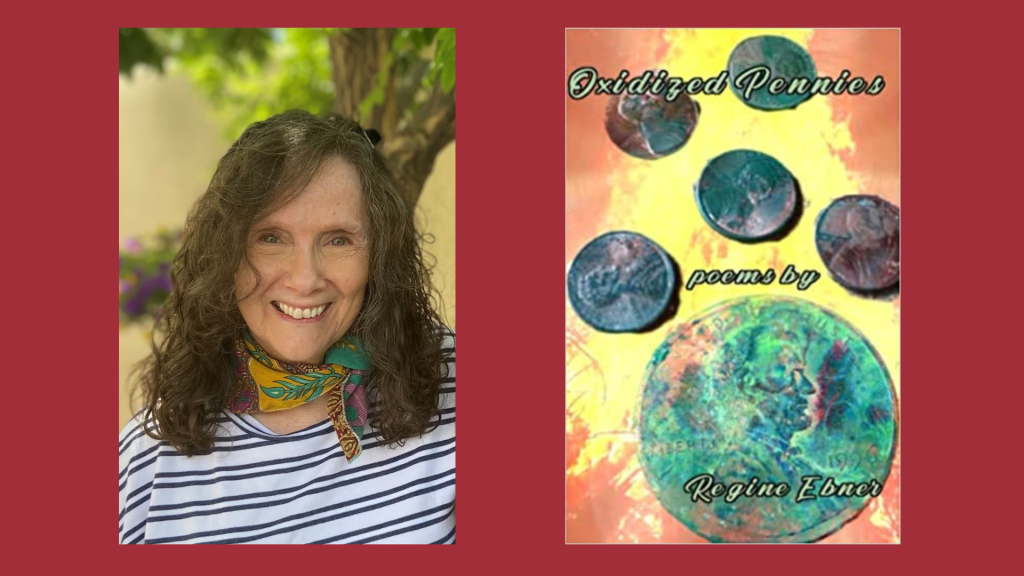
Guest Feature – Regine Ebner

Patricia M Osborne's avatarPatricia M Osborne

I’m delighted to have poet, Regine Ebner all the way from Arizona, kick of the Tuesday Guest Feature on Patricia’s Pen for 2023. Regine is a favourite poet of mine and one of great inspiration with her wonderful imagery. She has come along to blog about her writing life so without further ado, let’s go over to Regine.

My Writing Life

Regine Ebner

Ever since my third grade teacher asked me to write the Thanksgiving class play, I was expected to be a writer. I went on to study creative writing in college and won awards. I co-authored a stage play, Minor Details, which was produced to be a sell-out to laughing crowds in Tucson. Later I wrote a screenplay and, although never produced, it won a couple of awards.

However, something was missing. I had long gaps between articles and journal chapters and, most of all, I…

View original post 330 more words

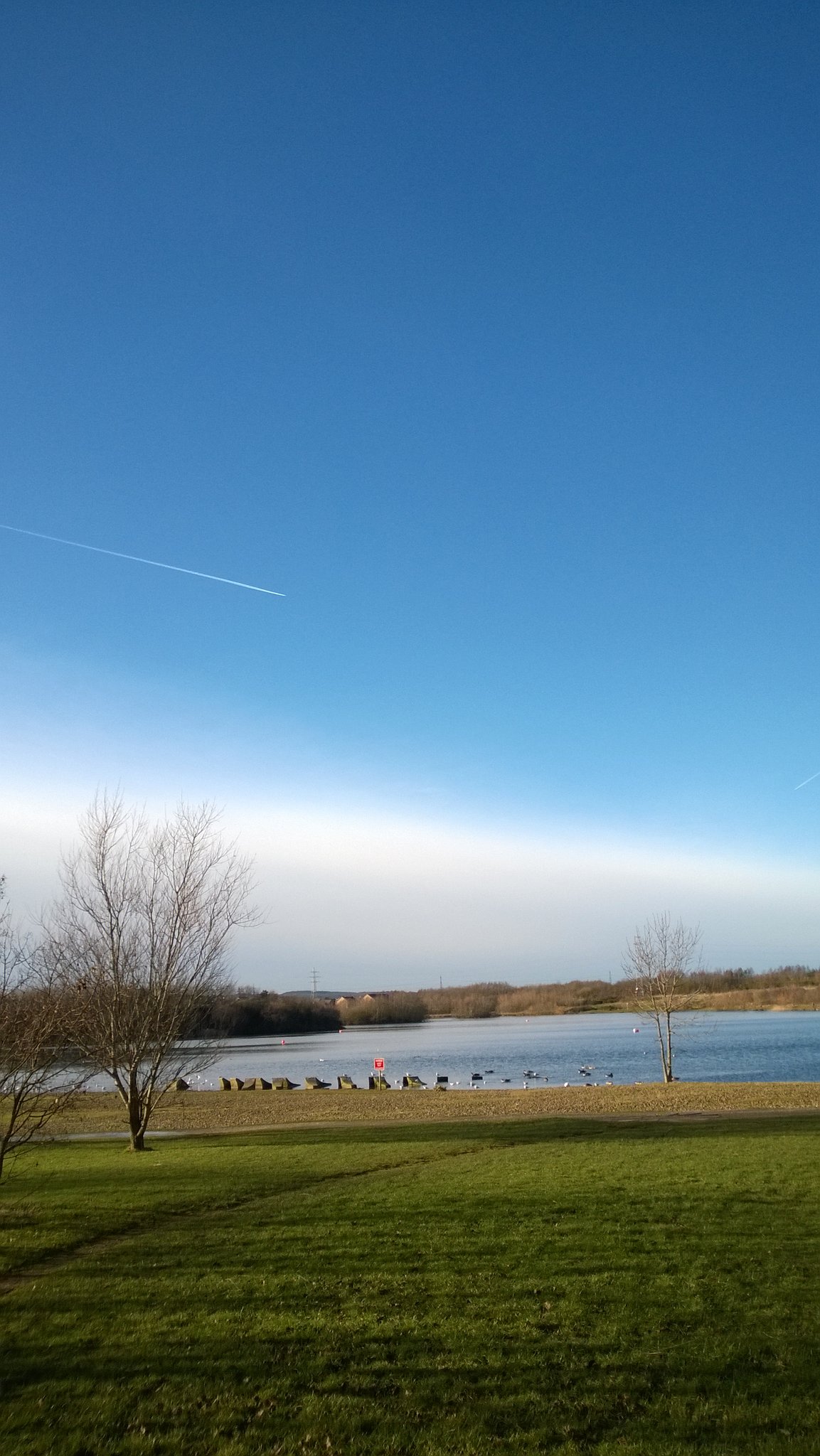
“Created Responses To This Day” Francis H. Powell responds to Day 207 of my This Day images. I would love to feature your responses too.

Shooting through the sky.
Like an arrow shot from heaven above
Or just a mundane plane
on it’s way to some tourist destination
Summer is in full flow
and emptiness abounds
a scene from a park
before all goes dark

Francis H Powell

Bios and Links

Francis H Powell

Born in 1961, in Reading, England attended Art Schools, receiving a degree in painting and an MA in printmaking. He has had different books published and compiled Together Behind Four Walls, a book raising money for Marie Curie Nurses.

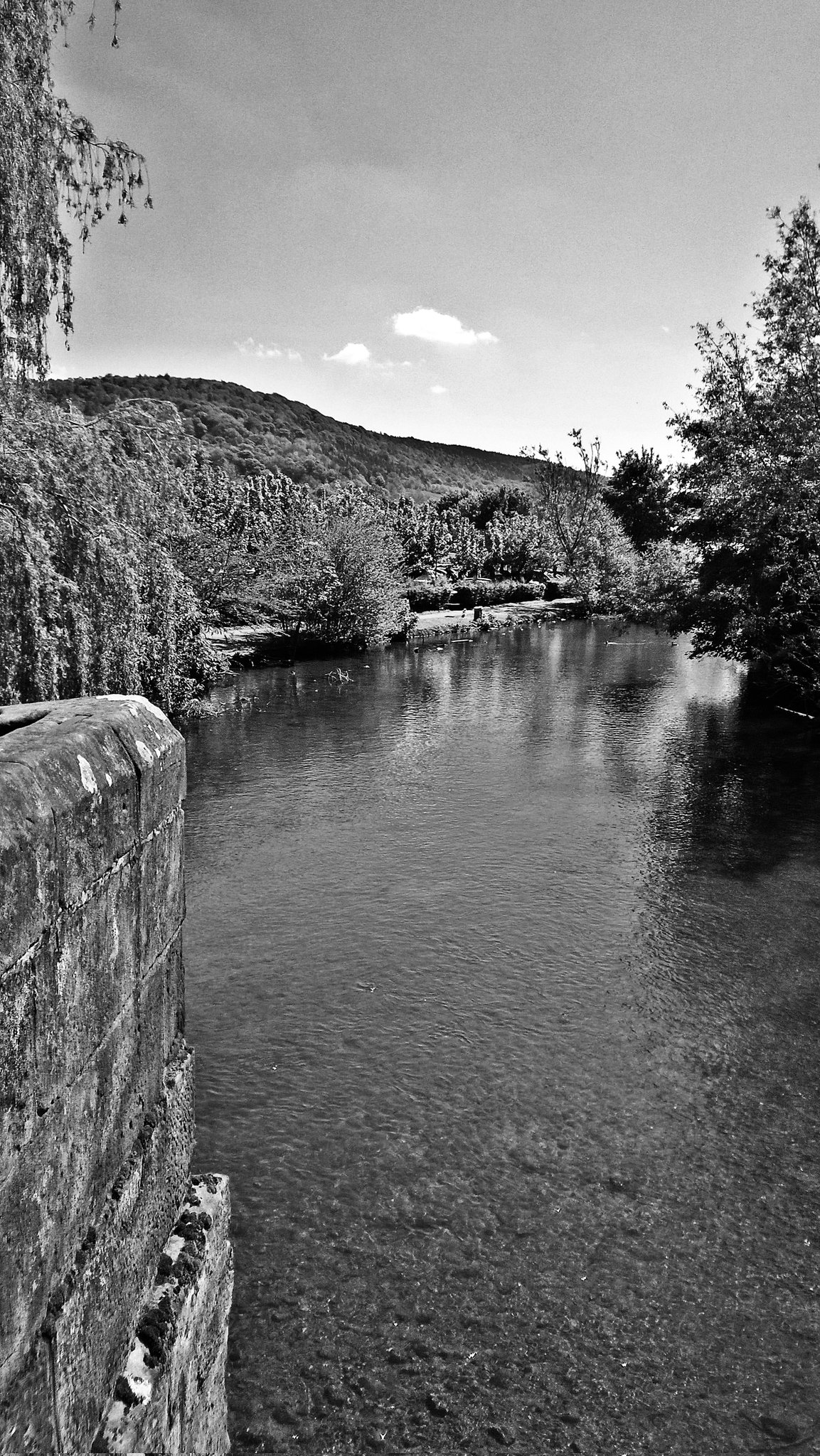
“Created Responses To This Day” Francis H. Powell responds to Day 213 of my This Day images. I would love to feature your responses too.

The cold stone wall
eyes the river
as it gently ambles on
There’s a gentle breeze
but all is immersed in
a deep repose

Francis H Powell

Bio and Links

Born in 1961, in Reading, England attended Art Schools, receiving a degree in painting and an MA in printmaking. He has had different books published and compiled Together Behind Four Walls, a book raising money for Marie Curie Nurses.


“Created Responses To This Day” Francis H. Powell responds to Day 211 of my This Day images. I would love to feature your responses too.


Etched in craggy wood
A life full of history
and days gone by
Eternally there
for ever
but ignored by all passers by

Francis H Powell

Bio and Links

Francis H Powell

Born in 1961, in Reading, England attended Art Schools, receiving a degree in painting and an MA in printmaking. He has had different books published and compiled Together Behind Four Walls, a book raising money for Marie Curie Nurses.

Rionnard (rinnard)

Jane Dougherty's avatarJane Dougherty Writes

This was last week’s poetry form chosen by Paul Brookes. You can read the contributions here.

I almost didn’t attempt this one, a complicated Irish form with rules I didn’t understand at first reading. I let it simmer overnight and woke with a first line and an idea of the first stanza. When I wrote it down, it turned out not to work, but I thought I could see how to fix it.

First, I wrote down what I knew about the form in simple terms: quatrains, lines of six syllables, rhyme scheme abcb, end rhymes bi-syllable words, consonance in lots of places, alliteration in every line, and it ends with a dunedh (opening line or word ends the poem).

Constructing the poem was like putting together a jigsaw puzzle. I started at the end, picked a two-syllable word that could both open and close the poem, then wrote a…

View original post 210 more words

#TheWombwellRainbow #Poeticformschallenge last week was a Rinnard. Enjoy examples by Marian Christie, Robert Frede Kanter, Jane Dougherty and Tim Fellows and read how they felt when writing one.

1.

I watch the tide turning:
waves gather, churn, repeat
like memories, fleeting.
I yearn to press delete.

2.

Listen to them calling –
tawny owls, in fading
autumn light. Leaves falling
like tears, these woods mourning.

Hunter’s Moon has risen.
Silver light beams glisten
through trees. In the distance
an owl still calls. Listen.

How did it go?

There seem to be several variations of the rinnard so I’ve written two versions. It took me a while to connect with the movement of this form and to sense its rhythm and music. The most challenging aspect for me was the constraint of di-syllabic words at the end of every line.

Marian Christie

Talking to a Raven

Small talk on nonsense day.
A bric-a-brac sunshine.
Come taste new spring delight.
Forget today’s waistline.

We fled Red Robin Road.
I had a heartache, son.
What’s coming next, who know —
The weight of life – a ton.

——

The Struggle

Talking down from the trees
Squirrels and chipmunks chase
Raven drops from its perch
Can’t look you in the face

Garbage goes up the hill.
Walk a trail till midnight.
On the lake float dead fish.
Rainbow in rain’s flashlight.


How did it go?

The Rinnard is an Irish quatrain form, using abcb end-rhymes. They can be one stanza or more. I settled on two quatrains for each piece. I think in the end, I wrote two gentle irreverent rural poems, revenants from the past, glimpses of contained moments that emerged somehow out of the history and contemporary eliding in the forest I’m very fortunate to be able to visit, at times, in the summer months. I enjoyed playing with the Rinnard form; the setting seemed to inform where I went, the poems as if writing themselves, like a player-piano. I kept changing words around however, from common 1-2 syllable words, to try other words to give the poems a bit more of an oblong narrative slant, both specifically, and in the hope to entertain the magic of something unexpected.

Robert Frede Kenter


When will winter

Water, wild wind again,
gun-grey this cold dawning,
such a damp, dull refrain,
no frost, mournful morning.

Pure snow should be falling,
thick the fast flakes flying,
cover with cold fingers,
fields of green grass dying.

Fill, ice ferns, the meadow,
summer’s snow-white daughter,
teeming spring’s sharp shadow,
whose breath stills well water.

Spring a-coming

Flowing fast the stream now,
drowning dead leaves, swelling
buds. Bird tongues sip sweetly,
their spring stories telling.

Beneath brown leaves billowed,
piled pillows, so lightly
tossed, brisk wind-turned, burgeon
spring spears, budded tightly.

In the hedge, blackbirds furze-
fuss, fierce wind still blowing,
but briar-bound hare sits,
sniffing spring air flowing.

How did it go?

I almost didn’t attempt this one, a complicated Irish form with rules I didn’t understand at first reading. I let it simmer overnight and woke with a first line and an idea of the first stanza. When I wrote it down, it turned out not to work, but I thought I could see how to fix it.

First, I wrote down what I knew about the form in simple terms: quatrains, lines of six syllables, rhyme scheme abcb, end rhymes bi-syllable words, consonance in lots of places, alliteration in every line, and it ends with a dunedh (opening line or word ends the poem).

Constructing the poem was like putting together a jigsaw puzzle. I started at the end, picked a two-syllable word that could both open and close the poem, then wrote a six-syllable first line. Second line needed a two-syllable end word that would rhyme with the fourth line, so I chose two words, filled in the second line with alliteration, wrote the fourth line with its rhyme, consonance and alliteration, and finally filled in the third line.

The third stanza had to end on the opening word, so that was the end-rhyme sorted out. Alliteration and consonance are easy to play with so it ended up not being the monster I had anticipated. I even enjoyed writing this and have written a couple more.

Jane Dougherty

Cold Wind Howling

A cold wind is howling
across a bleak country
where lean wolves are growling
and hungry for vengeance.

But where are the people
who pray in our churches?
Look to God in steeples
and don’t see the paupers.

Let’s treasure the homeless
and feed all the migrants
reject all the soulless
and welcome all humans.

For doctors, for nurses,
for drivers, and porters;
dip into your purses
and thank them for kindness.

So come all ye faithful
and gather, you pagans;
reach out and be grateful
for all of your riches.

How did it go?

I struggled with this at first and wondered if I’d manage even two stanzas, but once the first line came to me and I matched the first rhyme the rest of it flowed out. I think the majority of people in the UK are decent people and want to be kind and generous to the less fortunate. Probably true in the US too. However there’s a large and vocal minority who make our country a difficult place to like at times. Stanza four is an obvious and specific UK reference to the problems with the underfunding of the health service and the demonising of people who literally put their lives on the line during the pandemic.
Thanks to Ian Parks for the title and Tracy Dawson for the improvements.

Tim Fellows

Bios and Links

Marian Christie

was born in Zimbabwe and travelled widely before moving to her current home in Kent, southeast England. Publications include a chapbook, Fractal Poems (Penteract Press), and a collection of essays, From Fibs to Fractals: exploring mathematical forms in poetry (Beir Bua Press). Her new collection, Triangles, is forthcoming from Penteract Press in April.
Marian blogs at http://www.marianchristiepoetry.net and is on Twitter @marian_v_o.

Robert Frede Kenter,

writer & visual artist, publisher of Ice Floe Press http://www.icefloepress.net, author of EDEN and other works.

The High Window: Reviews

The High Window Review's avatarThe High Window

reviewer

*****

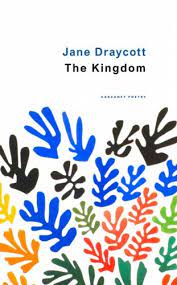
Jane Draycott: The KingdomIan Pople: Spillway: New and Selected Poems Ruth Sharman: Rain Tree • Claire Booker: A Pocketful of Chalk

*****

Jane Draycott’s The Kingdom reviewed by Kathleen Bell

draycott kingThe Kingdom by Jane Draycott. £11.99. Carcanet. ISBN: 978 1 800017 259 3

In a world so recently familiar with grieving and isolation, and alert to the dangers of environmental disaster, Jane Draycott’s poems in The Kingdom conjure a territory that hovers just on the edge of experiences we might recognise, offering us a half-familiar sense of strangeness and estrangement. For example, a message of longing in ‘Wyldernesse’ announces:

xxxxxxxxxxxxxxxxI have entered
a new wilderness, – randomly generated
ravines, sunless abysses in the heart
of the financial sector, sirens throughout –
xxxxxxxxxxand am alone.
. . . . . .
I have asked the few strangers I meet
which way…

View original post 3,408 more words

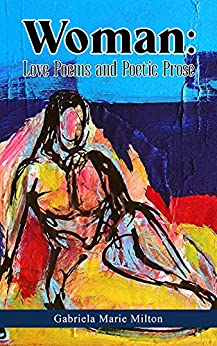
Review of Gabriela Marie Milton’s Poetry Book Woman: Splendor and Sorrow: Love Poems and Poetic Prose by Spriha Kant

The beautifully gracious and wise poetess Gabriela Marie Milton needs no introduction so obviously, there is no room for any doubt that this book is mesmerizingly beautiful and has deeply heartfelt vibes. This book is a cradle of two clusters— Love Poems and Poetic Prose.
A fragment of words from the poetry “Henrhyd Falls (Annwn)” of the Welsh poet “Matthew MC Smith” contained in his poetry book “The Keeper of Aeons” is fit to evince the beauty with which this book shimmers and this shimmer has a thrust to mesmerize its readers:

“glint in glacier-ruins
where minnows flicker
in golden shallows”

The poetess has used personifications, similes, and metaphors in both poetries and poetic prose in different expressions.

She has adorned her few poetries and poetic prose with personifications, similes, and metaphors like a bride with jewel ornaments. Displaying a few jewel ornaments below:

“your voice moves stones in a lonely graveyard
to bury the tears I cry”

“Shadows tremble on the silence of the tombs like
virgins under the touch of their first lover.”

“A pink conch tolls the waves announcing the homecoming of
the chrysanthemums”

“stars rise over old memories of purple seas
like cherry buds”

“when cotton candy sunsets sing
I’ll deliver myself
in the arms of Morpheus
forever
and ever”

“During the nights
in which the moon is glossy and crisp like the crust
of a country bread, the woman’s body gives birth to
mountain chains and fragrant valleys.”

“I know he loved me. Yet his mind was too pedestrian
to understand.”

In the poetic prose “Of Wounds,” the poetess has personified the feelings of humans from a pessimistic angle. Through this personification, she pointed to human vices and the extremities of the adversities pushing humans towards vices. The words she used for pointing to the extremities of the adversities are like melting furnaces for kind hearts.
Quoting below the stanzas consisting of the personification of feelings of humans by the poetess:

“The Envy wears red lipstick and high heels. She
dances naked on a wooden table. At every turn,
she spreads poisonous confetti in the air, and she
lowers her eyes. I try to decipher the meaning of her
gestures. I cannot.”

“The Greed, with her childbearing hips, indulges
herself with poor souls who live at the margins of
the city. The children are hungry, and the mother is
long exhausted. The beds are cold, and the moonlight
enters the rooms through broken windows.”

Contrary to the pessimistic angle of the personified feelings of humans, the poetess has also shed a light on an optimistic angle. Showing below the optimistic face:

“Love and sacrifice are the consummation of all acts
that lead to the warm meal that one hands to an old
man who dwells in the streets during cold winters.
They are the sum of all unknowns. They are the
fingers that draw the light of stars in the darkest of
the skies.”

Each poem is a love poem with an ambiance of its own like chocolate with different flavors.

The poetess in her poetry “The Ides of October” added the flavour of the love of a mother by showing beautifully and in-depth how a woman reaches the seventh sky on giving birth to a baby. Replaying below one of the scenes containing a dialogue spoken by the poetess on the behalf of every mother:

“When I see cocoons of the larvae, I think silk as
soft as the hair of the child.”

The poetess in some of her poetries has added a philosophical flavour. In one such poem “You and I,” the poetess wrapped a new cover printed with her words around the fundamental nature of existence. Showing the cover below:

“a baby star looks down
impermanence of flesh”

In some of the love poetries, the poetess has added a gloomy flavour by including melancholy, hopelessness, helplessness, loneliness, regret, suffering, and tragedy in personal life and by also concealing the portion of the world submerged in the murky sea beneath the layers both through her few words and/or stanzas.
These represent the sensitivity, compassion, and awareness the poetess has.
Quoting below a few words and stanzas representing the sensitivity, compassion, and awareness of the poetess:

“I am neither a gift
nor something you can keep
I am the syllable forgotten on your lip”

“Eyes become the locus where the desert and the sea
meet.”

“I return to find the pardon of the sands
to kiss your dust left on your mother’s hand”

“your tired feet have walked the desert
thorns and thistles scarred your skin
squirming in a mire
enraged by liars
your nights of passions
felt like the apocalypse”

“Your face grows washerwoman skin.”

“kerf cuts your words left in my heart”

“I am as insignificant as a drop of blood floating
through the arteries of night.
Lost at sea the loneliness of sandcastles.”

“Roberto’s guitar sells cheap dreams by the sea
young girls are ready for harvest like flowers of lust”

“For three thousand years, sung by the poets of this
land,
the naked shoulder of the mountain reigned in
stillness.”

“you, my adulterated love
I light your fire
blindfolded I seek a buyer
for all my sins
for this September blood that I resold
and for the girl who once was me”

The poetess has added sensual flavour in some of her poems. She has picturized the sensuality beautifully, however, the expression differs in each sensual poem. Showing below the whole scene picturized in one of the sensual-flavoured poetries “Love Numbers”:

“We laid in the grass, shadows of poppies playing on
our faces with the same rhythmicity of the waves
on tranquil days.
At times we could feel the pulse of the new grains.
The line of my décolleté – as you used to say – nothing
else but the demarcation between inexorable
sins and the blushing tones of the sunsets.”

The poetess has recited a few of the prose in the form of a leaf with very few tiny dews. The leaf is the story and the dew is a tiny tinge of surrealism.
Showing a few words from one of the dewy leaves “Autumn Reflections” below:

“You waited for me at the end of the road. I felt your
hungry fingers unbuttoning my raincoat.

The children approached. Their little voices
pinched my brain like needles. Their thin bodies reflected
in your blue eyes.

I asked:

Can you see the children?

What children?

The children dressed in white. They are in your eyes. Why can’t
you see them?

Your fingers continued to unbutton my raincoat.

Lord, I must have been born on the day of children
who cannot be seen and cannot be heard.

I choked.”

There are a few tiny glints of woman empowerment in this book though but the poetess transmogrified into a tigress in the poetries “On Women’s Writings” and “Feminine Submissiveness.” She in her transmogrified form stripped the critical issues of feminism and woman empowerment nude through her daggering words echoing as bellows and roars from her spirit, influential to ignite the fire in her feminine readers’ hearts to not let any of their glass ceilings go without smashes.

Apart from all the previously mentioned peculiarities, this book has a lot more in it.

This book does not need any recommendation from anyone as the words in this book are fully presentable in themselves.

Bios and Links

Gabriela Marie Milton:

Gabriela Marie Milton i

s the #1 Amazon bestselling poet and an internationally published author. She is a 2022 Pushcart Prize nominee, the author of the #1 best-selling poetry collection Woman: Splendor and Sorrow: | Love Poems and Poetic Prose (Vita Brevis Press, 2021), and the author of Passions: Love Poems and Other Writings (Vita Brevis Press, 2020). She is also the editor of the #1 Amazon bestselling anthology Wounds I Healed: The Poetry of Strong Women (Experiments in Fiction, 2022).
Her poetry and short prose have appeared in various magazines and anthologies. Under the pen name Gabriela M, she was awarded 2019 Author of the Year at Spillwords Press (NYC). Her piece “If I say I love you” was nominated for 2020 Spillwords Press Publication of the Year (Poetic).
On July 6, 2021, she was featured in New York Glamour Magazine. Her interview can be read at the following link:

“Keep going. Greatness always encounters resistance.”- Gabriela Marie Milton

Spriha Kant:

is a poetess and a book reviewer.
Her poetry The Seashell was published online at Imaginary Land Stories for the first time.
The poetries of Spriha have been published in four anthologies till now:
Sing, Do The Birds of Spring
A Whisper Of Your Love
Hard Rain Poetry: Forever Dylan
Bare Bones Writing Issue 1: Fevers of the mind
Spriha has done six book reviews till now:
The Keeper of Aeons by Matthew MC Smith
Nature Speaks of Love and Sorrow by Jeff Flesch
Washed Away: A Collection of Fragments by Shiksha Dheda
Spaces by Clive Gresswell
Silence From the Shadows by Stuart Matthews
Breathe by Helen Laycock
Spriha has collaborated on the poetry The Doorsteps Series with David L O’ Nan.
Spriha has been a part of the two events celebrating the launches of the books till now:
Nature Speaks of Love and Sorrow by Jeff Flesch
As FolkTaleTeller by Paul Brookes
Her poetic quote “An orphic wind storm blew away a sand dune that heaped all our love memories upon one another.” has been published as the epigraph in the book Magkasintahan Volume VI By Poets and Writers from the Philippines under Ukiyoto Publishing in the year 2022.
Spriha has been featured in the two interviews till now:
Quick-9 Interview on feversofthemind.com
#BrokenAsides with Spriha Kant on the brokenspine.co.uk
Spriha has been featured in Creative Achievements in 2022 on thewombwellrainbow.com.
The links to the features of Spriha Kant are:
https://feversofthemind.com/2022/09/13/a-fevers-of-the-mind-quick-9-interview-with-poetess-spriha-kant/
https://thebrokenspine.co.uk/2022/12/07/brokenasides-with-spriha-kant/

#CelebrateYourCreativeAchievementsOf2022 Calling all poets/short prose writers/artworkers between 26-31st December I want to celebrate your creativity over the last year. Please email me a list, plus bio, links and so on. Soon as possible. Today we celebrate the achievements in 2022 of Spriha Kant

Remembering Elisabeth, Pepys’s Wife – Reading the 1663 Pepys Diaries

wendycatpratt's avatarWendy Pratt

I have somehow fallen into a January ritual of reading one year of Samuel Pepys’s diaries as my first book of the year, every year. I’ve done so since 2020, starting with 1660. I’m currently up to mid September of this year’s diary, 1663. The diaries are a fascinating glimpse of the every day life of someone who is a fairly ordinary person working their way up in an administrative job. There’s a lot about the navy and the admiralty in the diaries, a lot of interesting stuff about Charles II and the way the court and parliament worked. But for me the really interesting bits are always the human encounters. There seems to be a lot of trouble with turds in Pepys’s world; lots of basements flooded with crap. Sanitation is still a bit random in London in the 1660s. Each year he is intent on bettering himself; always…

View original post 1,119 more words