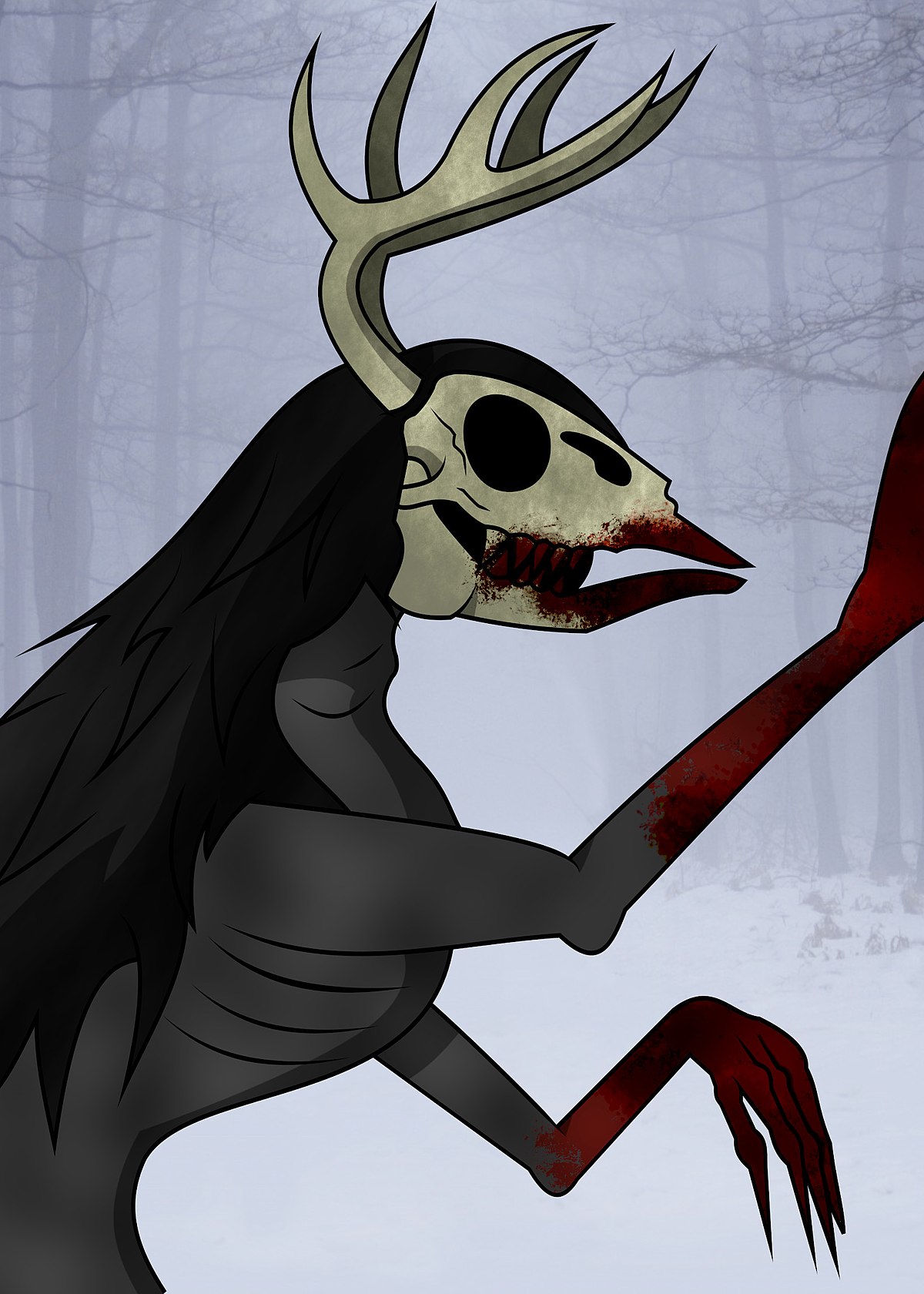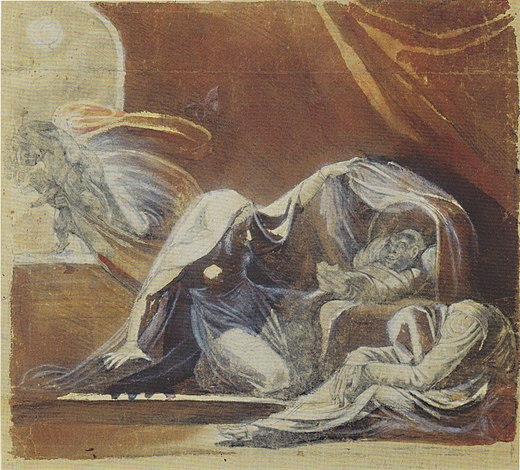
#folktober #ekphrasticchallenge. Day Twenty-Nine. To celebrate the launch of my new poetry collection “As Folktaleteller” I am downloading 93 folklore art images, 3 per day in October and asking writers to write poetry or a short prose inspired by one, two or all three images. Please join Jane Dougherty, Jacqueline Dempsey-Cohen, Kirsten Irving, Merril Smith and I, plus those who react to the images on the day, as we explore images from folktales.

F 1.29. Changeling 520px-Füssli_-_Der_Wechselbalg_-_1780

F 1.29. Changeling

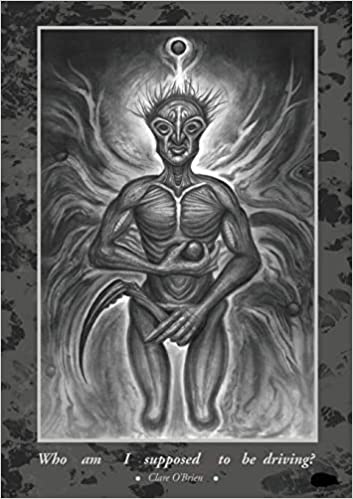
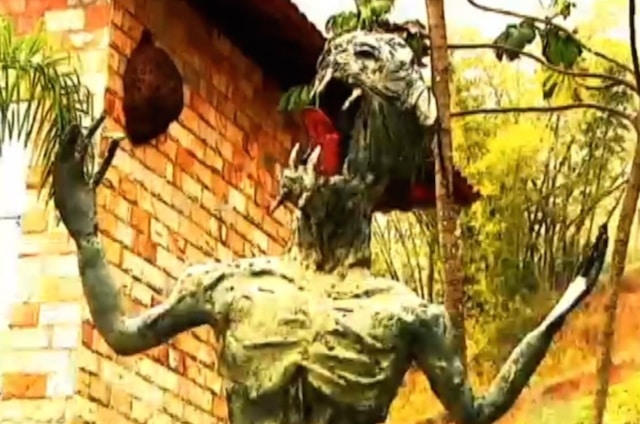
F 2.29. cabocio
F 2.29. cabocio

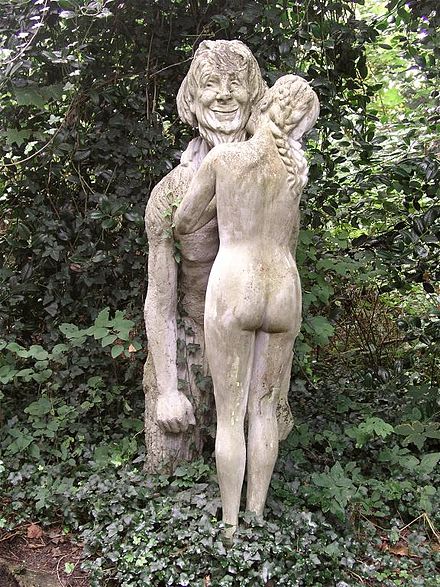
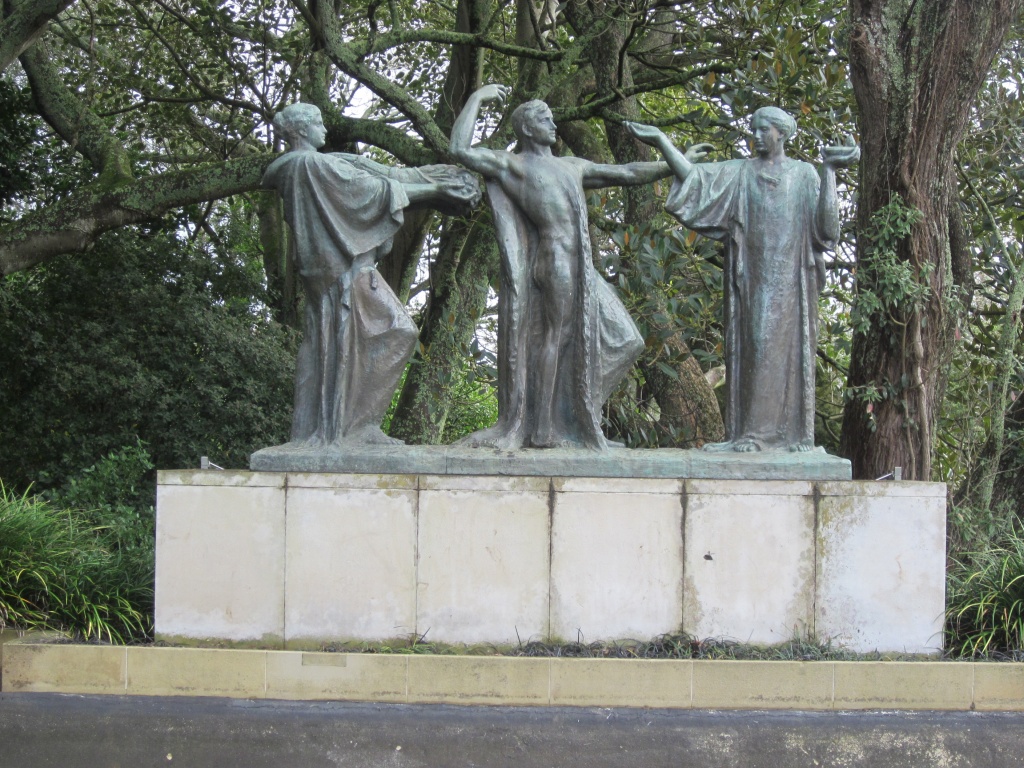
F 3.29 The Three Witches Auckland

F 3.29 The Three Witches Auckland


River Protector (Inspired by E2.29 Caboclos)

Born of last wishes
of river blues-greens, and
the hopes of fins and feathered things.

He protects with fierceness,
the cost of creating a monster,
is rage. His anger born of loneliness,
of being singular and strange.

Like a fish, he has one eye—
on either side of his head,
and he lives surrounded by gold,
that you will never find.

He’s the river’s challenger,
without breath of his own.
Only humans try to claim him,
the river’s creatures leave him alone.

-Merril D Smith

29. The Oaf
(F 1.29 The Changeling)

I am hardly the child you wished for, though you will not say this, even as I push your patience. Plain already, I make myself plainer. Scuff-clumsy and furious, breaking your dishes. You search my profile, track my gait and mine my mannerisms for traces, but the truth is, Mother, there’s nothing to find. Nor does any ancestor jut from my jawline.

The truth is, that thing you suspect – that needle that darts in and out of your brain – is threaded. I remember being laid in the cradle they warmed. That flickering frown as you held me, unsure. You should be. But anything done was a mercy. You don’t know how close it all came, how fine the blade, the plans your baby had for you.

-Kirsten Irving

Síofra (inspired by The Changeling)

Her mother called her Síofra, fairy child,
a changeling with blood of the good folk
fierce and wild,

and cried for her lost infant, golden haired,
rosy-cheeked and longed for, stolen
while she slept,

cried for the ghostly child she saw in dreams,
in flowing white, with folk too bright
to look upon,

but tears ran dry and turned to furrows
in her aging face, when the scrap
tugged at her sleeve,

when the dark-haired, wiry changeling scrap,
with leaves and tree bark in her hair
and scabs upon her knees,

tugged and called her mother, smiling climbed
into her lap, to lay a kiss
on that dry cheek.

-Jane Dougherty

Bios and Links

-Jane Dougherty

lives and works in southwest France. A Pushcart Prize nominee, her poems and stories have been published in magazines and journals including Ogham Stone, the Ekphrastic Review, Black Bough Poetry, ink sweat and tears, Gleam, Nightingale & Sparrow, Green Ink and Brilliant Flash Fiction. She blogs at https://janedougherty.wordpress.com/ Her poetry chapbooks, thicker than water and birds and other feathers were published in October and November 2020.

-Eryn McConnell

is a poet originally from the UK who now lives in South Germany with their family. They have been writing poetry since their teens and is currently working on their second collection of poems.

-Spriha Kant

developed an interest in reading and writing poetries at a very tender age. Her poetry “The Seashell” was first published online in the “Imaginary Land Stories” on August 8, 2020, by Sunmeet Singh. She has been a part of Stuart Matthew’s anthology “Sing, Do the birds of Spring” in the fourth series of books from #InstantEternal poetry prompts. She has been featured in the Bob Dylan-inspired anthology “Hard Rain Poetry: Forever Dylan” by the founder and editor of the website “Fevers of the Mind Poetry and Art” David L O’ Nan. Her poetries have been published in the anthology “Bare Bones Writing Issue 1: Fevers of the Mind”. Paul Brookes has featured her poetry, “A Monstrous Shadow”, based on a photograph clicked by herself, as the “Seventh Synergy” in “SYNERGY: CALLING ALL WRITERS WHO ARE PHOTOGRAPHERS” on his blog “The Wombwell Rainbow”. She has been featured in the “Quick-9 interview” on feversofthemind.com by David L’O Nan. She has reviewed the poetry book “Silence From The Shadows” by Stuart Matthews. Her acrostic poetry “A Rainstorm” has been published in the Poetic Form Challenge on the blog “TheWombwell Rainbow” owned by Paul Brookes. She also joined the movement “World Suicide Prevention Day” by contributing her poetry “Giving Up The Smooch” on the blog “The Wombwell Rainbow”, an initiative taken by Paul Brookes.

-Gaynor Kane

from Belfast in Northern Ireland, had no idea that when she started a degree with the OU at forty it would be life changing.  It magically turned her into a writer and now she has a few collections of poetry published, all by The Hedgehog Poetry Press Recently, she has been a judge for The North Carolina Poetry Society and guest sub-editor for the inaugural issue of The Storms: A journal of prose, poetry and visual art. Her new chapbook, Eight Types of Love, was released in July. Follow her on Twitter @gaynorkane or read more at www.gaynorkane.com

-Dave Garbutt

has been writing poems since he was 17 and has still not learned to give up. His poems have been published in The Brown Envelope Anthology, and magazines (Horizon, Writers & Readers) most recently on XRcreative and forthcoming in the Deronda review. His poem ‘ripped’ was long listed in the Rialto Nature & Place competition 2021. In August 2021 he took part in the Postcard Poetry Festival and the chap book that came from that is available at the postcard festival website. https://ppf.cascadiapoeticslab.org/2021/11/08/dave-garbutt-interview/.

He was born less than a mile from where Keats lived in N London and sometimes describes himself as ‘a failed biologist, like Keats’, in the 70’s he moved to Reading until till moving to Switzerland (in 1994), where he still lives. He has found the time since the pandemic very productive as many workshops and groups opened up to non-locals as they moved to Zoom. 

Dave retired from the science and IT world in 2016 and he is active on Twitter, FaceBook, Medium.com, Flickr (he had a solo exhibition of his photographs in March 2017). He leads monthly bird walks around the Birs river in NW Switzerland. His tag is @DavGar51.

-Merril D. Smith

lives in southern New Jersey near the Delaware River. Her poetry has been published in several poetry journals and anthologies, including Black Bough Poetry, Anti-Heroin Chic,  Fevers of the Mind, and Nightingale and Sparrow. Her first full-length poetry collection, River Ghosts, is forthcoming from Nightingale & Sparrow Press.  Twitter: @merril_mds  Instagram: mdsmithnj  Website/blog: merrildsmith.com

-Jacqueline Dempsey-Cohen,

a retired teacher and children’s library specialist, considers herself an adventurer. She has meandered the country in an old Chevy van and flown along on midnight runs in a smoky old Convair 440 to deliver the Wall Street Journal. She is a licensed pilot, coffee house lingerer, and finds her inspiration and solace in nature in all its glorious diversity. Loving wife and mother, she makes her home in the wilds of Portland OR. www.MudAndInkPoetry.art 

Folktober challenge day 28

Jane Dougherty's avatarJane Dougherty Writes

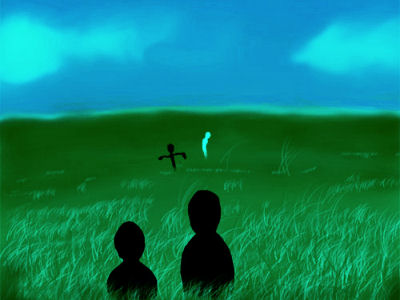
My poem was inspired by this image of the Kunekune, a newly discovered Japanese demon. You can read all the contributions and the images that inspired them on Paul Brookes’ blog here.

Kunekune or the fear of paper

In a flat field of green shoots, waving stalks,
a bright unbroken sea, a tremulous shape,
a papery, boneless, limbed shape shivers,

papery and boneless and distant,
elusive as ghost people, paper storks,
mirages and miracles that stalk the dark.

Don’t look, they say, turn away.
That waving is not drowning,
but dancing on someone’s grave.

That fragile, fluttering body,
blind-eyed, death bone-white,
holds death in its fingerless hands.

These days, we fear those waving
to catch our attention, even boneless,
shivering sheets of paper.

View original post

Review of ‘Who am I supposed to be driving?’ by Clare O’Brien

Nigel Kent's avatarNigel Kent - Poet and Reviewer

Regular visitors to this website will know I have a particular interest in ekphrastic poetry. Having written a collection of such poems in 2021, Unmuted, I am well aware of the challenges presented by the genre, the most important being the capacity for the poems to be able to stand alone: i.e. for me they must remain meaningful to the reader with minimal or, indeed, no knowledge of the source. Clare O’Brien’s debut pamphlet Who am I supposed to be driving? (Hedgehog Poetry, 2022) is a unique collection of thirteen ekphrastic poems, written in response to the music of David Bowie, and they certainly pass that test for this reader. You certainly do not need to be a fan of Bowie to appreciate these wonderful poems which allow us to explore the capacity of music to prompt reflections on the nature of the human condition.

Unsurprisingly for poems inspired…

View original post 1,092 more words

Folktober Challenge, Day 28

merrildsmith's avatarYesterday and today: Merril's historical musings

Inspired by F2. 28 Kunekune

Kunekune

Have you seen it? Slender, twisting,
in the rice field, like a ghostly figured light
when the plants are green, the sky bright blue.
It’s mesmerizing as it dances,
when no wind is there. You yawn over lunch,
think you dreamt what you’d seen.

But there’s your friend,
standing where it was. His eyes now blank,
his mind now gone, and you know
what you saw–it wasn’t a dream.

For Paul Brookes’ Folktober Challenge. You can see the images and read the other responses here.

View original post

#folktober #ekphrasticchallenge. Day Twenty-Eight. To celebrate the launch of my new poetry collection “As Folktaleteller” I am downloading 93 folklore art images, 3 per day in October and asking writers to write poetry or a short prose inspired by one, two or all three images. Please join Jacqueline Dempsey-Cohen, Jane Dougherty, Merril Smith and I, plus those who react to the images on the day, as we explore images from folktales.

F 1.28. Bugbear Bremerhaven_Thiele_2

F 1.28. Bugbear Bremerhaven_Thiele_2

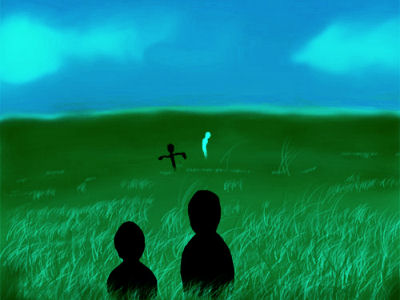
F 2.28. Kunekune

F 2.28. Kunekune

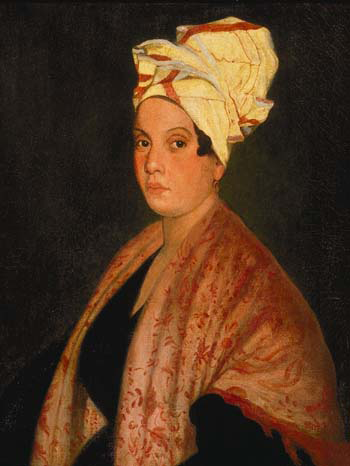
F 3.28 Marie Laveau_(Frank_Schneider)

F 3.28 Marie Laveau_(Frank_Schneider)

Kunekune or the fear of paper (Based on the Kunekune image.)

In a flat field of green shoots, waving stalks,
a bright unbroken sea, a tremulous shape,
a papery, boneless, limbed shape shivers,

papery and boneless and distant,
elusive as ghost people, paper storks,
mirages and miracles that stalk the dark.

Don’t look, they say, turn away.
That waving is not drowning,
but dancing on someone’s grave.

That fragile, fluttering body,
blind-eyed, death bone-white,
holds death in its fingerless hands.

These days, we fear those waving
to catch our attention, even boneless,
shivering sheets of paper.

-Jane Dougherty

Kunekune (Inspired by F2. 28 Kunekune)

Have you seen it? Slender, twisting,
in the rice field, like a ghostly figured light
when the plants are green, the sky bright blue.
It’s mesmerizing as it dances,
when no wind is there. You yawn over lunch,
think you dreamt what you’d seen.

But there’s your friend,
standing where it was. His eyes now blank,
his mind now gone, and you know
what you saw–it wasn’t a dream.

-Merril D Smith

Mambo (F3.28 Marie Leveau (Frank Schneider) )

Behold the regal Voodoo Queen,
Her beauty born of mud and moss,
Her brow puissant, her mouth held firm
She compels and quells with brazen eyes

High priestess to the rich and vain
-Those slender reeds, all piss and wind
who wisp and wail around her feet-
and cringe beneath her haughty gaze

She weaves her spells with spanish moss
And blooms them fresh with viney scent
Beware her frangipani hands –
-they conjure mandevilla dreams

-Jacqueline Dempsey-Cohen

Bios and Links

-Jane Dougherty

lives and works in southwest France. A Pushcart Prize nominee, her poems and stories have been published in magazines and journals including Ogham Stone, the Ekphrastic Review, Black Bough Poetry, ink sweat and tears, Gleam, Nightingale & Sparrow, Green Ink and Brilliant Flash Fiction. She blogs at https://janedougherty.wordpress.com/ Her poetry chapbooks, thicker than water and birds and other feathers were published in October and November 2020.

-Eryn McConnell

is a poet originally from the UK who now lives in South Germany with their family. They have been writing poetry since their teens and is currently working on their second collection of poems.

-Spriha Kant

developed an interest in reading and writing poetries at a very tender age. Her poetry “The Seashell” was first published online in the “Imaginary Land Stories” on August 8, 2020, by Sunmeet Singh. She has been a part of Stuart Matthew’s anthology “Sing, Do the birds of Spring” in the fourth series of books from #InstantEternal poetry prompts. She has been featured in the Bob Dylan-inspired anthology “Hard Rain Poetry: Forever Dylan” by the founder and editor of the website “Fevers of the Mind Poetry and Art” David L O’ Nan. Her poetries have been published in the anthology “Bare Bones Writing Issue 1: Fevers of the Mind”. Paul Brookes has featured her poetry, “A Monstrous Shadow”, based on a photograph clicked by herself, as the “Seventh Synergy” in “SYNERGY: CALLING ALL WRITERS WHO ARE PHOTOGRAPHERS” on his blog “The Wombwell Rainbow”. She has been featured in the “Quick-9 interview” on feversofthemind.com by David L’O Nan. She has reviewed the poetry book “Silence From The Shadows” by Stuart Matthews. Her acrostic poetry “A Rainstorm” has been published in the Poetic Form Challenge on the blog “TheWombwell Rainbow” owned by Paul Brookes. She also joined the movement “World Suicide Prevention Day” by contributing her poetry “Giving Up The Smooch” on the blog “The Wombwell Rainbow”, an initiative taken by Paul Brookes.

-Gaynor Kane

from Belfast in Northern Ireland, had no idea that when she started a degree with the OU at forty it would be life changing.  It magically turned her into a writer and now she has a few collections of poetry published, all by The Hedgehog Poetry Press Recently, she has been a judge for The North Carolina Poetry Society and guest sub-editor for the inaugural issue of The Storms: A journal of prose, poetry and visual art. Her new chapbook, Eight Types of Love, was released in July. Follow her on Twitter @gaynorkane or read more at www.gaynorkane.com

-Dave Garbutt

has been writing poems since he was 17 and has still not learned to give up. His poems have been published in The Brown Envelope Anthology, and magazines (Horizon, Writers & Readers) most recently on XRcreative and forthcoming in the Deronda review. His poem ‘ripped’ was long listed in the Rialto Nature & Place competition 2021. In August 2021 he took part in the Postcard Poetry Festival and the chap book that came from that is available at the postcard festival website. https://ppf.cascadiapoeticslab.org/2021/11/08/dave-garbutt-interview/.

He was born less than a mile from where Keats lived in N London and sometimes describes himself as ‘a failed biologist, like Keats’, in the 70’s he moved to Reading until till moving to Switzerland (in 1994), where he still lives. He has found the time since the pandemic very productive as many workshops and groups opened up to non-locals as they moved to Zoom. 

Dave retired from the science and IT world in 2016 and he is active on Twitter, FaceBook, Medium.com, Flickr (he had a solo exhibition of his photographs in March 2017). He leads monthly bird walks around the Birs river in NW Switzerland. His tag is @DavGar51.

-Merril D. Smith

lives in southern New Jersey near the Delaware River. Her poetry has been published in several poetry journals and anthologies, including Black Bough Poetry, Anti-Heroin Chic,  Fevers of the Mind, and Nightingale and Sparrow. Her first full-length poetry collection, River Ghosts, is forthcoming from Nightingale & Sparrow Press.  Twitter: @merril_mds  Instagram: mdsmithnj  Website/blog: merrildsmith.com

-Jacqueline Dempsey-Cohen,

a retired teacher and children’s library specialist, considers herself an adventurer. She has meandered the country in an old Chevy van and flown along on midnight runs in a smoky old Convair 440 to deliver the Wall Street Journal. She is a licensed pilot, coffee house lingerer, and finds her inspiration and solace in nature in all its glorious diversity. Loving wife and mother, she makes her home in the wilds of Portland OR. www.MudAndInkPoetry.art 
Wombwell Rainbow Interviews: Dave Garbutt

Dave Garbutt Medium site

Dave Garbutt

has been writing poems since he was 17 and has still not learned to give up. His poems have been published in The Brown Envelope Anthology, and magazines (Horizon, Writers & Readers) most recently on XRcreative and forthcoming in the Deronda review. His poem ‘ripped’ was long listed in the Rialto Nature & Place competition 2021. In August 2021 he took part in the Postcard Poetry Festival and the chap book that came from that is available at the postcard festival website. https://ppf.cascadiapoeticslab.org/2021/11/08/dave-garbutt-interview/.

He was born less than a mile from where Keats lived in N London and sometimes describes himself as ‘a failed biologist, like Keats’, in the 70’s he moved to Reading until till moving to Switzerland (in 1994), where he still lives. He has found the time since the pandemic very productive as many workshops and groups opened up to non-locals as they moved to Zoom. 

Dave retired from the science and IT world in 2016 and he is active on Twitter, FaceBook, Medium.com, Flickr (he had a solo exhibition of his photographs in March 2017). He leads monthly bird walks around the Birs river in NW Switzerland. His tag is @DavGar51.

The Interview

When and why did you start writing poetry?

Way back in 68 when I was 16 I met a girl on a birding holiday and then a week later I was off to the USA for a year. She gave me her address and we corresponded for a year or more. Although I was doing sciences in the UK in the US I had also to do Eng Lit and Humanities so I met poetry again and loved it. And I started writing out all these strange feelings I had suddenly. I was quite quiet and geeky, I suspect I would be ND these days, who knows.

I met Emily Dickinson there and my first ambition was to write more poems than she did 🙂 That accomplished, I came back to the UK in 1969.

1.1. “You met poetry, again” when and how was the first time you met it?

At the Grammar school I was at I had a form Master who was a historian an taught us Latin. He had a little library in the classroom  we could read from, and one day I stayed in at break to read The Rhyme of the Ancient Mariner. He was about to chuck me out into the playground (a den of villains who certainly would thought nothing if killing an albatross, and the crew) and he asked me why I was staying and I said I wanted to read TRAM again, so I got to stay. 

I loved that poem then and still do. It has got greater even: now I see it as a very astute diagnosis of what is wrong with our capitalist society and the way it is shredding the world, just because we can. 

1.2. What poetry unlocked the poetry in you in the US?

I just realised I should have mentioned Dylan. I sat next to a Dylan fan in my third year at school and we would play hangman using Dylan’s song titles. I’ll never forget getting ‘It takes a lot to laugh, it takes a train to cry’. So in Christmas 1966 I bought Blonde on Blonde and was hypnotised. So that was laying the ground for an extra interest in lyrics. 

It was a great course that covered Chaucer and folk ballads to the moderns so there was lots to like. The intricacies of Donne and Hopkins appealed especially and I found a lot to like in Pope and Blake too. 

But I think ee cummings, Blake, Emily Dickinson and Chinese and Japanese poets had the biggest influence on how I wrote. 

Line Emily ‘I was much possessed by death’

Of the Haiku masters I find Issa the most moving. 

But I read then in Henderson’s book of Haiku about Basho’s student when asked what is poetry said

A dragonfly! Remove the wings,

A pepperpod!

To which Basho said oh no THIS, is poetry:

A red pepperpod!

Just add wings, it’s 

A dragonfly. 

It seemed to me this encapsulated how poetry should be, opening us up, expanding thought and imagination. Not the depressed mumblings of the teenaged/ existentialist/ modernist Hollow Man I was (and some others were/are too). 

[I disliked then and still do Henderson’s rendering of Haiku as couplets. He said 17 syllables was too few, and I resolved to prove him wrong 😉 ]

[I can find his exact words once I get home, but this is what I remember]

I suppose what I concluded from all those poets was that there are many paths to poems that work, and that form and metre are subsidiary tools to expressing what you want to say and what is interesting. And intricacy is necessary unless you want to be read just once. I later learned that the intricacy doesn’t need to flag itself. I was quite obsessed with trying construct poems where words should be read twice as a part  of two phrases or where a second interpretation was necessary and simultaneously present. And allusiveness was all there, but with the ideas rather than direct quotes, as in Eliot. 

And as I was studying science I wanted to root my imagery in that vocabulary too. 

3. What motivates you to write?

Ah! This is a hard one. 

In a way it is like any activity, why do I go birding? Why do I walk the dog? Why do I do crossword puzzles? Actually I don’t do those so that isn’t helpful. 

Often first lines pop into my head, I scribble them down and sit quietly later and ‘follow  that golden thread’. 

I used to wait for these moments but about 32 years ago I started up writing again and found a writing group for the first time in my life. There we started doing writing exercises and I learned I could write anytime- as long as someone said: Write!

So I learned from that it was about giving myself permission not ‘waiting for inspiration’. After that group folded I co-founded a new one and also organised monthly open readings with a star author. And I discovered what a drug reading to an audience is. So I started writing simpler poems that would also perform well. Or at least simpler on the surface 😉  [Cy Forest was a member of that group and can talk about the history 😉 ]

4. How do the writers you read when you were young influence your work today?

I think I have moved beyond copying and pastiching them (this might not be true ;-), although I would say doing that is an essential stage of exorcism; it was only recently I stopped writing Eliot-like lyrics.

So, I think today I am using those cadences, ways of thought, and approaches to subjects. But I hope adding my own twists.

To be honest I think my readers are better placed to think about that. My role is just getting the poem done. And tweeted/published.

5. Who of today’s writers do you admire the most and why?

I think I have moved beyond copying and pastiching them (this might not be true ;-), although I would say doing that is an essential stage of exorcism; it was only recently I stopped writing Eliot-like lyrics.

So, I think today I am using those cadences, ways of thought, and approaches to subjects. But I hope adding my own twists.

To be honest I think my readers are better placed to think about that. My role is just getting the poem done. And tweeted/published.

6. Why do you write, as opposed to doing anything else?

Now that I am retired I usually can make time between household duties to write when an idea pops into my head, of course when I was working it was much harder to do that but I used to write on a post-it and stock it to my computer, then take them all home when I went home. 

I am also signed up with poetry group over Zoom on Thursday evening where we have prompts and write for two hours. In the last year this has produced 50+ poems.  I also go to a Stanza group run out of Geneva that has people with very different world views from mine, and has prompted several response poems. It has especially crystallised my annoyance with symbolism. 

TL;DR Life. To paraphrase Neil Young: poetry is breathing out; everything else is breathing in. 

7. What would you say to someone who asked you “How do you become a writer?”

Just

Write.

And throw things away

And find people that write and talk

(They almost all do ) 

And write and talk with them. 

And read your words out loud, to your self—

And before you are ready —to your friends

And when you can to strangers.

And as you read

Listen.

Listen to the audience breathing.

When they stop, remember that

And what took them there. 

And write it again, but ascend this 

mountain Non-breath by every ridge,

Every route,

And one day the North face:

Solo, winter, unroped. 

8. How important is white space to you on the page of a poem?

Mostly, I would say very important. 

I have gone through phases oscillating between being all about visual layout (originally this was the ee cummings influence) and being all about the words and rhythms. 

Nowadays I don’t see these as experiments but a technique to use when needed. 

When the flow of a poem is not so strong and rapid, when, if I read it aloud there would be pauses then I add white space. 

Some times I will write in two columns and these can be read with two voices. An example would be Piano practice (triads) where one column is the piano and the other is a voice singing adapted lyrics from the song. Here vertical space matters  in denoting simultaneity, and the pauses in the piano tune the player makes. 

Space for me includes line ends and for example ‘Swifts’ uses short scythe-like lines that emulate the swift’s flight. So, white space also includes the poem’s shape. 

Other poems (eg How do you cover love) have lines that get longer to echo the desperate search for better ways, or at least one that works. 

I have long thought punctuation inadequate so I always search for better ways to nest clauses and how to allow other structures than linear with nested sections. 

Speech is often not structured like written words so sometimes that is what I am building with. 

The summary is that form (including white space and layout) is a tool whereby meaning can be expressed, and the meaning is more important to me. If I had a sonnet and a line I couldn’t rhyme but that non-rhyming word was the best, then I would stick with that word. In the right mood I might try to recast other words, maybe not. 

Other people have different views, perhaps their command of English is better, that’s OK. Only I am writing the poems I write. My job is to find them and write them not measure them*. When I realised that it was very liberating.

9. When assembling a collection of your poetry how do you decide the order of your poems?

Ah ha! A good question to which I knew the answer.

The ‘collected’ which I am working on will be in date order, as most likely will the 1971-1990 volume. 

With the Cliché collection and the postcards I started in composition order and then shuffled them around so some on similar themes (eg the environmental ones) are together. Sometimes I juxtapose contrasting ones or make sure they are on opposite pages.   I think this works well but to be honest I would like to find expertise on this.

I think my policy to not measure my poems is working against me here :-).  

I did always like the way the Rattle Bag was arranged  (alphabetically by title) so I considered that and I also will try alphabetically by last line for the collected poems.

I am not writing long sequences with a story line so that isn’t an option. 

I do have one project with characters of different ages and I have decided that these will be chronological by age of the character, so their poems will be intermingled. 

Folktober challenge day 27

Jane Dougherty's avatarJane Dougherty Writes

This is my poem for October 27, a special day. You can read all of the contributions on Paul Brookes’ blog here.

Sirin and Alkonost

From beneath the first rocks uprooted,
the first source sprang in ribbons
of water-feathers, sparkling with song
and the soft melodies of comfort.

Water and wind, feathered fish-birds,
flying on billowed rivers, sisters, mothers,
wingtip to wingtip, owl and swallow,
swoop, sweep in their silent dances,

on their tongues, high, excited chatter
and the crooning flute music of remembrance,
they weave a life story, embracing birth,
death and all that lies between.

View original post

Folktober Challenge, Day 27

merrildsmith's avatarYesterday and today: Merril's historical musings

Inspired by 2.27, Sirin and Alkonost, The Birds of Joy and Sorrow

Sirin and Alkonost

In this time of in-between,
when only pine and fir stay green,
the other leaves turn red and brown,
and fog tiptoes in to obscure sight
but carries sound.

Look up, and you might see,
the two sisters in a tree,
on a bough of oak or birch,
there they sit–
or rather perch.

They sing of joy and sorrow,
they make you forget tomorrow,
they are beautiful, their songs enchanting
owl and raven winged—
they sing, entrancing.

Golden Sirin should remain a stranger,
her wondrous voice lures you to danger.
Raven Alkonost, is difficult to find—
as happiness is fleeting—
her song may make you lose your mind.

The world you thought you had,
beauty that may not make you glad.
Twin-edged, sorrow and delight,
bird-women of joy and sorrow,
bring both darkness and…

View original post 60 more words

#folktober #ekphrasticchallenge. Day Twenty-Seven. To celebrate the launch of my new poetry collection “As Folktaleteller” I am downloading 93 folklore art images, 3 per day in October and asking writers to write poetry or a short prose inspired by one, two or all three images. Please join Jane Dougherty, Dave Garbutt, Jacqueline Dempsey-Cohen, Merril Smith and I, plus those who react to the images on the day, as we explore images from folktales.

F 1.27. Sluagh

F 1.27. Sluagh

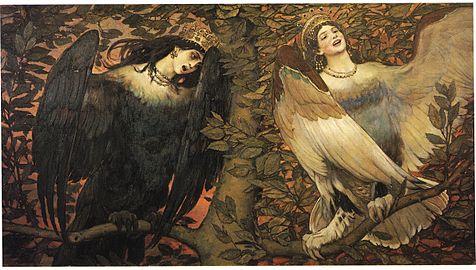
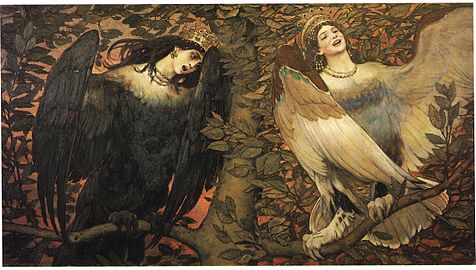
F 2.27. Sirin Vasnetsov_Sirin_Alkonost

F 2.27. Sirin

F 3.27 1200px Wendigo Wintery_Forest

F 3.27 1200px Wendigo Wintery_Forest


Sirin (F 2.27. Sirin Vasnetsov_Sirin)

They seize the skies each night
Wings unfurling in lancet arches –
Cathedrals of flight
yearning toward heaven.

Yet the weight of endless tears
turns their exquisite faces
ever earthward.

They gaze down on us, luminous
in an ecstasy of grief.
Reflecting back the
celestial glory they seek.

Jacqueline Depmsey-Cohen

Reedbeds of the Euphrates

—– original home of Sirin and Alkenost (birds of joy and sorrow)

Sharp-edged reeds, in waist high water
we wade and watch
bog thrushes, Basra Reed Warblers
and crakes, always glimpses of crakes—
disappearing, tied to this habitat,

and then we see two
crakes with womens’ heads:
The black Alkenost singing of floods
to come, the return of marshes
the rising river

and another!
Sirin walking through reeds
carefully, her head, moving as she walks
‘quip, quip, quip’
“the paradise is gone
reed beds drained, the rain
never falling,
plough and harrow moving where
crakes walked, marsh harriers flew.”

Which is true? Which is lie?

-Dave Garbutt

Sirin and Alkonost (Inspired by 2.27, Sirin and Alkonost, The Birds of Joy and Sorrow)

In this time of in-between,
when only pine and fir stay green,
the other leaves turn red and brown,
and fog tiptoes in to obscure sight
but carries sound.

Look up, and you might see,
the two sisters in a tree,
on a bough of oak or birch,
there they sit–
or rather perch.

They sing of joy and sorrow,
they make you forget tomorrow,
they are beautiful, their songs enchanting
owl and raven winged—
they sing, entrancing.

Golden Sirin should remain a stranger,
her wondrous voice lures you to danger.
Raven Alkonost, is difficult to find—
as happiness is fleeting—
her song may make you lose your mind.

The world you thought you had,
beauty that may not make you glad.
Twin-edged, sorrow and delight,
bird-women of joy and sorrow,
bring both darkness and light.

In this time of in-between,
beware of the invisible and the seen
stay clear
of birds with women’s faces and hair,
run from their songs that float in the air.

-Merril D Smith

Sirin and Alkonost (inspired by F2: 27)

From beneath the first rocks uprooted,
the first source sprang in ribbons
of water-feathers, sparkling with song
and the soft melodies of comfort.

Water and wind, feathered fish-birds,
flying on billowed rivers, sisters, mothers,
wingtip to wingtip, owl and swallow,
swoop, sweep in their silent dances,

on their tongues, high, excited chatter
and the crooning flute music of remembrance,
they weave a life story, embracing birth,
death and all that lies between.

-Jane Dougherty

Bios and Links

-Jane Dougherty

lives and works in southwest France. A Pushcart Prize nominee, her poems and stories have been published in magazines and journals including Ogham Stone, the Ekphrastic Review, Black Bough Poetry, ink sweat and tears, Gleam, Nightingale & Sparrow, Green Ink and Brilliant Flash Fiction. She blogs at https://janedougherty.wordpress.com/ Her poetry chapbooks, thicker than water and birds and other feathers were published in October and November 2020.

-Eryn McConnell

is a poet originally from the UK who now lives in South Germany with their family. They have been writing poetry since their teens and is currently working on their second collection of poems.

-Spriha Kant

developed an interest in reading and writing poetries at a very tender age. Her poetry “The Seashell” was first published online in the “Imaginary Land Stories” on August 8, 2020, by Sunmeet Singh. She has been a part of Stuart Matthew’s anthology “Sing, Do the birds of Spring” in the fourth series of books from #InstantEternal poetry prompts. She has been featured in the Bob Dylan-inspired anthology “Hard Rain Poetry: Forever Dylan” by the founder and editor of the website “Fevers of the Mind Poetry and Art” David L O’ Nan. Her poetries have been published in the anthology “Bare Bones Writing Issue 1: Fevers of the Mind”. Paul Brookes has featured her poetry, “A Monstrous Shadow”, based on a photograph clicked by herself, as the “Seventh Synergy” in “SYNERGY: CALLING ALL WRITERS WHO ARE PHOTOGRAPHERS” on his blog “The Wombwell Rainbow”. She has been featured in the “Quick-9 interview” on feversofthemind.com by David L’O Nan. She has reviewed the poetry book “Silence From The Shadows” by Stuart Matthews. Her acrostic poetry “A Rainstorm” has been published in the Poetic Form Challenge on the blog “TheWombwell Rainbow” owned by Paul Brookes. She also joined the movement “World Suicide Prevention Day” by contributing her poetry “Giving Up The Smooch” on the blog “The Wombwell Rainbow”, an initiative taken by Paul Brookes.

-Gaynor Kane

from Belfast in Northern Ireland, had no idea that when she started a degree with the OU at forty it would be life changing.  It magically turned her into a writer and now she has a few collections of poetry published, all by The Hedgehog Poetry Press Recently, she has been a judge for The North Carolina Poetry Society and guest sub-editor for the inaugural issue of The Storms: A journal of prose, poetry and visual art. Her new chapbook, Eight Types of Love, was released in July. Follow her on Twitter @gaynorkane or read more at www.gaynorkane.com

-Dave Garbutt

has been writing poems since he was 17 and has still not learned to give up. His poems have been published in The Brown Envelope Anthology, and magazines (Horizon, Writers & Readers) most recently on XRcreative and forthcoming in the Deronda review. His poem ‘ripped’ was long listed in the Rialto Nature & Place competition 2021. In August 2021 he took part in the Postcard Poetry Festival and the chap book that came from that is available at the postcard festival website. https://ppf.cascadiapoeticslab.org/2021/11/08/dave-garbutt-interview/.

He was born less than a mile from where Keats lived in N London and sometimes describes himself as ‘a failed biologist, like Keats’, in the 70’s he moved to Reading until till moving to Switzerland (in 1994), where he still lives. He has found the time since the pandemic very productive as many workshops and groups opened up to non-locals as they moved to Zoom. 

Dave retired from the science and IT world in 2016 and he is active on Twitter, FaceBook, Medium.com, Flickr (he had a solo exhibition of his photographs in March 2017). He leads monthly bird walks around the Birs river in NW Switzerland. His tag is @DavGar51.

-Merril D. Smith

lives in southern New Jersey near the Delaware River. Her poetry has been published in several poetry journals and anthologies, including Black Bough Poetry, Anti-Heroin Chic,  Fevers of the Mind, and Nightingale and Sparrow. Her first full-length poetry collection, River Ghosts, is forthcoming from Nightingale & Sparrow Press.  Twitter: @merril_mds  Instagram: mdsmithnj  Website/blog: merrildsmith.com

-Jacqueline Dempsey-Cohen,

a retired teacher and children’s library specialist, considers herself an adventurer. She has meandered the country in an old Chevy van and flown along on midnight runs in a smoky old Convair 440 to deliver the Wall Street Journal. She is a licensed pilot, coffee house lingerer, and finds her inspiration and solace in nature in all its glorious diversity. Loving wife and mother, she makes her home in the wilds of Portland OR. www.MudAndInkPoetry.art 

Folktober, Day 26

merrildsmith's avatarYesterday and today: Merril's historical musings

Inspired by 1.26 Ollipheist and F2.26 Boto Encanto

Water Creatures
1.
The sea serpent swallowed the girl
who angered the salmon of knowledge,
the salmon, seemingly less than full of wisdom
and the serpent a monster with little brain.
He ate the piper, who went on
playing—till the Oilliphéist spit him out
perhaps even monsters cannot silence a piper.

2.
The river holds secrets,
not all is what it seems
a handsome man may drink and flirt,
but he will not take off his hat.
The women he seduces, left brooding,
expecting more—
as he tosses his hat, takes his dolphin form,
dives back into the river.

For Paul Brookes’ Folktober Challenge. You can see the images and read the responses here.

View original post