
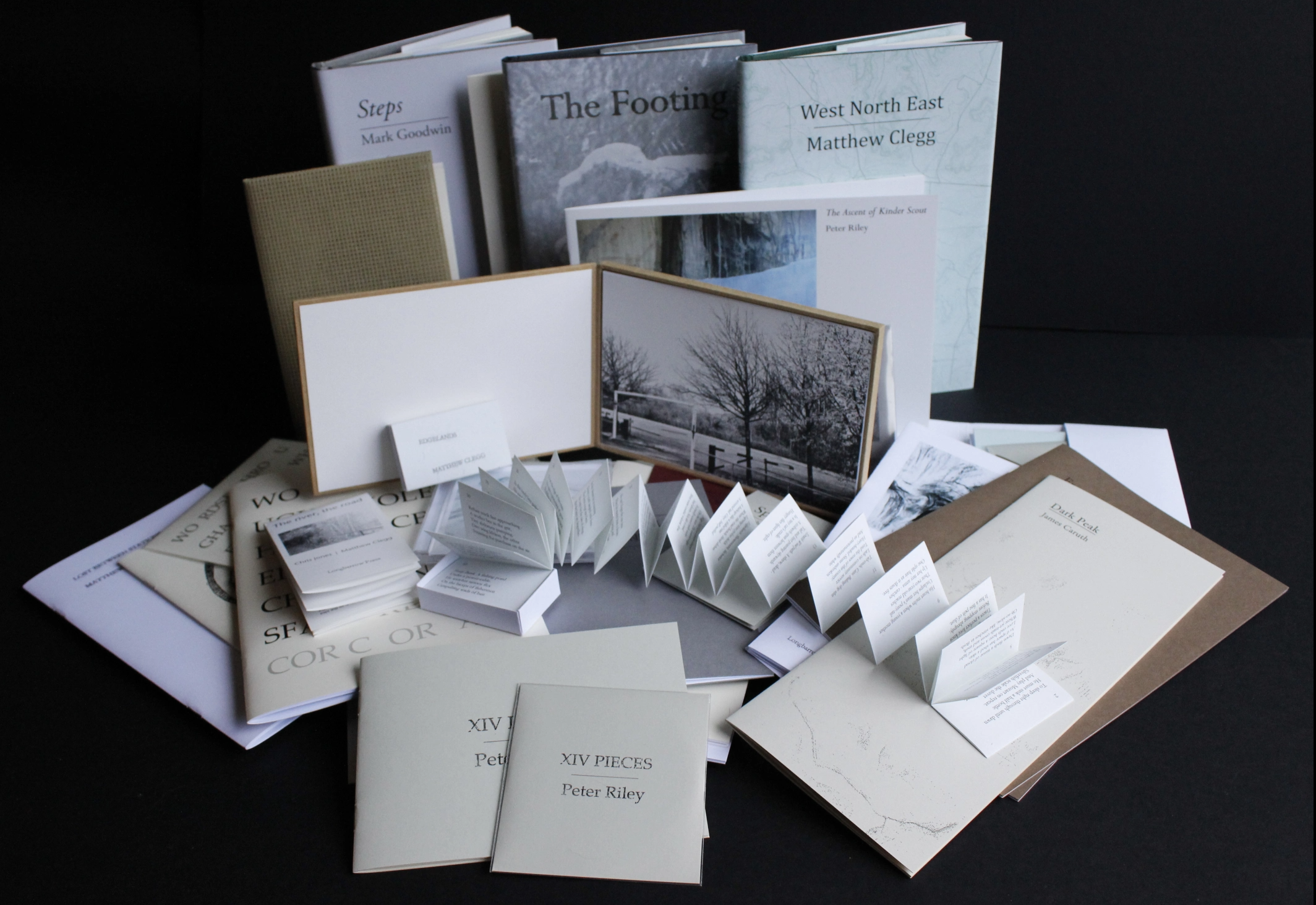
Jasmina Bolfek-Radovani’s ground-breaking poetry collectionKnitting drum machines for exiled
tonguespresents the reader with thirty-five multilingual poems in English, French and Croatian structurally interwoven with thirteen visual-textual fragments and three poems-tattoos or “tattooed” drawings through the narrative device of “enchâssement” (embedding). Using the universal languages of the heart / love / music / rhythm the author seamlessly transgresses borders and provides us with a poignant, evocative, and fully inclusive, immersive experience. The recurring tropes of falling, absence, and loss, and the evocation of a fourth “shadow language” signify the narrator’s displacement from ‘home’ and language, whilst at the same time questioning the identity discourses of nostalgia, belonging and exile. Here, the central image of the “knitting drum machines for exiled tongues” can be interpreted both as an innovative artistic practice allowing the revival of lost and / or exiled languages, and as an enabling device for the (re-)coding of…
View original post 192 more words


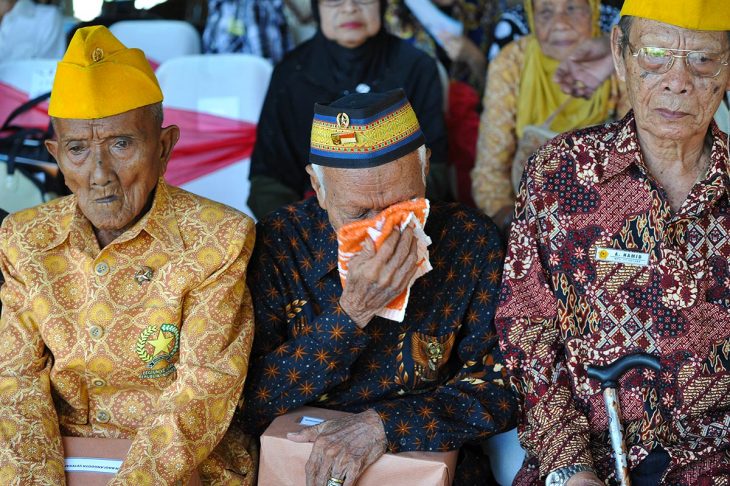 Indonesian veterans commemorate victims of massacres by the Dutch army in the 1940s in 2013. The Indonesian experience of colonial violence is often overlooked in the Netherlands. © Adek Berry / AFP



 Sunil Sharma is a Mumbai-based Indian writer. Sharma is a widely-published bilingual Indian critic, poet, literary interviewer, editor, translator, essayist and fiction writer. His six short stories and the novel Minotaur were recently prescribed for the undergraduate classes under the Post-colonial Studies, Clayton University, Georgia, USA. He is a recipient of the UK-based Destiny Poets’ inaugural poet of the year award—2012.
 The Wombwell Rainbow