Ekphrastic Challenge: Day Twenty-Two

merrildsmith's avatarYesterday and today: Merril's historical musings

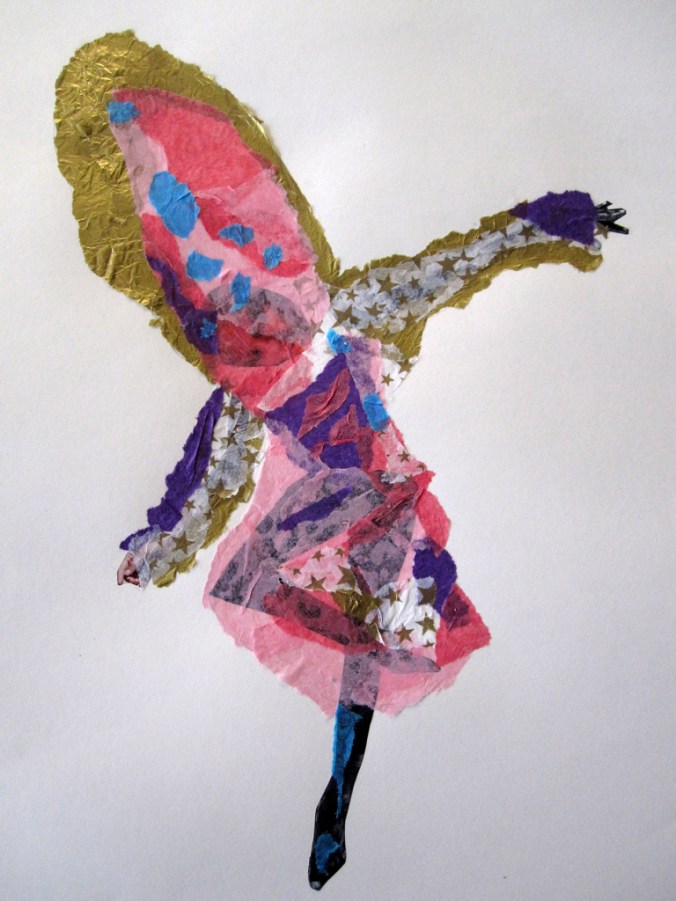
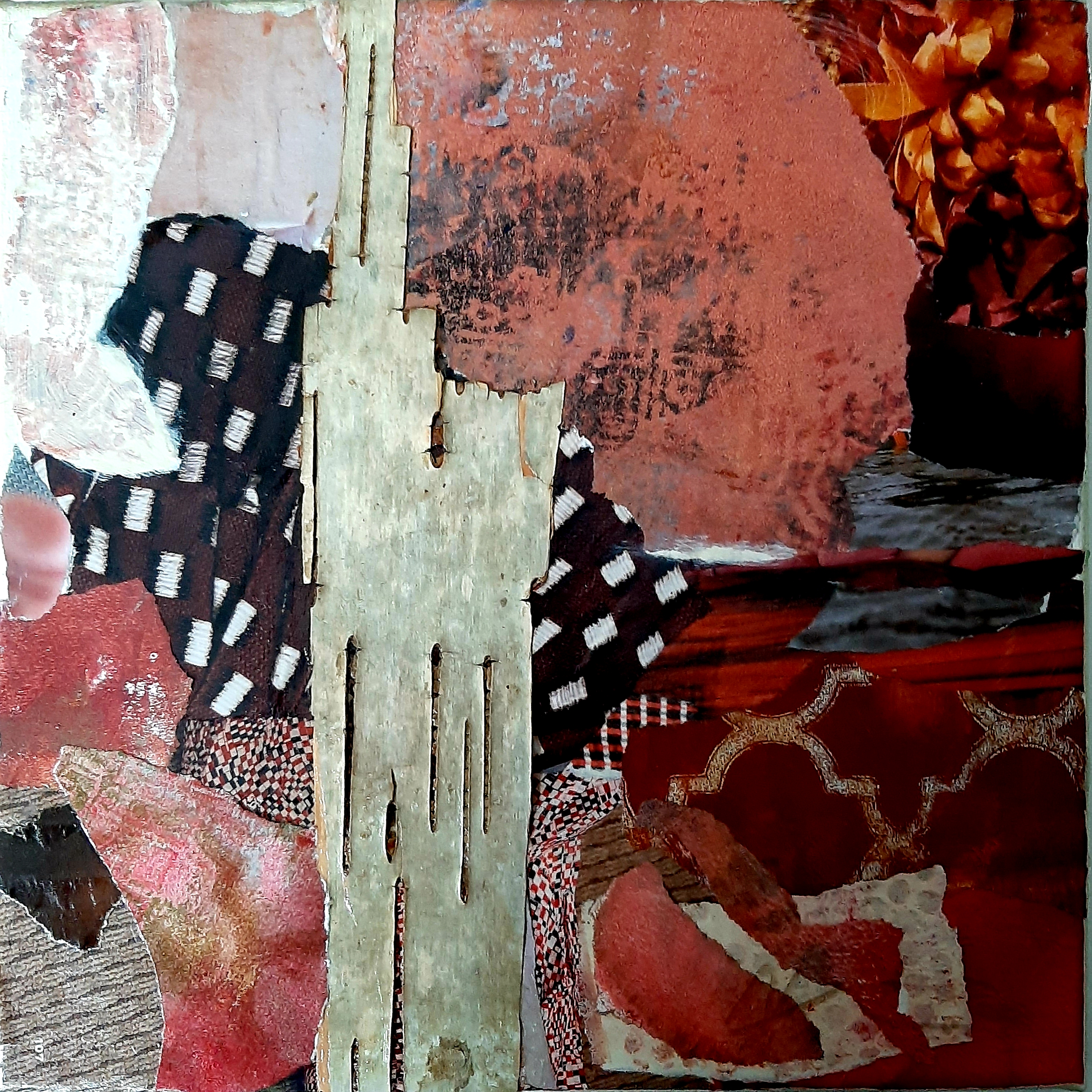
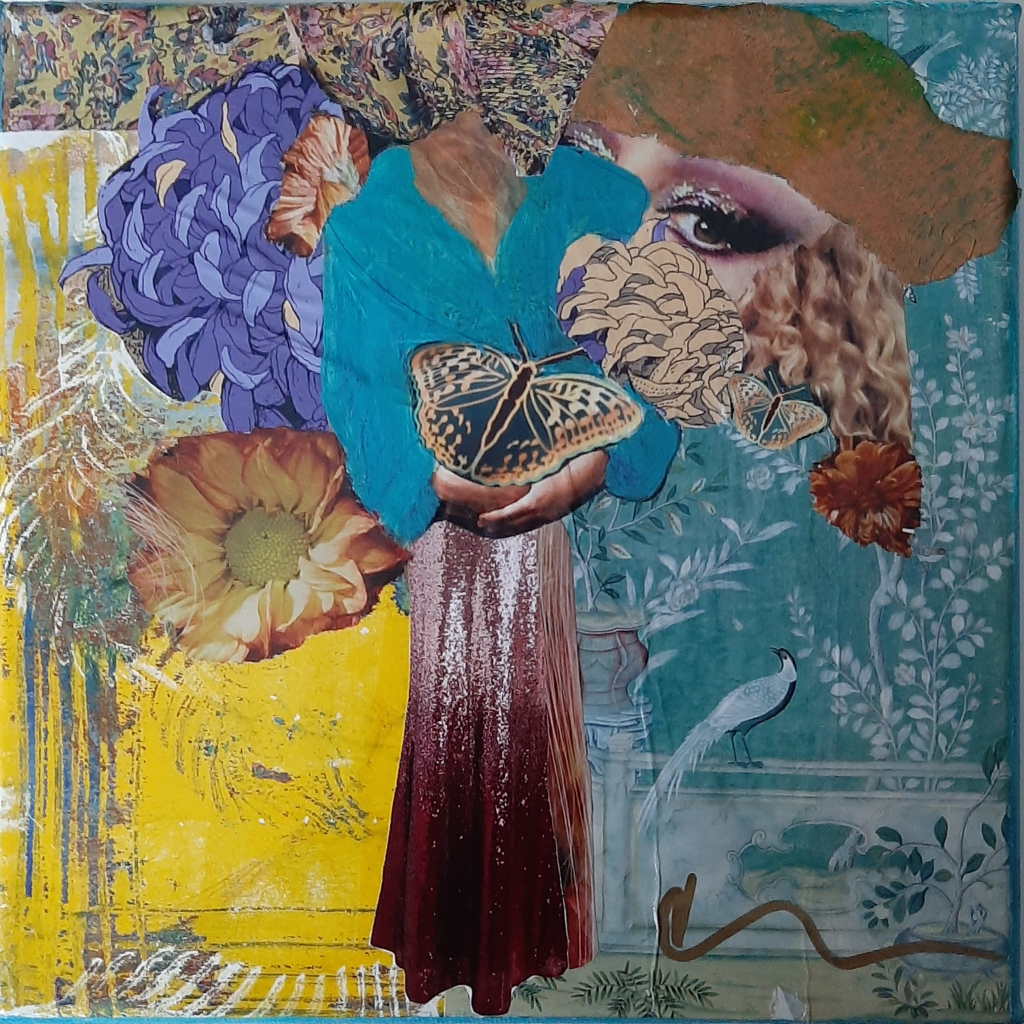
For Paul Brookes’ Special January Ekphrastic Challenge, Day Twenty-Two, I’ve responding to KR “Star Dancer” and CO28

Star Dancer

Like a kiss from the universe,
the night sky caresses her soul,
she feels it, she hears
delicious whispers from before and ever after,
the light of a thousand voices—
deep bass, viola, and piccolo—they sing,
with the voices of birds never seen, but known,
to her.

Wing-like her arms lift,
her leg extends, bends, a twirl, a leap—
but still earth-bound,
she dances to star-music, every night,
waiting for another heart
to hear the music, too.

View original post

Wombwell Rainbow Book Interviews: “These Queer Merboys” by Serge Neptune

These Queer Merboys

Serge Neptune

has been called ‘the little merman of British poetry’. He is a London-based queer poet. His work has appeared in Finished Creatures, Perverse, Anthropocene, whynow, Harana Poetry, Lighthouse, Banshee, Spontaneous Poetics, Brittle Star, Ink Sweat & Tears and Strange Poetry. He has been commissioned to write a piece for the London Science Museum. His first pamphlet is These Queer Merboys, published with Broken Sleep.

twitter: @mermanpoet

pamphlet link: https://www.brokensleepbooks.com/product-page/serge-neptune-these-queer-merboys

goodreads page: https://www.goodreads.com/book/show/53073696-these-queer-merboys?ac=1&from_search=true&qid=6SVSoRH6td&rank=1

The Interview

1. When and why did you start writing poetry?

I started writing in a committed and focused way in 2017 when I first enrolled at Faber Academy. There had been some verse writing before, but no consistent effort. Poetry seemed the inescapable outcome of my years studying and working as a translator, even though my love for poetry began much earlier on.

The truth is I write poetry because I can’t do anything else. Because I need to give my obsessions a body to escape out of me. We write the poems we write because there’s a place for them in the world, they have a reason to exist.

2. Who introduced you to poetry?

Nobody introduced me. A series of coincidences led me on this path.

My family is working class but there were books around. I remember being 12 and finding a slim black volume of E. A. Poe’s short stories and verse, which in turn led me to discover Baudelaire and Les Fleurs du Mal – both these authors awoke something big in me at the time.

From then on I often encountered poetry, one way or the other. I studied Russian language and literature at university, which gave me access to plenty of poets I wasn’t aware of. I am particularly fond of authors of the ‘Silver Century’ like Anna Akhmatova, Marina Tsvetaeva, Osip Mandel’shtam, Zinaida Gippius, Daniil Kharms, and other like Elena Shvarts (more Soviet) and Aleksander Pushkin (Golden Century), etc.

3. How did you decide on the order of poems in “These Queer Merboys”?

It was essential to have a red thread that would connect all poems from the first to the last page. A book of poetry is a sentient thing asking you to come alive. You must create for it a functional body, a habitat where each of these feral creatures can cohabit harmonically. Not necessarily a narrative, it could be a vibe or a subtle recurrent theme. The poems need to speak to one other, you create a dialogue or a score that will allow the music of the verse to flow freely.

4. How aware are and were you of the dominating presence of older poets traditional and contemporary?

I don’t really give traditional poets much thought. They ‘did their thing’ in their own time, as we ‘do our thing’ now.

Some had an influence on me like Sylvia Plath, Sappho, the Ted Hughes of Crow, e.e. cummings, or the Russian poets I mentioned earlier.

As per contemporary poets, names like Richard Scott, Emily Berry, Anne Carson, Ella Frears, Luke Kennard, Denise Riley, John McCullough, Melissa Lee-Houghton, Daniel Sluman, Sam Sax, have been fundamental for my growth as a baby poet…

4.1. How have “Richard Scott, Emily Berry, Anne Carson, Ella Frears, Luke Kennard and others…” been fundamental to your growth as a poet?

My first attempts at poetry were massively influenced by the work of Emily Berry and Luke Kennard. Berry’s exploration of human flaws, power games and manipulative relationships, and Luke’s surrealism contributed to how I write today.

Richard Scott has been my teacher and always encouraged me. ‘Soho’ is a book that makes my knees weak.

John McCullough and Melissa Lee-Houghton, who always give sound advice and whose poetry should be celebrated a lot more, are two of the best poets in the UK today and two of the most generous. I look up to them a lot.

Anne Carson is a genius and I have no clue how she does what she does, but I worship her.

These are authors whose book I go back to whenever I forget how to write. 

5. What is your daily writing routine?

I have tried time and time again to establish one in vain. I try to grasp every moment my mental health allows and use that to jot a few lines down. Watching TV series and films that put me in the mood seems to help and it is a way to discover strange and unusual words.

6. How did you come up with the idea of “mermen”?

I came up with the mermen idea shortly after starting to write poetry. Lots of poets were already writing about everyday queer subjects and I felt the need to ‘distinguish’ myself a bit. Having been always obsessed with mermaids, the idea of combining that obsession with queer subjects was a natural choice.

The mermen themselves aren’t the subject of course, but a lens that allows me to talk about queer themes (if we can ever talk about themes or subjects in poetry) and queer feelings with a surreal edge.

I must say such a quirky approach fits my personality well and so I never have to force the mermen into my poems, they just appear, like the sneaky buggers that they are.

7. What subjects, aside from queerness motivate you to write, or is it all part and parcel?

Mental health, as it affects every moment of my life.

I like to write about body shaming, which is a big issue among gay men, and to celebrate the beauty of the male body in all its shapes.

8. How do the writers you read when you were young influence your work today?

I am not too sure. I guess they words had some kind of electricity and I tried to recreate that.

I believe some of the first authors I read (Poe, Baudelaire) left a gothicness in my writing, a purple patina that exists to this day.

The Russian poets I read at university taught me about music and lyricism, while contemporary British poets gave me an overview of what poetry looks like today.

9. Whom of today’s writers do you admire the most and why?

Certainly fellow queer writers Richard Scott and John McCullough. Both have been an invaluable support and are such incredible talents. Richard has been my teacher a few times (I call him my guardian angel bear) and John has such a big heart and always helped when in need. I’d also like to mention friend Matthew Haigh, a fellow weirdo poet, Caroline Bird, the most fenomenal poet and teacher, poet friend Stuart McPherson and the amazing Aaron Kent, the genius behind Broken Sleep books. Not only Aaron helped me realise one of my dreams but he is very active in the writing community and immensely generous. He is an example for everyone to follow.

10. What would you say to someone who asked you “How do you become a writer?”

  • Read as much as you can, read more than they write.
  • Social media is a double edge sword and should be used in moderation.
  • When in workshops write all suggestions but pick and choose what fits your writing. Some of the suggestions you disagree with might still be useful later.
  • Do your homework: if you want to be published by a magazine, find out who the editors are, what style they like, and follow the guidelines.
  • Only send your book to publishers you like and that publish authors you’re familiar with.
  • Comparison is the death of happiness, avoid at all costs.
  • Fail and fail and fail again until you succeed. The writing is all that matter.
  • Be resilient, stubborn and persistent and your writing will get places.
  • Be kind to yourself and others. It’s not a race. We are all hustling. You will be fine. I love you.
  • No dream is too big. The sky really is the limit.

11. Tell me about the writing projects you have on at the moment.

Right now I’m taking a small break from writing so I can focus on putting my second pamphlet of mermen poems together. Also, not a writing project per se, but I host a zoom reading series called ‘Neptune’s Glitter House for WayWard Poets’ and after a brief hiatus we are starting again in February. It’s going to be lots of fun.

12. Once the reader has read the book what do you hope they will leave with?

It’s hard to say. When your book is out into the world everything is out of your control – it has a life of its own. I wrote the pamphlet to celebrate the resilience and strength of queer people, how you can survive the darkest moments and rebuild yourself into a thing of beauty.

Some can relate to that, I’m sure.

Day Twenty-Two. Special January Ekphrastic Challenge Jan 7th to February 6th. Please join writers Merril D Smith, Jim The Poet, Holly York, Ailsa Crawley, Michael Dickel, Joy Fleming, Leela Soma, Hilary Otto, Godefroy Dronsart, Alan Gary Smith, Redcat, and myself as we respond to the remarkable art of Chris O’Connor, Marcel Herms and Kerfe Roig and others to arrive in the coming weeks. Thursday.

January 28th

CO28

-Christine O’Connor

star dancer KR28

-Kerfe Roig “Star Dancer”

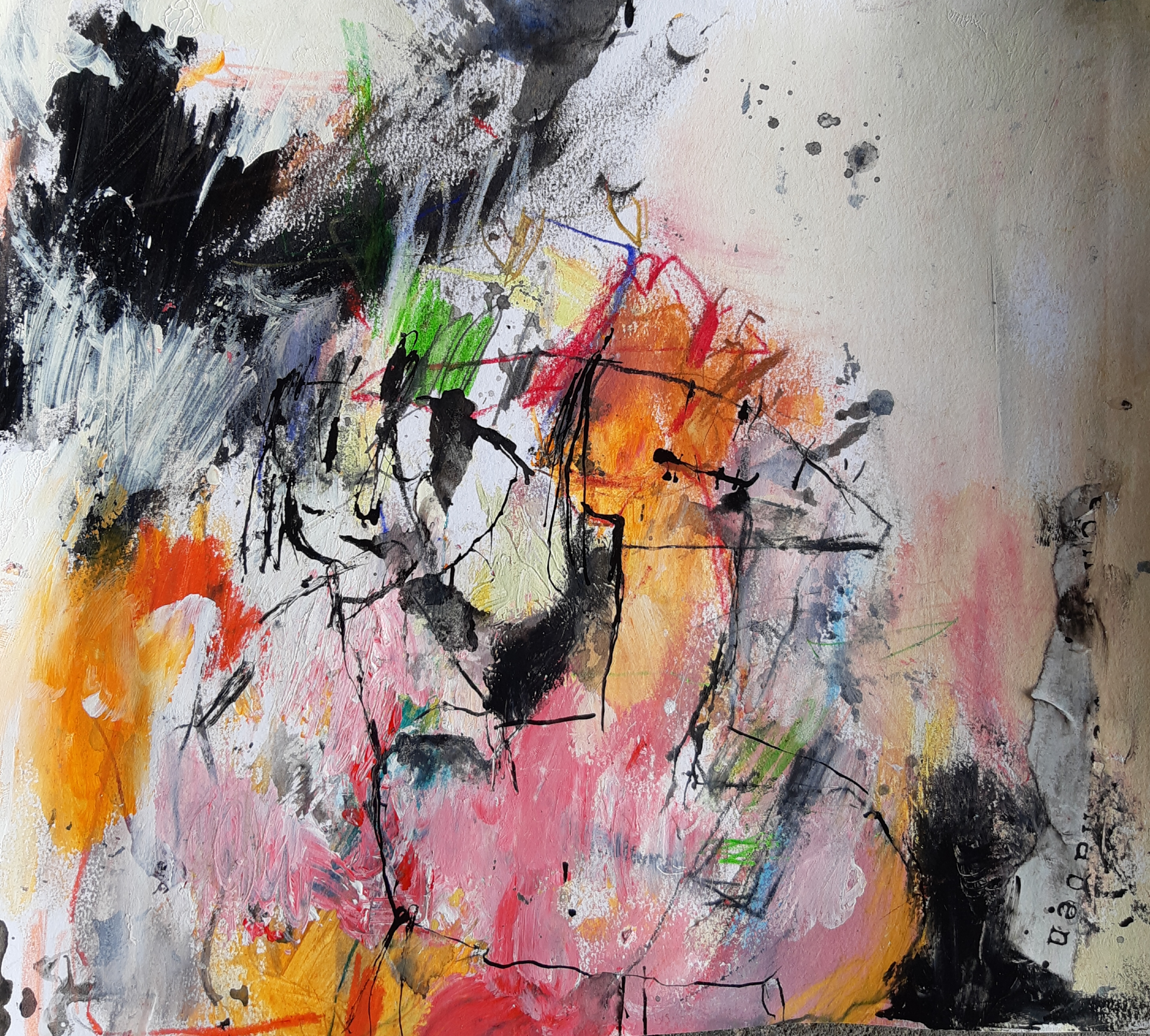
Words do matter, mixed media on paper, 29,5 x 27 cm, 2021 MH28

-Marcel Herms “Words Do Matter”

1.28.21 CO28

Scraps

Out my bedroom window were the lake and Canada.
In the hall outside my door, Mother’s magic notion closet.
I wore the “little checked gingham” to school
when Mrs. Innes read us Paddle-to-the Sea.”
Over the years, there were polka dots, basket weave,
calico, custom dresses with love for stitches
to clothe my too-tallness not made for store-bought.
A boy made a toy canoe, christened in Lake Superior

with words: “I am Paddle-to-the-Sea.
Send me on my way.” Over the years,
Mom fashioned other fabrics, red velvet
for the Christmas formal, one day
hand-made lace for a wedding gown.
Paddle-to-the-Sea continued through
the lakes: Superior and Huron,
Erie, Ontario, then the St Lawrence.

Atop the scraps, gingham, polka dots,
calico and basket weave,
embossed velvet and hand-made lace,
memories of a love-clothed childhood,
I lay a strip of birchbark too
for Paddle-to-the Sea.

-Holly York

Bios And Links

-Kerfe Roig

A resident of New York City, Kerfe Roig enjoys transforming words and images into something new.  Her poetry and art have been featured online by Right Hand Pointing, Silver Birch Press, Yellow Chair Review, The song is…, Pure Haiku, Visual Verse, The Light Ekphrastic, Scribe Base, The Zen Space, and The Wild Word, and published in Ella@100, Incandescent Mind, Pea River Journal, Fiction International: Fool, Noctua Review, The Raw Art Review, and several Nature Inspired anthologies. Follow her explorations on her blogs, https://methodtwomadness.wordpress.com/  (which she does with her friend Nina), and https://kblog.blog/, and see more of her work on her website http://kerferoig.com/

-Christine O’Connor

is an artist working in glass, metal, fibre and paint. Sometimes her work is based on photographs, but more often, she creates in the moment. She loves to play with texture and colour.

-Marcel Herms

is a Dutch visual artist. He is also one of the two men behind the publishing house Petrichor. Freedom is very important in the visual work of Marcel Herms. In his paintings he can express who he really is in complete freedom. Without the social barriers of everyday life.
There is a strong relationship with music. Like music, Herms’ art is about autonomy, freedom, passion, color and rhythm. You can hear the rhythm of the colors, the rhythm of the brushstrokes, the raging cry of the pencil, the subtle melody of a collage. The figures in his paintings rotate around you in shock, they are heavily abstracted, making it unclear what they are doing. Sometimes they look like people, monsters, children or animals, or something in between. Sometimes they disappear to be replaced immediately or to take on a different guise. The paintings invite the viewer to join this journey. Free-spirited.

He collaborates with many different authors, poets, visual artists and audio artists from around the world and his work is published by many different publishers.

www.marcelherms.nl

www.uitgeverijpetrichor.nl

=Redcat

RedCat’s love for music and dance sings clearly in The Poet’s Symphony (Raw Earth Ink, 2020). Passion for rhythms and rhymes, syllabic feets and metres. All born out of childhood and adolescence spent reading, singing, dancing and acting.

Her writing spans love, life, mythology, environment, depression and surviving trauma.

Originally from the deep woods, this fiery redhead now makes home in Stockholm, Sweden, where you might normally run into her dancing the night away in one of the city’s techno clubs.

Read more at redcat.wordpress.com

-Merril D Smith

is a historian and poet. She lives in southern New Jersey, where she is inspired by her walks along the Delaware River. She’s the author of several books on history, gender, and sexuality. Her poetry has been published in journals and anthologies, including Black Bough Poetry, Nightingale and Sparrow, Anti-Heroin Chic, and Fevers of the Mind.

-Godefroy Dronsart

is a writer, teacher, and musician currently residing near Paris. His poetry has appeared in Lunar Poetry, PostBLANK, Paris Lit Up, The Belleville Park Pages, and Twin Pies Literary among others. His first chapbook, “The Manual” (Sweat Drenched Press, 2020), explores the space between poetry, prose, and gamebooks. He has a sweet tooth for all things experimental, modernist, and strange. Follow him on Twitter and his Bandcamp for electronic explorations.

-Joy Fleming

Born in County Down, Joy has studied, mothered and worked in Scotland since 1980. Brief excursions to follow her heart, back to NI mid-1990’s and England for first round Covid-lockdown ’19, Joy is currently back living in Glasgow. Joy’s first poem was accepted as part of the C. S. Lewis themed Poetry Jukebox curation A Deeper Country in Belfast in 2019. This poem, Ricochet was published in The Poets’ Republic Issue 8 Autumn 2020. A love of reading poetry is now accompanied by sporadic writing of poetic lines which spill out as an apparent by-product of processing dark and sorrowful days.   

-Holly York

lives in Atlanta, Georgia with her two large, frightening lapdogs. A PhD in French language and literature, she has retired from teaching French to university students, as well as from fierce competition in martial arts and distance running. She has produced the chapbooks Backwards Through the Rekroy Wen, Scapes, and Postcard Poetry 2020. When she isn’t hard at work writing poems in English, she might be found reading them in French to her long-suffering grandchildren, who don’t yet speak French.

-Alan Gary Smith

A Lincolnshire Ludensian living in Grimsby who built up his poetic stance after visiting Doncaster and Mexborough during his real ale and comedic music searches. Surprised to find a recent DNA check leaned heavily towards being a strong mix of Scottish, East Yorkshire and Lincolnshire. A sixty year old baldy who loves Julie, astronomy and chocolate; after giving up on football and telly.

-Hilary Otto

is an English poet based in Barcelona. Her work has featured in Popshot, Black Bough Poetry, AIOTB, Ink, Sweat and Tears, and The Blue Nib, among other publications. She received her first Pushcart Prize Nomination and performed at the Cheltenham Poetry Festival. She tweets at @hilaryotto

-Jim young

 is an old poet living in Mumbles on The Gower. He does most of his writing from his beach hut at Rotherslade – still waiting for the blue plaque

Anjum Wasim Dar was born in Srinagar (Indian Occupied )Kashmir, She is a migrant Pakistani.Educated at
St Anne’s Presentation Convent Rawalpindi she has a Masters degree  in English Literature and  History (
Ancient Indo-Pak  Elective) CPE Cert.of Proficiency in English from Cambridge
UK. , a Diploma in TEFL from AIOU Open Uni. Islamabad Pakistan. She has been writing poems,

 articles and stories since 1980.A published  poet Anjum was awarded  Poet of Merit Bronze Medal in  2000 by ISP International Society of Poets and poetry.com USA .

She has worked as Creative Writer at Channel 7 Adv. Company Islamabad, and as a Teacher Educator for  Fauji Foundation Education Network Inservice Teachers  

Educational Consultant by Profession. 

Author of 3 Adventure Novels (Series) Fiction..

I Make My Own Language – An Essay by Maria S. Picone

robertfredekenter's avatarIceFloe Press

I Make My Own Language

It’s 2008, the world’s finances are up in flames, and I’m a workplace meme. I’m a cat who knows twenty words, chiefly my name and the names of delicious foods. Once, during a meeting between my boss and my school principal, I perked up. They were talking about me! Seeing my renewed attention to this strand of conversation, my boss explained to me that the Korean word for horse sounds like ‘Maria’—they weren’t actually talking about me.

Why were they talking about horses?

Reader, I struggled to thrive. I lived in Korean; I suffered in Korean and, sometimes, I just wanted to run outside my apartment and scream profanities in Korean because there was no other way to get across that I was living & suffering & assorted verbs.

It took me more than five years to buy an approachable Korean textbook—more than three years…

View original post 1,824 more words

WORDLESS WEDNESDAY: SNOWFALL — Deuxiemepeau Poetry by Damien B. Donnelly

and finally a little montage of myself and the mother and our merriment… All photos and videos by Damien B. Donnelly. Taken on Sunday 24th January 2021

WORDLESS WEDNESDAY: SNOWFALL — Deuxiemepeau Poetry by Damien B. Donnelly

Ekphrastic Challenge: Day Twenty-One

merrildsmith's avatarYesterday and today: Merril's historical musings

For Day Twenty-one of Paul Brookes’ Special January Ekphrastic Challenge, I’ve responded to two images below.

The Selkie and her Daughter

In my dreams, you’ve returned to me,
from flowered bands and gold-sun sand
to swim beneath the cold blue sea–
daughter mine, away from land

we’ll swim beneath the seaweed blooms
and leap with spindrift from the waves–
we’ll slither into sea-ship tombs
and flitter through the Fish Queen’s caves.

Gone now, the peacock’s feathered plumes,
gone butterflies, and human arms
enclosed in sleeves inside of rooms–
farewell to cities, towns, and farms.

In sea-light, there’d be no regret–
the tide has always pulled you
from the world above, you’d soon forget
the birds and trees in deep-sea blue.

I wake to the reality—
I’m in water, you’re on land,
and I no longer have a hand
with which to hold yours. But…

View original post 31 more words

Anthony Howell: New England and the Maritimes

The High Window Review's avatarThe High Window

Anthony Howell is a poet and novelist whose first collection of poems, Inside the Castle was brought out in 1969. In 1986 his novel In the Company of Others was published by Marion Boyars. He was invited to the International Writers Program, University of Iowa in 1971. His Selected Poems came out from Anvil, and his Analysis of Performance Art is published by Routledge. In 1997 he was short-listed for a Paul Hamlyn Award. His versions of the Silvae of Statius have been well received and Plague Lands, versions of Iraqi poet Fawzi Karim, were a Poetry Book Society Recommendation for 2011. The Step is the Foot – his analysis of the relationship of dance to poetry – is published by Grey Suit Editions. He is a Hawthornden fellow and has recorded poems for The Poetry Archive. His two most recent booksof poems are From Inside and Songs of…

View original post 860 more words

#LightThe Darkness artwork and writing challenge. Today is #HolocaustMemorialDay Have you made artworks about the Holocaust? Have you written unpublished/published about it? Please DM me, or send a message via my WordPress site

Silence

wears piles of shoes and bags
new white shirts never opened

charity irons
creases out of the forgotten

sometimes a relative

gives a story
in feel of used cloth

weighs time in threads
how a story continues

nothing is possessed
If you never heard

a previous owner

only shoes have tongues
fail to speak of their wearer

except in wear

-Paul Brookes

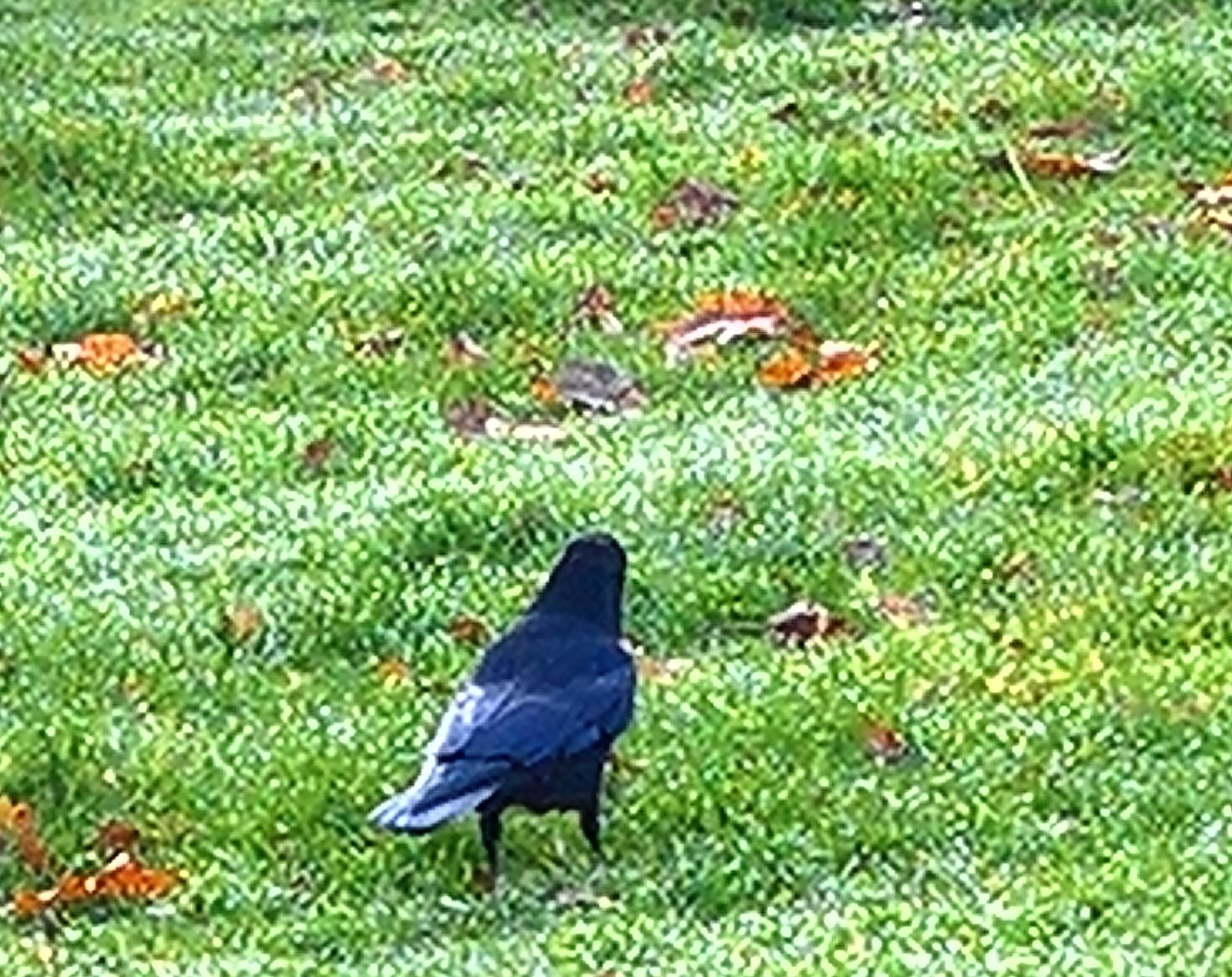
#BigGardenBirdWatch 29-31st January Artwork and Writing Challenge. Have artworks depicting garden birds? Have you written unpublished/published about garden birds? Please DM me, or send a message via my WordPress.

Graveyard Crow (2)

A Corvid