#folktober #ekphrasticchallenge. Day Four. To celebrate the launch of my new poetry collection “As Folktaleteller” I am downloading 93 folklore art images, 3 per day in October and asking writers to write poetry or a short prose inspired by one, two or all three images. Please join Gaynor Kane, Ankh Spice, Jane Dougherty, Kyla Houbolt, Jessica Whipple, Jacqueline Dempsey-Cohen, Chris Husband, Eryn McConnell, Dave Garbutt, Merril Smith and I, plus those who react to the images on the day, as we explore images from folktales.

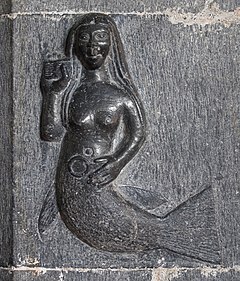
F 1.4. Merrow Clonfert_Cathedral_Mermaid
F 1.4. Merrow Clonfert_Cathedral_Mermaid

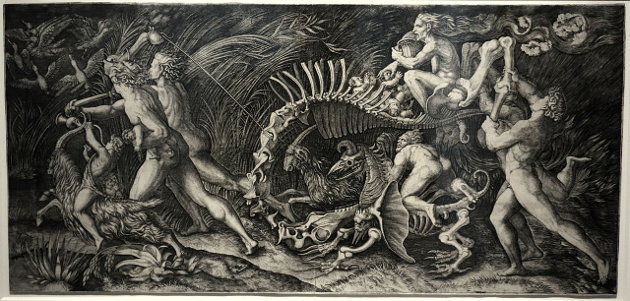
F 2.4. Heksenmoeder the-witches-rout

2.4. Heksenmoeder the-witches-rout”

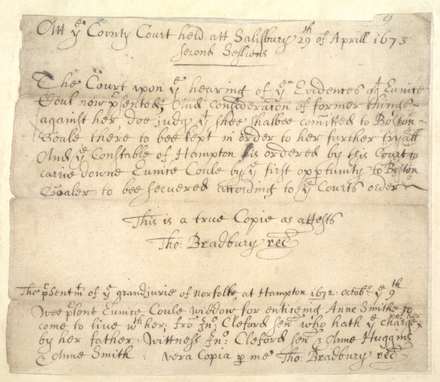
F 3.4 Goody Cole 440px-Eunice_Cole_Court_Record_1673

F 3.4 Goody Cole 440px-Eunice_Cole_Court_Record_1673

The Carcass

The bear they’d winterfallen—left the hollow landscape
of her to level. Hillocks, once waving with rough black grass,

now skinned, now snowcapped. Come spring and her insects, stop-
motion lake to ichor. A dragonfly hops the island chain of bone.

Carrion-fly, demon, hunter, witch: so many pointed things driven
by the stick. Whatever breaches a skin, it assuades one hunger

or another; a procession of beasts dizzy with desire and believing nothing
can fell them faster than they take. I want to tell you the skeleton

of the bear articulated all this better than I can. I want to tell you it’s written
in the bone. All she reveals is how everything uses up some part

of us. Gall, spleen, guts or magic. Maybe there’s one last bellowing
rush through the dark trees, wind bleating goats through your ribs,

and all that weighed you down is busy feeding other slow shapes travelling.
The wheel of your spine is a blur to them, a roar of wild seasons passing.

-Ankh Spice – 4/10/22

The Merrows (inspired by F 1.4.)

Merrow, the green-haired maid of myth
Or muruch, murduchann or murduchu
If I ask you nicely would you show me
Your cohuleen druith, your magical cap
Or would you perhaps sing your song
And show me what it feels like to be
So very entranced by a sea-nymph?

I wonder where you call your home
O benevolent mermaid of the seas
And would you show it to me?
Is it laden with shells and sea plants
With pillars of towering stone

Will you extend the hand of friendship
Me, a mere human with two legs
Someone who cannot breathe in water
Would you show me your world
Let me see what you see?

I shall strain my eyes looking out for you
When I go back to the North Sea
In the hope that you hear my plea
Perhaps one day when I am walking there
You will arrive, waiting for me.

-Jacqueline Dempsey-Cohen

Brendan’s Mermaid
(at Clonfert)

I watch the pews
wooden waves bringing
people, washed up, hollow,
onto rock, onto sand,
like him,
the tonsured sailor of the skua’s road
half-drowned he found my skin
as I visited the oak casks
for my share of water-life.
What did he want to be granted?
A cathedral, a home, a scriptorium.
He had it, and kept a farthing
of my skin —just that—
inside the altarstone,
it lets me watch the people-waves
singing praise
some of it mine.

-Dave Garbutt

The Witch (All three images)

Women
if beautiful, they drive men to danger
and sin,
if cantankerous or quarrelsome
they’ve let the devil in,

healers sought to make a charm for love,
to ease life’s pain, and guide a baby to its birth,
but vilified when the baby cries or livestock dies—
or ships crash on the rocks–

you’re afraid of her monthly flow
her connection to the moon,
her life-giving womb

somehow, she’s both powerful and weak,
controlling weather, fields, and men,
whether temptress or hag,

there’s no logic
only your greed, lust, and fear
she’s siren or witch
and she makes you twitch
when you examine her body for devil’s marks.

But she has the last laugh,
because death doesn’t end your fear,
you drive a stake through her heart,
and still, she haunts you in the dark.

-Merril Smith


Merfolk (Merrow F1:4)

Sea calls in wave-dance
and swaying gardens of kelp
where anemones flower.

We wear foam in our hair,
and our hands entwine hard
and fast as anchor ropes.

Bodies like bullets fit our space
we cleave to our own.

Our hands weave stories in deep water,
words spoken in fish-whispers,
legs fused to forge paths
faster than your thoughts.

Those born of the sea
will die seafolk,
and nothing,
not even your darkest desires
can change a single
silver-glittering scale.

-Jane Dougherty

Lament (F1.4 Merrow Clonfert)

The distant sea sings sadly over land
A tuneful tintinnabulation
that swells and breaks, flinging salt and sand
to scour and score this shameful transformation
of sea nymph to stone, sore desecration.
Her waltz of seafoam tresses plastered stiff,
Her coral smile coldly dead on granite lips.
This shiver of salt-kissed skin enshrined bone deep
cries out for release from the stone’s harsh grip.
She longs for her merman, her seabed, warm sleep
Trapped in black rock, the stone sea maiden weeps.

-Jacqueline Dempsey-Cohen

Definition and Cargo (F1.4)

Not so much a quay
but a seawall, to lean over
and yearn for the mer-beings,
though there are in fact
berths for the small, nay
invisible, ships who hover
always at edges of
inexplicable human feelings.
So, a quay after all. Feel
the tiny sails brush
your blushed cheek
but don’t ask
what they’re after.

-Kyla Houbolt

Bios and Links

-Jane Dougherty

lives and works in southwest France. A Pushcart Prize nominee, her poems and stories have been published in magazines and journals including Ogham Stone, the Ekphrastic Review, Black Bough Poetry, ink sweat and tears, Gleam, Nightingale & Sparrow, Green Ink and Brilliant Flash Fiction. She blogs at https://janedougherty.wordpress.com/ Her poetry chapbooks, thicker than water and birds and other feathers were published in October and November 2020.

-Eryn McConnell

is a poet originally from the UK who now lives in South Germany with their family. They have been writing poetry since their teens and is currently working on their second collection of poems.

-Spriha Kant

developed an interest in reading and writing poetries at a very tender age. Her poetry “The Seashell” was first published online in the “Imaginary Land Stories” on August 8, 2020, by Sunmeet Singh. She has been a part of Stuart Matthew’s anthology “Sing, Do the birds of Spring” in the fourth series of books from #InstantEternal poetry prompts. She has been featured in the Bob Dylan-inspired anthology “Hard Rain Poetry: Forever Dylan” by the founder and editor of the website “Fevers of the Mind Poetry and Art” David L O’ Nan. Her poetries have been published in the anthology “Bare Bones Writing Issue 1: Fevers of the Mind”. Paul Brookes has featured her poetry, “A Monstrous Shadow”, based on a photograph clicked by herself, as the “Seventh Synergy” in “SYNERGY: CALLING ALL WRITERS WHO ARE PHOTOGRAPHERS” on his blog “The Wombwell Rainbow”. She has been featured in the “Quick-9 interview” on feversofthemind.com by David L’O Nan. She has reviewed the poetry book “Silence From The Shadows” by Stuart Matthews. Her acrostic poetry “A Rainstorm” has been published in the Poetic Form Challenge on the blog “TheWombwell Rainbow” owned by Paul Brookes. She also joined the movement “World Suicide Prevention Day” by contributing her poetry “Giving Up The Smooch” on the blog “The Wombwell Rainbow”, an initiative taken by Paul Brookes.

-Gaynor Kane

from Belfast in Northern Ireland, had no idea that when she started a degree with the OU at forty it would be life changing.  It magically turned her into a writer and now she has a few collections of poetry published, all by The Hedgehog Poetry Press Recently, she has been a judge for The North Carolina Poetry Society and guest sub-editor for the inaugural issue of The Storms: A journal of prose, poetry and visual art. Her new chapbook, Eight Types of Love, was released in July. Follow her on Twitter @gaynorkane or read more at www.gaynorkane.com

-Dave Garbutt

has been writing poems since he was 17 and has still not learned to give up. His poems have been published in The Brown Envelope Anthology, and magazines (Horizon, Writers & Readers) most recently on XRcreative and forthcoming in the Deronda review. His poem ‘ripped’ was long listed in the Rialto Nature & Place competition 2021. In August 2021 he took part in the Postcard Poetry Festival and the chap book that came from that is available at the postcard festival website. https://ppf.cascadiapoeticslab.org/2021/11/08/dave-garbutt-interview/.

He was born less than a mile from where Keats lived in N London and sometimes describes himself as ‘a failed biologist, like Keats’, in the 70’s he moved to Reading until till moving to Switzerland (in 1994), where he still lives. He has found the time since the pandemic very productive as many workshops and groups opened up to non-locals as they moved to Zoom. 

Dave retired from the science and IT world in 2016 and he is active on Twitter, FaceBook, Medium.com, Flickr (he had a solo exhibition of his photographs in March 2017). He leads monthly bird walks around the Birs river in NW Switzerland. His tag is @DavGar51.

-Merril D. Smith

lives in southern New Jersey near the Delaware River. Her poetry has been published in several poetry journals and anthologies, including Black Bough Poetry, Anti-Heroin Chic,  Fevers of the Mind, and Nightingale and Sparrow. Her first full-length poetry collection, River Ghosts, is forthcoming from Nightingale & Sparrow Press.  Twitter: @merril_mds  Instagram: mdsmithnj  Website/blog: merrildsmith.com

-Jacqueline Dempsey-Cohen,

a retired teacher and children’s library specialist, considers herself an adventurer. She has meandered the country in an old Chevy van and flown along on midnight runs in a smoky old Convair 440 to deliver the Wall Street Journal. She is a licensed pilot, coffee house lingerer, and finds her inspiration and solace in nature in all its glorious diversity. Loving wife and mother, she makes her home in the wilds of Portland OR.

-Kyla Houbolt’s

first two chapbooks, Dawn’s Fool (Ice Floe Press) and Tuned (CCCP Chapbooks), were published in 2020. Tuned is also available as an ebook. Her work has appeared in Hobart, Had, Barren, Juke Joint, Moist, Trouvaille Review, and elsewhere. Find her work at her linktree: https://linktr.ee/luaz_poet. She is on Twitter @luaz_poet.

Folktober Challenge, Day 3

Spriha Kant's avatarSpriha Kant

Day 3, F1.3 Pwca

Wear Your Amulet

When worries, frustrations, and fears
disperse
throughout the mind
whirl in eddies
and begin filling to the brim
the Pwca starts bloating
leading your vehemence
slowly
in stygian
on the brink of a precipice
reverberating with the
menacing peals of Pwca’s
laughter
bubbling you in an
uncertainty
petrifying you

Put a full stop to overthinking
Burst the monotony
and follow the course that
the heart longs to meander
for it is an amulet
preventing you
from
slipping into the chasm

ⒸSpriha Kant

Paul Brookes is hosting a month-long ekphrastic challenge using folklore images to celebrate the launch of his new poetry collection, “As Folktaleteller.” You all can see the image in the link:https://thewombwellrainbow.com/2022/10/03/folktober-ekphrasticchallenge-day-three-to-celebrate-the-launch-of-my-new-poetry-collection-as-folktaleteller-i-am-downloading-93-folklore-art-images-3-per-day-in-october-and-asking-writers-to/

View original post

Folktober Challenge, Day 3

merrildsmith's avatarYesterday and today: Merril's historical musings

Day 3, F1.3 Pwca, and F2.3, Will o the Wisp

Will-o’-Wisp

Black bog, clouded night
comes the flash of fairy-fire—
a ghost-glow, trickster’s beacon—
the pwca lures—and you follow

through shadow-swallowed shadows
where tree arms shake and root-feet trip,
you go, seeking the glimmer

not as ship rescued by a flare
but moth to flame, unaware,
attracted, caught

left in the dark
when the pwca leaves,
abandoned, alone—no reprieve

without ghost-light,
only spirits and sprites,
when the ghost-laugh comes,
you quiver and run

but there’s no escape—
not till after their fun.

Paul Brookes is hosting a month-long ekphrastic challenge using folklore images to celebrate the launch of his new poetry collection, “As Folktaleteller.” You can see the images here, and also read the other responses.

View original post

TheWombwellRainbow #PoeticFormChallenge. It is weekly. Week Four form is #Alphabetpoetry I will post the challenge to create a first draft of a poetic form by the following late Sunday. Please email your first draft to me, including an updated short, third person bio and a short prose piece about the challenges you faced and how you overcame them. Except when I’m working at the supermarket I am always ready to help those that get stuck. Already given some folk a headstart by saying the second #prompt is an #Dizain. I will blog my progress throughout the week. Hopefully it may help the stumped. Also below please find links to helpful websites.

DSCF0089

There are lots of ways to create #Alphabetpoetry. Here are a few ideas:

A) Take each letter and write a poem about it

B) Use up all the letters of the alphabet in your poem. Write a-z or z-a vertically so each line starts with a letter.

Helpful Weblinks:

https://www.writersdigest.com/personal-updates/alphabet-poetry-or-going-back-to-school

https://en.wikipedia.org/wiki/Alphabet_(poetry_collection) interesting example using the Fibonacci sequence.

https://penandthepad.com/write-alphabet-poem-2286174.html

TheWombwellRainbow #PoeticFormChallenge #PANTOUM was last week’s chosen form. Robert Frede Kenter, Alice Stainer, Tim Fellows, Jane Dougherty, Spriha Kant, Samantha Terrell and myself

pantoum lettered

¬Bedtime Routine: A Pantoum

Six pillows line our headboard
They’re not for sleeping on
They’re for looking at
A destiny never completely fulfilled

They’re not for sleeping on
Expensive velvet envelopes
A destiny never completely fulfilled
In silence he tosses them into a corner

Expensive velvet envelopes
In sunlight he replaces them
In silence he tosses them into a corner
This is how to hate a pillow

In sunlight he replaces them
A duty fulfilled nearly every morning
This is how to hate a pillow
This is how to love a wife

How Did It Go?

I had never written a pantoum (at least not that I can remember), so this was a fun challenge. I wrote about my husband’s resentment of what he feels are “pointless” toss pillows. As I was going through the prescribed line repetitions, I realized the pantoum form was a helpful way to capture the doldrums he must feel when dutifully moving these pillows around our bedroom. I chose to use the form in which the last quatrain breaks the rules a bit because it suited my message best and allowed me to elevate the poem onto another plane of meaning.

-Jessica Whipple

Procession (A Pantoum)

Under the bridges inside their eyes
Your mouth is a glass bird
Take the broken cup measure its size
The world is spinning with new words

Your mouth is a glass bird
This long cold winter in river town
The world is spinning with new words
Bang on drums until the songs are done

This long cold winter in river town
Lift your sacred forms in the market
Bang on drums until the songs are done
As they have always done come the river workers

Lift your sacred forms in the market
In frozen trees the howling night dies
As they have always done come the river workers
Under the bridges inside their eyes

There are dancers moving for resistance
In the dark room where Greed the Bird King lies dying
As they have always done come the river workers
Rich with the timbres of morning birds and frankincense

In the dark room where Greed, the Bird King lies dying
Alter the mask maker’s gaze
For your cup was a glass bird shattering
There are dancers moving for resistance

How Did It Go?

This is my first try at a Pantoum – I’ve been compiling some older work for a manuscript and came across a poem I wrote many years ago, when living in the East Village, NYC. At the time, I was studying and working with The Performance Group at their warehouse-theatre on Wooster Street. The early poem was about my, at the time, reflections on colonial Canadian history, rituals of performance,
exploring experimental tropes. Before I had even read about Pantoum form, in prep for ‘Procession’, I thought that the NYC poem would be good to re-imagine, to build on its repeating words and imagery.
Although this was intuitive, I thought maybe I could use it as a foundation for a Pantoum; as I had seen pantoums referred to in association with Ghazals. Paul sent some helpful links.
I read John Ashbery’s ‘Pantoum’, looked over some notes at the poets.org site, and in reading of its oral-song-form origins in Malaysian folk poetry, realized (by osmosis) that the poem I had picked to reimagine was in fact an excellent choice (as it was /is) a poem about music, public life, choral protest.
I circled key images or phrases from my original poem and used a few as image-keys for the Pantoum in the first stanza and stanza 5 – with most difficulties in writing coming in stanza 1’s last line, which I had to edit, redo, rethink, reflect on and remove, to replace 3 tries, in the end w/a completely new line, more integral to the mood of the newly emerging Pantoum.
After I finished a draft, I read a couple of Pantoums at poets.org: Carolyn Kizer’s ‘Parent’s Pantoum’ and Airea Matthews’s ‘Descent of the Composer’. These both enabled me to see clearly that I could stick to the spirit of the classical Pantoum but also deviate w/regard to line repetitions, line-lengths, rhythm patterns. So, this was process oriented, a poem-study-process, in total a sort of auto-didactic workshop.

-Robert Frede Kenter

Badlands

These are the badlands of the unsound mind,
drained to aridity by river retreat
in ravines so deep you lose track of yourself,
riven by ironies of frequent rain.

Drained to aridity by river retreat,
nothing green grows on the stripped red rock,
riven by ironies of frequent rain
while monstrous hoodoos loom overhead.

Nothing green grows. On the stripped red rock
there’s no blanket of scrub to wrap you round.
While monstrous hoodoos loom overhead,
there’s nowhere to hide on the shattered plain.

There’s no blanket of scrub to wrap you round
in remorseless scourings of the wind.
There’s nowhere to hide on the shattered plain,
refuge is eroded bit by bit.

In remorseless scourings of the wind,
loosened rock-chips plunge into chasms.
Refuge is eroded bit by bit.
Echoes rebound, then return the silence.

Loosened rock-chips plunge into chasms;
in ravines so deep, you lose track of yourself.
Echoes rebound, then return the silence
that booms in the badlands of the unsound mind.

How Did It Go?

This is the first pantoum I’ve ever attempted, so I made the decision that although I was going to aim for a certain consistency of rhythm, I would avoid full-blooded rhyming – partly for simplicity and partly because I decided to aim for haunting echoes rather than direct chimes, in keeping with the interesting reverberations created by the repeated recontextualising of lines. To this end, I have used a lot of consonance and assonance instead. The initial challenges are selecting a subject suited to the interweavings and subtle shifts of the form, and then writing the first stanza as a kind of launch pad. Once you have that, you have some scaffolding to work around. I then wrote a lot of standalone lines and began to play around with how I might thread them together meaningfully. It is tricky to attain a sense of fluidity because the lines need to have their own integrity, but with a few tweaks of punctuation, I tried to minimise the blocky, end-stopped quality. It is also a challenge to put adequate pressure on the lines that they might acquire additional nuances. I don’t think I wholly succeeded in this regard, but it was absorbing to try! I have taken a tiny liberty with the ending, but I don’t apologise for this. I think a fuller resonance was required for impact.

-Alice Stainer

Thoughts for Autumn

Every morning do you wonder where it went?
Are those days of violent beauty long-since passed?
Are the crafted words you utter somehow less intelligent?
Did you ever really think that it would last?

Are those days of violent beauty long-since passed?
Are the summers and the winters just the same?
Did you ever really think that it would last?
Has eternal sunshine turned to endless rain?

Are the summers and the winters just the same?
Does each wind that blows create a mortal chill?
Has eternal sunshine turned to endless rain?
Is time just another thing for you to kill?

Does each wind that blows create a mortal chill?
Are the cadences and rhythms now all dead?
Is time just another thing for you to kill?
Has the music fallen silent in your head?

Are the cadences and rhythms now all dead?
Is the fire of promise so completely spent?
Has the music fallen silent in your head?
Every morning do you wonder where it went?

How Did It Go?

This was much better for me than the sestina!  I don’t normally write around an end-rhyming scheme, but liked the way it made the relentless rhythm chug along which I felt echoed the subject matter and the repetition of lines really gave the poem a clear structure from the start, which was very helpful in determining its direction.

-Louise Longson

White Giant

We watch them, fascinated by their skin,
their odd-shaped head and tiny eyes.
Slowly munching, grass and brush,
unimpressed by what they saw.
Their odd-shaped head and tiny eyes
watching us, though nearly blind,
unimpressed by what they saw –
these weird two-legged freaks!
Watching us, though nearly blind,
do they know that, on these trucks,
these weird two-legged freaks
are the biggest danger in their world?
Do they know that, on these trucks,
we don’t hide the fact that we
are the biggest danger in their world,
and yet their fate seems sealed.
We don’t hide the fact that we
try our best to save them all
and yet their fate seems sealed;
because we have no answer.

Try our best to save them all?
We slowly drive into the dusk.
Because we have no answer,
another species slips away
their odd shaped heads
their tiny eyes
their missing horn.

How Did It Go?

I found this surprisingly tricky considering I write a few villanelles, which are even more constrained. It was inspired by seeing white and black rhinos in the wild.

-Tim Fellows

Quai d’Orfèvres
(an ekphrastic poem based on an old photo of a bookseller, dressed in black, quai d’Orfèvres who looks on disapprovingly at a young couple kissing)

On the edge, quai d’Orfèvres
muffled and wrapped, tense and haughty
dried dark husk I sit
alone, alone

muffled and wrapped, tense and haughty
shameless, how dare you?
alone, alone
lush, ripe, wanton

shameless, how dare you?
hungry for life and love
lush, ripe, wanton
abandoned in lover’s arms

hungry for life and love
private hidden world, place apart
abandoned in lover’s arms
shut me out, shut me out


The Campbell River in Fall

salmon find their way home
hide in the shallows, rivers running drier every year
voracious bears line the banks
eagles, sharp-eyed, wait to pounce

hide in the shallows, rivers running drier every year
delicate dance of fly rod sparkling in the sun
eagles, sharp-eyed, wait to pounce
early morning mist hovers below the bridge

delicate dance of fly rod sparkling in the sun
high on the cliffs, splotches of gold
early morning mist hovers below the bridge
leaves turn, season changes

high on the cliffs, splotches of gold
grab the last blackberries
leaves turn, season changes
fingers stained red

grab the last blackberries
voracious bears line the banks
fingers stained red
salmon find their way home

How Did It Go?

The first poem, Quai d’Orfèvres, was written in 2009 in a poetry workshop with Wendy Morton, founder of what is now Planet Earth Poetry in Victoria BC. I was inspired by the above mentioned photo and jotted ten lines that were then arranged in the pantoum form.
The second poem is a visual pantoum inspired by the Campbell River, a heritage river made famous by Roderick Haig-Brown’s books.

-Janis La Couvée (she/her)

Deep in the shadows, a red vixen is killing,
food for her cub: a magpie
and look, the red blood spilling
and feathers scattered, black and white.

Food for her cub, a magpie,
head lolling, held in strong, red jaws
and feathers scattered, black and white:
sunlight and shadows on the forest floor.
Head lolling, held in strong, red jaws,
with one wing trailing, feathers splayed out wide,
sunlight and shadows on the forest floor,
catching the blue flare that the magpie hides
With one wing trailing, feathers splayed out wide,
and look, the red blood spilling,
catching the blue flare that the magpie hides
deep in the shadows. A red vixen is killing.

How Did It Go?

I’ve written pantoums before, so I’m quite comfortable with the form. I’ve never written one I’m 100% happy with, though. It’s very hard – I find it hard – to give them a natural flow. I think leaving verbs vague, with an open subject, is helpful. I got the basics here and then fiddled to get the grammar working smoothly. Some forms become purely an exercise in form for me, but I find a pantoum can hold meaning and substance. 

-Sarah Connor

Cleaning the moss from the roof tiles

When you scraped the roof,
small mossy heaps
of dry grey ghosts
lay scattered around the house

Small mossy heaps,
once green hedgehogs, roof-rootling,
lay scattered around the house
amid more drought debris.

Once green hedgehogs, roof-rootling
Beneath a brazen sky,
amid more drought debris,
await the cooling of the year.

Beneath a brazen sky,
we gather up cool shadows,
await the cooling of the year,
greening with the touch of autumn.

We gather up cool shadows
of dry grey ghosts,
greening with the touch of autumn,
from when you scraped the roof.


How Did It Go?

I hadn’t written a pantoum in quite a while, and I didn’t remember it being so difficult. I used to make them rhyme, wrote them in a regular iambic meter. I didn’t manage it this time and settled for a free verse style. It makes it clearer, I hope, what I’m on about, because I learned from posting a poem on the same subject, that it is not a truth, universally acknowledged, that the lumps of moss that grow on roof tiles look like hedgehogs. You’ll have to take my word for it. They do.

-Jane Dougherty

Bios And Links

-Jessica Whipple

is a writer for adults and children. Her poetry has been published by One Art, Nurture, Ekstasis, Rathalla Review, Stanchion, Reformed Journal, and Green Ink Poetry, with work forthcoming in Pine Hills Review. Her debut picture book titled ENOUGH IS… will be published spring 2023 by Tilbury House, and another titled I THINK I THINK A LOT by Free Spirit Publishing is forthcoming that same fall. Jessica has always enjoyed writing and reading poetry. To see more of her work, visit www.AuthorJessicaWhipple.com or follow her on Twitter @JessicaWhippl17.

Alice Stainer

teaches English Literature and Creative Writing on a visiting student programme in Oxford. Her work particularly explores place, ecology, and human relationships through nature and art, and appears in Green Ink Poetry, 192 Magazine, Atrium, The Dawntreader, Feral Poetry, and The Storms, amongst other places. She is nervously putting together her first pamphlet and tweets poetically @AliceStainer.

-Janis La Couvée (she/her)
is a writer and poet with a love of wild green spaces. She resides in Campbell River, Vancouver Island, British Columbia on the territory of the Wei Wai Kum, We Wai Kai and Kwiakah First Nations and is dedicated to conservation efforts and exploring the great outdoors. Her poetry has appeared or is forthcoming in Island Writer, Paddler Press, Humana Obscura, Van Isle Poetry Collective, pocket lint and WordSpring Society of the Arts. Find her at: janislacouvee.com Twitter: @lacouvee Facebook: JanisLaCouveeOnline

folktober #ekphrasticchallenge. Day Three. To celebrate the launch of my new poetry collection “As Folktaleteller” I am downloading 93 folklore art images, 3 per day in October and asking writers to write poetry or a short prose inspired by one, two or all three images. Please join Gaynor Kane, Ankh Spice, Jane Dougherty, Kyla Houbolt, Jessica Whipple, Jacqueline Dempsey-Cohen, Chris Husband, Eryn McConnell, Dave Garbutt, Merril Smith and I, plus those who react to the images on the day, as we explore images from folktales.

Pwca Stones

THIS for locking the loft,
soft with hay

THIS for marrying
the fair ones away

THIS for the empty dish
set on the threshold

THIS for the fire
you would point at our stronghold

THIS for the costumes
that mock our sharp features

THIS for your cat-guard
that gargles and snatches

THIS for the thankless
young maid you employ

THIS for the daylight
we may not enjoy

THIS for your poison pie
left in the sun.

THIS for a message
and THIS ONE for fun.

-Kirsten Irving

poc, poc, puca

hey crucible weather
clouds blackwool a goat-storm
stamp flat air south
I am under the blossom tree
we shiver prescience
only she does this with results
three soft white bee’s lures
three comet tail hairs
three fat plucks
of the rain-string
I keep telling you the exact
ingredients fall on us
all of the time
these for mortar-muddling
to rest in the crater
they’ll tell you is dormant
this forge is no old country
I keep telling you we are melting
our own sharp points here
all of the time
on a flat palm
sudden, perfect cherries
and the muzzling sky
weighs greed against the trick

-Ankh Spice – 3/10/22

Will O the Wisp (inspired by 2.3, Will O the Wisp)

The light darts and dances
In front of me, drawing my eye
And my heart whispers, follow!
I do, blindly pushing past
The undergrowth, heedless
Of the roots that snag and trip
Me as I walk, craving the light

The wisp may lead me onwards
On a fool’s quest, the unknown
Tipping me into danger
Begging me to reach for the
Impossible hope, the forbidden fruit
But I am uncaring of that

The light guides me on
My eyes are full, hypnotised
I walk in a daze, stumbling
The wisp is leading me
And I do not know to where
But I care not of that
The light is beautiful
And going in the wrong
Direction on a fool’s quest
Is still better than
Not going anywhere at all.

-Eryn McConnell

Will o’ the Wisp

Across the moor by night
walk! Stumble through heather
follow the ærie light \quad in hollows
there is the promise of pension justice:

forming a line —your ex-employers—
with backdated cheques
and adjusted contributions.

Just methane belches \quad igniting
to flicker
small phosphine lights in the dark
are not steady moonlight
are worse than carbon black
when you wake
and balance and compass kick-in.

-Dave Garbutt, 3 October 2022

Forest women

Forest women lived in witc- light,
drank the blood of children,
flew the night on crow-back.

Hags, unloved, lived alone
with their magic, grudgingly useful,

until the lean times and sick times
offered them up, wizened fruit
on unconsecrated branches.

-Jane Dougherty

Will-o’-Wisp (inspired by F1.3 Pwca, and F2.3, Will o the Wisp)

Black bog, clouded night
comes the flash of fairy-fire—
a ghost-glow, trickster’s beacon—
the pwca lures—and you follow

through shadow-swallowed shadows
where tree arms shake and root-feet trip,
you go, seeking the glimmer

not as ship rescued by a flare
but moth to flame, unaware,
attracted, caught

left in the dark
when the pwca leaves,
abandoned, alone—no reprieve

without ghost-light,
only spirits and sprites,
when the ghost-laugh comes,
you quiver and run

but there’s no escape—
not till after their fun.

-Merril Smith

Wear Your Amulet (Inspired “F 1. 3. Pwca_Wirt_Sikes_British_Goblins_1880.png”)

When worries, frustrations, and fears
disperse
throughout the mind
whirl in eddies
and begin filling to the brim
the Pwca starts bloating
leading your vehemence
slowly
in stygian
on the brink of a precipice
reverberating with the
menacing peals of Pwca’s
laughter
bubbling you in an
uncertainty
petrifying you

Put a full stop to overthinking
Burst the monotony
and follow the course that
the heart longs to meander
for it is an amulet
preventing you
from
slipping into the chasm

-ⒸSpriha Kant

Will-O’-the-Wisp stands guard at the swamp
Leading you in with his bioluminescent jack-o’-lantern
Lighting your steps; to where no-one knows.
Will he light your way forward?
Or trick you to your end?
He’s never quite there
Like some ocular mirage,
Skimming the dampness,
Glistening enticingly.
Then gone in the blink of an eye.

-Chris Husband

Bios and Links

-Jane Dougherty

lives and works in southwest France. A Pushcart Prize nominee, her poems and stories have been published in magazines and journals including Ogham Stone, the Ekphrastic Review, Black Bough Poetry, ink sweat and tears, Gleam, Nightingale & Sparrow, Green Ink and Brilliant Flash Fiction. She blogs at https://janedougherty.wordpress.com/ Her poetry chapbooks, thicker than water and birds and other feathers were published in October and November 2020.

-Eryn McConnell

is a poet originally from the UK who now lives in South Germany with their family. They have been writing poetry since their teens and is currently working on their second collection of poems.

-Spriha Kant

developed an interest in reading and writing poetries at a very tender age. Her poetry “The Seashell” was first published online in the “Imaginary Land Stories” on August 8, 2020, by Sunmeet Singh. She has been a part of Stuart Matthew’s anthology “Sing, Do the birds of Spring” in the fourth series of books from #InstantEternal poetry prompts. She has been featured in the Bob Dylan-inspired anthology “Hard Rain Poetry: Forever Dylan” by the founder and editor of the website “Fevers of the Mind Poetry and Art” David L O’ Nan. Her poetries have been published in the anthology “Bare Bones Writing Issue 1: Fevers of the Mind”. Paul Brookes has featured her poetry, “A Monstrous Shadow”, based on a photograph clicked by herself, as the “Seventh Synergy” in “SYNERGY: CALLING ALL WRITERS WHO ARE PHOTOGRAPHERS” on his blog “The Wombwell Rainbow”. She has been featured in the “Quick-9 interview” on feversofthemind.com by David L’O Nan. She has reviewed the poetry book “Silence From The Shadows” by Stuart Matthews. Her acrostic poetry “A Rainstorm” has been published in the Poetic Form Challenge on the blog “TheWombwell Rainbow” owned by Paul Brookes. She also joined the movement “World Suicide Prevention Day” by contributing her poetry “Giving Up The Smooch” on the blog “The Wombwell Rainbow”, an initiative taken by Paul Brookes.

-Gaynor Kane

from Belfast in Northern Ireland, had no idea that when she started a degree with the OU at forty it would be life changing.  It magically turned her into a writer and now she has a few collections of poetry published, all by The Hedgehog Poetry Press Recently, she has been a judge for The North Carolina Poetry Society and guest sub-editor for the inaugural issue of The Storms: A journal of prose, poetry and visual art. Her new chapbook, Eight Types of Love, was released in July. Follow her on Twitter @gaynorkane or read more at www.gaynorkane.com

-Dave Garbutt

has been writing poems since he was 17 and has still not learned to give up. His poems have been published in The Brown Envelope Anthology, and magazines (Horizon, Writers & Readers) most recently on XRcreative and forthcoming in the Deronda review. His poem ‘ripped’ was long listed in the Rialto Nature & Place competition 2021. In August 2021 he took part in the Postcard Poetry Festival and the chap book that came from that is available at the postcard festival website. https://ppf.cascadiapoeticslab.org/2021/11/08/dave-garbutt-interview/.

He was born less than a mile from where Keats lived in N London and sometimes describes himself as ‘a failed biologist, like Keats’, in the 70’s he moved to Reading until till moving to Switzerland (in 1994), where he still lives. He has found the time since the pandemic very productive as many workshops and groups opened up to non-locals as they moved to Zoom. 

Dave retired from the science and IT world in 2016 and he is active on Twitter, FaceBook, Medium.com, Flickr (he had a solo exhibition of his photographs in March 2017). He leads monthly bird walks around the Birs river in NW Switzerland. His tag is @DavGar51.

-Merril D. Smith

lives in southern New Jersey near the Delaware River. Her poetry has been published in several poetry journals and anthologies, including Black Bough Poetry, Anti-Heroin Chic,  Fevers of the Mind, and Nightingale and Sparrow. Her first full-length poetry collection, River Ghosts, is forthcoming from Nightingale & Sparrow Press.  Twitter: @merril_mds  Instagram: mdsmithnj  Website/blog: merrildsmith.com

-Jacqueline Dempsey-Cohen,

a retired teacher and children’s library specialist, considers herself an adventurer. She has meandered the country in an old Chevy van and flown along on midnight runs in a smoky old Convair 440 to deliver the Wall Street Journal. She is a licensed pilot, coffee house lingerer, and finds her inspiration and solace in nature in all its glorious diversity. Loving wife and mother, she makes her home in the wilds of Portland OR.

-Kyla Houbolt’s

first two chapbooks, Dawn’s Fool (Ice Floe Press) and Tuned (CCCP Chapbooks), were published in 2020. Tuned is also available as an ebook. Her work has appeared in Hobart, Had, Barren, Juke Joint, Moist, Trouvaille Review, and elsewhere. Find her work at her linktree: https://linktr.ee/luaz_poet. She is on Twitter @luaz_poet.

Folktober ekphrastic challenge

Jane Dougherty's avatarJane Dougherty Writes

Please have a look at the poetry Paul Brookes has posted today. You can find all the contributions here.

The Aos Sí ride out

They left the holy ground to walk
the mortal earth, their voices like
the wind, and starlight on their brow.
From hollow hills with stony sills,
from blackthorn, among rowan rings,
they ride the night, eyes piercing bright,
and what they seek is at my breast.

Sleep quiet, little one of mine,
the fairy folk ride storm and tide,
their horses foam-maned, tread the waves.
Be still, I hear their voices call,
you listen, gold that calls to gold,
and I can only hold you tight
and hide your brightness with my hair.

View original post

#folktober #ekphrasticchallenge. Day Two. To celebrate the launch of my new poetry collection “As Folktaleteller” I am downloading 93 folklore art images, 3 per day in October and asking writers to write poetry or a short prose inspired by one, two or all three images. Please join Gaynor Kane, Ankh Spice, Jane Dougherty, Kyla Houbolt, Jacqueline Dempsey-Cohen, Chris Husband, Eryn McConnell, Dave Garbutt, Merril Smith and I, plus those who react to the images on the day, as we explore images from folktales.

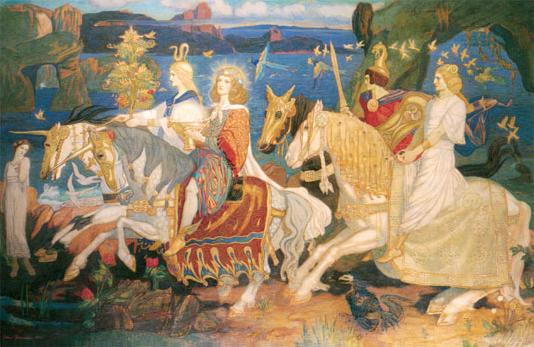
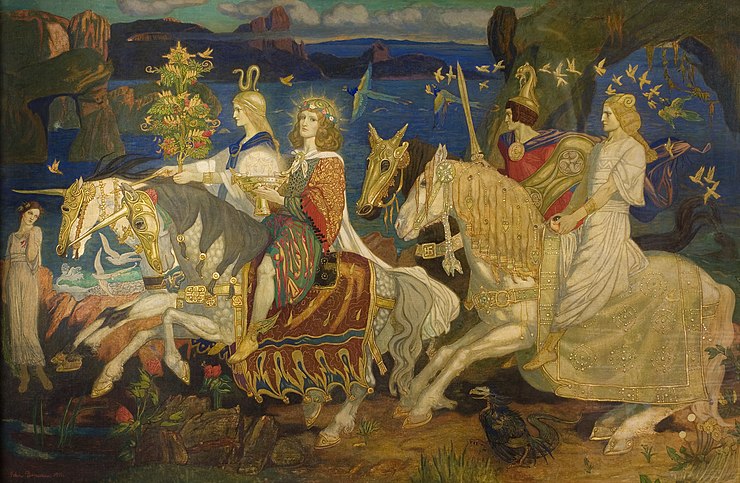
F 1.2 Faes Riders_of_th_Sidhe_(big)
F 1.2 Faes Riders_of_the_Sidhe_

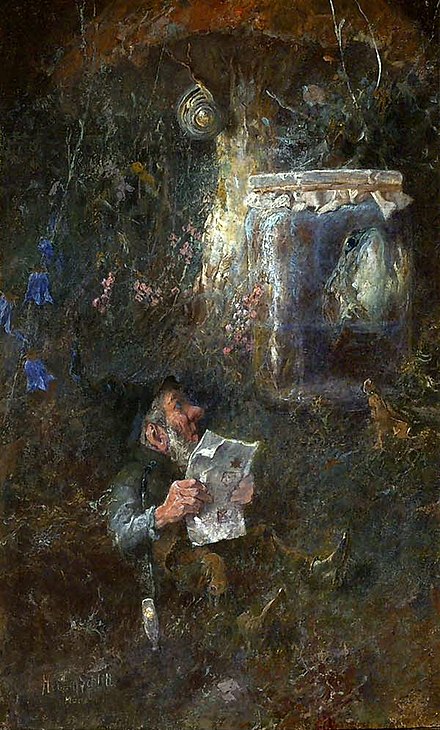
F 2.2. Earth Spirits Gnomes Heinrich_Schlitt_Gnom_mit_Zeitung_und_Tabakspfeife
F 2.2. Earth Spirits Gnomes

F 3.2 _La_llorona__de_mandera The Weeping Woman

F 3.2 _La_llorona__de_mandera The Weeping Woman


The Aos Sí ride out

They left the holy ground to walk
the mortal earth, their voices like
the wind, and starlight on their brow.
From hollow hills with stony sills,
from blackthorn, among rowan rings,
they ride the night, eyes piercing bright,
and what they seek is at my breast.

Sleep quiet, little one of mine,
the fairy folk ride storm and tide,
their horses foam-maned, tread the waves.
Be still, I hear their voices call,
you listen, gold that calls to gold,
and I can only hold you tight
and hide your brightness with my hair.

-Jane Dougherty

Timeless They Ride

I find I cannot open the sun.
People cut off their hearts
to try to stay clean. But I remember
a time when my feet would sink
into the earth while walking quite
firm upon it, and along with
the things of the day I would also be
companied by graver splendors,
visible as mist or as sudden
horses a-sparkle. They would not
speak to me but this one phrase:
Farewell. Welcome. They gave it
a tune. It put me to sleep then.
Now, waking, I see them again.

-Kyla Houbolt (inspired by F.1.2.)

Each minute the old battle

Steaming the flanking sea
and its withers. Nine waves maning.
A cauldron sounds its bell, empty
and washing ashore: each note a hollow
of bone and rising its judgement of sap
through the stave. How I would grow you armies
for the fight, lend this long arm of land
and the sharpened water relentless.
Your forehead in sleep like a fetching
keel, the wrinkle of light as day after day
unveils. Gold-feathered morning, its bargain
of rest. Hooves beat beyond the rib, crescent water,
and old belief shudders its tent around us. I begin,
again, scraping salt sweat from the hide.

-Ankh Spice – 2/10/22

La Llorona (inspired by 3.2, La Llorona)

They call you the weeping woman
And I wonder, La Llorona
What is it you weep for?
Why do your tears fall so fast,
Weeping woman?
They say you cry for your children
And that I can understand
A grief like that would rip my soul
Entirely in two.
They say that you killed those
Small children for whom you weep
And perhaps this is why you
Are doomed to roam as a ghost

They say that you chase the living
On a horse, or on your feet
Or in a horse drawn carriage
They say that you warn against
Bad behaviour
They say that one sight of you
Can be fatal

They say you have many faces
That when a person enquires
After you, and offers assistance
When they hear you weep
That you turn to them with
A changed unearthly visage
The face of a skeleton
Or a metallic horse head
Or worse, with no face at all

They say that you are the storm
That you drowned your children
That you kill bad children
That you come after the rains
That you weep for those children
Who you discarded in the water
Of the canals when they were born

But they all say that you weep
La Llorona, O Weeping Woman
And I wonder if one day
When I walk alone at night
If I will hear you weep
All alone in the night
Garbed in white
Mourning your lost children.

-Eryn McConnell

F2.2 Gnomish Whimsy

A dazzle of sun glazes the glass
spraying droplets of quicksilver and gold
adrift to daze the gnome’s wary eye –
His gaze a gasp inhaling the frog’s distress.
As she strains against her cage, bereft,
her glamor slowly becomes undressed.
And to his gimlet eye he espies -sigh-
a river nymph bespelled and held.
Whose alchemy is this to encase one of the fairest race?

The woodland awaits. What enchantment is nigh?
The orb bird falls silent, blue flowers go soft.
The wind holds its breath, roots fail to suck
For something is blooming beneath all the muck.

Yet the woods feel ripe and wondrously fraught. For veiled
within this tangled weald, mysteries unfurl, marvels revealed.
The gnome’s weary brow unfurrows and smooths as he
drinks his wee dram of pond water booze,
and there within his fairy draught
A vision unfolds of chicancery caught
A human lad, ungainly and artless
with pockets damp and filled with debris
Captured the frog, unaware of the glamor
And lets it go – he’s called home at half three.

-Jacqueline Dempsey-Cohen @boscoedempseu

Beware (Inspired by all three images: F2.1. F2. 2., F2.3)

On Halloween, the fairy folk ride
glide on steeds, that shine and glitter
and they as well, but beware their shimmer
and their beguiling queen with gold-spun hair

whose honeyed-scent drifts in the air,
stare not, and never take her hand
as she will take you to her land
where minutes drift ever-sweet and light

as decades here pass out of sight.
But on Halloween, take extra care
of all spirits, vengeful and fair—
who wander as the sun grow dimmer

gnomes mostly benign, though some are grimmer–
there’s La Llorona who wails and weeps
and seeks to keep
your children for hers, dead and gone.

Await the dawn
especially on Halloween,
do not go into graveyards, and don’t be keen
to display courage in haunted places, or the woods.

Don’t stray into the garden—understood?
when midnight strikes
run from shimmer, shadows, and all the ghost-like—
beware–

sometimes, things are not what they seem—
sometimes they are—no matter how bizarre,
truth may come in dreams. The unseen, seen.

-Merril D. Smith

Her story is told in many lands
of conquistadores with their grubby hands
tugging the thread of her history
forging a legend to which she cannot refute
monstrous allegations of infanticide
tales of fear and dread following her into eternity
destined to walk amongst their children
to punish and admonish
to catch their breath
on fear of death

Given her past so cold and dark
Falls square at foot of patriarch

-Chris Husband (inspired by F 3.2.)

Elemental (Inspired by image F2.2 Earths Spirit Gnomes)

He’s cornered in the cradle of a reclining chair
reading the paper and drinking Antiquity whisky.
The nurses have been overzealous, he has more bandages
than mummified Takabuti but the liquid continues to leach
from his legs, puddling on the floorboard, soaking into the walls
and above him mould is growing, blooming and feeding
the animals he talks to. Snails spiral outwards—across the walls
leaving trails like a network of arteries around the room.

Forget-me-knots have burst through the boards
at the base of the bariatric bed. His face is wrinkleless,
a happy side-effect of the collagen-full slug slime
applied under cover of darkness, except
for soft lighting emitted by plump glow-worms
that spin new hair on his head and his chin.

As the room becomes increasingly damp, his body is preparing
to return to the earth. His lungs and laneways are filling up
with loam. His voice is gravelly, and grit is blocking his intestinal track.
And yet, in all this degradation there is gentle luminosity
for he and his surroundings are pearlescent, silvering, precious
metal from earth’s crust swaddles him, even disinfects the catheter.
He folds the newspaper at the racing section,
removes the bookies biro from behind his ear.

-Gaynor Kane

Pipe & Toad

They don’t make good pets,
but just soak the bramble leaves
in their poison! You forget all
the news, the harebells
that need plucking and drying.

There’s never good news is there?
The Garden’s mowed!
The compost heap dug out!
All the Dandelions down!
Thistle’s capped, the fungi strimmed
and it’s a constant fight for concealment from cats.

Mr Toad—keep still—
give it up—a drop—another puff—
No regrets!

-Dave Garbutt (inspired by F 2.2.)

The Aos sí go by

We patrol our places
We, the Good People ride,
wary we watch
for the Hawthorn hacker and flailer,
the meadow cutter and chewer,
the stone-wall-breaker,
the straight road-builders
that insult our grass and birches and peat
with scars, hardness, black melted-rock!

Beware, we patrol our places
do not gouge or drain our meadows
our hedges, touch not, touch not.

From our home under the hill
we send floods, we shrink skins
we carry away the cutters, the tractors,
make barren the fields,
make barren the Impolite People,
and madden the cattle, make dumb the sheep,
and hungry the Raven.

Impolite People—our scream will split you
ear from head
eye from brain
leg from hip
and hand from switch.

-Dave Garbutt (inspired by F 1.2.)

Bios and Links

-Eryn McConnell

is a poet originally from the UK who now lives in South Germany with their family. They have been writing poetry since their teens and is currently working on their second collection of poems.

-Gaynor Kane

from Belfast in Northern Ireland, had no idea that when she started a degree with the OU at forty it would be life changing.  It magically turned her into a writer and now she has a few collections of poetry published, all by The Hedgehog Poetry Press Recently, she has been a judge for The North Carolina Poetry Society and guest sub-editor for the inaugural issue of The Storms: A journal of prose, poetry and visual art. Her new chapbook, Eight Types of Love, was released in July. Follow her on Twitter @gaynorkane or read more at www.gaynorkane.com

-Dave Garbutt

has been writing poems since he was 17 and has still not learned to give up. His poems have been published in The Brown Envelope Anthology, and magazines (Horizon, Writers & Readers) most recently on XRcreative and forthcoming in the Deronda review. His poem ‘ripped’ was long listed in the Rialto Nature & Place competition 2021. In August 2021 he took part in the Postcard Poetry Festival and the chap book that came from that is available at the postcard festival website. https://ppf.cascadiapoeticslab.org/2021/11/08/dave-garbutt-interview/.

He was born less than a mile from where Keats lived in N London and sometimes describes himself as ‘a failed biologist, like Keats’, in the 70’s he moved to Reading until till moving to Switzerland (in 1994), where he still lives. He has found the time since the pandemic very productive as many workshops and groups opened up to non-locals as they moved to Zoom. 

Dave retired from the science and IT world in 2016 and he is active on Twitter, FaceBook, Medium.com, Flickr (he had a solo exhibition of his photographs in March 2017). He leads monthly bird walks around the Birs river in NW Switzerland. His tag is @DavGar51.

-Merril D. Smith

lives in southern New Jersey near the Delaware River. Her poetry has been published in several poetry journals and anthologies, including Black Bough Poetry, Anti-Heroin Chic,  Fevers of the Mind, and Nightingale and Sparrow. Her first full-length poetry collection, River Ghosts, is forthcoming from Nightingale & Sparrow Press.  Twitter: @merril_mds  Instagram: mdsmithnj  Website/blog: merrildsmith.com

-Jacqueline Dempsey-Cohen,

a retired teacher and children’s library specialist, considers herself an adventurer. She has meandered the country in an old Chevy van and flown along on midnight runs in a smoky old Convair 440 to deliver the Wall Street Journal. She is a licensed pilot, coffee house lingerer, and finds her inspiration and solace in nature in all its glorious diversity. Loving wife and mother, she makes her home in the wilds of Portland OR.

October ekphrastic challenge

Jane Dougherty's avatarJane Dougherty Writes

Paul Brookes is running an ekphrastic challenge this month and I missed the start. It’s a jolt to realise that September is over and we really are into the autumn. The image below is one of today’s prompts.

I semplici

They had a hundred names for them,
the starving mass that crawled the famine fields
and burned the strongholds of the rich,
the sick and dying, the simple folk,
eaters of human flesh and heretics in thought.

The rich and fat in piety
harried their unarmed armies,
armed with blessings and righteousness
to stamp out the sin of envy,
the fury to survive.

Hanging from the spindle trees,
burning on stinking pyres, their howls of despair
rose in blood and smoke, to their God
they would have poor as themselves.

View original post

Drop in by Zoe Brooks

Nigel Kent's avatarNigel Kent - Poet and Reviewer

This week I’m delighted to welcome Zoe Brooks, who has agreed to drop in to introduce her new poem for voices, Fool’s Paradise.

That’s how Fool’s Paradise starts. We are on the road with three travellers and like them we question where it starts and when.

The words and rhythms reference the Bible, but at the crossroads there is a very modern shrine made of photographs. It could be anywhere that people come in grief. It was inspired by the shrine I saw in Wenceslas Square to Jan Palach, the student who set himself on fire in protest against the Russian invasion of Czechoslovakia in 1968. There must now be shrines like it all over Ukraine and indeed many other places in the world.

Shortly after this opening the travellers meet the Fool, who leads them on the road to a city where there is another shrine. This shrine is…

View original post 191 more words