#FathersDay2022. Please join Christina Chin and I in speaking of this day. I will feature your published/unpublished poetry/short prose/artworks about Dads. Please include a short third person bio.

Fathers Day by Christina Chin

-Christina Chin (She says: June is Father’s Day month and I’m pleased to have a haiga published. Thank you Marie Marshall. The next Showcase at the zen space will be Summer 2022 https://thezenspace.wordpress.com/experience/spring-2022-showcase/

tissue paper kite
glued together all weekend
my father and me

First appeared in Diogen Spring 2014 Haiku Contest

—-

handing over my drink
the barista recounts
coming out to his father
such unexpected intimacy
from a daily iced latte

First appeared in Neon Graffiti: Tanka Poetry of Urban Life (November 26, 2016)

—-

my father-in-law’s pals
still swapping fish tales
lakeside
I watch his ashes
swirl around the dock

First appeared (in slightly different form) in Neon Graffiti: Tanka Poetry of Urban Life (November 26, 2016)

—-

the old oak drops
another leafless branch
this spring
my father finally asks me
for advice

First appeared (in slightly different form) in The Bamboo Hut, Autumn 2016

-All haiku by Julie Bloss Kelsey

his absence felt
now that I’ve grown old
father’s day

.

one hand of father
on my shoulder, the other
on the cycle handle
brisk walk
.

flying kites
we both are carried away
in the wispy winds

.

-All haiku by Lakshmi Iyer
India

Bios And Links

-Julie Bloss Kelsey

writes poetry from her home in suburban Maryland, wrapped up in a blanket and drinking iced decaf lattes.

-Lakshmi,

a homemaker, lives in ‘God’s own country.’ She was introduced to haiku in 2017. She liked its minimalistic form, especially the way it could see the unread and read the unseen! Now, it’s almost as if words follow her all day long, and she has the pick of the best! Her haiku have found homes in several online journals. Yet, she feels her journey has only just begun…

Wombwell Rainbow Interviews: Dave D.

PhotoScreenshot_2022-06-19-08-11-15-08_40deb401b9ffe8e1df2f1cc5ba480b12

-Dave D
is a writer and poet living in Haddenham, Buckinghamshire. After a thirty-year career, policing the streets of London, he took retirement and is now working to develop a second career as an author. His debut poetry collection, All Mine, a memoir in poetry, was published earlier this year, and several of his poems have featured in various anthologies. He is currently working on his first novel, set around the Miner’s Strike of 1984.
Links.

http://www.davydwriter.uk
Twitter: @davydwriter
Instagram: @davydwriter


The Interview

1. When and why did you start writing poetry?

I was given my first poetry book in 1972, (aged nine) The book was a treasure of adventure and wonder. That kicked off my love for reading and writing poetry and that passion has stayed with me. I had my first poem published in a local school’s anthology around the same time and it was fifty years before the second one went public. I have written poetry and prose during the interim. Writing has always been a personal journey for me.   

2. Who introduced you to poetry?

I was brought up in a mining community and lived in a cottage sandwiched between two retired miners. They used to take it in turns reading to me and making me read to them. I also had an excellent teacher in junior school. She introduced me to classical poets like Wordsworth. And my parents always ensured there was a good supply of books to feed my passion.  

2.1. Who did the retired miners introduce you to?

Two particular pieces stand out. Shakespeare’s, All the World’s a Stage and the Song of Hiawatha by Henry Wadworth Longfellow. We also enjoyed the lighter side with Dr Seuss, Roald Dahl and Spike Milligan.

2.2. Why did those pieces stand out?

All the World’s a Stage was the first poem I learned off by heart. I had to stand in front of the class and recite it. I still remember the terror. The Song of Hiawatha I read at the same time as the series, The Last of the Mohicans, was on the television. There was the boyhood magic of being a Native American Indian and all the adventures that went with them.   

3. How aware are and were you of the dominating presence of older poets traditional and contemporary?

I think, as a writer and poet, it is important to read as many different styles and genre of poetry as you can. My influences have changed over time and what I read can also depend on what mood I am in. All poetry affects us in some way. I am intrigued by the word dominating in your question. In my view, traditional poetry came with access and privilege, whereas contemporary poetry saw class barriers being broken by poets who came from different backgrounds.   

4. What is your daily  routine?

I am an early riser and wake at 5.30am. I am usually at my writing desk around 6.00am and write for a couple of hours. I find this is the best time for any creativity. I then break the writing with some exercise. Usually, an hour at my local gym. I finish the morning working on the piece of writing I had started. The afternoons are spent planning, future projects, blog posts, other social media stuff. I also use the afternoons for research. I am working on my first novel, which is based in 1970 and 1984 so there is a lot of reading around those times to make sure what I write is authentic. I try to write something every day, even if it is just a hundred words. That daily practice helps in keeping connected with my work.   

5. What motivates you to write?

From an early age I have always been captivated by stories. As human beings we navigate through life by stories, stories we tell ourselves and stories passed down through generations.  My motivation to write is around being part of that process. I have an active mind and there is always some piece of writing or plotline spinning around inside my head. I find writing calms that down… most of the time. For me, writing is a form of mediation, a chance to be alone to explore my thoughts. Writing gives me an opportunity to make sense of what is going on around me and to connect with other writers and creatives.

6. How do the writers you read when you were young influence your work today?

It’s difficult to say, because over the years I have been influenced by different writers at different times. Every book you read leaves a mark on you in some way. I still remember the classical boy stories I read as child like Treasure Island and King Solomon’s Mines. As a teenager I had the usual exposure, through education, to Shakespeare and the classical poets and writers but was fortunate to be introduced to writers like Charles Bukowski and Dr. John Cooper Clarke.  It’s those influences that bring a bit of rebellion into my writing and keep me looking for new writers who break barriers. In some ways I have a mix of new and old influence, as I think that brings balance to my writing.

7. What kind of marks have you noticed being left by the books you read?

Two books immediately spring to mind. Victor. E. Frankl’s,  Man’s Search For Meaning and Claudia Rankine’s, Citizen, An American Lyric. Both are books which expose the worst of humankind and leave you with an overwhelming sense of shock. I always go to those books when I need to get back to a feeling of being grounded. As writers,  we need to take ownership and responsibility for the words we write. I always try to keep this uppermost in my mind when I put pen to paper.  

8. Who of today’s writers do you admire the most and why?

I am writing my first novel which is set in 1970, and the Miner’s Strike in 1984. There is a lot of research involved so I am reading large amounts of social history, especially by David Kynaston. His writing style brings the post war era to life.  My favourite author, at the moment, is Douglas Stuart. His first book, Shuggie Bain was hard hitting and emotive. It had that, A Kestrel for a Knave, by Barry Hines, feel to it. Rugged and Northern. I’ve got his new book, Young Mungo, lined up.

In terms of poetry, there are so many exciting new poets coming on to the scene. I admire poets like Alice Oswald, in how she creates a sense of place, and Claudia Rankine for her writing on social injustice.  Also, Ian McMillan, and Mike McGarry, two northern poets. Their work is grounded in their local communities and has that raw honesty which reminds me of my own upbringing in a mining town.

9. Why do you write, as opposed to doing anything else?

I have always got some story line, poem idea, a new character, rattling around inside my head. I have to get them out on paper as soon as possible so it creates some space to do other things. Writing is a form of meditation for me. If I get to my writing desk early each day and write it gives me a boost for the rest of the day.  I then feel I can get on and do other things. I’ve written from an early age and couldn’t imagine a day without doing some form of writing.

10. What would you say to someone who asked you “How do you become a writer?”

I would say ‘just write.’ I think we can be overcome with all the things we associate with being a writer and forget that one basic element. Once you get into the practice of writing regularly, and not fearing the page, you can then start working on all the other things that encompass writing. Something which held me back for many years was wondering what other people would think of what I wrote. There’s a great quote that says, ‘Better to write for yourself and have no public, than to write for the public and have no self.’  

Writing is a personal journey, and it becomes more enjoyable the more skilled you become. I would add, read as much and as widely as you can to that advice and try to connect with other writer’s and creatives.

11. After having read your writing what do you wish the reader to leave with?

I would like them to think there are stories inside all of us and there is someone waiting to hear them. I hope when they read my work they could come away with an ‘ I could write something,’ feeling. If my words can inspire just one person to pick up a pen and tell their story then my work has achieved all it was meant to.   

Thanks again Paul for your patience and giving me this opportunity.

House-tent

Jane Dougherty's avatarJane Dougherty Writes

A poem for Day 18 of Paul Brookes’ 30DaysWild challenge. If you have a camping related piece of writing or photo, send it in.

House-tent

This house beneath the stars sits
knees to chest upon the hillside,
gazing down where dark is deepest.

We sit and watch together,
as the stars dance and moon rises,
through the window full of night-light,

and we gaze into the tree-dark,
where the stream runs loud in springtime,
and the owls scream loud at night-time.

This house with sky as coping
is my tent, beyond is untamed,
I can hear its wild heart pulsing,
touch the bat-winged night air beating,
and I taste the summer coming.

View original post

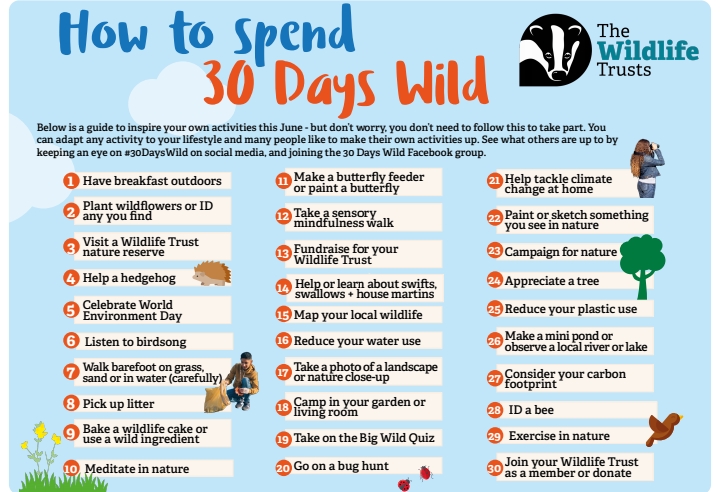
#30DaysWild. Day Eighteen. Today we are camping outdoors or indoors. I will feature your photos, writing about camping. Can you make a piece of art, photo or poem/short prose based on the themes below every day in June? First drafts perfectly acceptable. Haikus, Tanka. Preliminary sketches, photos. I will feature all on the day, and add after, too.

screenshot_2022-06-01-11-31-40-81_40deb401b9ffe8e1df2f1cc5ba480b12

screenshot_2022-06-01-11-53-32-60_a27b88515698e5a58d06d430da63049d

Screenshot_2022-06-18-22-48-49-14_e307a3f9df9f380ebaf106e1dc980bb6

-Jane Dougherty

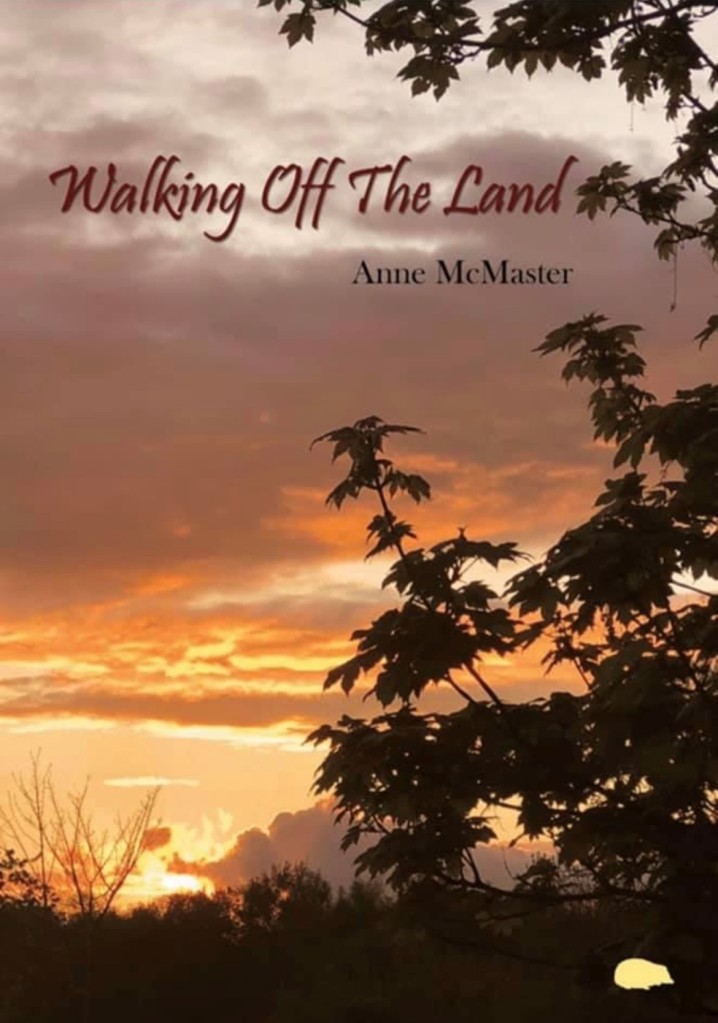
Review of ‘Walking Off the Land’ by Anne McMaster

Nigel Kent's avatarNigel Kent - Poet and Reviewer

In her poem Baptism at the Farm Well Anne McMaster issues an invitation, ‘Will you join me here?’: an invitation to join her on her family farm during her childhood in rural Ulster, and it is one I have willingly accepted several times since first acquiring my copy of Walking Off the Land (Hedgehog Poetry Press, 2021) , for this is a delightful and uplifting collection of poems. McMaster’s engaging poetry enables us to share her experiences as she relives so many precious moments from her childhood, offering us vibrant snapshots into a way of life that has sadly disappeared.

Perhaps one of the things that emerged most strongly for me when reading the collection was the sense of family. Nowhere is this better evoked than in the wittily entitled Home on the Range. The poem depicts food as an expression of love. Significantly the ‘range’ on which it was…

View original post 1,122 more words

#30DaysWild. Day Seventeen. Have you photographed a landscape, or nature up close? I will feature your photos, writing about photos of nature and artworks about, or including nature photos . Can you make a piece of art, photo or poem/short prose based on the themes below every day in June? First drafts perfectly acceptable. Haikus, Tanka. Preliminary sketches, photos. I will feature all on the day, and add after, too.

screenshot_2022-06-01-11-53-32-60_a27b88515698e5a58d06d430da63049d

The Heron and the Blackbird

From under the bridge he gracefully flew,
startled by our sudden approach
his powerful wingspan stretching wide
like a ghost in a shroud, soaring high on hope

A swoosh, a frantic rush of air
as he pulled away from the flooding stream,
startling the blackbird feeding nearby,
singing his heart out, retelling his dream

So we paused, my labrador and I
to watch this miracle passing by

The blackbird took fright and flew to his tree,
Observing where the ghost had been.
When danger passed he ventured out
To eagerly search for worms in the green

The heron continued his fishing spree
And nature looked on at this wonder revealed….
An everyday coming together of birds,
both heron and blackbird at home in green fields

And we paused, my labrador and I
to watch this miracle passing by

-Margaret Royall

jane dougherty photo– photo by Jane Dougherty

Spring gone

I think I remember
the way the seasons rolled,
a great wheel turning slowly,
drawing up green shoots,

the way they unfurled into summer flags,
danced red and gold in autumn winds,
and lay quiet beneath the foggy winter trees.

I think I remember
green and damp and rain.

But the lurch of the machine,
no longer in control,
shakes the memories into the exhaust,
blown away like chaff.

-Jane Dougherty

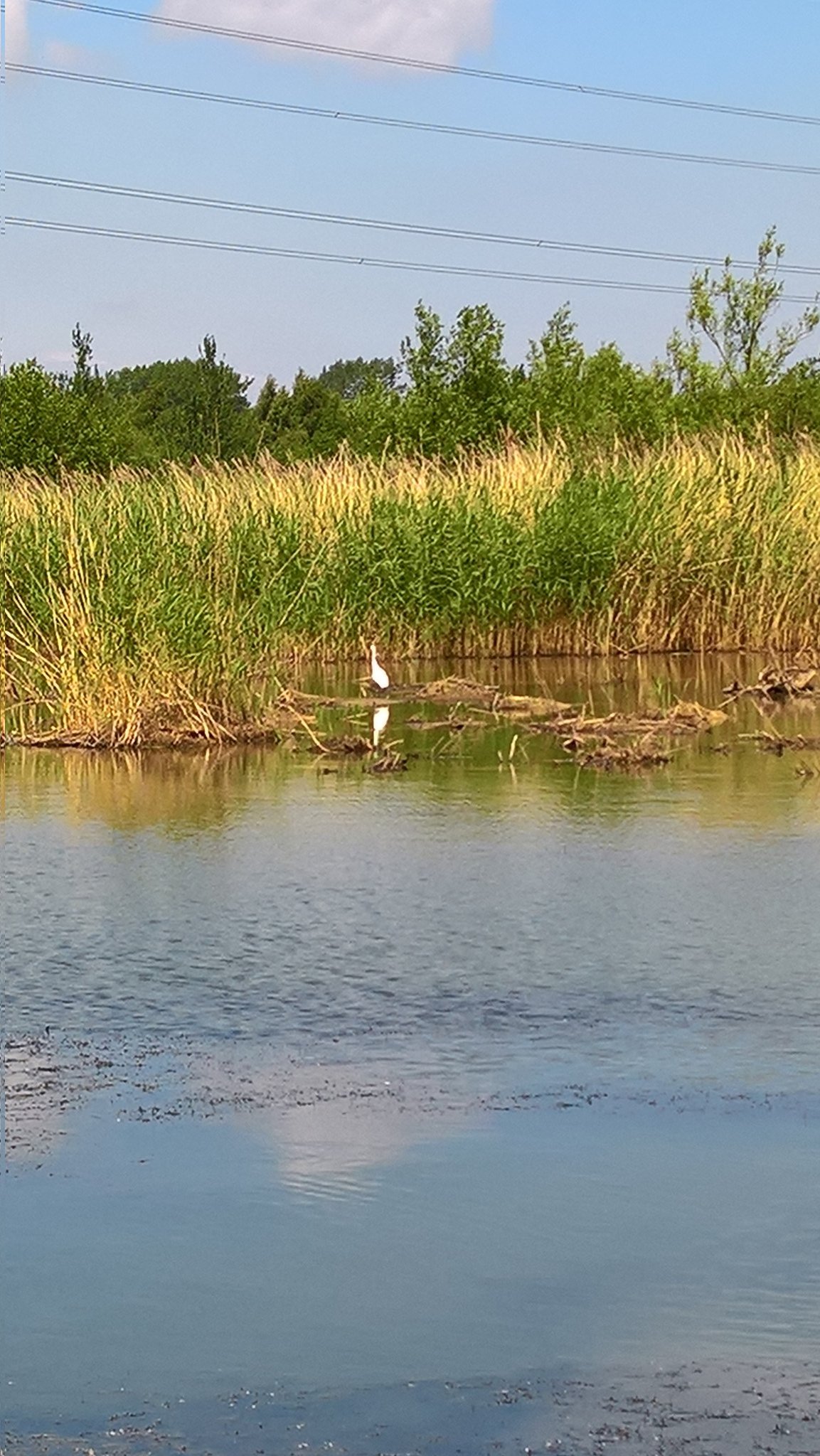
A Herons Day – photo by Paul Brookes

Wombwell Rainbow Interviews: Sue Watling

Heaving by Sue Watling

-Sue Watling

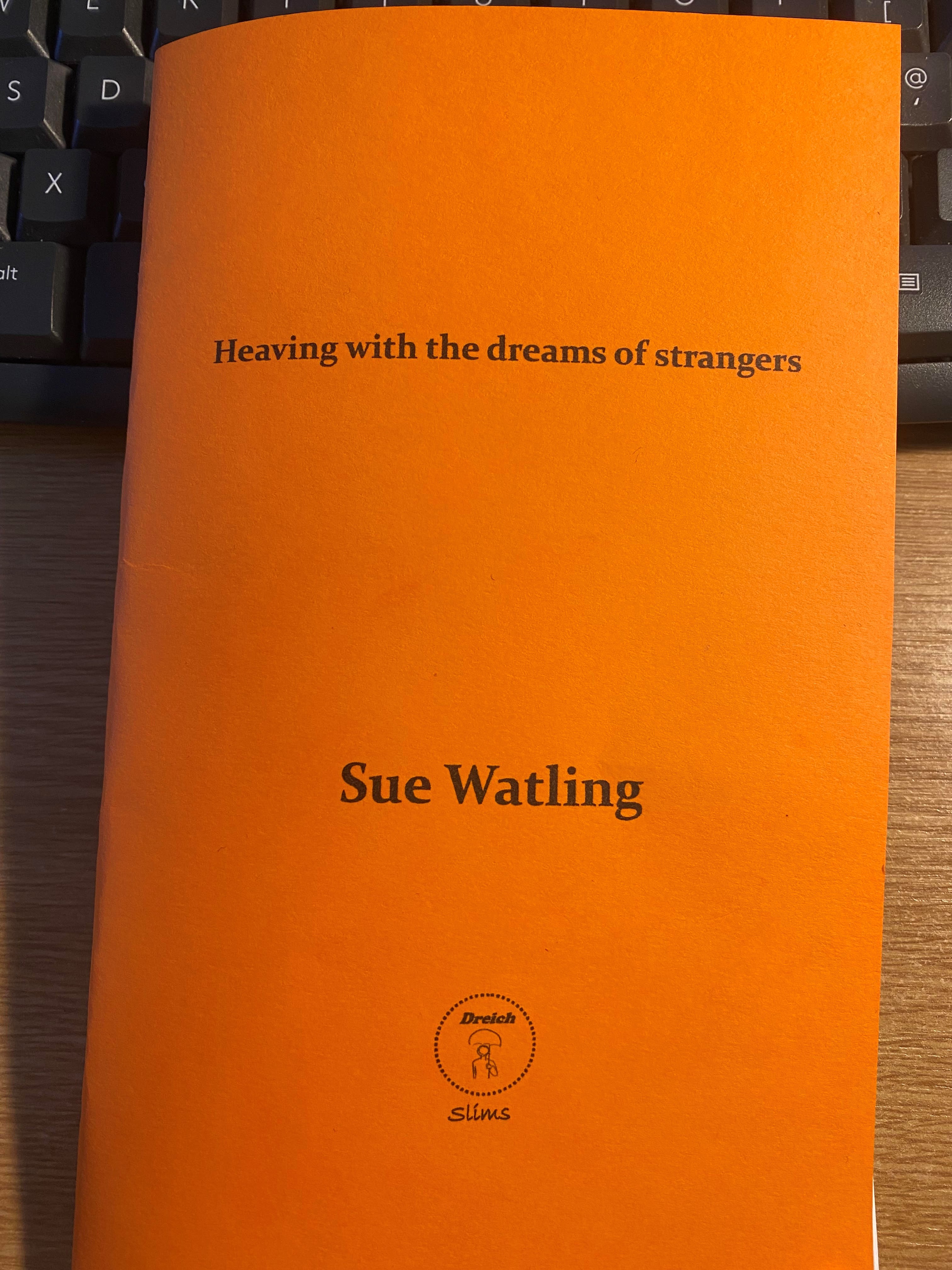
A writer and poet living in Hull, with an allotment, lots of honey bees, and inspired by ancient myth and legend, Sue has had poems published in a number of poetry journals and magazines including Dream Catcher, Dreich, The Poetry Shed, Sarasvaki, Dawntreader, Green Ink Poetry, Amethyst Review, Ekphrastic Review and Seaborne. A winner of the Dreich Chapbook Slims in 2022, with the collection ‘Heaving with the Dreams of Strangers’, Sue has also written ‘Thetis’, a poetic narrative which retells the Trojan War through the eyes of Thetis, mother to Achilles. Thetis is due to be published by Esplanade Press in the Autumn of 2022.

1. What inspired you to write poetry?

I tried to see leaving work as a gift in terms of time. I’d always enjoyed writing and once my career ended, I no longer had the excuse of not being able to make it a regular habit. As the world went into Covid lockdown, I enrolled in a series of online poetry courses where the daily prompt technique offered a structure which seemed to work for me. These encouraged a daily writing habit and taught the value of regular practice, as well as providing opportunities to share and comment on the poems of others. I’ve enjoyed finding my way back into exploring the magic of words, in particular ways to retell ancient myths and legends.

2. How did you find your way back into exploring the magic of words, in particular ways to retell ancient myths and legends?


I was drawn to Homer’s epic poems, the Iliad and Odyssey, in particular how the emotions experienced by these ancient characters are hardly different to those we all go through today. Wars continue to be fought, while people still feel love and grief etc. Over the past few years there’s been a resurgence of interest in the women of Troy and ancient Greece, as well as the pantheon of gods and goddesses, and I became interested in Thetis, mother to Achilles. Thetis appears at all the main plot points of Homer’s Iliad and was clearly a woman of great influence and power over the gods, but doesn’t seem to have retained her status as other ancient divinities like Athena, Hera, and Aphrodite (who I see as glamorous but evil!) I began to wonder how the Trojan Wars might appear through Thetis’ eyes, as the mother of the greatest Greek warrior, and knowing he was destined to die young. This led to experiments with a form of narrative poetry that used a contemporary voice to merge the past with the present and explore universal themes. I’m currently working on a narrative poem which explores the relationship between Kalypso and Odysseus, and with such a wealth of ancient tales out there, I can’t see me running out of source material any time soon!  

3. How important is form to your poetry?

I’m not a fan of structured poems like sestinas, villanelles, sonnets etc. When it comes to writing and reading them, it can feel like the words and rhymes are being forced into place. Maybe I need to practice them more! Free verse can sometimes seem too loose on the page. I think a poem needs some form and for me it’s about stanza breaks and rhythm, with internal rhymes and half rhymes. I like poems where stanzas have the same number of lines, although I’m not rigid about this, and for poems to have a beat – either metrical or syllabic – so when read aloud there’s a sense of a pattern or movement. I also like poems which begin in one place and end in a different one, for example the transition between the general/objective and the personal/subjective point of view. I guess I like poems which tell a story, where the challenge is to do it concisely and remain a poem rather than poetic prose. 

4. Who introduced you to poetry?

Like for so many, it began at school where I felt no connection with the curriculum poets and thought poetry was not for me. I stayed writing non-fiction for years until I was introduced to contemporary poems and began to try writing them. Looking back, most of my early poems were not very good, but I think maybe you have to write badly in order to improve? During lockdown, I began online courses with Wendy Pratt @wondykitten, Angela Carr @adreamingskin, and Jim Bennett @thepoetrykit. These, and the tutors on a creative writing course, Sue Wilsea and Felix Hodcroft, encouraged me to explore my early interest in myth and legend as subject matter. I feel at home here but it wouldn’t have happened without the support and encouragement of all the poets and writers I’ve met along the way.

5. How important is nature in your poetry?

I have an allotment where I keep bees, so am lucky to be close to the magic and mystery of nature which offers ideas for poems. Although so much about nature has been said before (and will be said again) poetry always contains the possibility for saying it differently, whether it’s ‘big’ issues such as pollution and deforestation, or space for details like the flash of sunlight on water.  I believe nature is a force we need to respect and understand, rather than ignore and exploit it, and poetry can be a powerful way to start and maintain those essential conversations about achieving balance.    

6. What motivates you to write?

As above, I’m interested in the ways the universal themes in myth and legend are as relevant today as they’ve always been, and these often become the basis for poems. However, I think the main motivation for writing is to try and make sense of life, both mine and other people’s, with all its highs and lows, the beauty and the violence, in ways which might have resonance and make readers feel they’re not alone with whatever it is they are going through. 

7. How do the writers you read when you were young influence your work today?

I wasn’t a fan of poetry when young so didn’t feel much influence. I preferred historical novels from the library because they showed how you could take the past and write about it. Then I discovered more contemporary writers such as Sylvia Plath, who was one of the first poets I read where I realised poetry was something special, in particular how words on the page could have multiple layers of meaning.  It’s hard to explain how some poems seem to work for you while others don’t – it’s quite an individual experience which I still don’t fully understand. I guess you could say that where poetry is concerned, I’m a late starter but am enjoying the process of catching up!

8. Who of today’s writers do you admire the most and why?

It’s hard to select when so many people are writing great poetry, or at least authoring poems which have resonance. I admire poets who work with myth and fairytales like Vicki Feaver, the early work of Carol Ann Duffy (such as The World’s Wife and Rapture collections), Helen Mort and Helen Dunmore. Outside of poetry, I like the writing of Jenny Diski, Susan Vreeland and Sarah Hall. They all write with a lightness of touch, regardless of the situation, which I would love to be able to emulate.

9. What would you say to someone who asked you “How do you become a writer?”

Develop a regular time to write every day. It’s easy to say and harder to do, but writing comes out of practice, so try not to worry about what you are writing. Even stream of consciousness, for 10-15 minutes a day, can open up a phrase or sentence which could be the start of a poem and/or lead to other ideas. The daily practice of writing works better than thinking about it but not doing anything 😊 Taking online courses or using opportunities on social media which offer writing prompts can be useful. Also, read lots, especially the genre you want to write in, but other genres are still worth exploring. There’s lots of free help and guidance online, as well as in books. It can be difficult to get started, but the best way to ‘become a writer’ is to actually have a routine where you sit down and make yourself do it! 

10. I notice a lot of the poems are from a first-person perspective. Why do you use this particular point of view?

I think it goes back to working with myth as source material. Taking on the persona of another person can help identity and character to come across on the page, especially where space is limited and you need to create an impact. For me, writing in third-person doesn’t have the same power to connect.  I also like using a contemporary voice to tell old stories, so the poem or narrative becomes a mix of past and present, and first-person seems the most powerful way to achieve this effect. 

11. Final question: After having read your book, what do you wish the reader to leave with?

I’ve thought about this for a while, My background is in education development and I’d like to think my poems encouraged curiosity about both past and present. It would be great if readers felt encouraged to look up the backstory to some of the characters in ‘Heaving with the dreams of strangers’. Maybe Odin, Daedalus, the Willendorf Venus or Samson? There are so many different people on the pages of this collection. Ann Bonny and Mary Read really were 18th-century pirates and Terentius Neo was a baker in Pompeii the day Mount Vesuvius erupted. Did the pirate girls leave behind husbands or did the baker have a wife and children? Most of all, I hope the collection shows poetry can be about a range of topics or characters and so long as the words don’t cause damage or harm, there really is no limit to the internal landscape of a poet.
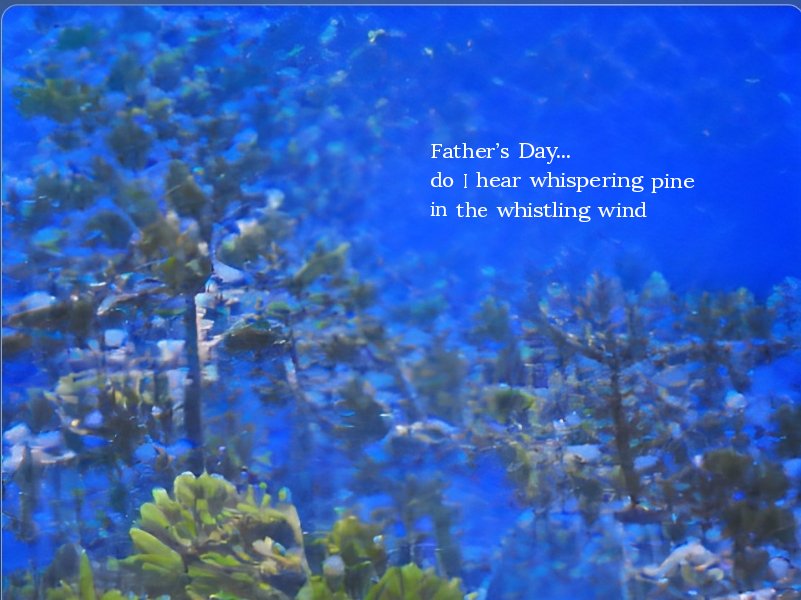
#30DaysWild. Day Fifteen. Map your local wildlife. Have you written about where you can find your wildlife? Made a painting of it? Photographed it? I will feature your photos, writing and artworks about, or including these birds . Can you make a piece of art, photo or poem/short prose based on the themes below every day in June? First drafts perfectly acceptable. Haikus, Tanka. Preliminary sketches, photos. I will feature all on the day, and add after, too.

screenshot_2022-06-01-11-31-40-81_40deb401b9ffe8e1df2f1cc5ba480b12

screenshot_2022-06-01-11-53-32-60_a27b88515698e5a58d06d430da63049d

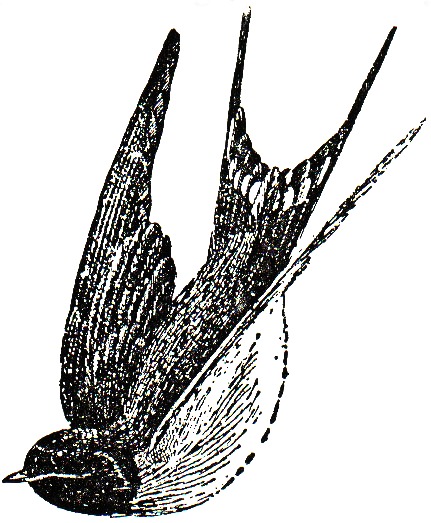
Swift-swallows

Jane Dougherty's avatarJane Dougherty Writes

My poem for Paul Brookes’ 30DaysWild challenge. You can read the poems here.

Swift-swallows

They’re quartering the river
the swallows and the swifts
hunting where mosquitos swarm.

Not for them the hot meadow air
sandstorm dry and thick with dust.

Precocious summer swells
and swallows sap and singing

the high-pitched swift-shrill unheard
in this thunder-ocean overhead
where kites and buzzards plough
scything the burnished billows.

View original post

#30DaysWild. Day Fourteen. Swallows, Swifts and Housemartins . I will feature your photos, writing and artworks about, or including these birds . Can you make a piece of art, photo or poem/short prose based on the themes below every day in June? First drafts perfectly acceptable. Haikus, Tanka. Preliminary sketches, photos. I will feature all on the day, and add after, too.

screenshot_2022-06-01-11-53-32-60_a27b88515698e5a58d06d430da63049d

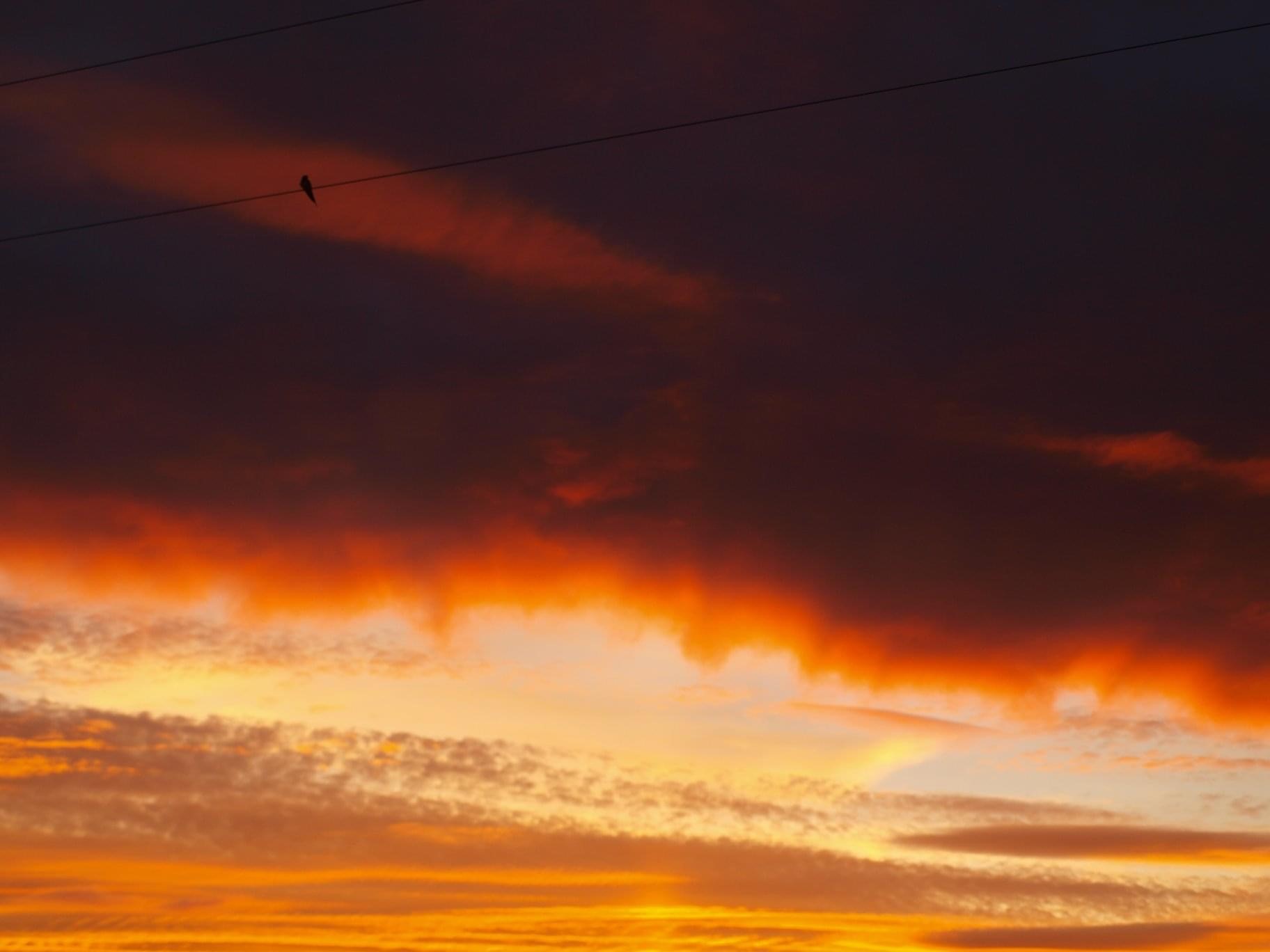
silhouetted swallow by Debbie Ross

Photo of silhouetted swallow by Debbie Ross

Swift-swallows

They’re quartering the river
the swallows and the swifts
hunting where mosquitos swarm.

Not for them the hot meadow air
sandstorm dry and thick with dust.

Precocious summer swells
and swallows sap and singing

the high-pitched swift-shrill unheard
in this thunder-ocean overhead
where kites and buzzards plough
scything the burnished billows.

-Jane Dougherty

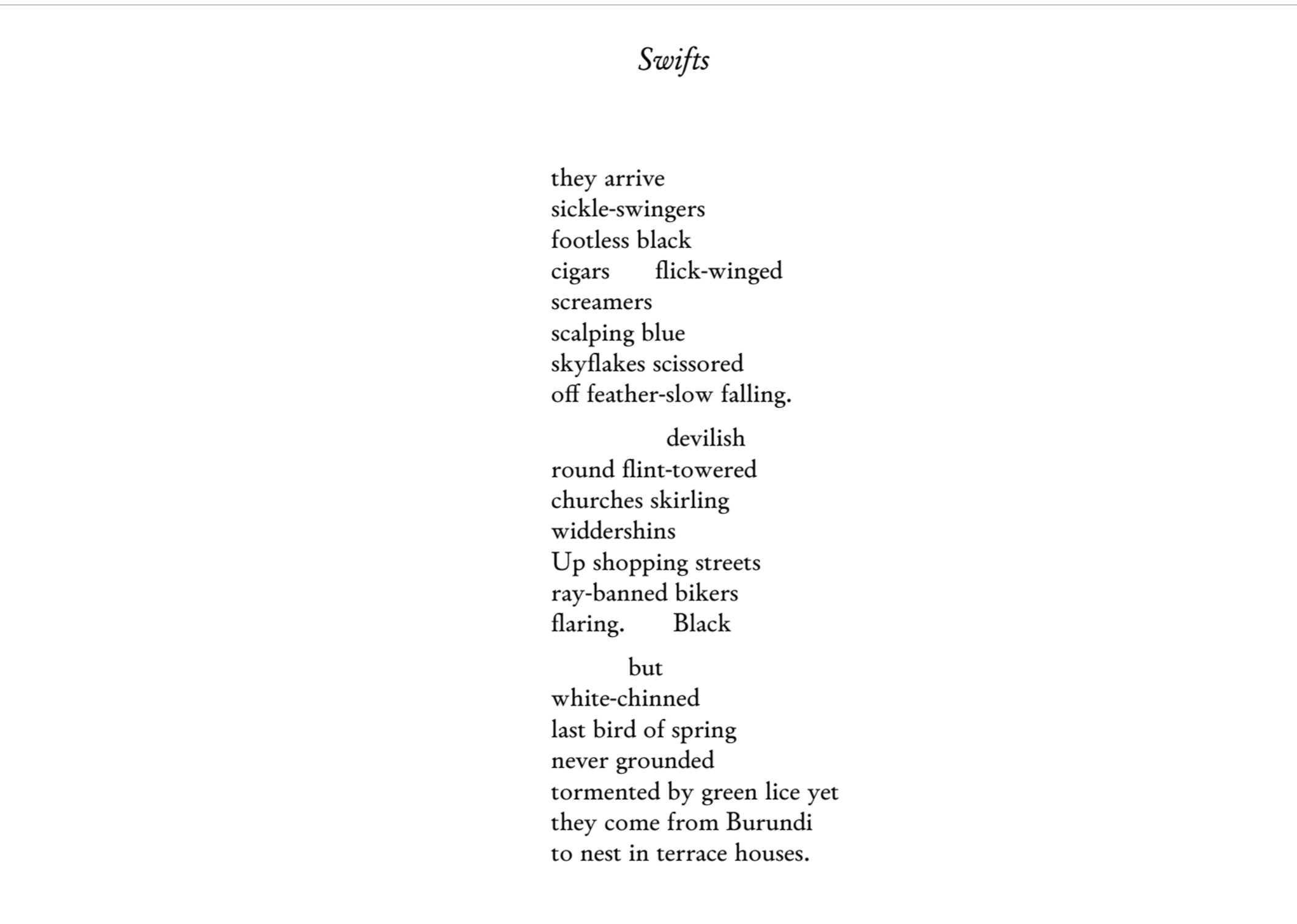
Swifts by Dave Garbutt

-Dave Garbutt (He says of it: It was written after the genocides in Burundi under Bokasa, which was before the more well known genocide In Rwanda. I would not write it this way now, but it expands on the bad name Swifts had in the past. )