Leftfield Questions
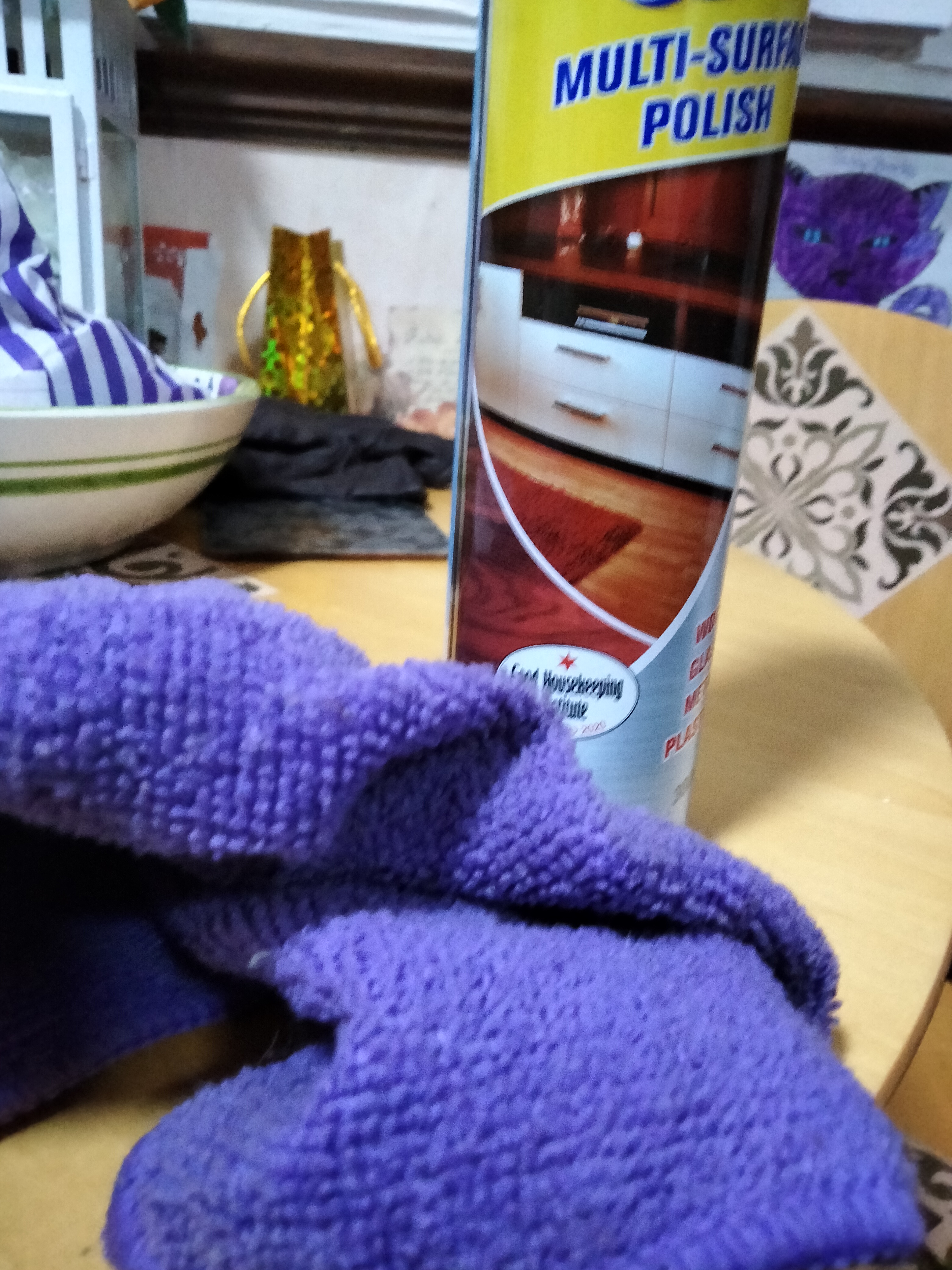
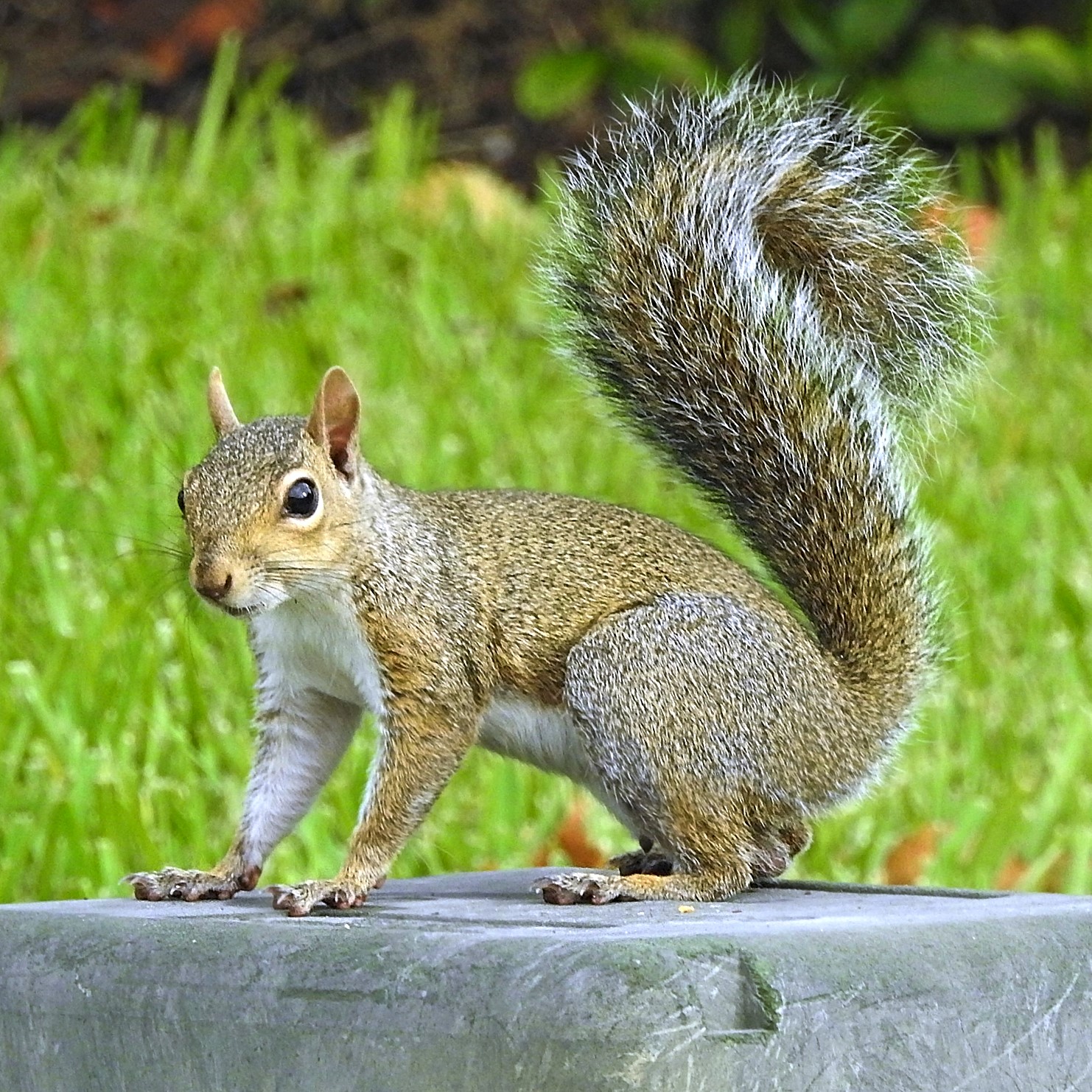
How is a squirrel like a polish and duster?
What mundane task would a living squirrel do in a home?
How would a duster and polish be rewilded?
Leftfield Questions
How is a squirrel like a polish and duster?
What mundane task would a living squirrel do in a home?
How would a duster and polish be rewilded?
the path vanishes
inside crystals—spiraled, wind
swept, alabastered
in eerie silence
stars dazzle indigo night–
sky patterns limn moon
silhouettes transform,
reconfigure the landscape–
trees close in, bow down
I find myself in pieces–
creatured and held by branched wings

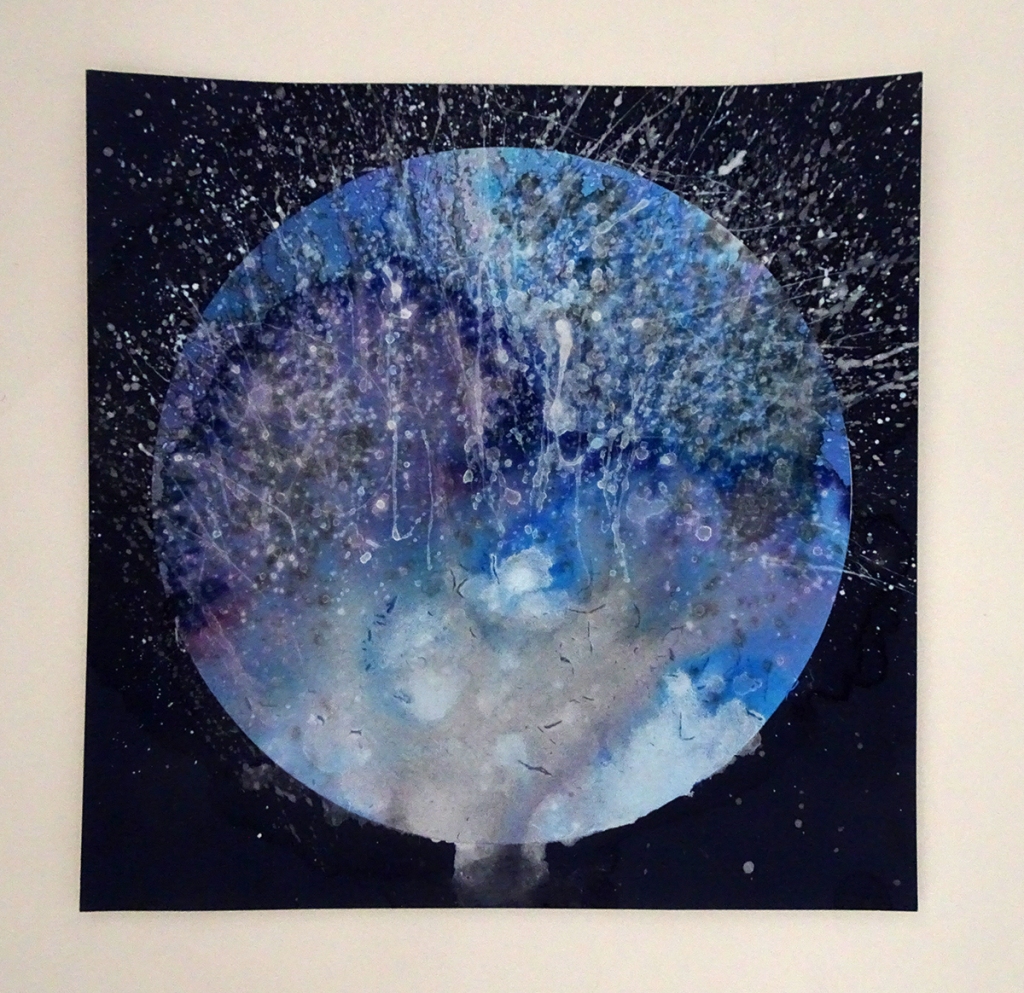
Brendan at earthweal provided a series of December images as inspiration this week. I chose the image above, which was perfect for a watercolor interpretation.
I had been struggling with my poem when I saw The Wombell Rainbow’s poetic form challenge this week. The haiku sonnet proved to be just the structure that I needed to clarify my words.

No snow here yet, just another dreary December rainy day.
For Paul Brookes’ December challenge. You can see the prompt here.
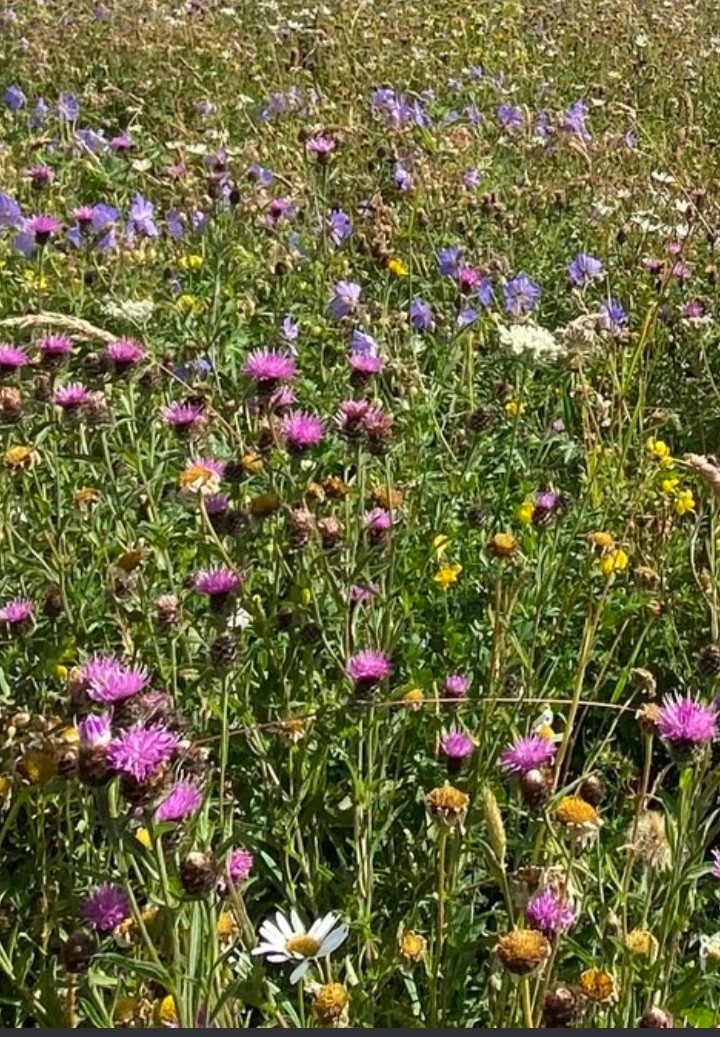
Meadow-laundering
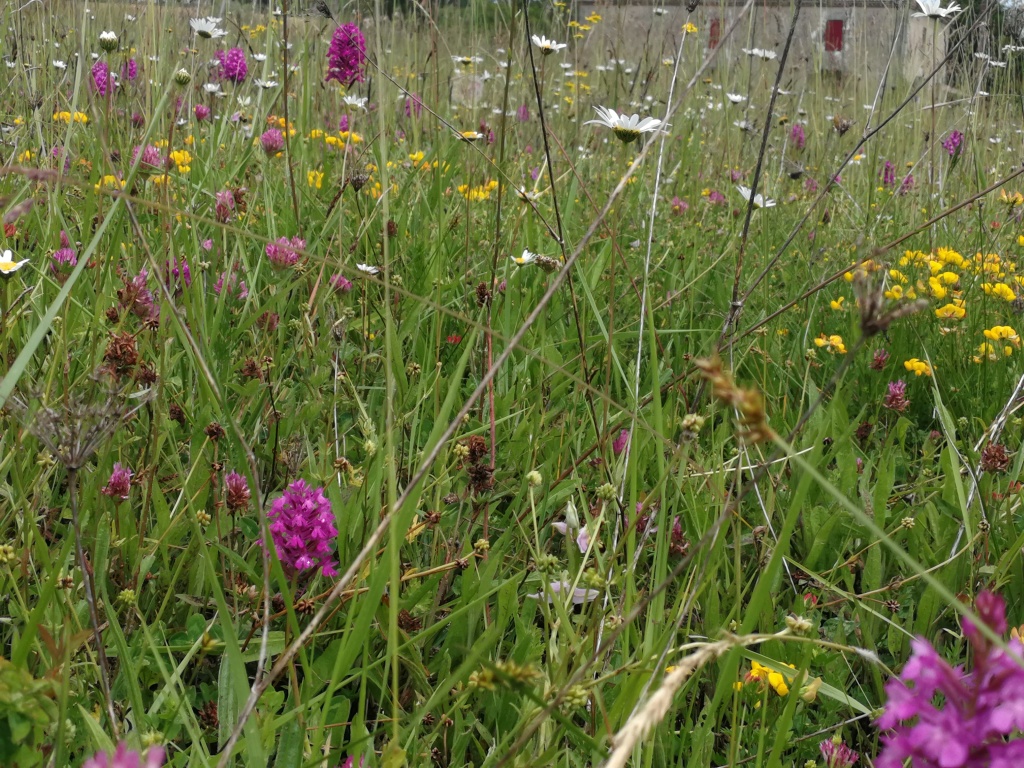
There’s a churning of the seasons in a meadow,
not a pasture, champed and cropped
and clumped tussocky mud by clomping hooves.
Not a pasture with the one or two types
of grass that the munchers prefer,
dull as ditch water, a refectory,
but a meadow,
a quilt that spreads and gleams,
bee- and bird-full,
where cats and martens stalk,
the hare hides her young, and deer
lie in lazy dreams on balmy moonlit nights.
A meadow, cloth-of-green quilt,
coloured and stitched with gold
and blue and every shade of pink,
white frothed and dotted, a sea,
gently foaming.
And high summer, its work done,
flowers faded and seed set,
the mower lays it all to rest,
bundled and rolled up neat and tight,
the brown and the spent,
and the earth stretches,
spreads its sparkling newness,
its…
View original post 9 more words
Leftfield Questions
How is a wildflower meadow like a washing machine?
What mundane task would a living wildflower meadow do in a home?
How would a washing machine be rewilded?
For the dverse prompt. A sonnet because The Winter’s Tale = Shakespeare = sonnet. There are two titles in there, and almost a third. I stuck an article into Roses in (the) snow to make it scan.
Hounds of winter
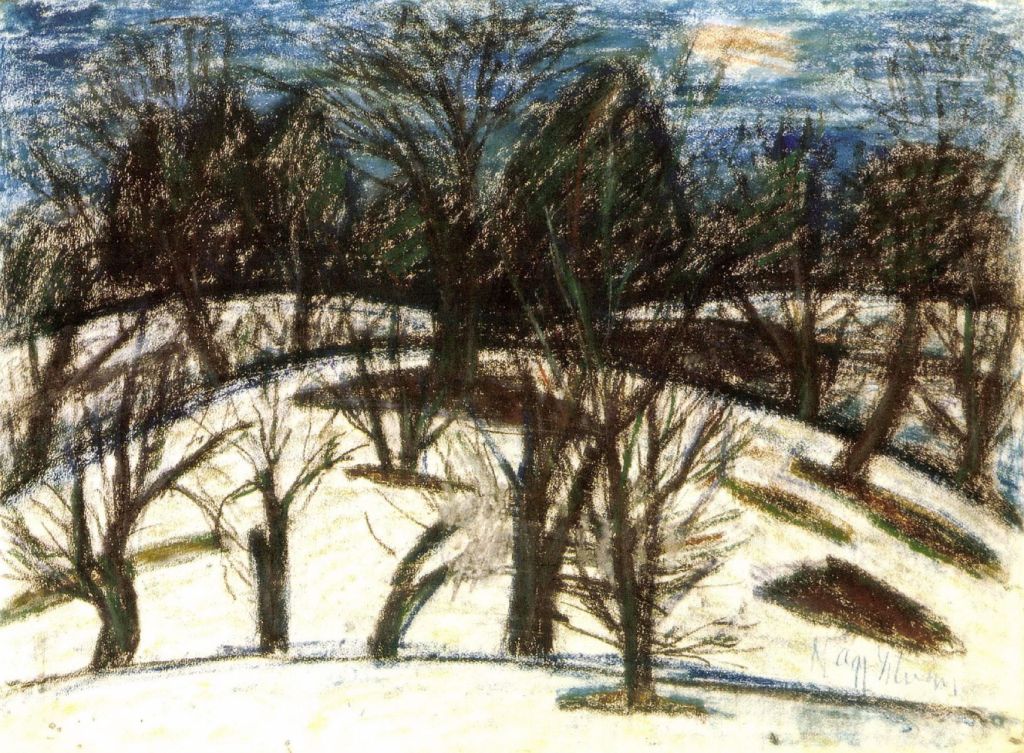
The hounds of winter howl the moon, the sky,
Pin-pricked with stars, only a night away
Throws back the song, we hear the echoes die,
And on a lonely hill we wait for day.
The hounds of winter tread the ocean sky,
Its cloudy waves, no need of ship and sail,
Their breath, the north wind, teeth snap hue and cry,
And growl the deep notes of a winter’s tale.
Yet in the night fields tracked with pad and claw,
The year lies sleeping, warmed by deep earth’s glow,
Cradling seeds, roots waiting for the thaw,
And perfume-petaled roses in the snow.
Should these dark hounds pause, sniff the wintry…
View original post 10 more words
David Marshall says of the haiku sonnet:
Formally, it combines four haiku and a final two-line “couplet” consisting of seven syllable and/or five syllable lines, making 14 lines.
Conceptually, it’s an attempt to wed two like and unlike forms. To me, the sonnet seems the quintessential western poetic form, defined by the order and rationality of its problem-resolution organization. Depending how you see it, the haiku might be just as organized—haiku certainly have strong rules and conventions. Because haiku can rely, just as a sonnet does, on a sort of reversal—a “volta” in sonnets, a “kireji” in haiku—they may be distant cousins. However, haiku are eastern, and, where sonnets are rational, haiku are resonant. Where sonnets solve—or attempt to solve—haiku observe.
Helpful links
https://dmarshall58.wordpress.com/haiku-sonnets/
https://adamoftheuniverse.poetry.blog/2019/09/12/week-sixteen-the-haiku-sonnet/
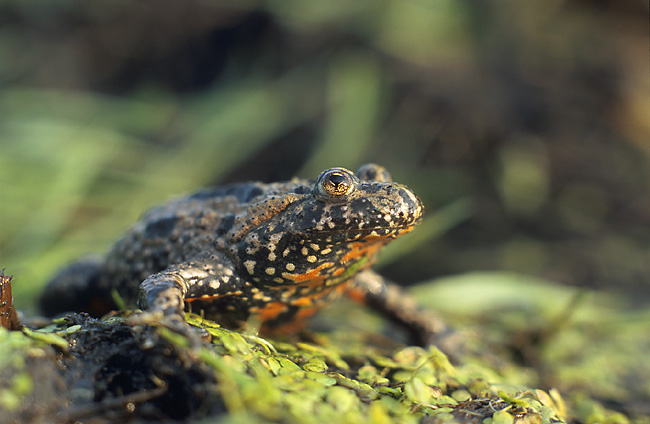
A toad poem for Paul Brookes’ December challenge.
Tactical retreat
Rain and flood tides
fill the river plain,
willows wade in water,
paddle their roots
in overflowing ditches,
the stream’s a torrent,
and in the cowshed,
a toad swims slowly,
stoically along the drain
and under the door.
We watch her rhythmic
breast stroke, pulling
against the flow,
temporary evacuation,
a lesson in coping.

I don’t see a reblog button, so I’m sharing Rebecca Budd’s interview with me this way. I had such a delightful time talking with her
and reading my poetry. You can listen to the “Season 4 Episode 45: Merril D Smith on A Poet’s Voice” here. Thank you so much, Rebecca!
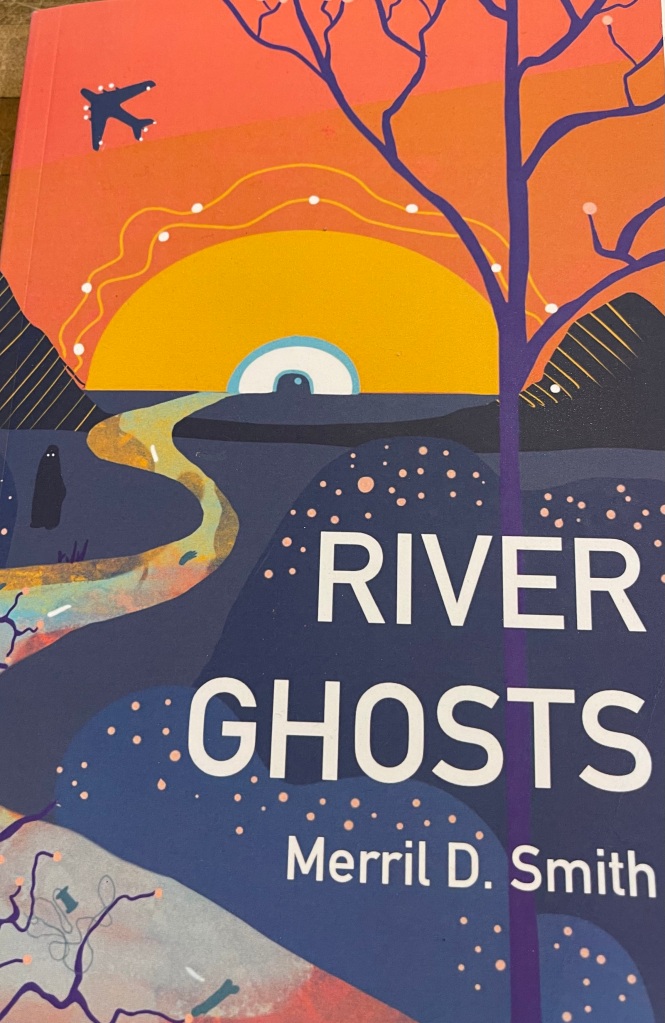
It’s a great pleasure to introduce Rosemary Gemmell to Patricia’s Pen. Rosemary not only writes brilliant novels for adults, but is also a fantastic story writer for children. Today Rosemary has come to blog about her children’s books. Without further ado, it’s over to Rosemary.

Rosemary Gemmell
Thank you very much, Patricia, for inviting me to guest on your interesting blog.
It’s a bit of a departure, and pleasure, for me to chat about my children’s writing for a change; on social media I tend to focus more on writing for adults. However, I’ve written three books and several shorter stories for various young ages.
Thinking about this reminded me that the first children’s story I wrote and submitted to a Scottish competition was before I began writing articles and stories for magazines! I was amazed and delighted to win that first competition with a story…
View original post 518 more words
Leftfield Questions
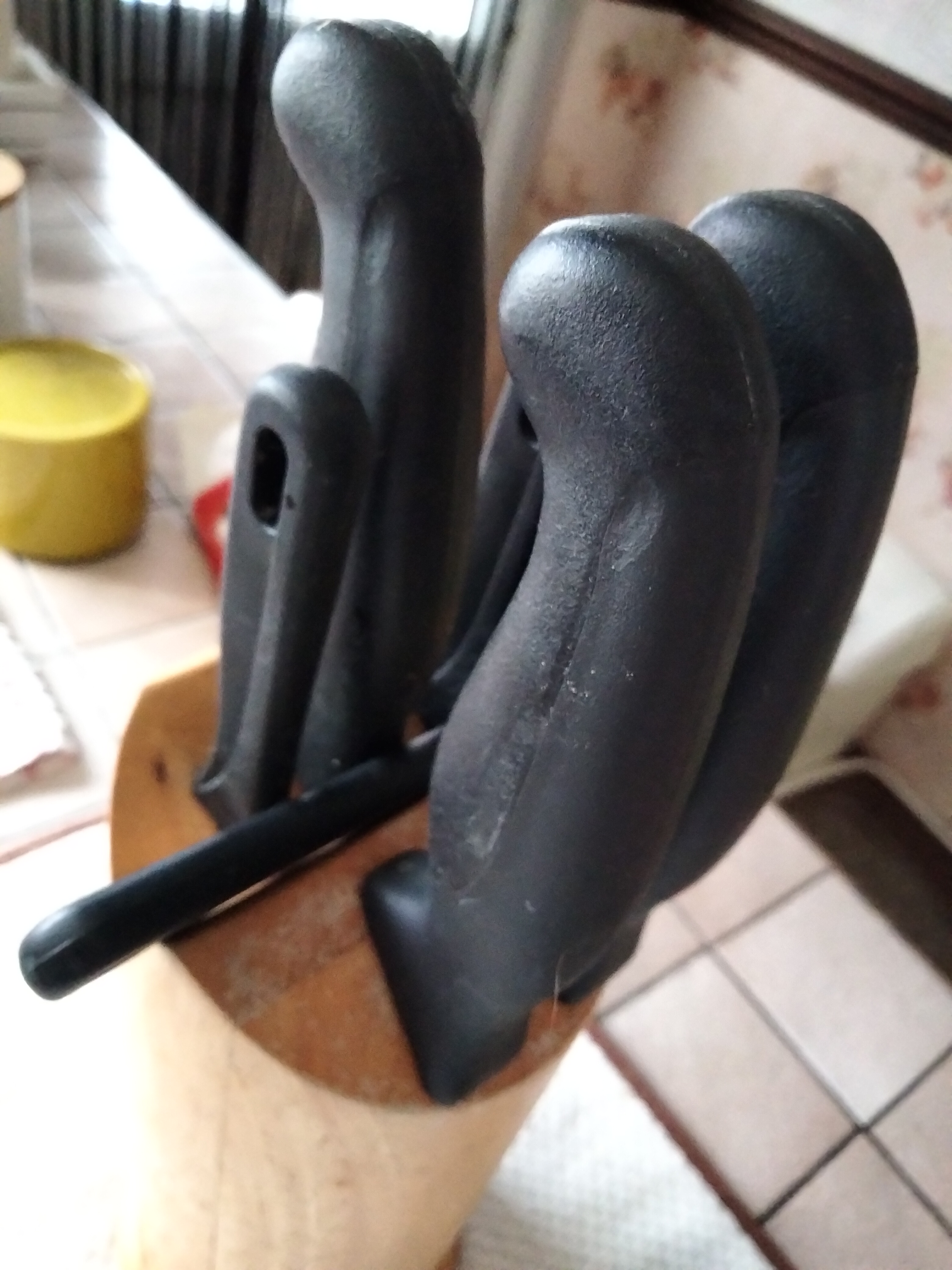
How is a knife block like a toad?
What mundane task would a living toad in a home?
How would a knife block be rewilded?




 The Wombwell Rainbow