#TheWombwellRainbow #Poeticformschallenge last week was a #Gwawdodyn Hir  . Enjoy examples by Robert Frede Kenter and Tim Fellows and read how they felt when writing one.

The Choral Singers in Uniform

And at the river where we slumber
The crystalline prism’s encumbrance
Where shall we gather remembrances
Horse galloping towards endurance
Not this way, not that way, what ever way
We parse our accomplishments in umbrage

How Did It Go?

A one stanza presentation of the Gwawdodyn Hir poem (a Welsh poetic form, a sestet); It is an interesting form requiring four lines of 9 syllables, two final lines of 10 syllables, and end rhymes on 1-4, and line 6. This lent to me something both formal and mysterious, being a Canadian and growing up inside a colonial-commonwealth society. I took bravado, envisioned the brio of a children’s choir (of which at one point in grade school I was a member of – a most ghastly experience), and imagined the Titanic (as a school/ a sinking deck – slanting down into an ocean, everyone on board still singing) – I really feel that forms are interesting to explore – for just these reasons – opening up old patterns to visions, exploring social-history, and what is embedded in and can be opened up thru language. Any one out there – a Welsh speaker – who would like to take a crack at translating this into a Welsh-language version?

Robert Frede Kenter

Enquiry

The ghosts of thousands line London’s streets
drifting to the house where MPs meet
from rest they come, drawn by pure deceit;
the obfuscation and lies that cheat
them of an answer; they must wait and see
if truth can free us from this mad elite.

How Did It Go?

Took a while to do this one, and I’m still not 100% happy. The same rhyme ending makes it tricky, I think.

Tim Fellows

Bio and Links

Robert Frede Kenter

is a writer and visual artist, the EIC /publisher of Ice Floe Press (www.icefloepress.net), who lives in Toronto with MECFS. Robert is an editor, pushcart nom, finalist in the 2023 DaVinci Eye awards for book design, and a widely published poet, playwright and Vispo practitioner. Work recently in or forthcoming from: Olney, Watch Your Head, Anthropocene, Anti-Heroin Chic, Acropolis Magazine, Erato, Fevers of the Mind, and other venues. Books include EDEN (visual poetry collection, 2021), the micro-chap Office Crime, & contributor in the anthology, The Book of Penteract (Penteract Press, 2022).

#TheWildness. Day 5. Describe a peaceful moment spent observing a body of water. What emotions does it evoke in you ? Please join Jane Dougherty, Misky and me in celebrating wildness all this month. I tried to get permission from the Wildlife Trust to use their #3ODaysWild as prompts but it was not forthcoming, so here are my own prompts with a little help from chatgbt. I will feature your draft published/unpublished poetry/short prose/artworks using the following prompts. Please include a short third person bio. Numbers refer to dates in June: Day 1. Describe the sounds you hear when you step outside your home. How does nature contribute to this musical work? 2. Write a letter to a tree or plant that you encounter on your daily walk. What would you say to it? 3. Imagine you could transform into any animal for a day. Which animal would you choose and why? 4. Write a short story about a magical encounter with a wild animal in your backyard. 5. Describe a peaceful moment spent observing a body of water. What emotions does it evoke in you? 6. Write a poem inspired by the vibrant colours and patterns of a butterfly’s wings. 7. Imagine you are a wildlife photographer. Describe the most breathtaking picture you have taken during your challenge. 8. Write about a favourite childhood memory spent in nature. How did it shape your connection with the natural world? 9. Create a dialogue between two different species of birds perched on a branch. What would they talk about? 10. Describe the texture and scent of wildflowers you encounter on your nature walks. How do they make you feel? 11. Write a persuasive essay on the importance of conserving and protecting local wildlife habitats. 12. Imagine you are a nature guide. Describe a walk you would take visitors on to showcase the beauty and diversity of your local environment. 13. Write a poem about the changing seasons and how they affect the behaviour of wildlife. 14. Imagine you are a detective investigating the disappearance of a rare animal. Describe your search for clues in the natural world. 15. Write a poem/flash fiction about a mischievous squirrel that causes chaos in your garden. 16. Describe a special moment when you felt truly connected to nature. What did it teach you about yourself and the world around you? 17. Write a letter to future generations, urging them to protect and cherish the natural world. 18. Create a detailed observation log of a specific species of bird that you have been monitoring throughout the challenge. 19. Write a poem inspired by the soothing sounds of a flowing stream or river. 20. Imagine you are a nature-inspired artist. Describe the masterpiece you would create using materials found in the great outdoors. 21. Write a short story about a group of friends who embark on an unforgettable camping trip in the wilderness. 22. Describe the most fascinating insect you have encountered during your challenge. What makes it unique? 23. Write a diary entry from the perspective of a tree, chronicling its experiences and the changes it witnesses over the course of a year. 24. Imagine you could communicate with one animal species. Which species would you choose and what would you ask them? 25. Describe a magical sunrise or sunset you have witnessed during your journey. How did it make you feel? 26. Write a letter to a future self, reflecting on the impact of the challenge on your relationship with nature. 27. Imagine you are a character in a wildlife-themed adventure novel. Describe the perilous situation you find yourself in and how you escape. 28. Write a poem celebrating the diversity and resilience of nature, even in the face of human challenges. 29. Describe the feeling of walking barefoot on cool, damp grass. How does it connect you to the Earth? 30. Write a short story about a hidden, enchanted forest where magical creatures dwell. What adventures await those who discover it? Feel free to adapt these prompts to suit your writing style or preferences.

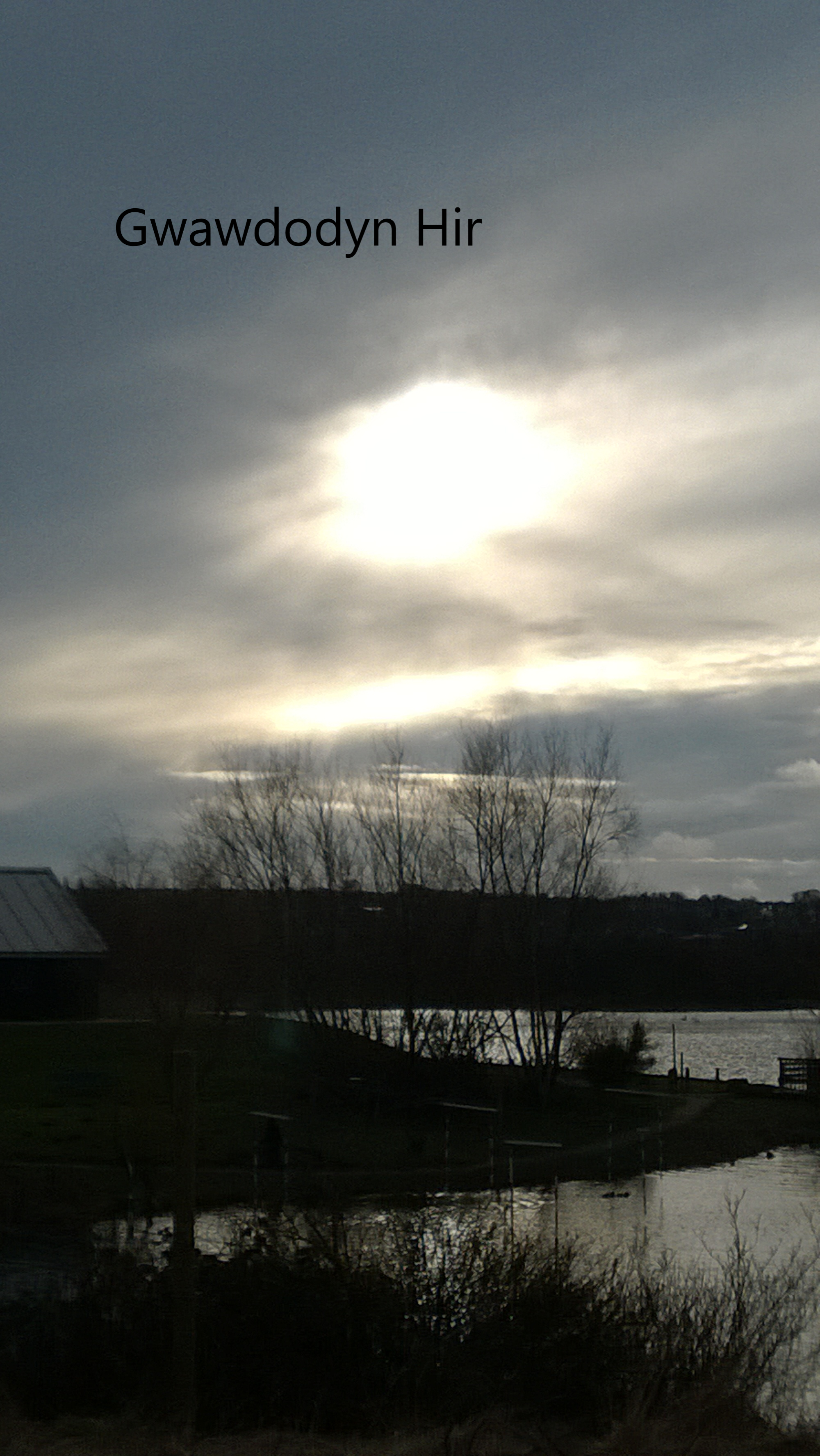
Manvers Lake by Paul Brookes

Haibun for a secret pool

I found the pool in the winter, when all the leaves had fallen, the alley of trees that led to it, columns with no vault. The path beneath was thick with leaves and dug and scraped by pig and deer. A heron lifted slow, calling hoarse anger when we came near, the dogs and I.
The pool was deep in winter and still, white with fallen blossom in spring, and the summer trees are thick now all about, the alley of trees a nave again.

The water is ancient, coelacanth-green, dark-scaled reflecting no light, insect-dimpled, a skin that twitches, a stillness in perpetual motion, tail-flicked, bubble-trailed.

In the stillness we watch and listen, dogs silent as carp, as the pool, the trees, the whispering birds absorb our unnatural presence. We watch fish-shadows rise and drift from aeons ago through brown and green and grey, watch ageless mouths open, for an instant, in this world of bright ephemera, and insect skimmers rush out of the light and into prehistoric dark.

Still summer shadows
water dark as the spaces
between the stars.

Jane Dougherty

Bios and Links

Jane Dougherty

lives and works in southwest France. A Pushcart Prize nominee, her poems and stories have been published in magazines and journals including Ogham Stone, the Ekphrastic Review, Black Bough Poetry, ink sweat and tears, Gleam, Nightingale & Sparrow, Green Ink and Brilliant Flash Fiction. She blogs at https://janedougherty.wordpress.com/ Her poetry chapbooks, thicker than water and birds and other feathers were published in October and November 2020.

A Dreaming by Andrew Martin (Shoals of Starlings Press)

tearsinthefence's avatarTears in the Fence

A Dreamingis Andrew Martin’s fourth publication and follows in the footsteps of his debut collectionShoals of Starlings,which combined beautiful fractal imagery with powerful minimalist poems, ostensibly to do with birds but also suggesting strong psychological underpinnings. It was a masterly introduction to the work of an impressive contemporary poet/artist.

A Dreamingis a single long poem using wordplay, word-association, alliteration and rhythmic dexterity to keep the ball rolling but it’s also considered and reflective. Chance associations meet careful editing and some of the imagery here is simply astonishing. Take the following by way of example:

angels dream in black and white

pigeons dream of peacocks

kingfishers dream of clown fish

wearing crowns

starlings murmur in their sleep

as they dream of the choreography

dreamt up by storms

The last three lines here are mind-blowing!

This is a poem that build and builds and bears a lot of…

View original post 381 more words

Review “In the heart of language: multilingual performance-practice with Jasmina Bolfek-Radovani”, Debra Kelly

Jasmina Bolfek-Radovani's avatarTears in the Fence

Professor Debra Kelly, Deputy Director of the AHRC Open World Research Initiative ResearchProgramme Language Acts and Worldmaking led by King’s CollegeLondon andofits research centre based there has posted recently a review on Jasmina Bolfek-Radovani’s work on the Language Acts blog:

“In the pulsing heart of language, of languages, words and images and sounds interweave, vibrate; memories and experiences and places intertwine, reverberate; symbols recur, resonate. Jasmina Bolfek-Radovani’s multilingual and multisensorial performance-practice engages multifaceted corporeal, emotional and intellectual experiences of the poet and of her readers /listeners/spectators/audience in English, French, Croatian and beyond, not least in the ‘shadow language’ Arabic.”

The full text of Debra Kelly’s blog piece can be found here: https://languageacts.org/blog/in-the-heart-of-language-multilingual-performance-practice-with-jasmina-bolfek-radovani/

Jasmina is a London-based poet of mixed heritage (father Croatian-mother Algerian) born in Zagreb, Croatia. Her most recent multilingual poetry collection Knitting drum machines for exiled tongues in English, French and Croatian was published by Tears in the…

View original post 128 more words

Discreet encounters

Jane Dougherty's avatarThe Four Swans

For day 4 of Paul Brookes’ Wildness challenge.

Discreet encounters

When first we came to this house, it was wild. Wilder than now. The old one who had hung on here alone after the old man died was in a home, and the house had been empty. Always peaceful, the meadows were unvisited by humankind for years, and badgers, deer, martens, hares, owls and foxes with nothing to fear had sidled up to, or sidled into the house. Those first seasons, I don’t know how many times I blundered across animals I didn’t even recognise. Later, they grew wary and once again kept their distance.

The first to leave were the owls in the attic. Then the hare that left her young ones by the house moved them out into the meadow. I trod on one in the long grass under the study window. The scream of a hare is…

View original post 131 more words

4 June: Her Dog #thewildness

Misky's avatarIt's Still Life

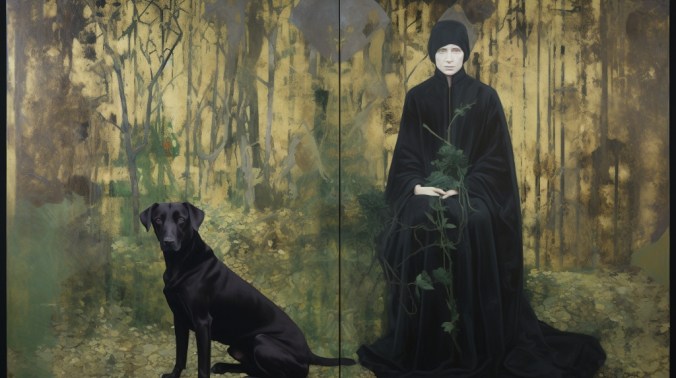
AI digital art. a woman in black and a black dog in a vine-like forest

Those wicked days that pressed. Persistent. Pervasive. Such deep darkness. Such endless exhaustion. The numbness was a disconnect. Fatigue, to sleep. To dream. Aches, the pains of mind and bone. And her dog stayed faithful, never begging, ever quiet, a constant breath, and they waited out that wicked dark depression.

This ancient feeling
Like dying constellations
Her black dog. Black dog.


Written for #thewildness Day 4: a magical encounter with a (wild – though not in this case) animal. Artwork is created using AI Midjourney. Imagery and poems ©Misky 2023.

View original post

Arrival by Cynthia Anderson (Sheila-Na-Gig Editions)

tearsinthefence's avatarTears in the Fence

Cynthia Anderson’sArrivalmight seem like a departure for readers who follow her work. She is a desert poet who often works in short form. InFull Circle, one of her previous books for example, she wrote image-driven haiku that helped to illuminate moments that make desert life exceptional.Arrivalis an exploration of many different landscapes, coastal, forest, desert, and more, is a beautiful exploration through longer forms of free verse poetry, which she has written before, and I am glad to see her writing this kind of work. These longer forms, however, have certainly been informed and gained power from her short work. Each of the stanzas and even many lines might have functioned as its own poem if she had gone in that direction again; however, together they build and work toward a greater unified whole that has us understanding the natural world and our place…

View original post 513 more words

#TheWildness. Day 4. Write a short story about a magical encounter with a wild animal in your backyard? Please join Jane Dougherty, Misky and me in celebrating wildness all this month. I tried to get permission from the Wildlife Trust to use their #3ODaysWild as prompts but it was not forthcoming, so here are my own prompts with a little help from chatgbt. I will feature your draft published/unpublished poetry/short prose/artworks using the following prompts. Please include a short third person bio. Numbers refer to dates in June: Day 1. Describe the sounds you hear when you step outside your home. How does nature contribute to this musical work? 2. Write a letter to a tree or plant that you encounter on your daily walk. What would you say to it? 3. Imagine you could transform into any animal for a day. Which animal would you choose and why? 4. Write a short story about a magical encounter with a wild animal in your backyard. 5. Describe a peaceful moment spent observing a body of water. What emotions does it evoke in you? 6. Write a poem inspired by the vibrant colours and patterns of a butterfly’s wings. 7. Imagine you are a wildlife photographer. Describe the most breathtaking picture you have taken during your challenge. 8. Write about a favourite childhood memory spent in nature. How did it shape your connection with the natural world? 9. Create a dialogue between two different species of birds perched on a branch. What would they talk about? 10. Describe the texture and scent of wildflowers you encounter on your nature walks. How do they make you feel? 11. Write a persuasive essay on the importance of conserving and protecting local wildlife habitats. 12. Imagine you are a nature guide. Describe a walk you would take visitors on to showcase the beauty and diversity of your local environment. 13. Write a poem about the changing seasons and how they affect the behaviour of wildlife. 14. Imagine you are a detective investigating the disappearance of a rare animal. Describe your search for clues in the natural world. 15. Write a poem/flash fiction about a mischievous squirrel that causes chaos in your garden. 16. Describe a special moment when you felt truly connected to nature. What did it teach you about yourself and the world around you? 17. Write a letter to future generations, urging them to protect and cherish the natural world. 18. Create a detailed observation log of a specific species of bird that you have been monitoring throughout the challenge. 19. Write a poem inspired by the soothing sounds of a flowing stream or river. 20. Imagine you are a nature-inspired artist. Describe the masterpiece you would create using materials found in the great outdoors. 21. Write a short story about a group of friends who embark on an unforgettable camping trip in the wilderness. 22. Describe the most fascinating insect you have encountered during your challenge. What makes it unique? 23. Write a diary entry from the perspective of a tree, chronicling its experiences and the changes it witnesses over the course of a year. 24. Imagine you could communicate with one animal species. Which species would you choose and what would you ask them? 25. Describe a magical sunrise or sunset you have witnessed during your journey. How did it make you feel? 26. Write a letter to a future self, reflecting on the impact of the challenge on your relationship with nature. 27. Imagine you are a character in a wildlife-themed adventure novel. Describe the perilous situation you find yourself in and how you escape. 28. Write a poem celebrating the diversity and resilience of nature, even in the face of human challenges. 29. Describe the feeling of walking barefoot on cool, damp grass. How does it connect you to the Earth? 30. Write a short story about a hidden, enchanted forest where magical creatures dwell. What adventures await those who discover it? Feel free to adapt these prompts to suit your writing style or preferences

Discreet encounters

When first we came to this house, it was wild. Wilder than now. The old one who had hung on here alone after the old man died was put in a home, and the house had been empty. Always peaceful, the meadows were unvisited by humankind for years, and badgers, deer, martens, hares, owls and foxes with nothing to fear had sidled up to, or sidled into the house. Those first seasons, I don’t know how many times I blundered across animals I didn’t even recognise. Later, they grew wary and once again kept their distance.

The first to leave were the owls in the attic. Then the hare that left her young ones by the house moved them out into the meadow. I trod on one in the long grass under the study window. The scream of a hare is a pitiful sound. A marten hunting by the hedge, I mistook for a cat. The martens knew me though. Evenings, we’d meet badgers using the driveway as an easy route through the meadow. Until I took a torch with me, I thought they must be stray dogs. Who knew badgers had tails? They use another route these days.

But the foxes still come up to the house. They still sit waiting to see if there’ll be food scraps put out, just beyond the light from the windows. Sometimes we hear the squabbles, the chatter of a marten, the high-pitched squeal of a hedgehog, the roar of a badger. It’s enough to know they are still there, and if they keep a discreet distance from us, we have only ourselves to blame.

Jane Dougherty

Bios and Links

Jane Dougherty

lives and works in southwest France. A Pushcart Prize nominee, her poems and stories have been published in magazines and journals including Ogham Stone, the Ekphrastic Review, Black Bough Poetry, ink sweat and tears, Gleam, Nightingale & Sparrow, Green Ink and Brilliant Flash Fiction. She blogs at https://janedougherty.wordpress.com/ Her poetry chapbooks, thicker than water and birds and other feathers were published in October and November 2020.

Wildness challenge June 3

Jane Dougherty's avatarThe Four Swans

For Paul Brookes’ month-long challenge.

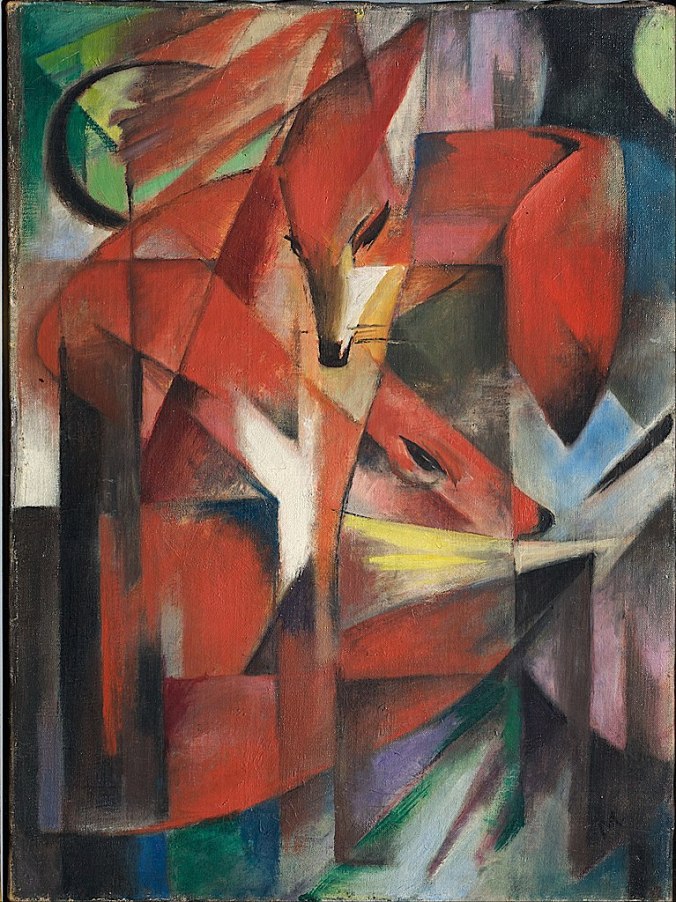
Fox speaks

Fox-life is full, no moments empty, all eyes, ears, nose.
To be a man, one whole up and down of the sun?
So many moments of idleness. How to?

Man-earth is tree-tall, sun-bright, where all eyes peer.
Fox would dig deep below to curl in safe darkness
while the light shows too much.

Fox would sleep curled, while the curious sun
ferrets and wriggles through cracks.

Man-earth has a homeland, fenced
strong enough to keep out other men.
Earth entrances are barred, strong, tight.
Men know their enemies.
Fox would like such a fence too, such strong doors.

Night time, men sleep,
fox walks in the cool shadow-light.
All eyes, nose, ears,
they make the wide world sing and howl,
run fast as wind through the trees,
taste blood and fur, chase feathers.

Fox could not never give up such fierce life
for…

View original post 3 more words