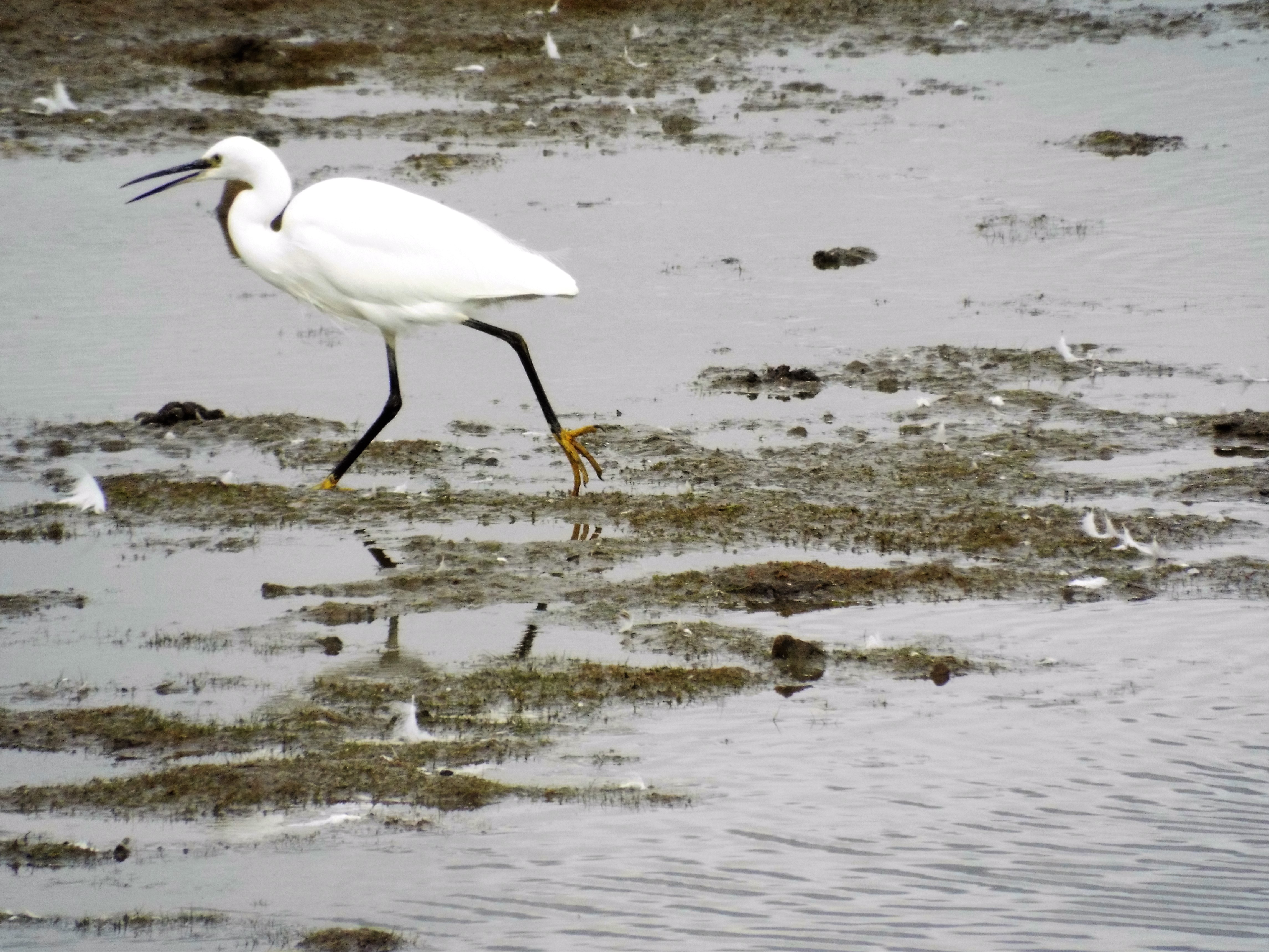
 Disappearing. A photo by Paul Brookes
Decline and fall
Once so common and prolific, found on every continent, surviving in the most extreme conditions, we never imagined their decline would be so fast, so humbling. I track them now, searching for the signs, the broken branches, churned mud, the wanton waste of foodstuffs trampled by fighting males, the stink of abandoned nests.
They fear the tree zones, their senses baffled by fronds that hide predators, prefer the open spaces. Unsociable, they stick to family groups, distrust other kin groups. Strangely, they are always led by a young male. The old and experienced males and females sink to the bottom of the pyramid, unvalued, left behind when they grow too feeble to keep up, or to earn their keep. Their hierarchy changes often, young males usurp one another regularly in bloody confrontations. Most of the work is done by young females and children.
I find their tracks among the mountains of rubble and rubbish, the deserts where nothing grows, nothing lives. Some ancestral memory draws them to the smoking, dusty hills, and they dig into the filth, searching for useless things that give them wild pleasure, like magpies with their bits of glitter. I can see them now, an old male, two old females scrabbling in the dirt. Nothing else moves, though I can hear the shrill cries of a fight, the thin wailing of a hungry pup. They will still be here, or not very far away, when I come back with the pack. Rats will eat well soon. Men are the easiest prey of all to kill.
Jane Dougherty
Bios and Links
Jane Dougherty
lives and works in southwest France. A Pushcart Prize nominee, her poems and stories have been published in magazines and journals including Ogham Stone, the Ekphrastic Review, Black Bough Poetry, ink sweat and tears, Gleam, Nightingale & Sparrow, Green Ink and Brilliant Flash Fiction. She blogs at https://janedougherty.wordpress.com/ Her poetry chapbooks, thicker than water and birds and other feathers were published in October and November 2020.
 The Wombwell Rainbow