Leftfield Questions
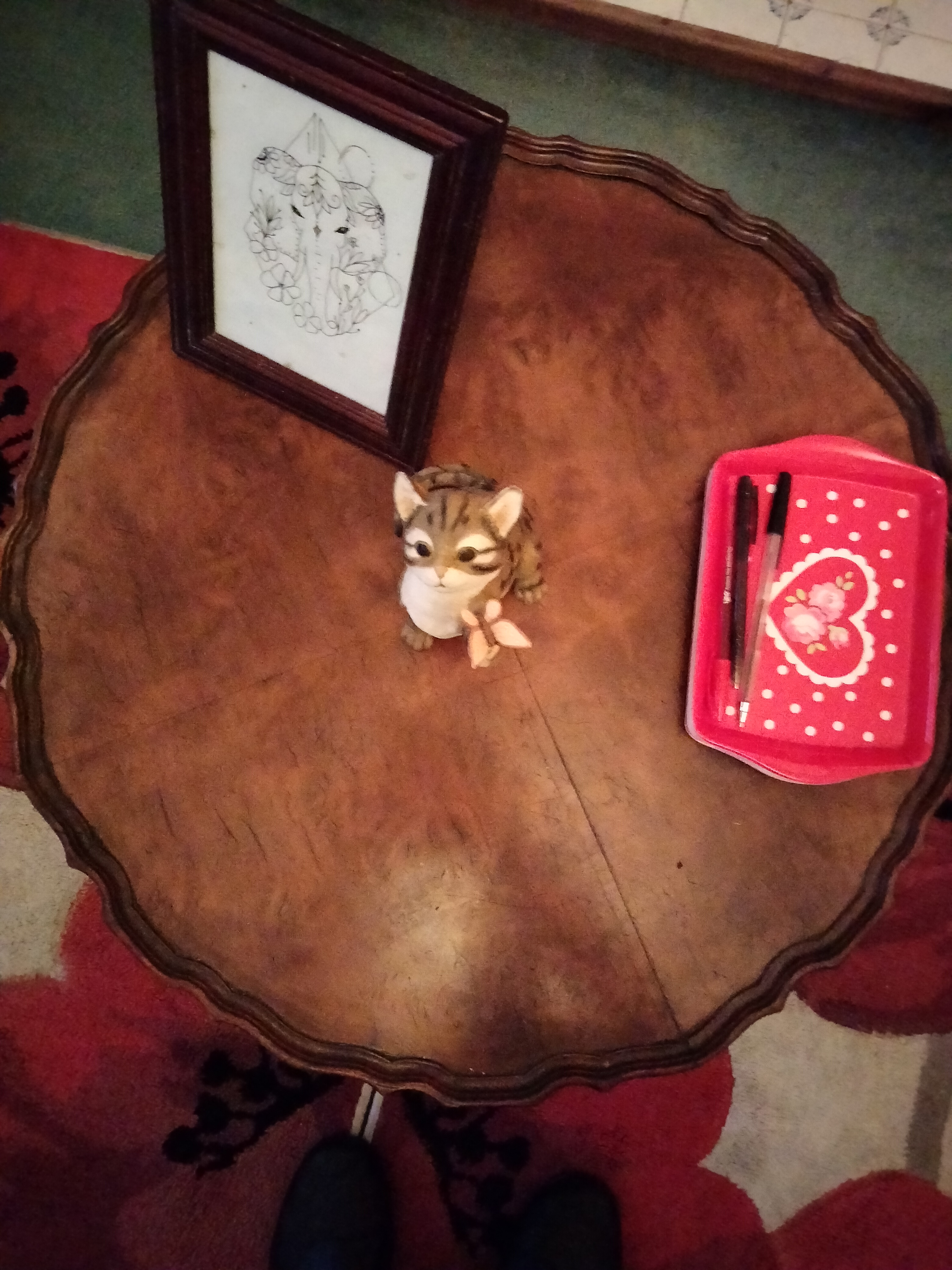
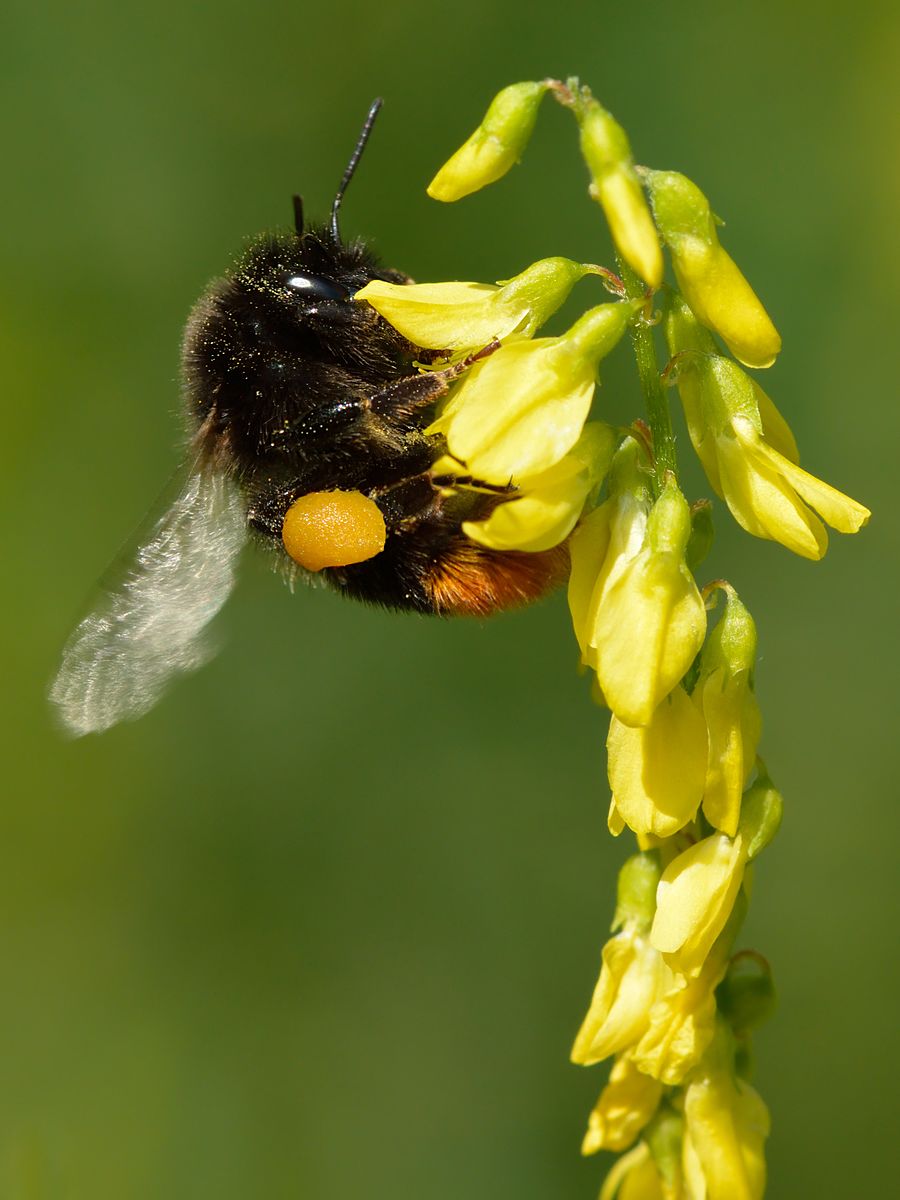
How is a bumblebee like a coffee table?
What mundane task would a living bumblebee do in a home?
How would a coffee table be rewilded?
Leftfield Questions
How is a bumblebee like a coffee table?
What mundane task would a living bumblebee do in a home?
How would a coffee table be rewilded?
Today’s daft WP question is ‘Do you ever see wild animals?’ I’m imagining a Philomena Cunk voice. If you don’t know her incisive style of interviewing have a look at this. But put your coffee cup down first.
And this is today’s poem for day 8 of Paul Brookes’ December challenge.
Before squirrel-sleep
Winter creeps through tree boughs,
with wind-fingers plucks loosened leaves,
tosses them in irrelevant showers.
Gold rains, turning,
giving up the ghost, settling
in layers upon oak mast.
It needs a squirrel
to order the mess,
to brush away the curling debris,
to spiral along the boughs,
panache swirling russet-red,
in a frenzy of cleaning.
Winter is never spick and span,
until the frost grips in a frozen frame
and squirrel-sleep,
and beneath the guardian trees,
acorns, nested in leaf mould,
dream their small dreams of greatness.
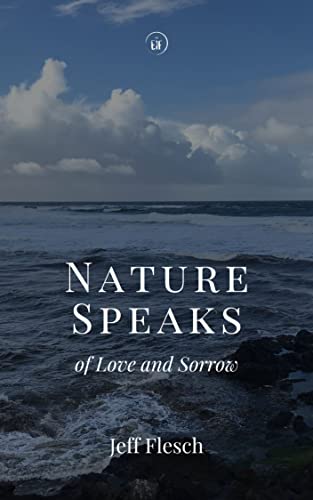
“Nature Speaks of Love and Sorrow” is the debut poetry book by Jeff Flesch. This book is published by the publishing house “Experiments in Fiction” owned and edited by Ingrid Wilson. This book is a beautiful and deeply heartfelt collection of poetries. The beauty with which poetries twinkle with serenity in this book is reminiscent of the words of the sagacious poetess “Gabriela Marie Milton” in her poetry “Exiled” from her book “Woman: Splendor and Sorrow: Love Poems and Poetic Prose” which said “stars in your unbraided hair spread over still waters like lily pads.”
The poet has concocted each poem by combining imagery personifications, similes, and metaphors flowing in parallel to the feelings out of which a few even flows into the subconscious world a glimpse of which can be read in the following few words from the poetry “Neutral Stances”:
“dreams supplanted
by neutral stances
always awake me in the night
while anxieties are up, have taken flight
into the heart
of the mysteries, they call to me
when time is not in sight”
The ingredients used in concocting the poems in this book are influential to make readers scuba-dive in the vicarious experiences.
The poet has painted all his poetries with the beautiful tinges of nature in which the serenity of the countryside is felt. The poet’s intent in painting so is to make the readers embrace the beauty of nature as evidenced in the following words from his poetry “Cosmic Arts”:
“have you ever tried to catch a glance of heaven?
look around you now, and watch
as the sun comes up inside your heart
shining on everything within range of the cosmic
arts”
The beauty of nature and the serenity of the countryside have somewhat now gone out of the range from the spaces of the hearts and minds of the people due to additions of hectic schedules and cut-throat competitions in the lifestyles of people so reading these poems is like feeling a cool breeze in a scorching heat. The poet should thus be highly admired for reviving the beauty of nature and serenity of the countryside amidst the generation living in the rush, busyness, and hustle and bustle of urban life.
While painting all his poems with the beautiful tinges of nature and the serenity of the countryside, the poet has not skipped blending any poem with the essence of its own. This peculiarity of this book forged by the poet is highly commendable.
Each poem perfuming with its essence recites its own story and whereabouts.
Some poems are filled with nostalgic essence, shedding light on a few words of one of such poems “Limbs and Leaves”:
“running my fingers over our names”
“the sun inside our hearts
for the remainder of our days”
The essence in some poems is illuminating with ambitions that can be read in the following words from the poem “Dream Sky”:
“continuing
to run free
a dream the size of the sky, within me”
And many other essences are perfuming the poems. Thus, reading the poems in this book will be like sucking nectar from different flowers like a bee.
-Spriha Kant
Bios:
-Jeff Flesch (Poet):
Jeff Flesch lives in Corvallis, Oregon, and was voted the 2022 Spillwords Press Author of the Month for January and February. He is also the Author of #1 Amazon New Release Nature Speaks of Love and Sorrow, is a Co-Author of #1 Amazon Bestseller, Wounds I Healed: The Poetry of Strong Women, and is also a monthly contributor to two online publications, MasticadoresIndia and MasticadoresUSA. His poetry is widely published both online and in print and has received international recognition. You can read more of Jeff’s poetry at Develop. Inspire. Transform, and on Twitter.
-Spriha Kant (Poetess and Book Reviewer):
Spriha Kant is a poetess and a book reviewer. Her poetries have been published in anthologies including “Sing, Do the birds of Spring”, “A Whisper Of Your Love”, “Hard Rain Poetry: Forever Dylan” and “Bare Bones Writing Issue 1: Fevers of the Mind”. Her work has been featured in “SYNERGY: CALLING ALL WRITERS WHO ARE PHOTOGRAPHERS” on thewombwellrainbow.com. She has been featured in the “Quick-9 interview” on feversofthemind.com. She has reviewed poetry books including “Silence From The Shadows” by Stuart Matthews “Spaces” by Clive Gresswell, and “Washed Away- a collection of fragments” by Shiksha Dheda. She has been a part of the celebrations for the launches of the debut poetry book of Jeff Flesch “Nature Speaks of Love and Sorrow” and the poetry book of Paul Brookes “As Folktaleteller.” She has also collaborated with David L O’ Nan on the poetry “The Doorsteps Series” in the anthology “The Empath Dies in the End.”
The poetries, book reviews, and interview feature of Spriha Kant can be read at the following links:
https://www.imaginarylandstories.com/contest/the-seashell/
Celebrate #WorldSmileDay I will feature your published/unpublished poetry/short prose/artworks about smiling, or that features a smile. Please include a short third person bio in your email to me.
Mark #WorldMenopauseDay2022 I will feature your published/unpublished poetry/short prose/artworks about the menopause. Please include a short third person bio.
https://jeffflesch.com/2022/10/11/naturespeaks-30-poems-in-30-days-day-18-stay-away-by-spriha-kant/
Spriha Kant can be contacted at kants987@gmail.com.
-Ingrid Wilson (Owner and Editor of the publishing house Experiments in Fiction):
Ingrid is the owner and editor of the publishing house Experiments in Fiction. As a featured contributor at MasticadoresUSA and bartender at dVerse Poets’ Pub, Ingrid has published her writing in many online and print journals. In July 2021, she published ‘The Anthropocene Hymnal,’ a poetry anthology representing a response to the climate and ecological crisis. She published her first solo poetry collection, 40 Poems at 40, via EIF in February 2022.
Ingrid can be seen on Twitter @Experimentsinfc and Instagram @Experimentsinfiction.

Leftfield Questions
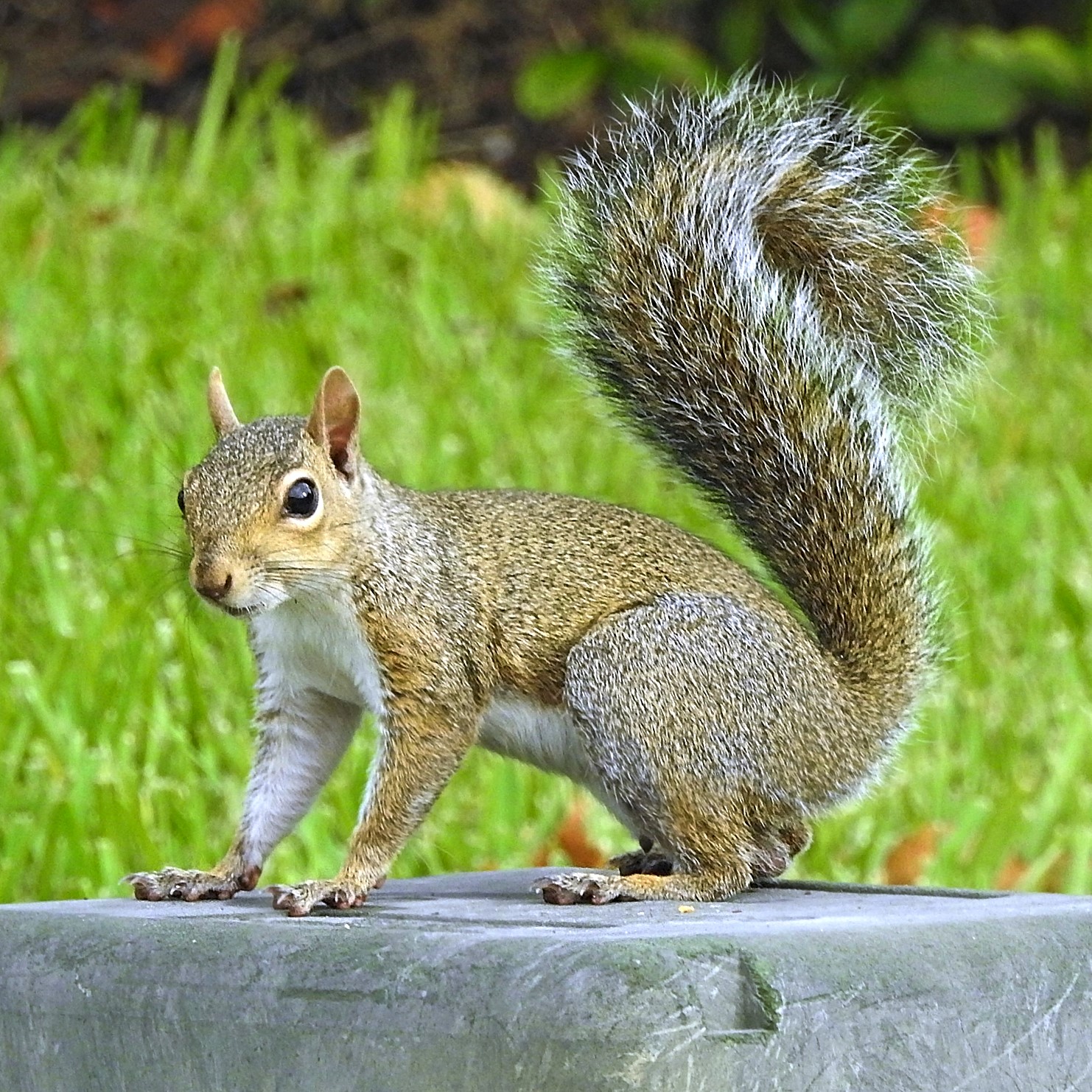
How is a squirrel like a polish and duster?
What mundane task would a living squirrel do in a home?
How would a duster and polish be rewilded?
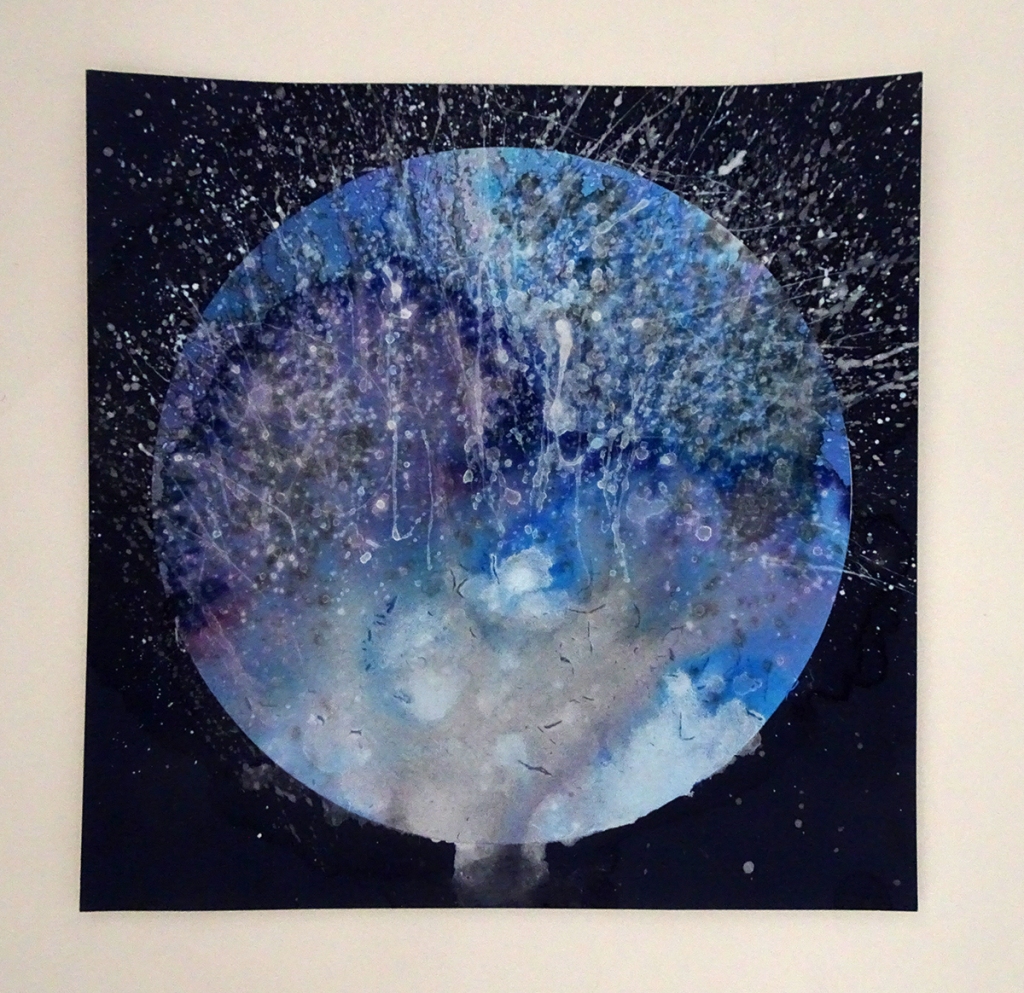
the path vanishes
inside crystals—spiraled, wind
swept, alabastered
in eerie silence
stars dazzle indigo night–
sky patterns limn moon
silhouettes transform,
reconfigure the landscape–
trees close in, bow down
I find myself in pieces–
creatured and held by branched wings

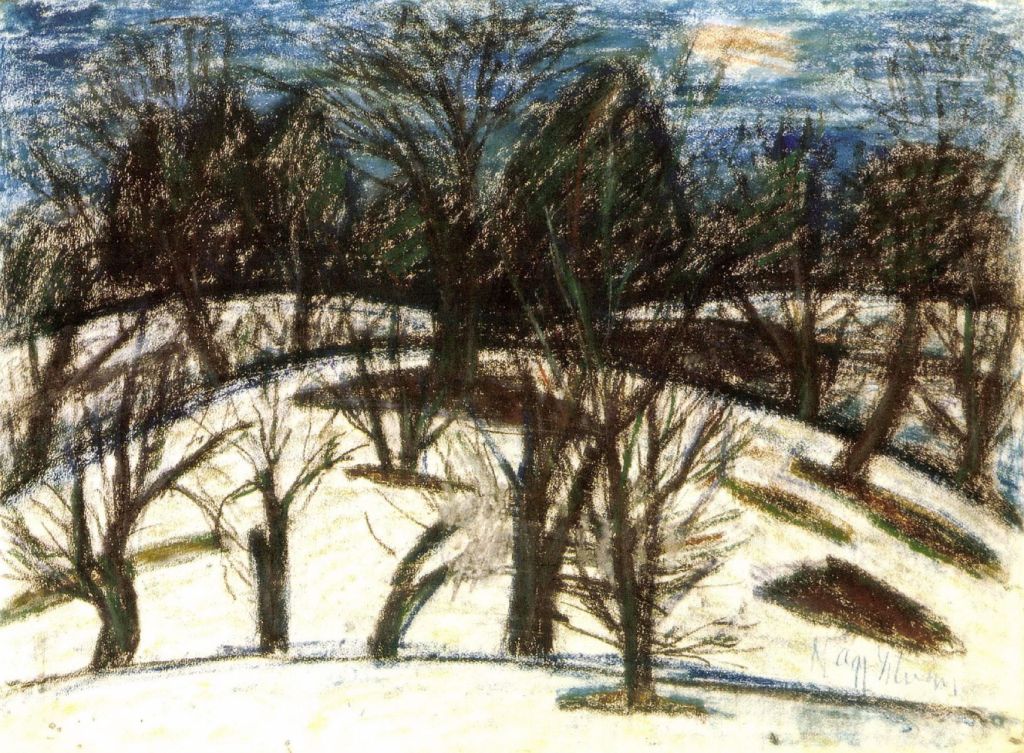
Brendan at earthweal provided a series of December images as inspiration this week. I chose the image above, which was perfect for a watercolor interpretation.
I had been struggling with my poem when I saw The Wombell Rainbow’s poetic form challenge this week. The haiku sonnet proved to be just the structure that I needed to clarify my words.
No snow here yet, just another dreary December rainy day.
For Paul Brookes’ December challenge. You can see the prompt here.
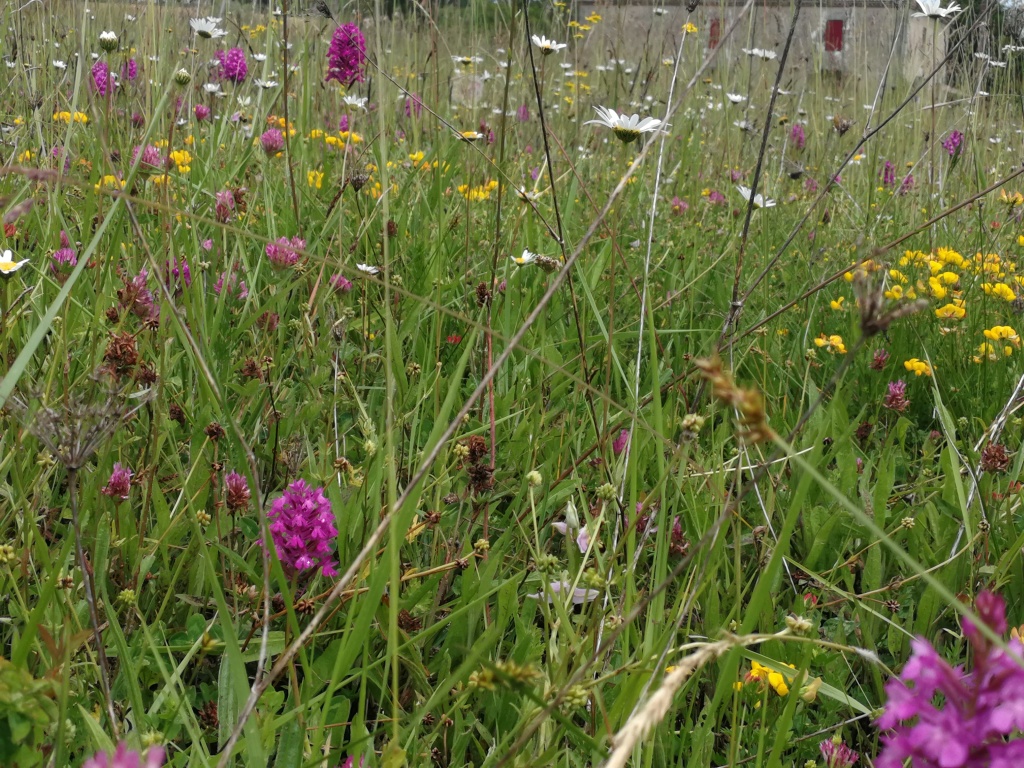
Meadow-laundering
There’s a churning of the seasons in a meadow,
not a pasture, champed and cropped
and clumped tussocky mud by clomping hooves.
Not a pasture with the one or two types
of grass that the munchers prefer,
dull as ditch water, a refectory,
but a meadow,
a quilt that spreads and gleams,
bee- and bird-full,
where cats and martens stalk,
the hare hides her young, and deer
lie in lazy dreams on balmy moonlit nights.
A meadow, cloth-of-green quilt,
coloured and stitched with gold
and blue and every shade of pink,
white frothed and dotted, a sea,
gently foaming.
And high summer, its work done,
flowers faded and seed set,
the mower lays it all to rest,
bundled and rolled up neat and tight,
the brown and the spent,
and the earth stretches,
spreads its sparkling newness,
its…
View original post 9 more words
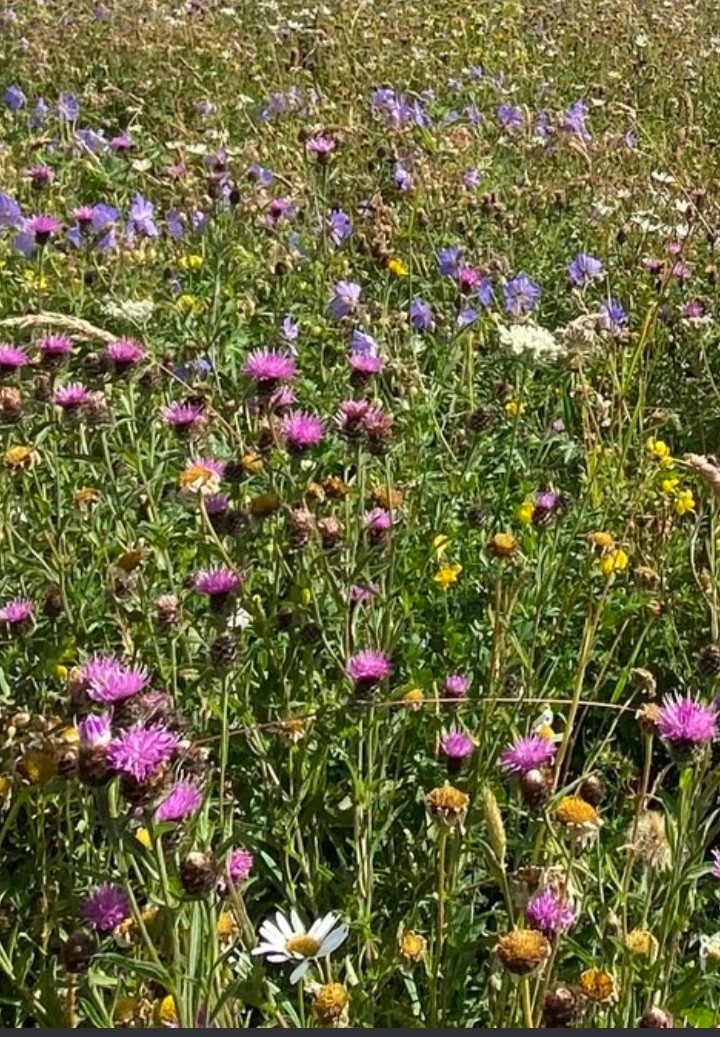
Leftfield Questions
How is a wildflower meadow like a washing machine?
What mundane task would a living wildflower meadow do in a home?
How would a washing machine be rewilded?
For the dverse prompt. A sonnet because The Winter’s Tale = Shakespeare = sonnet. There are two titles in there, and almost a third. I stuck an article into Roses in (the) snow to make it scan.
Hounds of winter
The hounds of winter howl the moon, the sky,
Pin-pricked with stars, only a night away
Throws back the song, we hear the echoes die,
And on a lonely hill we wait for day.
The hounds of winter tread the ocean sky,
Its cloudy waves, no need of ship and sail,
Their breath, the north wind, teeth snap hue and cry,
And growl the deep notes of a winter’s tale.
Yet in the night fields tracked with pad and claw,
The year lies sleeping, warmed by deep earth’s glow,
Cradling seeds, roots waiting for the thaw,
And perfume-petaled roses in the snow.
Should these dark hounds pause, sniff the wintry…
View original post 10 more words
David Marshall says of the haiku sonnet:
Formally, it combines four haiku and a final two-line “couplet” consisting of seven syllable and/or five syllable lines, making 14 lines.
Conceptually, it’s an attempt to wed two like and unlike forms. To me, the sonnet seems the quintessential western poetic form, defined by the order and rationality of its problem-resolution organization. Depending how you see it, the haiku might be just as organized—haiku certainly have strong rules and conventions. Because haiku can rely, just as a sonnet does, on a sort of reversal—a “volta” in sonnets, a “kireji” in haiku—they may be distant cousins. However, haiku are eastern, and, where sonnets are rational, haiku are resonant. Where sonnets solve—or attempt to solve—haiku observe.
Helpful links
https://dmarshall58.wordpress.com/haiku-sonnets/
https://adamoftheuniverse.poetry.blog/2019/09/12/week-sixteen-the-haiku-sonnet/
A toad poem for Paul Brookes’ December challenge.
Tactical retreat
Rain and flood tides
fill the river plain,
willows wade in water,
paddle their roots
in overflowing ditches,
the stream’s a torrent,
and in the cowshed,
a toad swims slowly,
stoically along the drain
and under the door.
We watch her rhythmic
breast stroke, pulling
against the flow,
temporary evacuation,
a lesson in coping.



 The Wombwell Rainbow