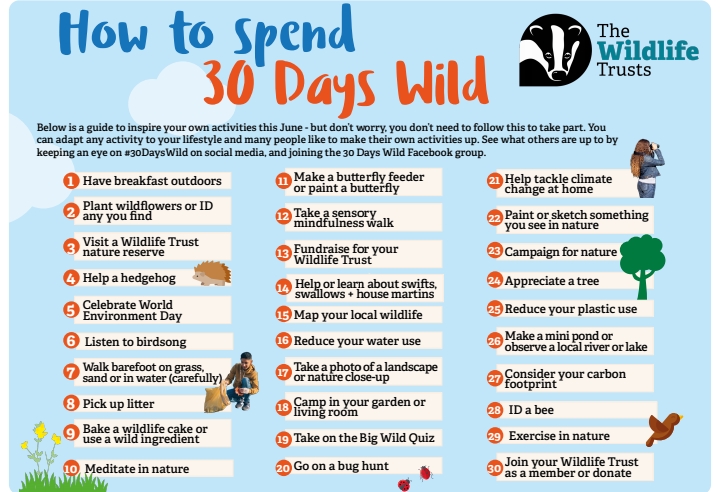
My poem for the sixth day of Paul Brookes’ challenge, in partnership with The Wildlife Trusts. If you have a poem about birdsong, send it to Paul here.
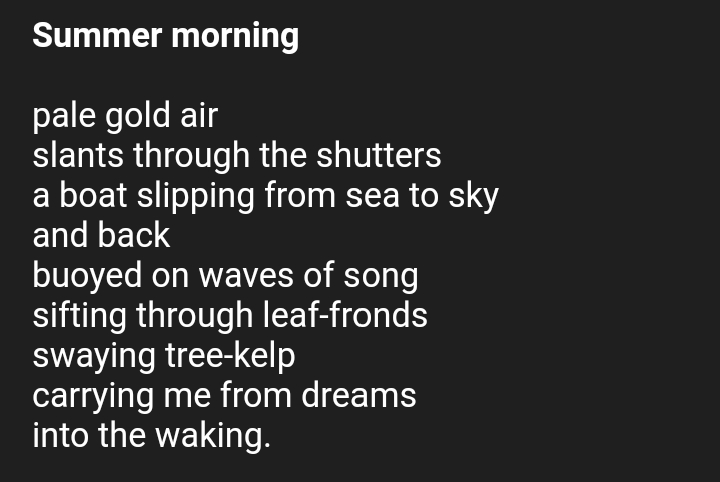
Summer morning
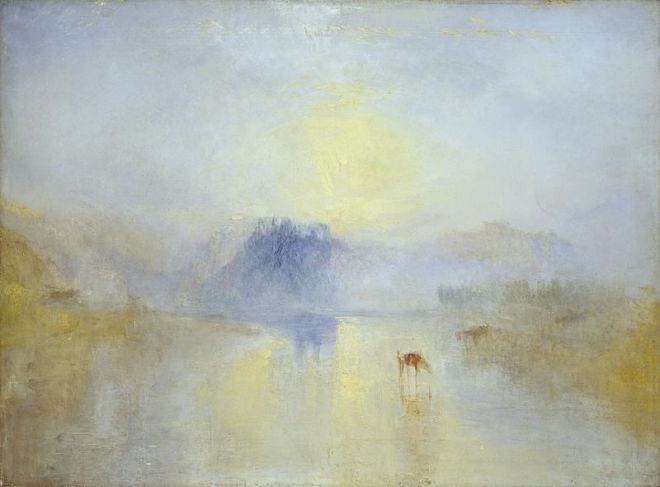
pale gold air slants through the shutters a boat slipping from sea to sky and back buoyed on waves of song sifting through leaf-fronds swaying tree-kelp carrying me from dreams into the waking.
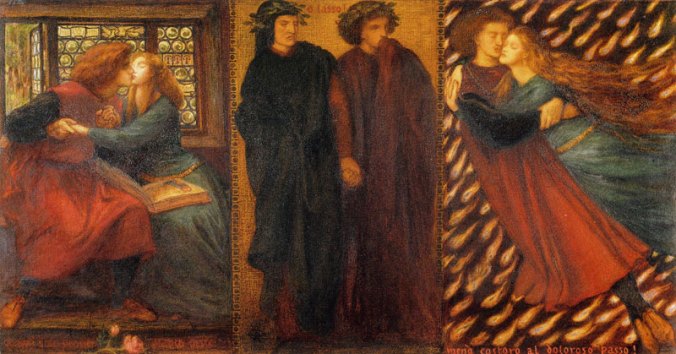
‘Paolo and Francesca da Rimini’ by Dante Gabriel Rossetti (1862)
*****
DANTE’S COMEDY: TRANSLATION AND INTERPRETATION
Three things keep drawing me back to Dante’s Commedia: the skill, inventiveness and human depth of his story-telling, his lyrical genius, and the beauty of his terza rima meter. His use of terza rima can only be enjoyed in Italian, which for me involves heavy dependence on English translations and on the notes and glosses in modern Italian given in Anna Maria Chiavacci Leonardi’s editions of the Commedia for Zanichelli and Oscar Mondadori. In this essay I want to focus on comparing how the narrative and lyrical aspects of the poems come through in Ned Denny’s freely adaptive poetic version, B: After Dante, and in two scholarly translations, one by Robert and Jean Hollander and one by Robert M. Durling, though I will make some more mention of the terza rima…
I was a lucky baby-boomer, able to go to art school to study Graphics and Illustration despite my parents’ (perfectly justified) anxieties, and despite knowing nothing, either on arrival or on graduation, of how one actually earned a living from these skills. I then worked in a variety of youth justice, psychiatric and social care settings while picking up bits of illustration work (including for Spare Rib!), and gradually learned how to put together a creative life. When I had children I also began to write ‘for them’ and eventually had my first children’s book published, which I had written and illustrated.
*****
In 2020/21 I had the pleasure of working as a writer, artist and community development artist/writer on a project called ‘Virtual Ark’. This project, funded primarily by Arts Council England, was led by visual artist Paul Evans, and was an experimental bit…
We have our swifts & martins here, of course, And they stretch our skies all summer,
But on September days like this: blue skies, a southerly wind, and fluffy clouds We hear them: someone else’s swallows pass us by.
And what is poignant, beautiful? They take a break And buzz our houses, playgrounds, parks, and gardens:
A flock of fifty stops to feed, and suddenly our space is full Of chew-it calls, sky-acrobats; and, always, a few males singing.
So, unlike other birds that only sing at home, our swallows Leave a trail: songs of leaving, songs of arriving, from their barns
Along their way to southern Africa: spread out and spun, A Day at a time; our thread of home, traced by our passers-by.
-Dave Garbutt
lost in chaos
life walks in on a bed of nails and runs its’ fingers through my sails and often like the night’s caress with sharpened claws it does possess
and from the corner of my eye i catch a glimpse of clear blue sky and silhouetted by the sun a distant shadow on the run
and when i feel the moment slide i reach inside for what i hide and taking off my glasses rose i watch my shadow as it grows
between my eyes, before my time so overwhelming in its crime across the borders of my skin stealing my past and what i’ve been
to feel my life and touch my light future, past, and second sight and doing so, leaves just a trace across my eyes, and on my face
then from the corner of your eye you think you see me wave good-bye but when you’re sleepy eyes awake i am the bird that you mistake
and as i spread my wings to fly i shed this skin without a cry and then, without a backward glance i leave this for another dance
-Derek Dahl
Bios And Links
-David Garbutt
is retired and living in Dornach, Switzerland.
He is a fan of photography, writing, and snowboarding.
He is also interested in outdoors and birding.
-Derek Dahl
hails from the pacific northwest and is currently finalizing his first book, “Souls Fluorescent”, a mixture of poetry and digital art. He first discovered computers in the 1980’s and has been pounding away at the keyboard ever since. He enjoys twisting words into rhyme and meter puzzles. His art is heavily influenced by Picasso and Escher along with a smattering of Mayan culture and is called Cubic Fusion, where the background lines become the foreground lines and back again, just like all of life is intertwined. His next books include one of art and one of flash fiction.



 ‘Paolo and Francesca da Rimini’ by Dante Gabriel Rossetti (1862)

 The Wombwell Rainbow